Unprecedented animal abuse case halts Faroe Islands' Grindadráp
Authorities have issued the first-ever animal-abuse charges over a 2024 pilot-whale hunt in the Faroe Islands, prompting a regional suspension of grindadráp hunts and drawing praise from campaigners who say the case highlights growing concern over dolphin cruelty.

In a landmark development, campaigners have welcomed the first animal-abuse charges ever filed against dolphin hunters in the Faroe Islands – an archipelago situated roughly 200 miles north of Scotland and long at the centre of global controversy over a traditional practice known as the grind.
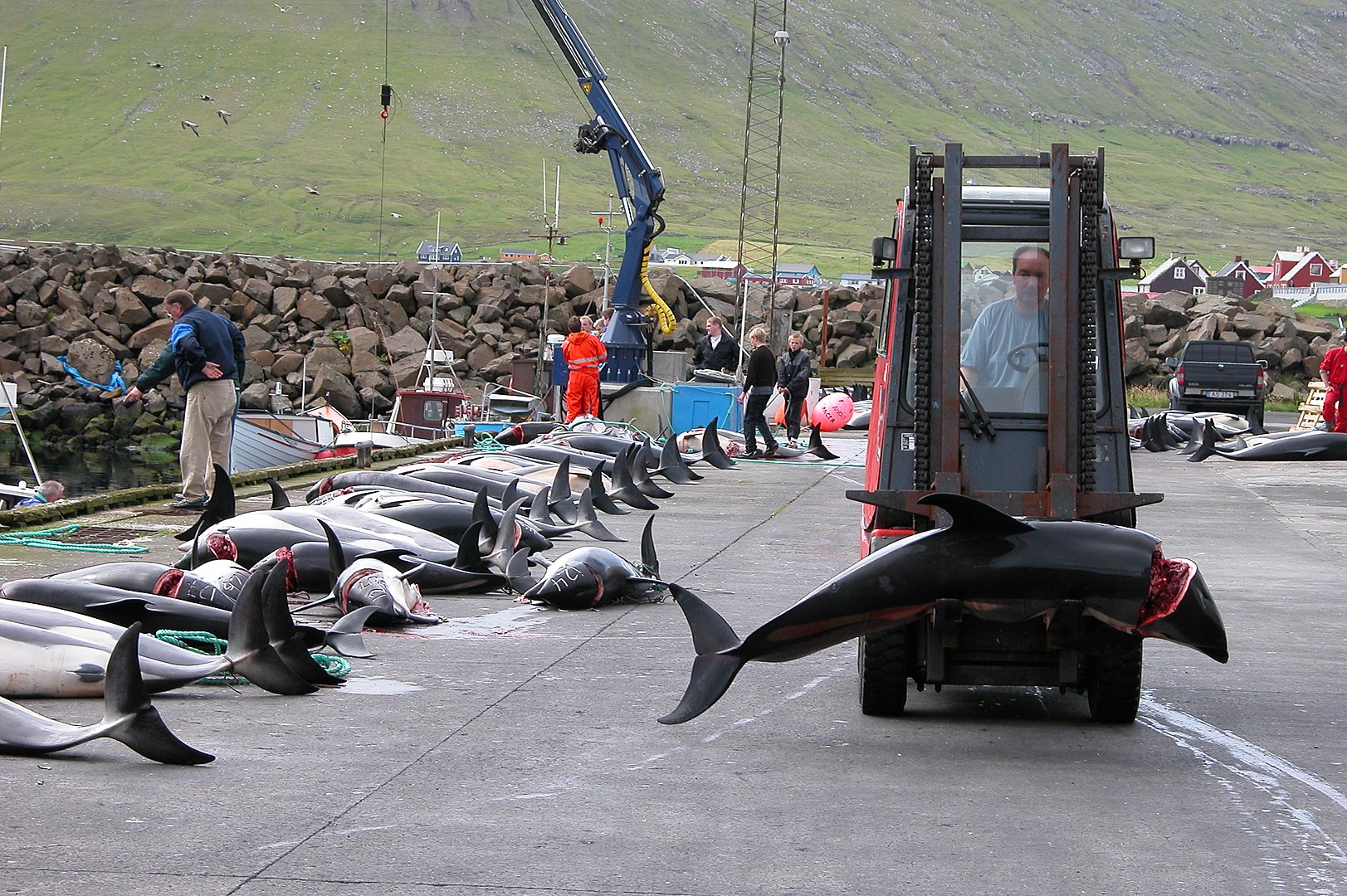
Faroese police confirmed that charges have been brought against a former district sheriff and several other officials, following an investigation into a June 2024 pilot-whale drive in the village of Hvannasund. According to police reports, 90 surviving pilot whales were left confined in shallow waters for 27 hours – contravening grind law regulations designed to reduce prolonged suffering – after more than 100 members of their pod were killed.
Authorities also noted propeller-inflicted injuries on many of the whales taken during the hunt.
The hunts – known locally as the grindadráp – take place in 23 designated bays across the islands. The practice involves driving pods of pilot whales and other dolphins toward shore with motorboats before they are killed using hooks and long knives in the surf. So far this year, more than 1,000 dolphins have been killed across 10 separate hunts – figures that exclude foetuses, calves and juveniles.
Although grindadráp hunts are legal under Faroese law, they are subject to specific regulations intended to minimise distress and ensure rapid killing. Campaigners argue that the very structure of the hunts is inherently cruel and represents a mounting pressure on local cetacean populations.
In an unprecedented response to the ongoing investigation, the Faroese Whalers’ Association has suspended all hunts in the northeast of the islands until the legal case is resolved. Conservation organisations Sea Shepherd and Stop The Grind – longtime monitors of the hunts – welcomed the development, emphasising the importance of documentation and sustained international attention.
In other news
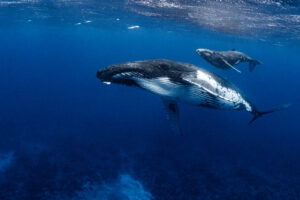
Because pilot whales and other dolphins are highly migratory, individuals present in Faroese waters may have been swimming in UK seas only weeks earlier, raising cross-border conservation concerns.
Valentina Crast, Campaign Director for the Faroe Islands at Sea Shepherd, said the charges reflect both the severity of the incident and the impact of sustained monitoring efforts.
“The presence of our dedicated volunteers, who document scenes of unimaginable animal cruelty, have made these charges possible,” she said.
“Growing numbers of people across the Faroe Islands community are appalled by these hunts, and these new police charges show that those taking part in dolphin hunts – and having no regard for the impact on marine mammals and the wider health of our oceans – cannot continue.
“However, we should not have to wait for the authorities to act. These hunts are senseless and cause untold suffering for animals. The Grind must end.”
The legal case, observers say, could set a precedent that reshapes one of the North Atlantic’s most contentious marine-mammal traditions.


"*" indicates required fields
Printed editions
Current issue
Back issues


Enjoy so much more from Oceanographic Magazine by becoming a subscriber.
A range of subscription options are available.
