Thousands bring UK's biggest ever environmental pollution case to High Court
Welsh water company and the UK’s largest chicken producers and have been accused of polluting the rivers on the Welsh-English border.
A legal claim against Welsh Water and the UK’s largest chicken producer is in the High Court today, as more than 4,500 people have made a joint legal claim attempting to stem river pollution in the Wye, Lugg and Usk rivers.
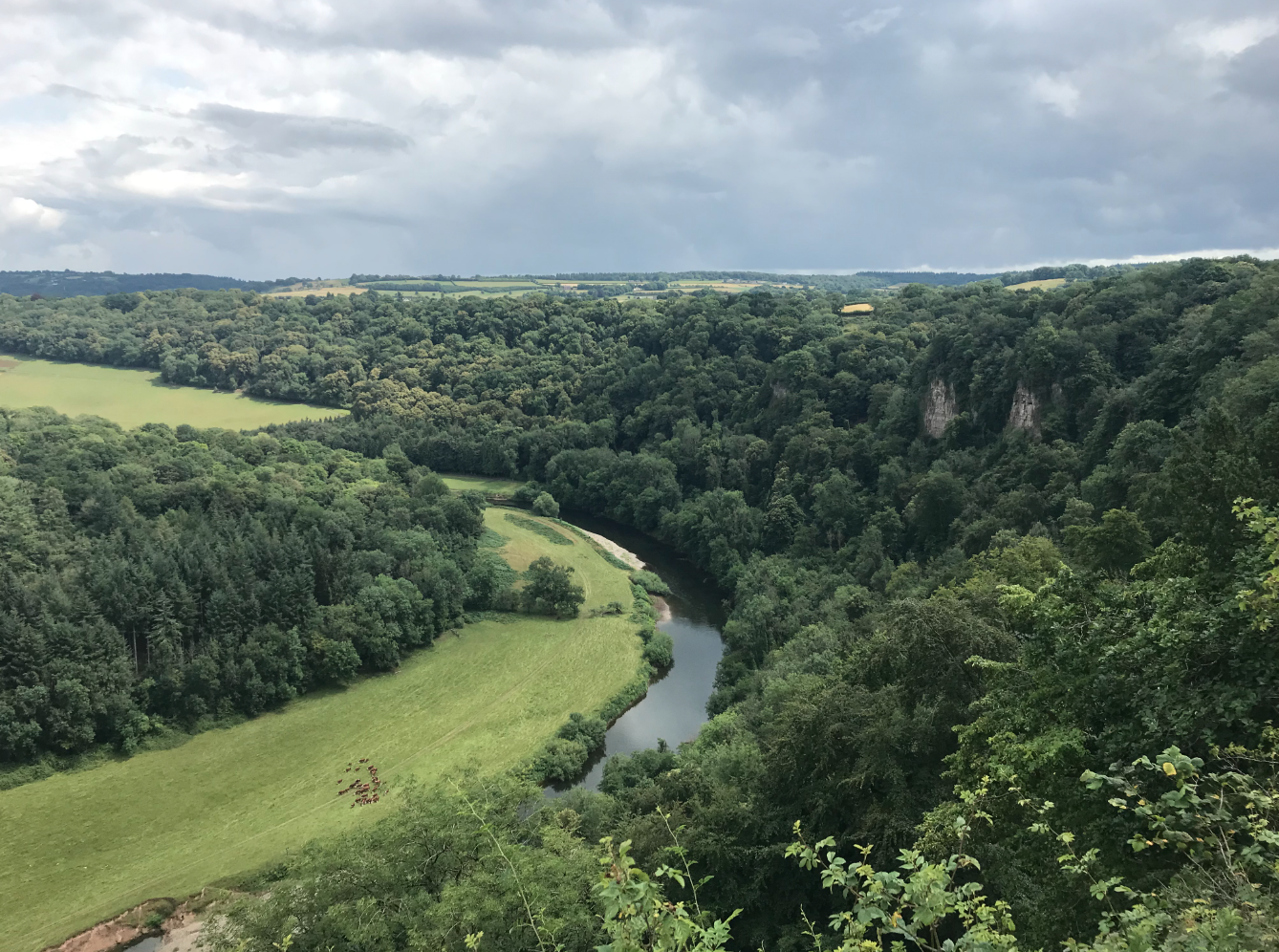
The claimants have said that run-off from chicken farms and sewage spills from Welsh water has caused high concentrations of phosphorus and nitrogen in these rivers and their catchments.
This has led to substantial growth of algae, turning the river green, suffocating fish and killing wildlife.
All three rivers are protected for their importance to rare wildlife, including otters, freshwater pearl mussels and the Atlantic salmon.
The claimants are all local business owners, residents or people who use the rivers Wye, Usk and Lugg recreationally. Their legal claim demands that action be taken to improve the state of the rivers, and compensation be paid to those whose lives and businesses have been affected.
Avara, which dominates chicken farming in the area, and Welsh Water, have respectively called the claims ‘misconceived’ and ‘misguided’.
Welsh water said it had invested £76m on reducing nutrient levels on the Wye, Lugg and Usk between 2020 and 2025 and would invest £87m more from 2025 to 2030.

In other news
The case will have its first procedural hearing at the High Court in London on Monday, and Justine Evans, the lead claimant will be there.
Legal firm Leigh Day who are representing the case, are bringing it on a no-win no-fee basis.
They said: “This is the largest legal action concerning environmental pollution ever brought in the UK. In a context where the government and regulators have failed to prevent the degradation of our rivers, the court has become the last avenue for justice.”
A Dŵr Cymru Welsh Water spokesperson said: “Protecting and improving the environment, including river water quality, remains a top priority for the company.”
“The revenue we receive from customer bills is our sole source of funding for maintaining services and upgrading our infrastructure,” they added “any financial penalties would directly reduce the funding available to invest in essential services and deliver the environmental improvements our customers expect.”
Justine Evans, a wildlife filmmaker who has worked with the BBC Natural History unit on productions including Planet Earth, Life, and Frozen Planet, told BBC News: “That just isn’t what this river should look like and feel like and smell like.”
“There’s been systemic failure going on. And so in light of that, it seemed like the only course of action was to take legal action and make polluters pay,” she added.


"*" indicates required fields
Printed editions
Current issue
Back issues
Enjoy so much more from Oceanographic Magazine by becoming a subscriber.
A range of subscription options are available.
