Iceland stands on the brink of resuming fin whale hunt
Iceland's Minister of Industries holds the fate of fin whales this summer. With a whaling ban promised for autumn, conservationists are demanding she acts now - not later.

Iceland is on the verge of resuming commercial fin whale hunting this summer, with a single ministerial decision now standing between declared government policy and what conservationists are calling irreversible harm.
Whaling company Hvalur hf. has announced its intention to hunt fin whales in 2026, despite two consecutive seasons without a hunt, a government commitment to introduce legislation banning commercial whaling this autumn, and unsold stockpiles of meat from the last hunt in 2023.
The Marine and Freshwater Research Institute (MFRI) has issued advice capping any fin whale catch at 150 animals – a reduction of roughly 20% on previous quotas – but the decision now rests entirely with Iceland’s Minister of Industries, Hanna Katrín Friðriksson.
The minister has publicly stated that commercial whaling is not in the public interest and has confirmed that legislation to end the practice will be tabled later this year. For conservation groups and activists alike, that makes any decision to authorise a 2026 hunt all the more difficult to justify.
“Not a single whale should die this summer for a practice the government itself has said it will end this autumn,” said Valgerður Árnadóttir, Chair of Hvalavinir. “Three previous ministers opposed whaling and none succeeded in stopping it. The Minister must intervene now – waiting until autumn is not good enough.”
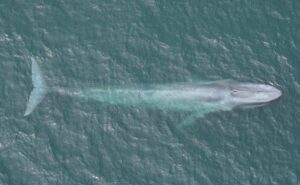
Fin whales are the second-largest animals on Earth and are listed as Vulnerable on the IUCN Red List. They play a critical role in ocean health, contributing to carbon sequestration and nutrient cycling across marine ecosystems. Iceland remains the only country in Europe that still hunts them.

In other news
An industry built on cruelty it cannot afford
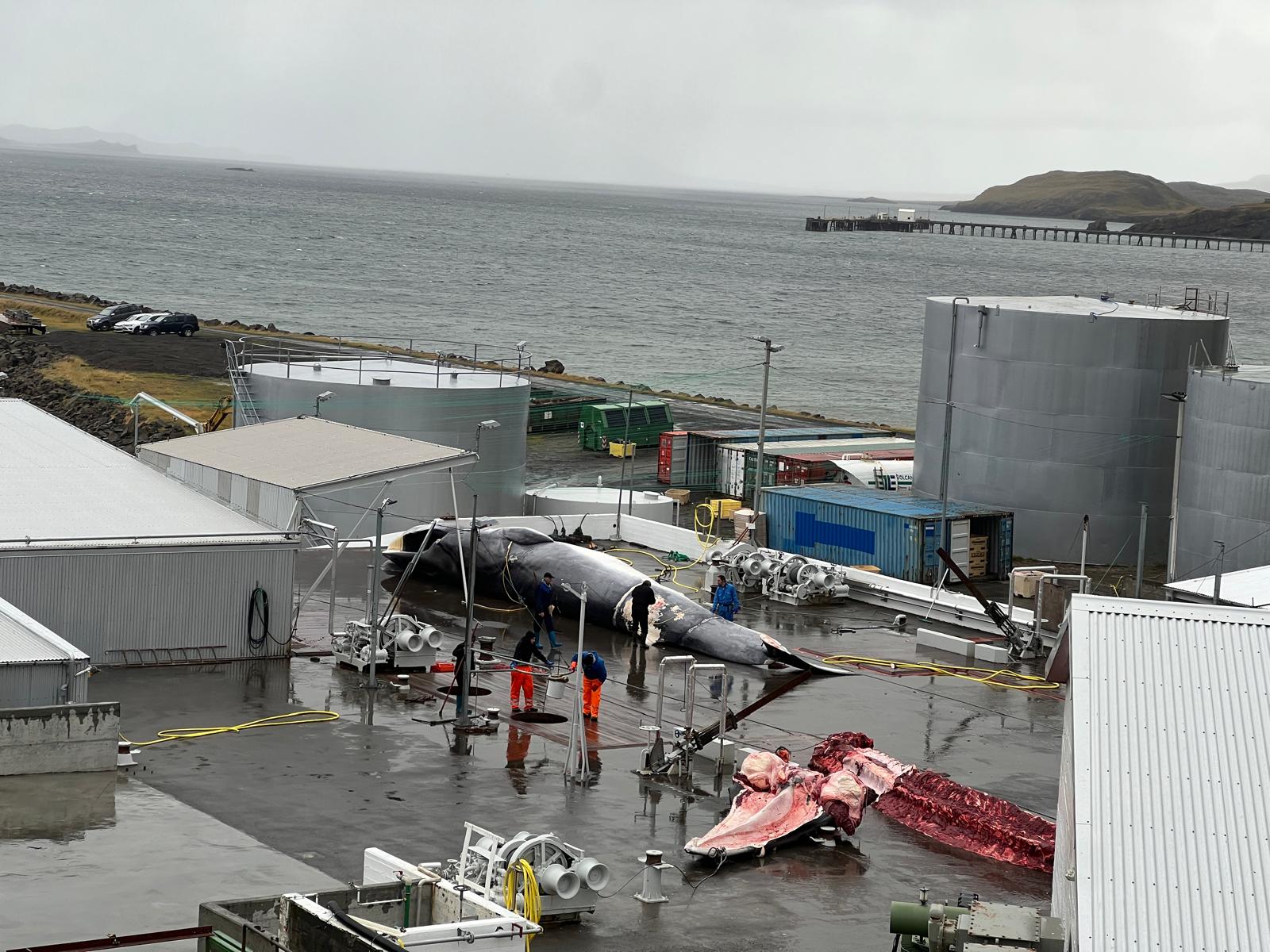
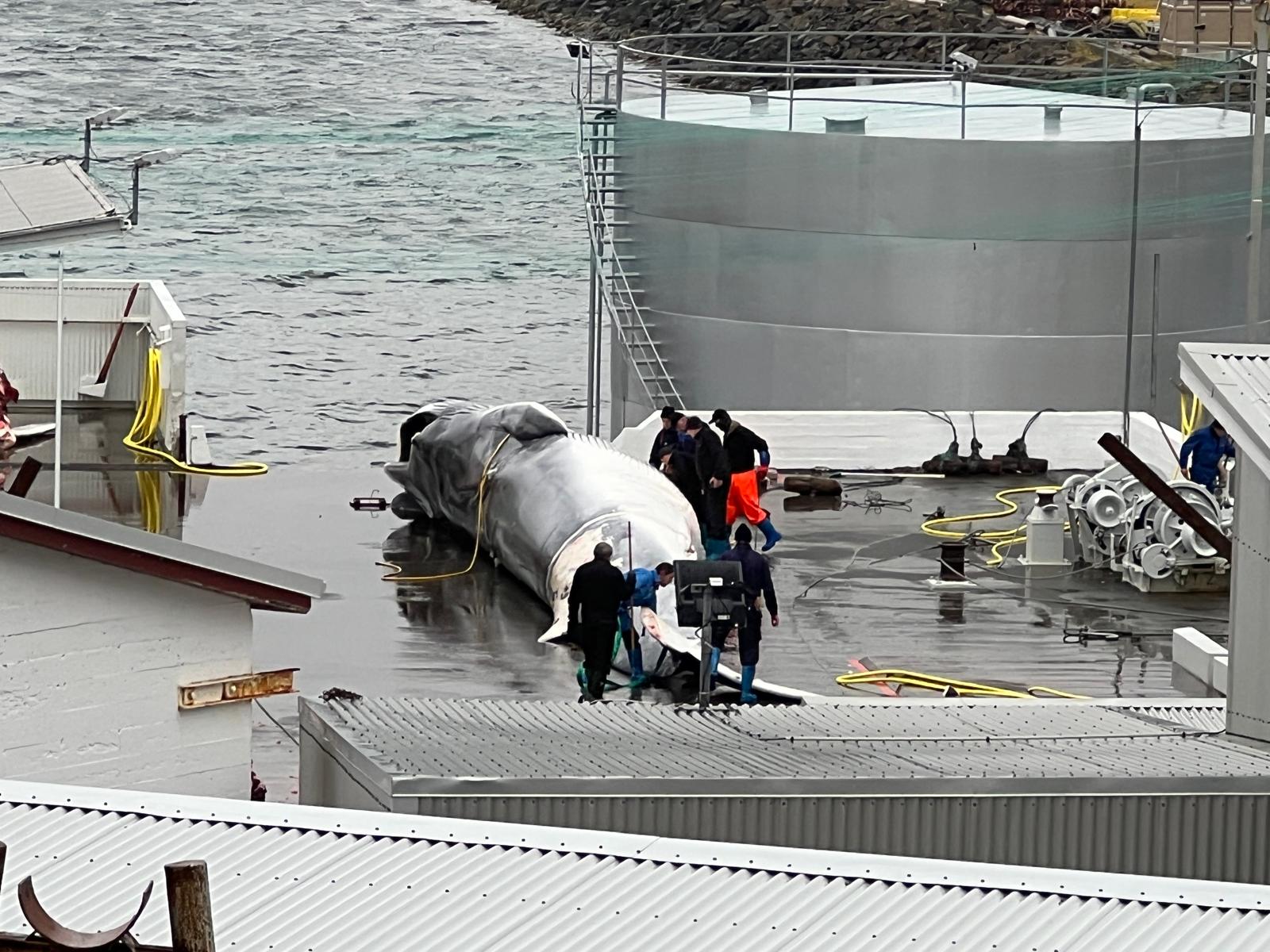
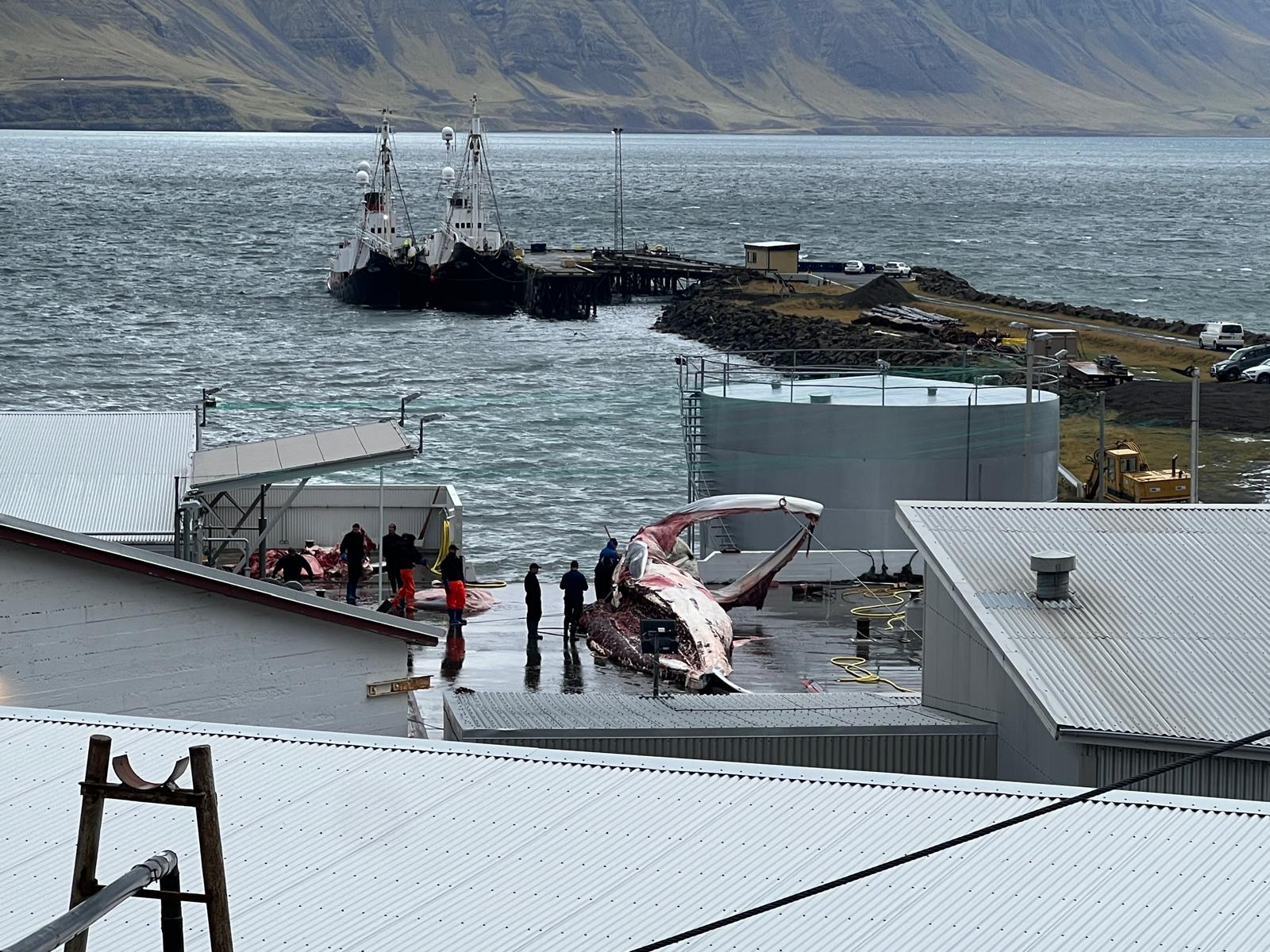
The welfare case against resuming the hunt is stark. A 2023 report by the Icelandic Food and Veterinary Authority found that 41% of whales killed that year took an average of 11.5 minutes to die, with some surviving for up to two hours after being struck. More than a quarter required a second harpoon. Iceland’s own Council on Animal Welfare has concluded that current hunting methods are incompatible with the country’s animal welfare legislation.
“One in five fin whales shot in 2023 required a second harpoon and suffered for up to 35 minutes before death,” said Luke McMillan, Head of Hunting and Captivity at Whale and Dolphin Conservation. “This is a breach of Iceland’s own animal welfare legislation.”
The economic rationale for continuing appears equally difficult to defend. Whale meat from the 2023 season remains unsold in an Icelandic warehouse. Japan, historically the sole export market for Icelandic fin whale meat, has stopped importing it, weighed down by its own stockpiles and falling domestic demand.
Between 2012 and 2020, Hvalur hf. recorded combined losses of approximately three billion Icelandic krónur – around $20 million – from its whaling operations.
By contrast, whale watching generates an estimated $26 million annually for Iceland’s economy.
“The economics don’t stack up, and the pointlessness of this hunt is stark,” said McMillan. “Iceland does not eat fin whale meat. What Hvalur produces is exported exclusively to Japan, where it sits in frozen stockpiles that nobody is buying. Live whales are worth more to Iceland than dead ones, by every measure.”
The cost to Iceland’s tourism industry
It is not only conservationists who are watching the minister’s decision with concern. Elding, one of Iceland’s longest-established whale watching operators, says the prospect of a resumed hunt poses a direct threat to the responsible tourism economy that has grown up around living whales.
“From our perspective, the resumption of whaling sends a very damaging message about Iceland’s relationship with nature and undermines the work of those in tourism and conservation who have spent years building Iceland’s reputation as a destination for responsible wildlife experiences,” Rannveig Grétarsdottir, founder of Elding Adventure told Oceanographic.
She noted that while MFRI’s updated catch advice reflects lower numbers than previously reported – due in part to difficulties in whale counting in recent years – this does not guarantee the hunt will not go ahead.
“That uncertainty is concerning in itself,” she continued, adding that whale watching now gives both locals and visitors the opportunity to experience these animals in their natural environment, and that the long-term value of protection and non-lethal use of whale populations should be given greater weight in future decisions.
Only around 1.5% of Icelanders eat whale meat regularly, and polling from 2025 indicates that a majority of the public are dissatisfied with the whaling permits issued by the previous caretaker government. More than 100 international organisations, alongside all major Icelandic organisations, have called on the government to end the practice.
A question of political will
For Icelandic environmental activist Anahita Babaei, the convergence of failed economics, welfare violations, and the minister’s own stated position makes the case for intervention unanswerable.
“Given the shaky export markets, the large stock of unsold whale meat already in storage, the documented financial losses, the serious animal welfare issues raised by Iceland’s own expert bodies, and the credible risks of the country being out of line with its international commitments, the question naturally arises: why should it be allowed? How can it be allowed at all?”
“Taking action now to stop this preventable suffering would not only be in line with the evidence that the Minister already has on her desk, but it would also add to the public trust and institutional support which are essential for the continued success of the ban in Parliament.
”Leadership at this moment can ensure that the transition away from whaling begins not later, but now.”
The pressure is also mounting internationally. The European Commission has reaffirmed the EU’s opposition to commercial whaling, and the situation has been formally raised with United Nations Special Rapporteurs in the context of environmental governance.
Legal experts have warned that continued authorisation of fin whale hunting raises serious questions under Iceland’s international obligations, not least given its 2025 ocean partnership framework with the European Union.
Whale and Dolphin Conservation is calling on Minister Friðriksson to go further than simply withholding a quota for this season.
“WDC is calling on the Minister to revoke Hvalur’s licence immediately and to begin the formal process of withdrawing Iceland’s reservation to the IWC moratorium,” said McMillan.
Hvalur hf. holds a five-year fin whale licence issued in late 2024, with a combined annual quota permitting up to 400 whales. Whether any are killed this summer now depends on one decision.


"*" indicates required fields
Printed editions
Current issue
Back issues



Enjoy so much more from Oceanographic Magazine by becoming a subscriber.
A range of subscription options are available.
