Tuna fishing gear drifts into more than half of the world’s MPAs
The GPS-tagged rafts cause entanglements and plastic pollution, which is often left to local communities to sort out.
Gear used to fish tuna is drifting into more than half of the world’s marine protected areas, damaging ecosystems and threatening marine life.
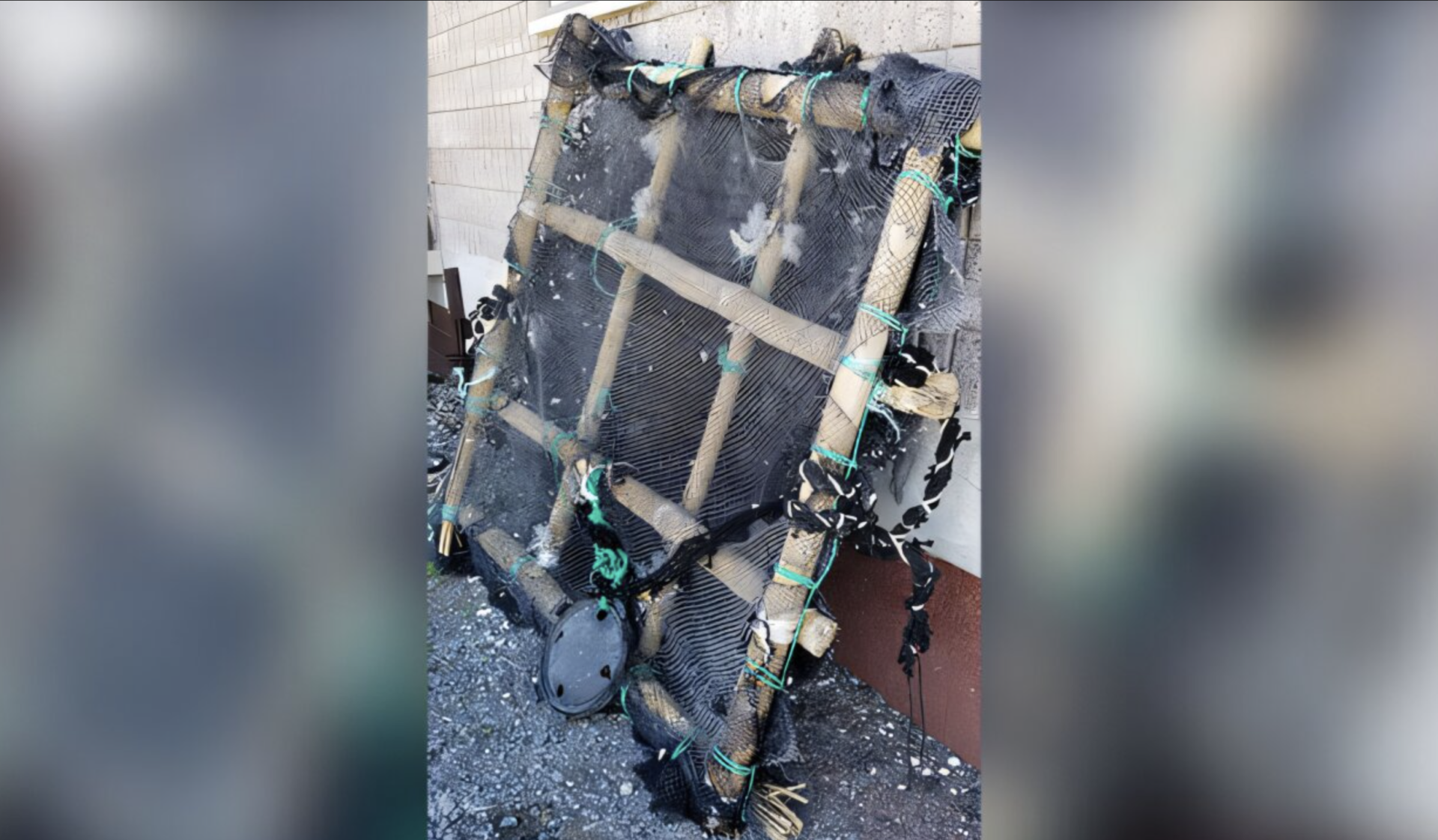
Tuna fishing fleets use floating rafts, equipped with GPS, to locate tuna. However, a new international study co-authored by a University of Hawaiʻi at Mānoa found that these devices have made their way into areas which are supposed to act as sanctuaries for marine life.
When these floating structures wash ashore or become trapped on reefs, they can damage coral, contribute to plastic pollution and entangle marine animals such as sea turtles and sharks.
Researchers found particular hotspots in the central Pacific, western Indian Ocean and Caribbean. They also documented at least 6,300 strandings of the devices in 174 protected areas across 53 maritime jurisdictions.
The study identified nearly 500 at-risk species living within protected areas where dFAD strandings have been observed.
Marine protected areas in areas like Hawaiʻi and the broader Pacific co-exist with some of the world’s busiest tuna fishing grounds.
The findings come as the future of marine protected areas has drawn renewed attention in the U.S. following President Donald Trump’s decision to lift restrictions on commercial fishing in some marine national monuments. The study itself focuses on the broader issue of drifting fishing devices crossing protected boundaries regardless of whether fishing is allowed inside those areas.

In other news


The researchers emphasised that while the fishing industry has made progress by developing less harmful and more biodegradable devices, additional steps are needed. They recommend stronger regulations, greater transparency in tracking the devices and better systems to retrieve them before they become marine debris.
The study also found that the burden of removing stranded devices often falls on local communities and marine managers, including those in small island nations that may not benefit economically from the fisheries responsible for the equipment.
An unintended reach of tuna gear John Lynham, a professor in the UH Mānoa Department of Economics and UHERO in the College of Social Sciences and a study co-author, said: “Marine protected areas are designed to safeguard ocean ecosystems, but drifting fishing devices do not recognize those boundaries,”
“Our findings show there is an opportunity for the fishing industry, governments and conservation groups to work together on practical solutions that better protect these important places,” he added.


"*" indicates required fields
Printed editions
Current issue
Back issues


Enjoy so much more from Oceanographic Magazine by becoming a subscriber.
A range of subscription options are available.
