Phytoplankton dramatically decline following El Niño arrival
These tiny marine organisms form the bases of the marine food web, their decline will have a knock on effect across fisheries and wildlife worldwide – but scientists say post-El Niño rebounds occur due to iron-rich currents and mineral dust.
Phytoplankton are undergoing a dramatic decline across the Pacific following the official arrival of El Niño, satellite data from NASA reveals.
These microscopic ocean plants produce half the world’s oxygen and form the foundation of all marine life. Satellite observations from NASA’s PACE (Plankton, Aerosol, Cloud, ocean Ecosystem) spacecraft have revealed a sharp drop in chlorophyll concentrations, the primary pigment used to measure plankton abundance, threatening ocean food webs and human livelihoods worldwide.
NASA’s satellites have also observed warmer-than-normal sea surface temperatures and higher-than-normal sea surface height along the equatorial Pacific.
In the central Pacific, north of New Zealand, phytoplankton concentrations have fallen significantly compared to conditions recorded a year ago.
Forecasters at the US National Oceanic and Atmospheric Administration expect the warming event to strengthen through late 2026, with a 97 per cent chance of persisting into early spring 2027.
Matthew Kehrli and Graham Trolley, oceanographers at NASA’s Goddard Space Flight Centre, said that during an El Niño, easterly trade winds weaken. As a result, the warm surface layer of water extends deeper, suppressing the upwelling of cool, nutrient-rich water that typically fertilises phytoplankton growth.
The impact of this subdued phytoplankton growth extends far beyond the open ocean. Phytoplankton support virtually all marine creatures, their absence triggers a domino effect up the food chain: zooplankton starve, leaving commercial fish stocks, seabirds and marine mammals without nourishment.

In other news

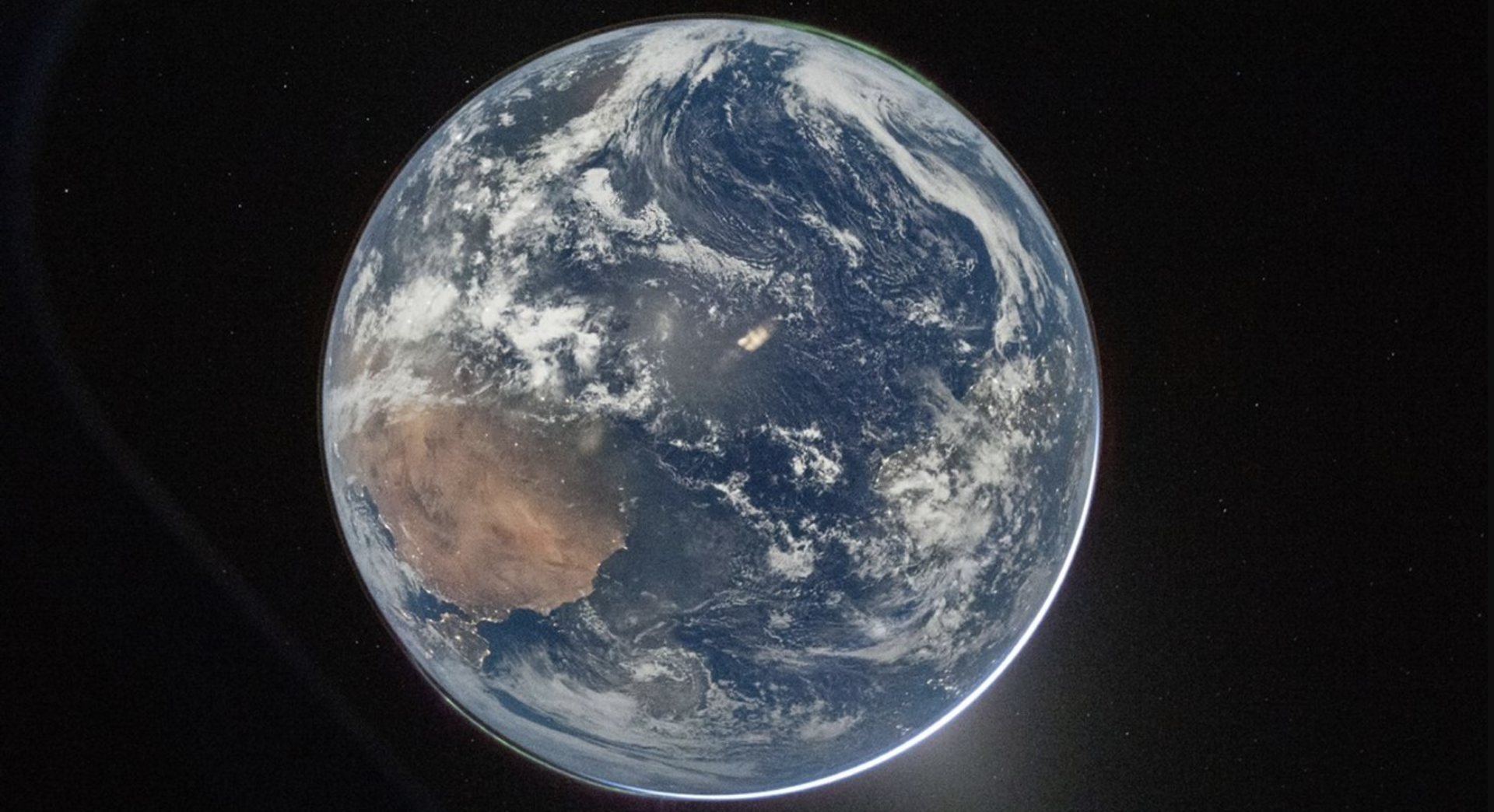
Reduced fish stocks threaten global seafood supplies and drive up consumer prices. Along the South American coast, Peru’s Ministry of Production has been forced to repeatedly suspend its anchovy fishery – the world’s largest – to safeguard dwindling stocks, while pelicans have been spotted wandering into urban ports searching for food.
Beyond immediate food security, sustained plankton losses threaten long-term climate stability. By absorbing vast amounts of atmospheric carbon dioxide, phytoplankton act as a crucial buffer against global warming; suppressing their growth weakens the ocean’s ability to pull carbon from the atmosphere.
Despite the severity, scientists note that marine ecosystems are resilient and often experience a post-El Niño “chlorophyll rebound” fueled by iron-rich currents and mineral dust.
Launched in February 2024, the PACE satellite will give researchers their first opportunity to monitor a full El Niño cycle using high-resolution hyperspectral data, allowing scientists to track how these vital organisms respond and help to further understand the direct link between ocean health and human life.


"*" indicates required fields
Printed editions
Current issue
Back issues



Enjoy so much more from Oceanographic Magazine by becoming a subscriber.
A range of subscription options are available.
