Guest column: Sounding the alarm for the Antarctic
French activist, Camille Etienne argues that krill fishing in Antarctica is escalating into an ecological crisis, with industry greenwashing, governance failures, and concentrated fishing threatening whales, penguins, and seals - despite misleading sustainability certifications and industry-led conservation narratives.
When activists recently approached a Norwegian krill fishing supertrawler in Antarctica, the krill fishers unfurled a huge banner that read: “Science First.” In an age where misinformation, mis-truths, and gaslighting has become increasingly normalised, one can understand the tactics at play.
Krill fishing companies hide behind the idea that they are “only taking under 1% of krill in the main fishing area of Antarctica”, and they, therefore, call the highly concentrated, industrial removal of a foundational species “sustainable”.
It’s even provided the blue tick standard of the Marine Stewardship Council’s certification. But an ecological crisis is unfolding in Antarctica, only worsening over the course of the last year, and we all need to pay attention. We need to sound the alarm about what is really happening.
As of last season, krill fishing has not been dispersed around the vast Southern Ocean. Supertrawlers instead race to catch as much krill as possible – and as quickly as possible – until they hit a ‘trigger limit’ of 620,000 tonnes. Vessels fish competitively under an ‘Olympic’ quota system, using a technique that one company absurdly calls ‘eco-harvesting’ [should you ever need the definition of an oxymoron].
They are therefore incentivised to fish as quickly as possible, maximising their share by concentrating fishing where the krill are most likely to be, which brings them into direct conflict with the food source of whales, penguins, seals, and seabirds. In an area considered the most environmentally sensitive and predator-rich part of the Antarctic Peninsula, krill fishing increased by a shocking 118% just last year.
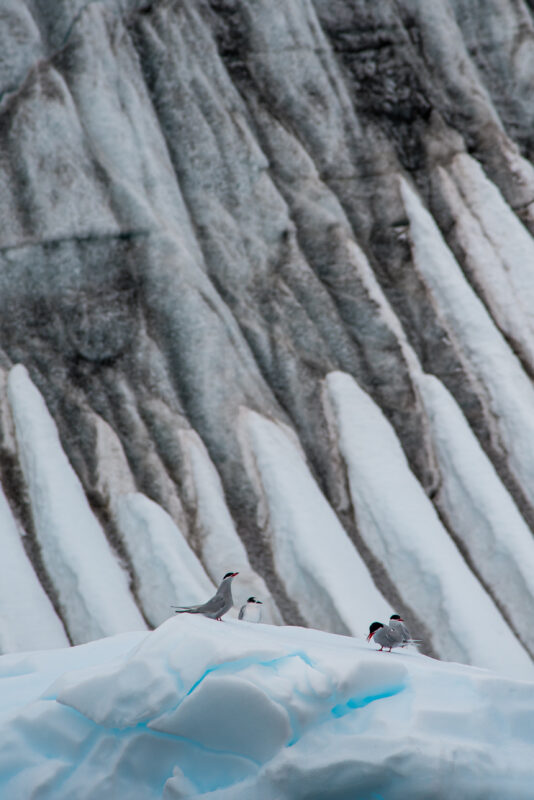
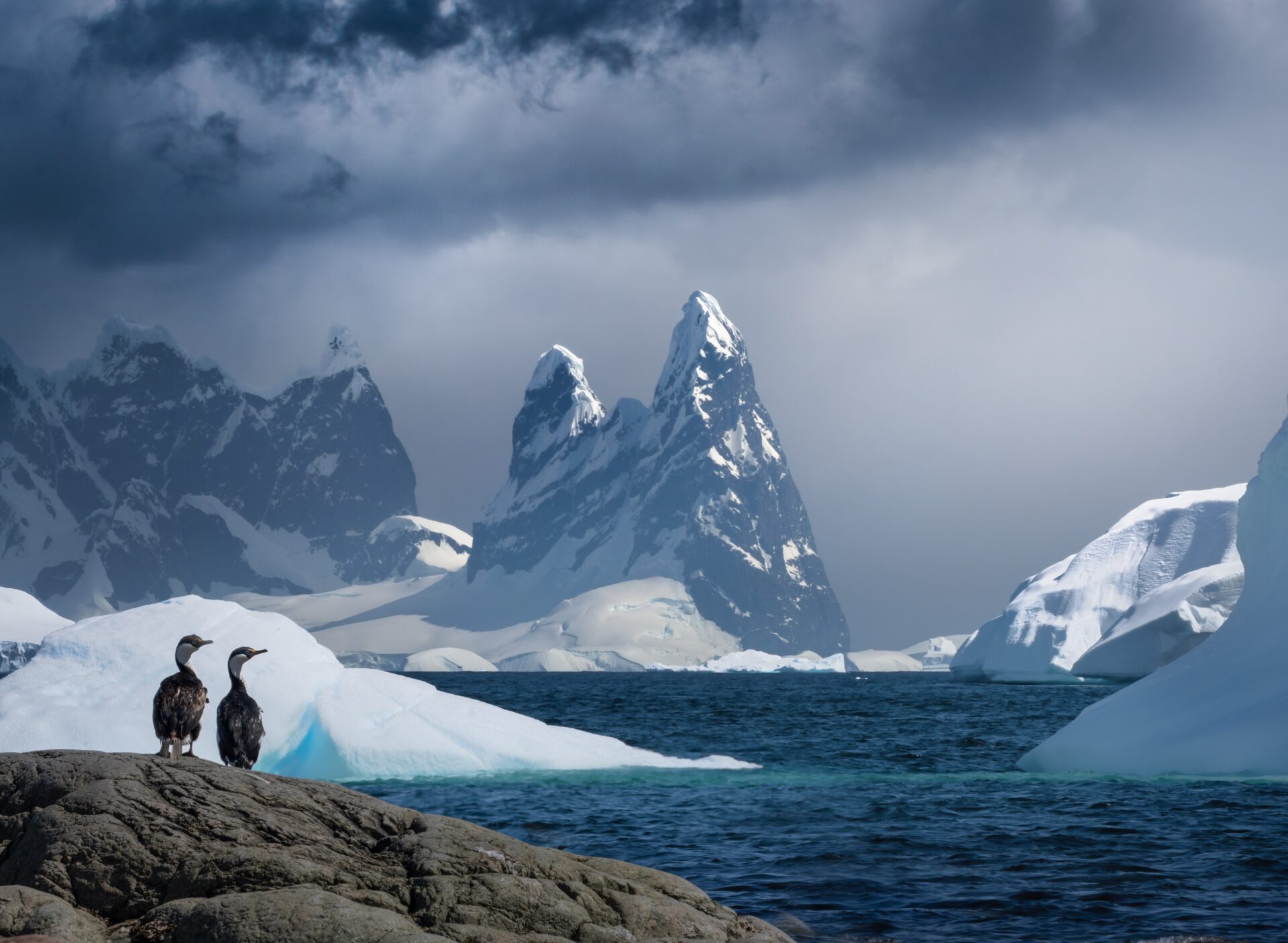
Many of you will have seen the gigantic vessels hoovering up these tiny crustaceans for the first time in Ocean by David Attenborough. I will let the following sentiments, from the mouths of the film makers themselves -those who have witnessed these scenes – resonate with you.
“We strongly believe that granting this industry a green stamp of approval risks misleading the public.”
Yet this year, Aker BioMarine and Aker QRILL Company, the Norwegian corporations that dominate the krill fishery, have received endorsement from the Ocean Stewardship Initiative, set up by King Charles’s Sustainable Markets Initiative with the Marine Stewardship Council, whose standards a third party was assessing the sustainability of the krill fishery against, at the time.
Fishing industry news has – rather delightedly – shared that they want to ‘use’ Antarctica as a model for how marine conservation should be done. But it’s hard to accept this – even though some conservationists seem to – for several reasons.
Firstly, it was alleged the Norwegian government did not support the Antarctic Peninsula marine protected area at the annual meeting of the Convention for the Conservation of Antarctic Marine Living Resources (CCAMLR) last year. They instead – reportedly – put forward a proposal to massively increase krill fishing quota to over one million tonnes.
This would, of course, render all those warm, public words of an ‘industry invested in marine protection’ completely and utterly contradictory to the real-world actions of its country level negotiators. Is the government going against the wishes of the very company that makes up 100% of its commercial industry?
This attitude towards Antarctica should come as little surprise. The Norwegian government, of course, still enables whaling while the country’s approach to salmon farming – and the ecological fallout witnessed from it – has gained something of an international notoriety.
The same dichotomy between private actions and public messaging are true of Kjell Inge Rokke – the majority owner of Aker ASA – who profits from the exploitation of the Antarctic ecosystem while putting huge quantities of money (and estimates suggest this is at least $500 million) into ocean research with Rev Ocean.
Aker BioMarine points to its ‘sustainability’ label provided by the Marine Stewardship Council. The MSC, whose external bodies have recently certified krill fishing as sustainable, does not account for food web competition or the impacts of climate change. Furthermore, its certification does not account for this focusing of industrial effort. Despite the expiration of spatial catch measures under CCAMLR since its last certification, the MSC is now proposing higher sustainability scores. CCAMLR’s own Scientific Committee called the catch last year “not precautionary”. That – I think we all know – is scientific shorthand for ‘ecologically damaging’.
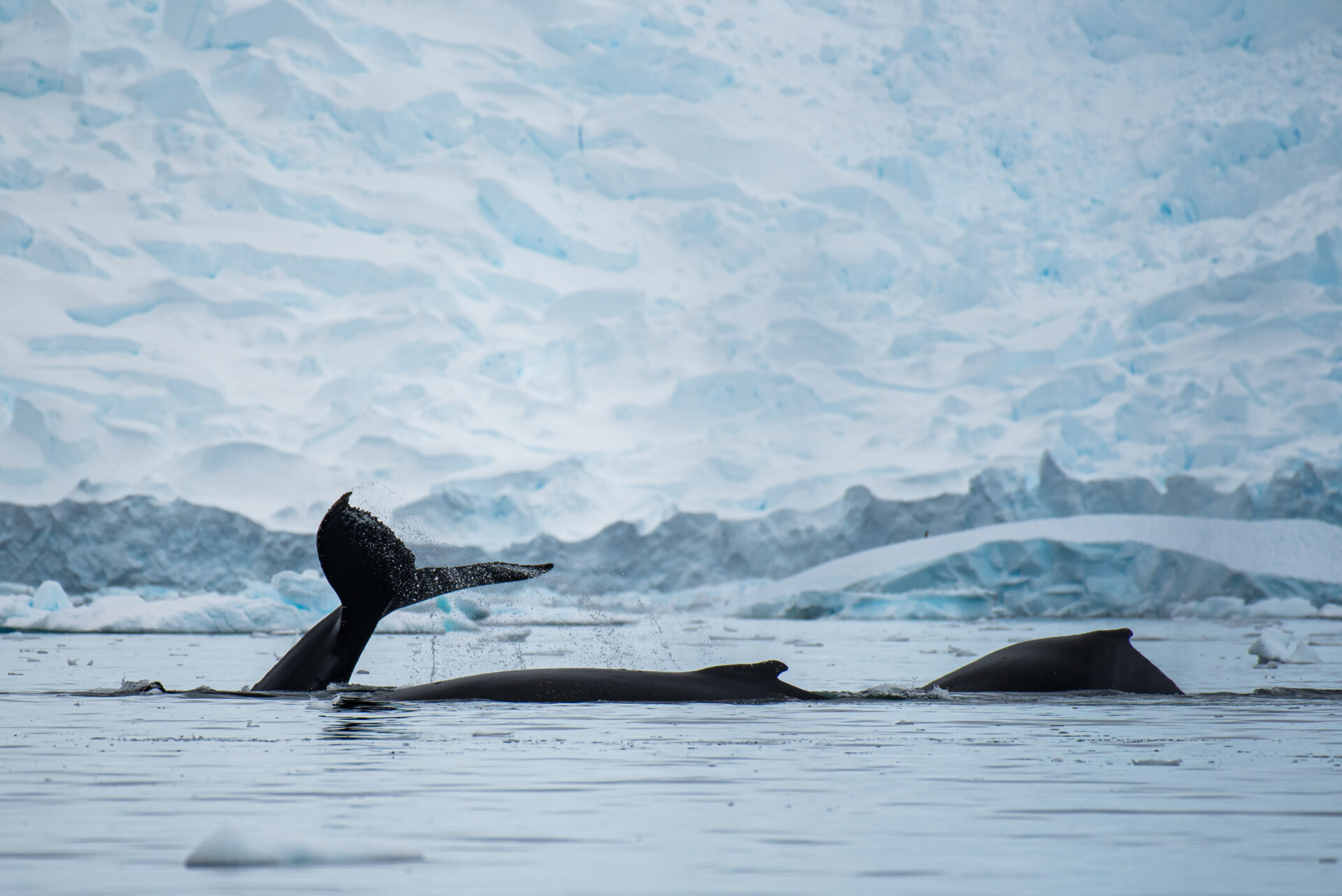
Finally, the MSC is advising the Ocean Stewardship Initiative, even while its certifier has been assessing the fishery of the founding industry partners, Aker BioMarine and Aker QRILL. Surely this raises a governance question?
If the fishery is found to be ‘unsustainable’, does this not create a serious reputational risk for everyone involved? And not just those putting their profiles and names behind the initiative, but also for the King himself? Is the MSC objectively certifying the fishery in the changing context detailed above?
The great risk that this initiative is running is that the krill fishing industry simply wants access to more krill.
The marine protected area around the Antarctic Peninsula is able to be used as a bargaining chip to secure this outcome. Aker BioMarine and Aker QRILL have been advocating for a major revision of the krill management approach – one that would lead – unsurprisingly – to higher allowed catch levels over time.
As conservationists we should not look past the ecological impact of this.
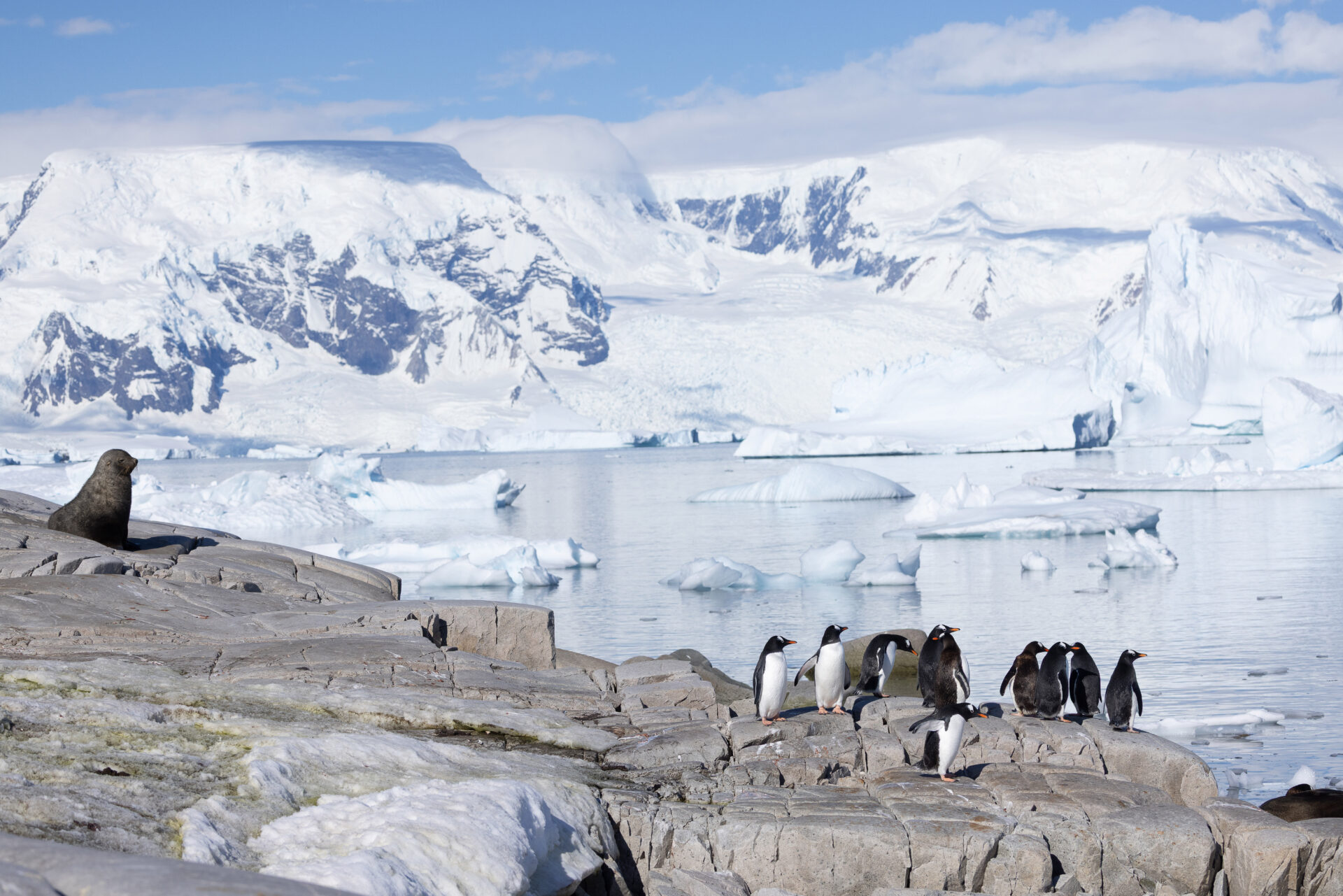
A 2024 Nature study led by Matthew Savoca and colleagues examined the relationship between krill availability and recovering whale populations in the Southern Ocean. It found that existing krill biomass is unlikely to support both an expanding fishery and the continued recovery of baleen whales. Other studies have indicated similar trends and results for gentoo penguins and other species that feed on krill. Penguin colonies experience lower breeding success; whales expend more energy to find food. The effects are not evenly distributed, and they are not captured in the aggregate statistics pushed around by corporate claims.
And if further proof is needed, then surely the International Union for the Conservation of Nature’s (IUCN) recent reclassification of Emperor Penguins and Antarctic Fur Seals as ‘Endangered’ is a stark warning of an ecosystem in trouble.
This is not a theoretical concern. It is an emerging ecological conflict and a crisis happening under the guise of sustainability. Marine protected areas and fisheries management are not interchangeable tools. One does not compensate for the other. If extraction increases in the areas that remain open to fishing, the net effect on the ecosystem may still be negative.
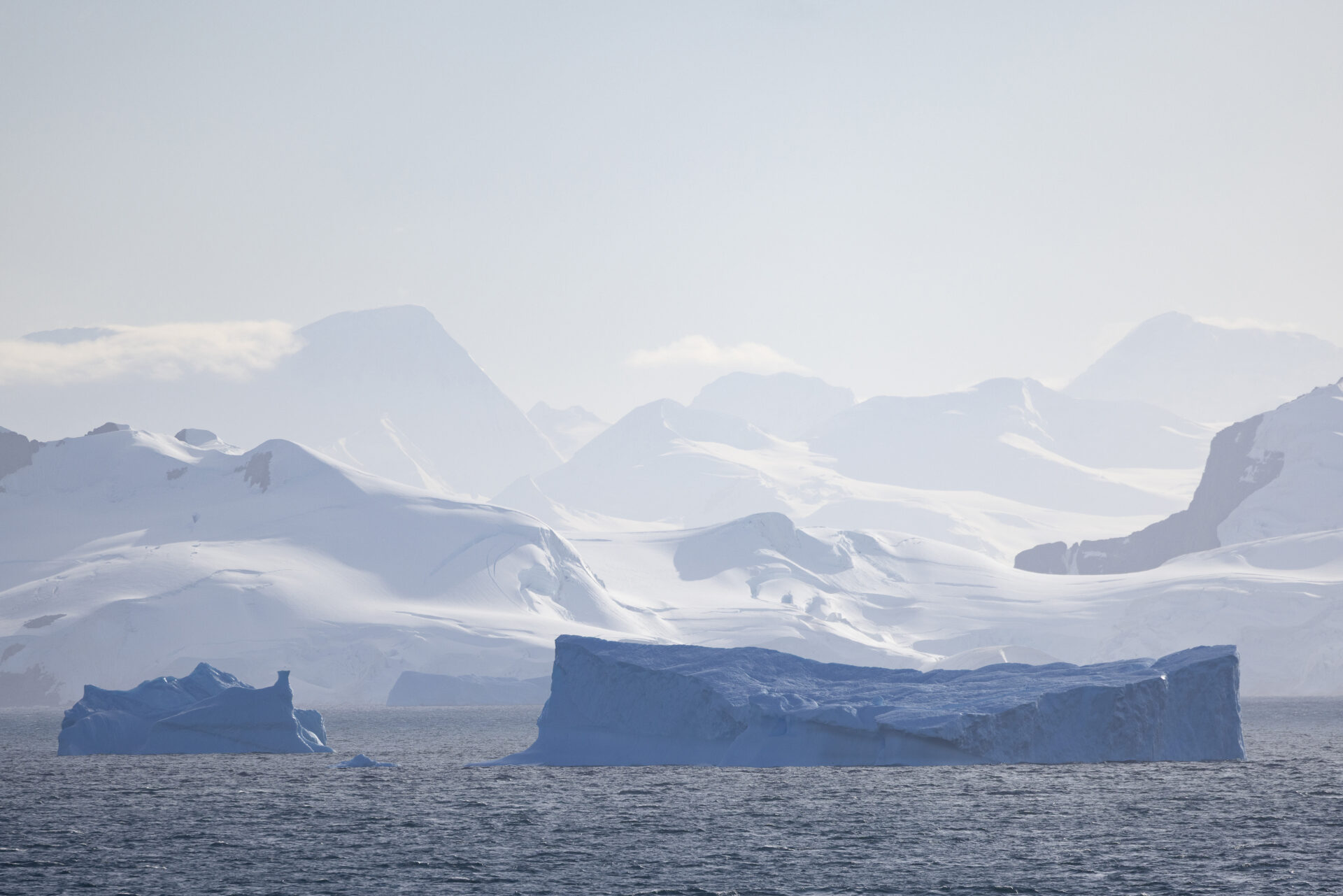
Argentina, Chile and other Antarctic champion countries have been trying to negotiate the MPA proposal within CCAMLR for more than a decade. Industrial actors should not – in any way, shape, or form – be defining the terms of those decisions.
When businesses that dominate a fishery also shape the narrative around what constitutes “science based management,” the boundary between evidence and lobbying becomes blurred. The krill fishing industry has just been given a huge boost, with much greater access to krill and loss of spatial measures to disperse the fishing effort. The idea that there should now be a further compromise, that the industry should be allowed to take even more krill, is alarming.
The debate over krill fishing is often framed as a question of balance between use and conservation. A child looking at Antarctica would ask the question: why are the krill fishing trawlers there in the first place? On a continent devoted to peace and science, where the land is protected from extraction, why is this industrial exploitation permitted at sea for the benefit of just a few companies?
At this year’s annual CCAMLR meeting in Hobart, the countries who can find consensus must make these decisions for the future of the world, without caving to industry demands.
This Guest Opinion has been written for Oceanographic by the French Activist and Ambassador for Under the Pole’s 2026 Antartica Expedition, Camille Etienne.
Printed editions
Current issue
Back issues


Enjoy so much more from Oceanographic Magazine by becoming a subscriber.
A range of subscription options are available.
