"Conservation has a blind spot - and it's the individual"
Marine biologist and scientific writer, Emilio José Serrano Loba draws upon his experiences in academia, scientific diving, and work with several international interventionist NGOs to reflect on whether the most immediate impact we can have is through our perspective on the individual?
How much is the life of an individual worth? Let me put it another way. In conservation – a term that hardly needs defining, though perhaps it does need rethinking – we tend to regard individuals as pieces of a larger puzzle. Whether that puzzle is framed as a species, an ecosystem, a biome or any other construct with which we try to make sense of nature, we place individuals within a greater whole.
Often, this conservation lens is genetic in focus. Now, whether that makes it Darwinian or not is an argument best left for another article. But what happens in the frantic race to save species from extinction? Or, to be more honest, to keep fisheries within viable margins?
The truth is that in our attempt to preserve a particular genetic and functional assemblage, we often subordinate the incalculable value of the individual. In the pursuit of protection, research or salvation of a species, we seem to forget what makes an individual a singular being with a right to life.
Yes, we will assume here that animals have rights; legislators, after all, move slowly, or indifferently, or both. Almost Machiavellian in our intentions, we impose our ends upon the identity and lived experience of another creature – even upon its charisma – reducing the significance of its life to something akin to the nine characteristics outlined by NASA: pain, learning, memory, pleasure, the sense of belonging to a social structure (this last one not yet actually considered by the space agency) all of which fade under the weight of our voracious plough of environmental management.
And a plough really is an apt metaphor in marine conservation. Let us stop pretending that fisheries, ecology and conservation are disconnected worlds. Our current approach to fisheries management is little more than a reworked version of agricultural and silvicultural management. We have tried to change this for years. But the problem does not lie in numbers, processes or statistics. It lies in how we conceive of life. And this perspective seems intrinsic to us.
Life becomes another tool, regardless of the comfort of our chairs, the emissions of our cars or the affection we have for our dogs. We are utilitarian beings. For this reason, when a scientist, an NGO, or an ordinary citizen engages with conservation, they will – we must admit – approach the issue like farmers. Farmers – better or worse educated, equipped with more or fewer resources, but farmers nonetheless – are producers. And a producer, though arguably more constructive than a mere consumer, is still far from any kind of saviour figure. To an animal on the edge of life and death, its species matters no more than the one alongside it in the web of life.
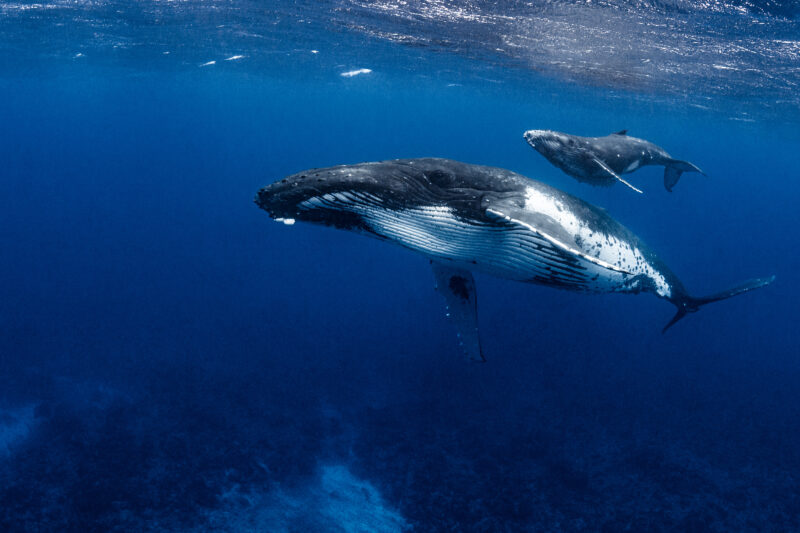
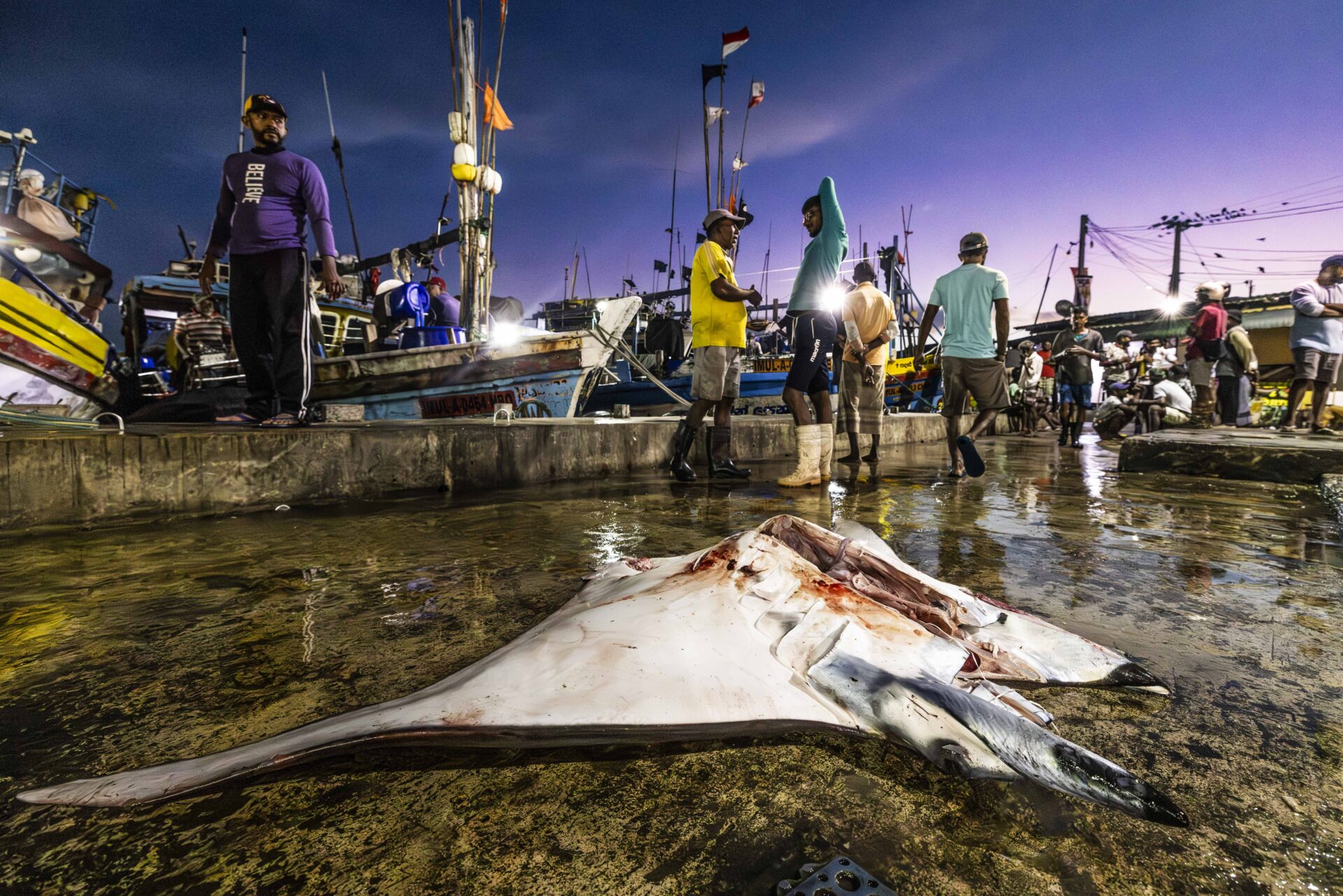
Yet we make the decisions for them. How many losses are acceptable? How many individuals can be harvested? How many deaths can we absorb? By what criterion? Science, presumably. Science does not fail, does it? We heard it repeatedly in school, so it must be true.
But I invite you to reflect: the death of an animal is not something to be assumed as lightly as a surcharge on an appliance; the extinction of a species is a tragedy. Meanwhile, in society the death of a human being is a catastrophic event that transcends cultural or linguistic barriers – something that cannot be undone at any level (our current judicial systems aside).
Two threads appear here: the first is the double standard between humans and other animals, though this lens would help illustrate the idea that we tend to value higher organisational units above the lower ones (organism above cell, species above organism, humans above other species). The second is that, whether for ethical or practical reasons, if we care so deeply about the extinction of species, how is it that this intricate web of biomes has not long collapsed? Why are there not funerary cults dedicated to the constant disappearance of life, given that over 4.5 billion years, an estimated 99.99% of all species – billions of them – have gone extinct?
It’s worth noting that we cannot know the exact number of species that have vanished from Earth, but we do know that extinction is constant. The disappearance of entire lineages is entropy, thermodynamics, logic and therefore ecology. The suffering of individuals – so often given marginal importance in the grand narrative of salvation – may in fact be the most immediate concern, simply because it is the only one we, as conservationists (preservationist, in my case), are truly equipped to alleviate.
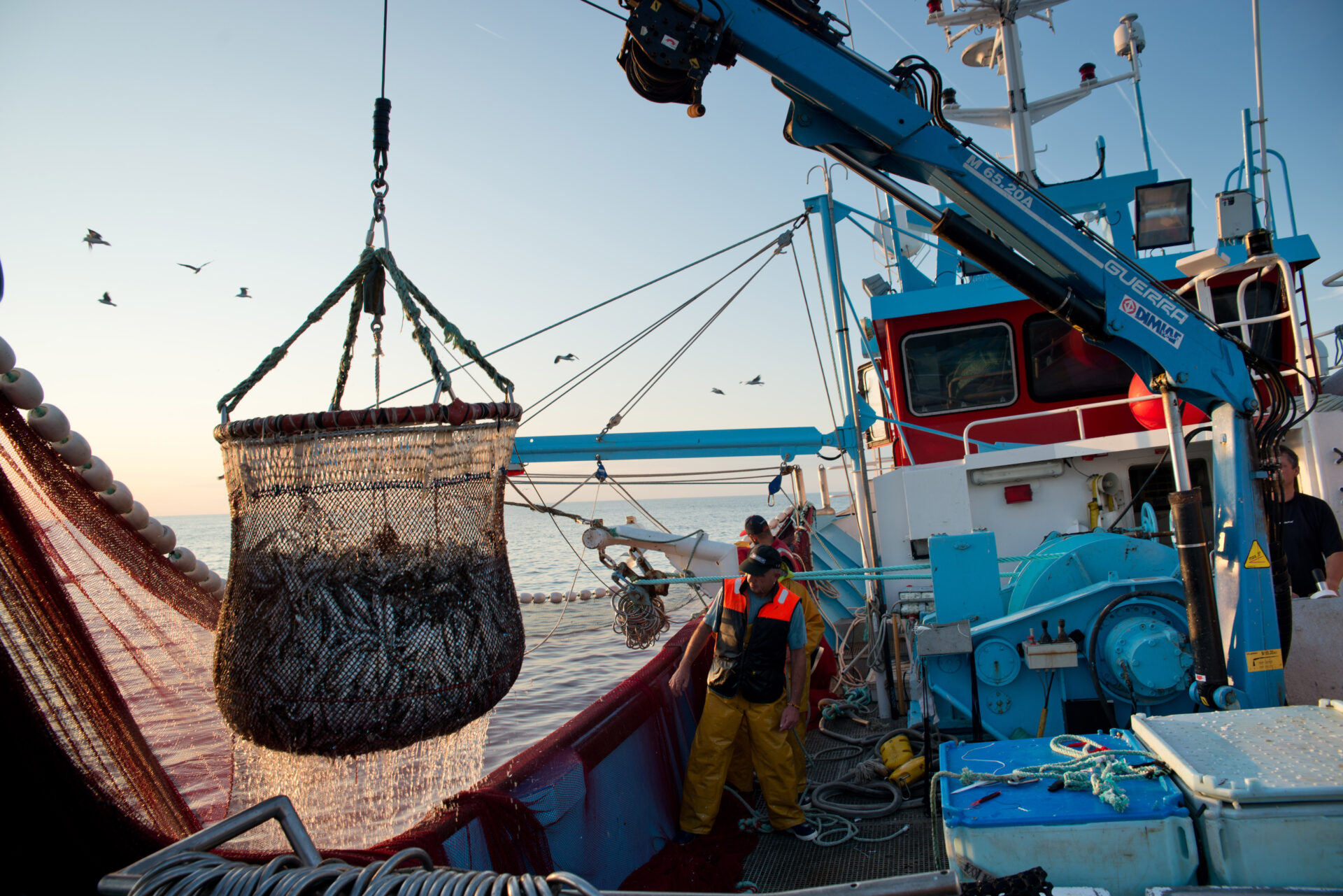
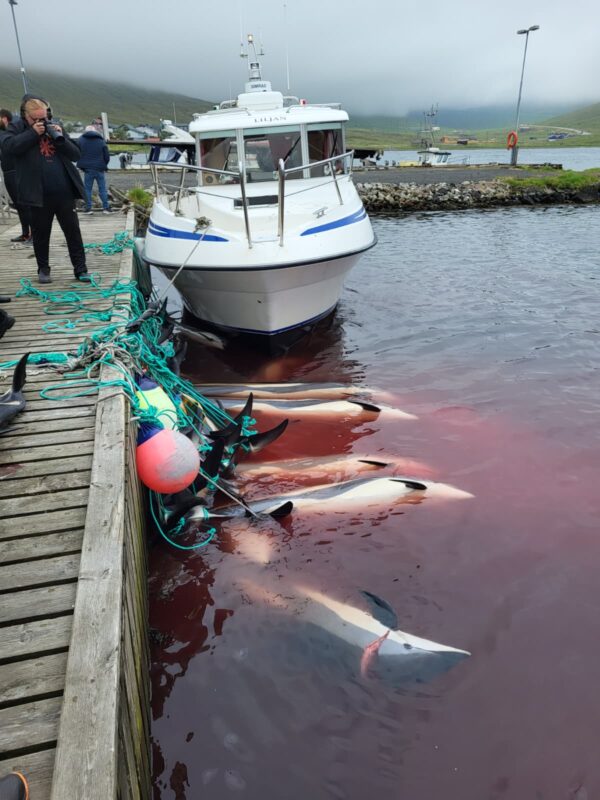
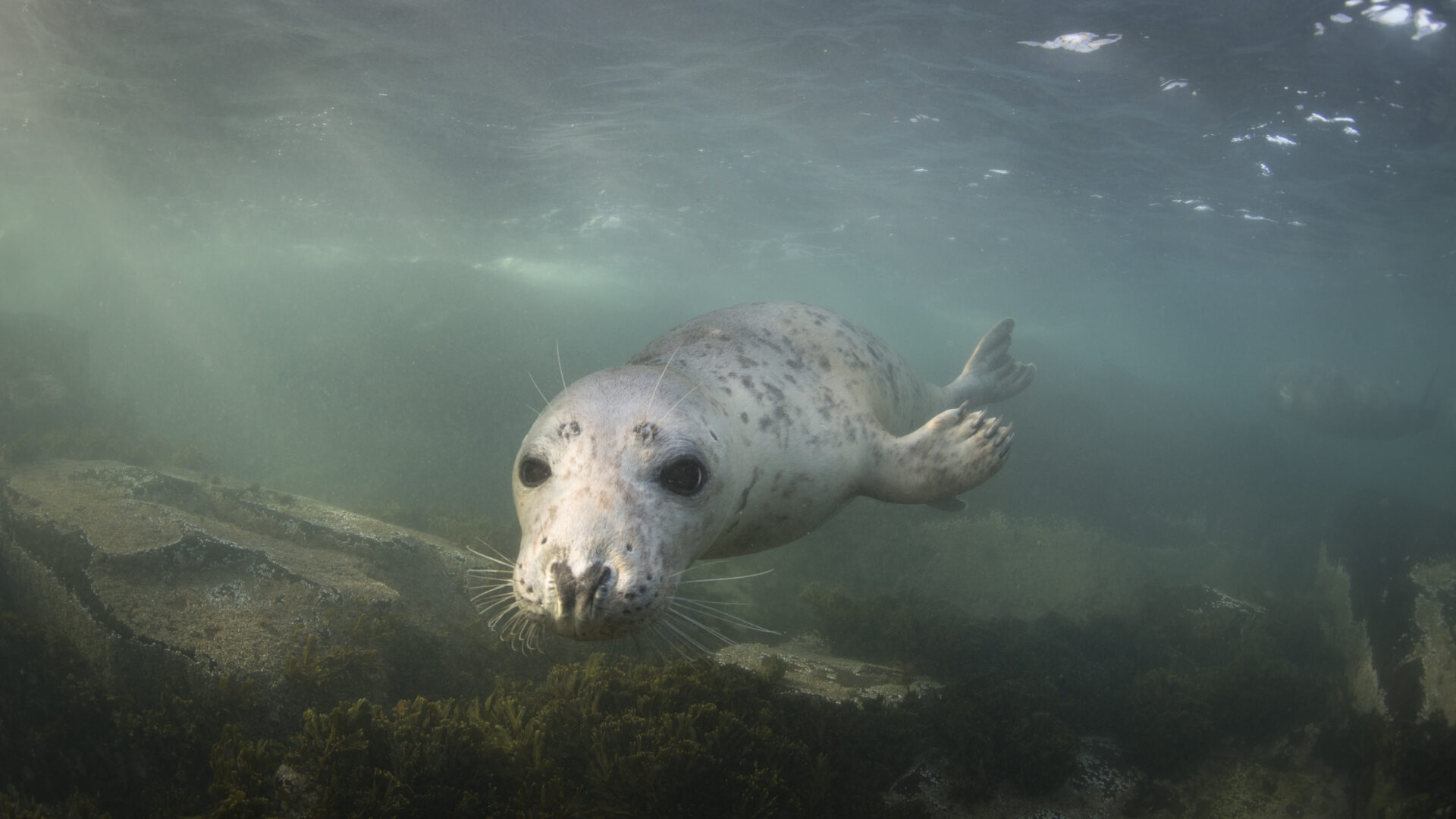
Abstract: Is the survival of a species more important than the welfare of the individual? At what point – since such a point is rarely considered – should we decide whether the individuals we study, rescue, isolate, place in captivity or otherwise manipulate are living out their time subordinated to what we deem a higher purpose, assigned by a species not so different from them? Are they free animals, or livestock? Property, or not? These are not light questions, and they require a certain cold clarity to answer and to accept what those answers imply about us as a species.
Many conservationists will struggle with this more than others, but here is a spoiler: we are not beings of light, not fairies; we do not float above the ground, nor drive without burning the carbonised remains of ancient organisms, however much we might wish otherwise.
And in all this, it is not only our extractive approach to the oceans, nor the framework of speciesism, nor the eager dance we perform around whoever funds our “research”.
Academia – deep as my affection for it runs – is a vast bureaucratic machine that influences and distorts the work of research and conservation teams in unpredictable ways, like a premature gust entering the butterfly effect, or a Lorenz attractor stumbling upon a pea at its very core.
We are ants – not in a derogatory sense, but in the sense of needing organised purpose. I am not sure our society is more complex or sophisticated than theirs. I am not sure what the entomologist and ethologist Deborah M. Gordon would say. But the essential point is that we need things to do. And to do them, we build structures around which we organise our actions. These structures require rules, resources, workers; they demand interactions with parallel structures. And at some point, the true purpose becomes blurred because we are too occupied, because each new idea seems shinier than the last.
Meanwhile, there are lives – lives we have taken it upon ourselves to be responsible for, without right or obligation – that watch their days pass merely as anecdotes in someone else’s narrative.
This seemingly simple idea has sunk more than one NGO, and it quietly consumes academic and environmental institutions. And it leads us to ask, inevitably, whether it is in our nature – not in our power, for power is imagined – to save anything larger than an individual?
About the author
Emilio José Serrano Loba is a marine biologist and writer whose work explores Large Marine Vertebrates ecology, fisheries science, chaos and the hidden dynamics of the deep ocean. With conservation experience ranging from cold waters to tropical and remote environments, he works across scientific diving, acoustics and remote sensing, and has collaborated with several international interventionist NGOs.
His interests span chaos, extinction and the patterns that underpin marine ecosystems. Emilio is committed to making science accessible through workshops, popular science writing and award-winning children’s books.

Printed editions
Current issue
Back issues
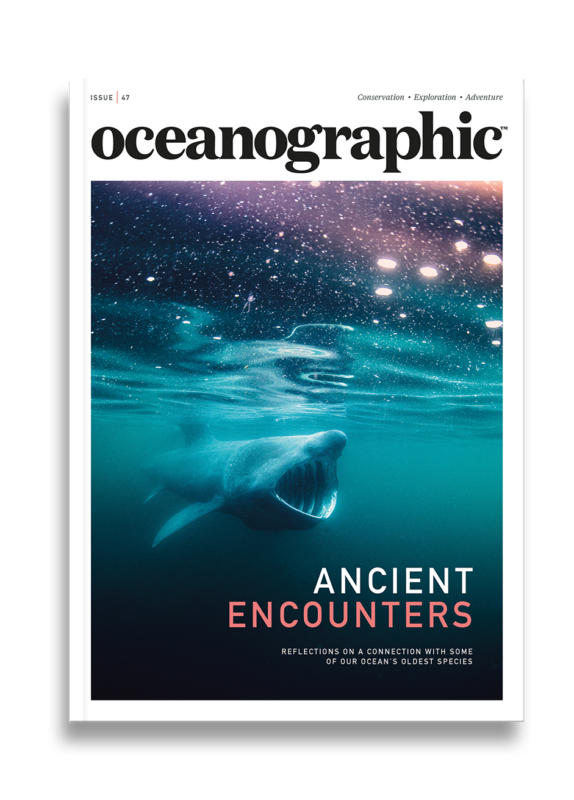
Enjoy so much more from Oceanographic Magazine by becoming a subscriber.
A range of subscription options are available.
