Guest column: The Caribbean's reefs aren't lost yet
Caitie Reza and Francesca Virdis of Reef Renewal Foundation Bonaire argue that coral restoration is not a substitute for climate action, but an essential bridge that buys reefs time while systemic change catches up.
It was only last year that Florida’s iconic branching corals were declared functionally extinct, marking yet another stark milestone in a crisis unfolding across the Caribbean where reefs that once powered coastal economies are collapsing at a pace few believed possible. Consecutive mass bleaching events, local collapses of key coral species, and new global analyses show that hard coral cover has fallen to roughly half of what it was just four decades ago.
This is no longer a distant warning. Florida may have captured headlines, but the same trajectory is playing out throughout the region.
Bonaire, long regarded as home to some of the Caribbean’s healthiest coral reefs, has felt the impacts of the reef crisis acutely. Coral cover plummeted following the arrival of a lethal coral disease in early 2023, compounded by record-high sea temperatures in late 2023 and 2024. Last year, an estimated 84% of corals were impacted by bleaching, compared to just 25% in 2016.
For an island fuelled by tourism and deeply connected to the sea, the shift has been fast and unmistakable. What comes next for coral reefs, however, is not inevitable. But it does depend on the actions we take today.
Global climate action is non-negotiable when it comes to combating reef degradation. This includes rapid reductions in greenhouse gas emissions alongside adaptation and resilience measures such as stronger marine protections, improved coastal and wastewater management, and enforcement against pollution and overfishing. Yet mitigation alone cannot reverse the damage reefs are experiencing today. While we abate the stress facing these ecosystems, active coral restoration plays a distinct and urgent role in their recovery.
Tali Vardi is the Executive Director of the Coral Restoration Consortium, a group uniting practitioners, managers, and community leaders in restoring coral reefs around the world. It’s her belief that achieving success in the work to stem the impacts of climate change will only come from systemic overhaul.
“When ecosystems are collapsing, we don’t have the luxury of choosing between long-term solutions and immediate actions,” she says. “It’s like responding to childhood hunger. We need to work to fix the systems that caused it, but you also feed the children in front of you. Coral restoration is how we keep reefs alive while we address the larger forces driving their decline.”
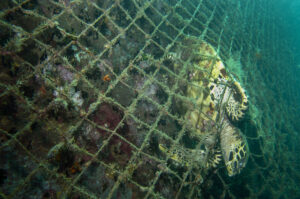


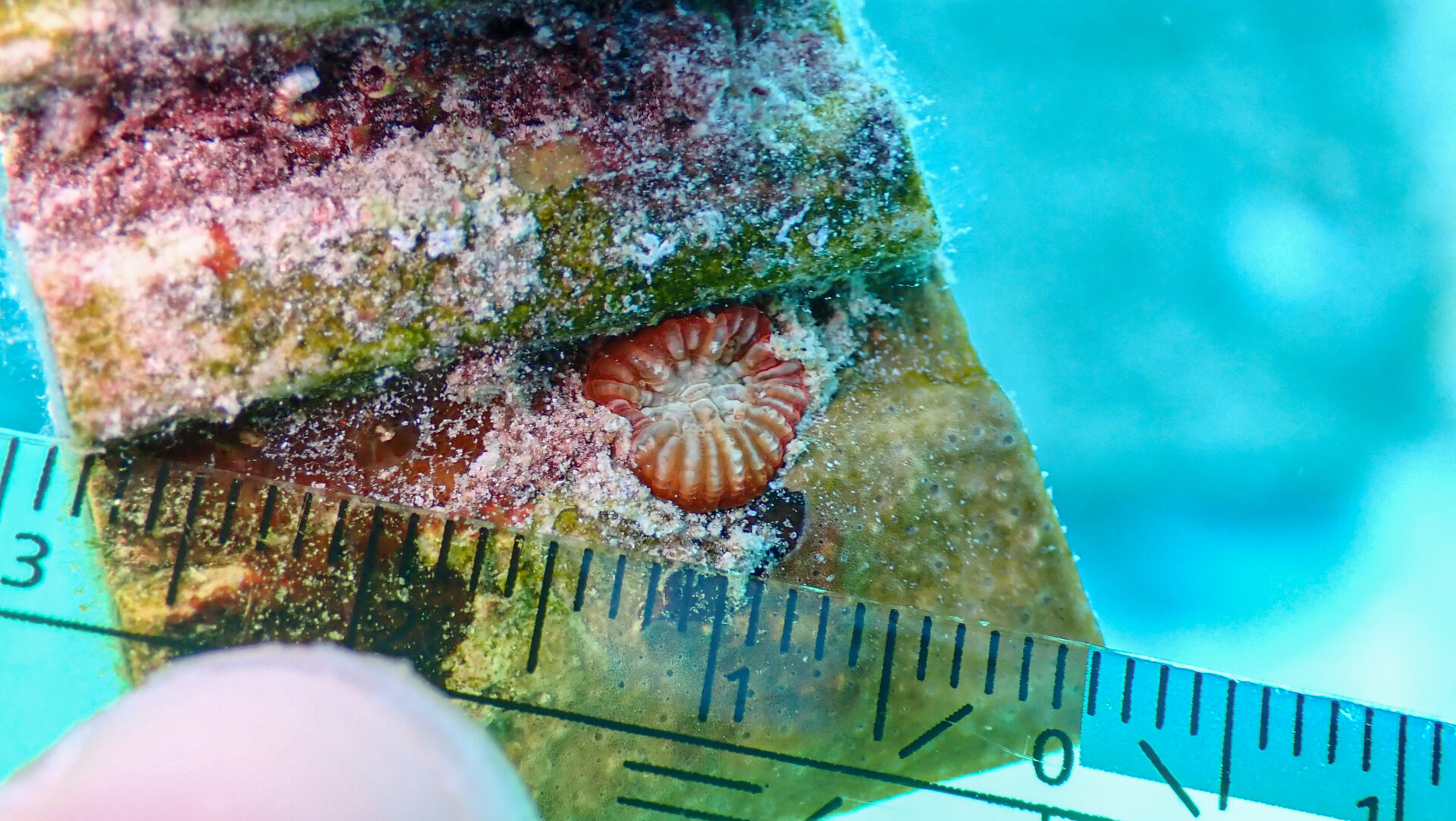
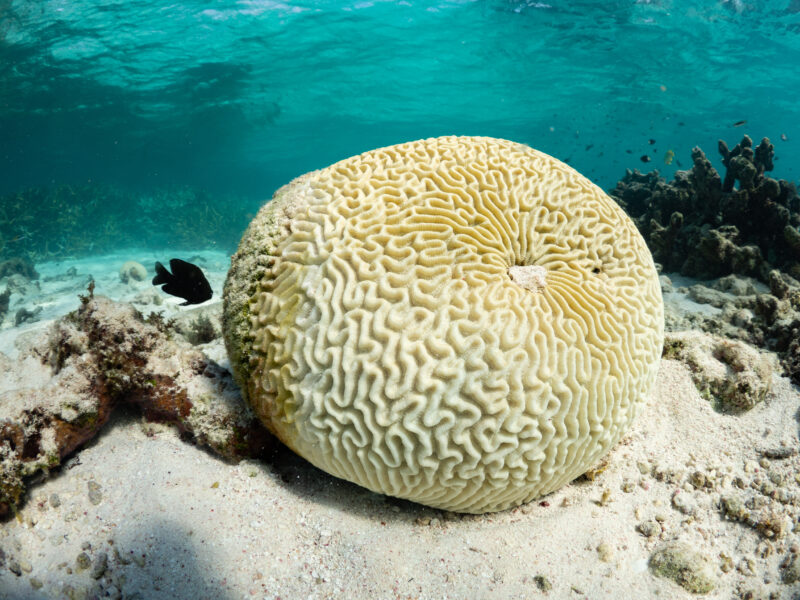
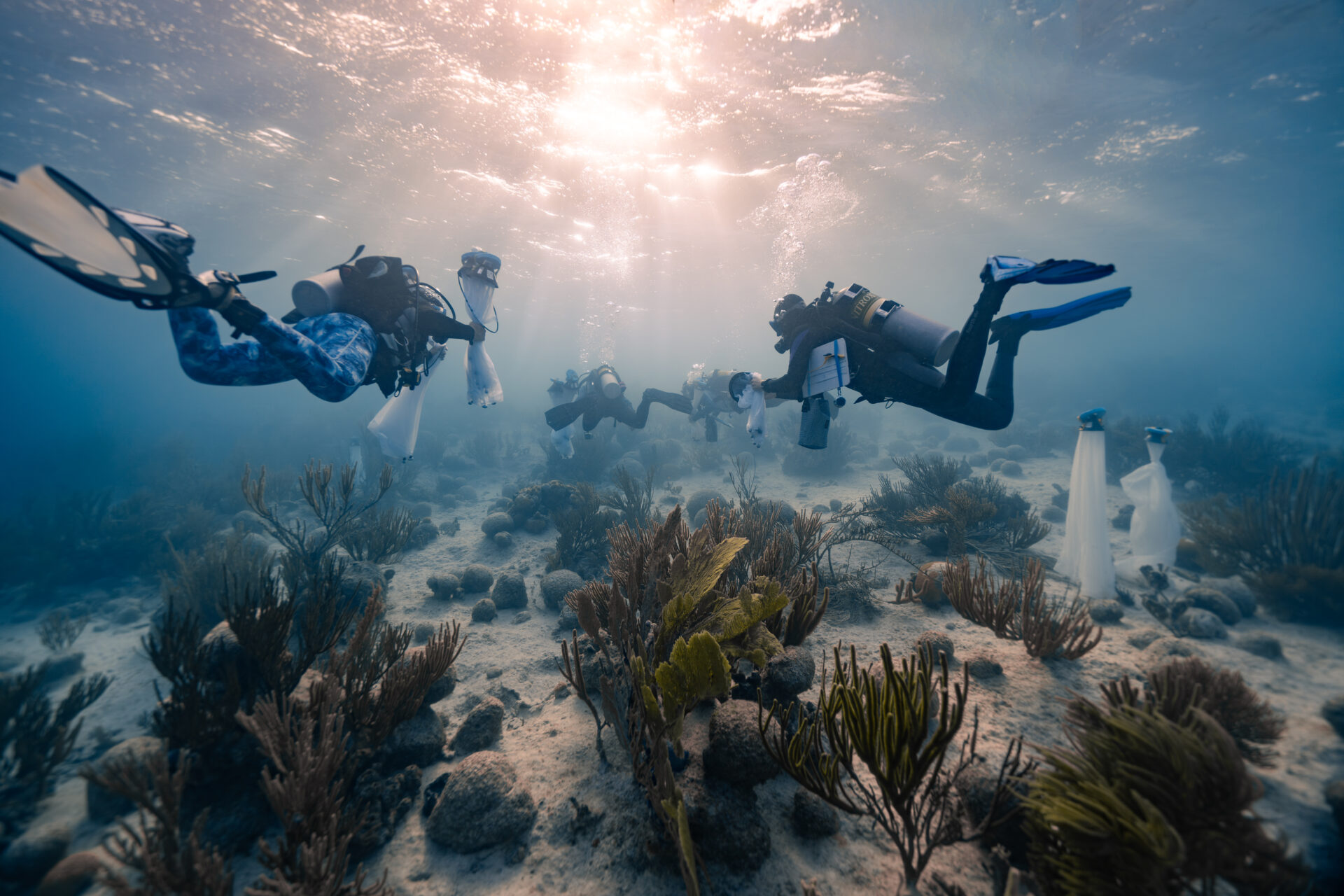
Restoration is not a substitute for systemic climate and conservation policy, but it buys reefs something they no longer have: time. It provides the tools to safeguard the genetic diversity needed for future adaptation, keeps vulnerable coral populations alive, and rebuilds reef structure before it disappears entirely.
Some critics have argued that coral restoration cannot be scaled to match the magnitude of reef loss and risks distracting from climate action or local management. Yet, these arguments often stem from conflating small-scale research experiments with the broader, scalable restoration initiatives that have been growing steadily for years. The objective is not to rebuild every reef acre by acre, but to restore ecological function. By reestablishing breeding populations, replenishing the supply of larvae, and rebuilding structural complexity, restoration triggers recovery that extends well beyond one site.
When paired with broader conservation measures, restoration serves as a bridge to help reefs persist through this period of rapid environmental change and a foundation for recovery once conditions stabilise. On Bonaire, even amid escalating environmental stress, restoration efforts are demonstrating what resilience can look like in practice.
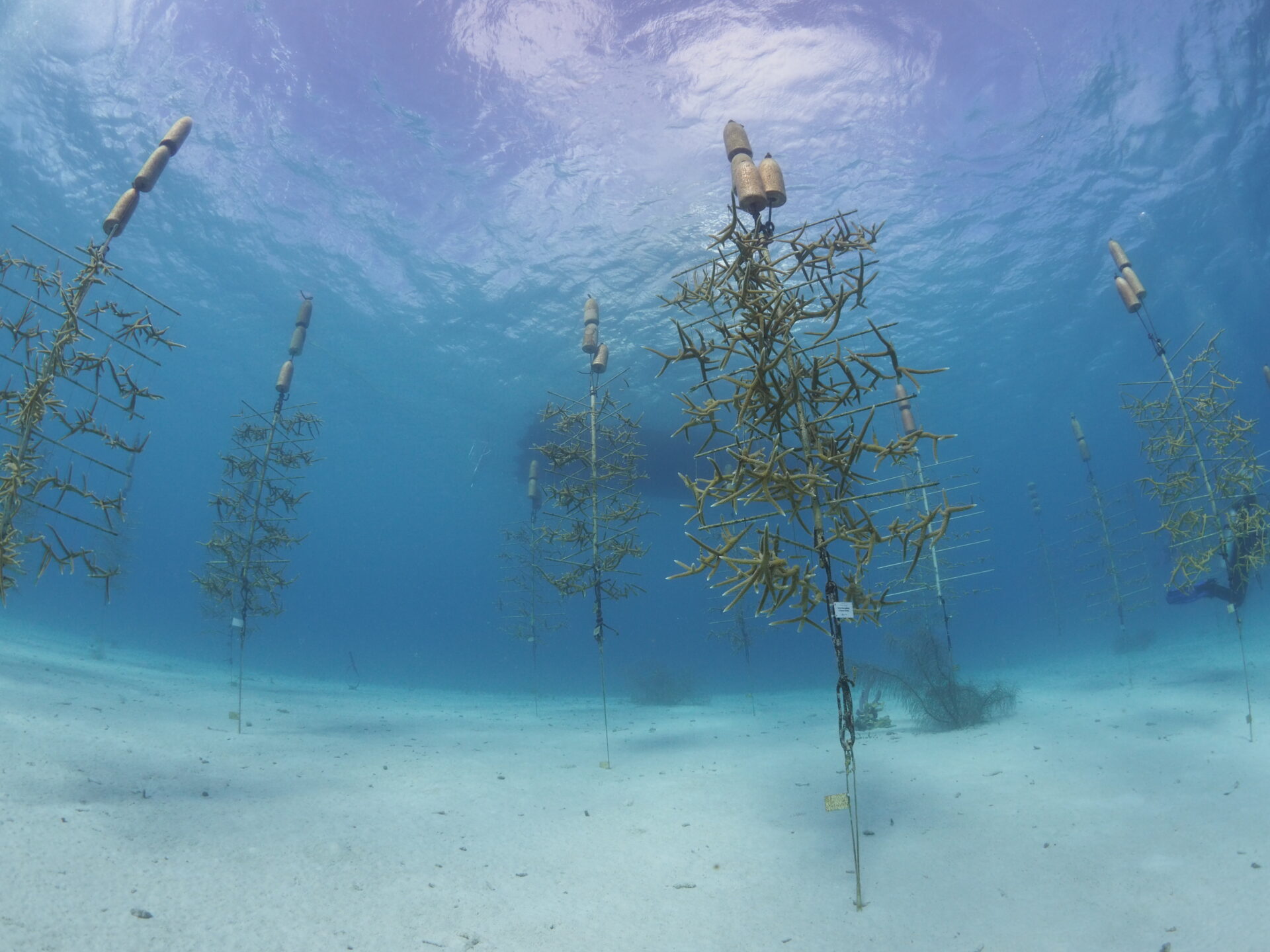
As one of many restoration NGOs in the Caribbean, Reef Renewal Foundation Bonaire (RRFB) has spent more than a decade using scalable methods that strengthen populations of vulnerable coral species. Through years of trial and error in the field, RRFB has shown how restoration can boost reef resilience in a changing ocean.
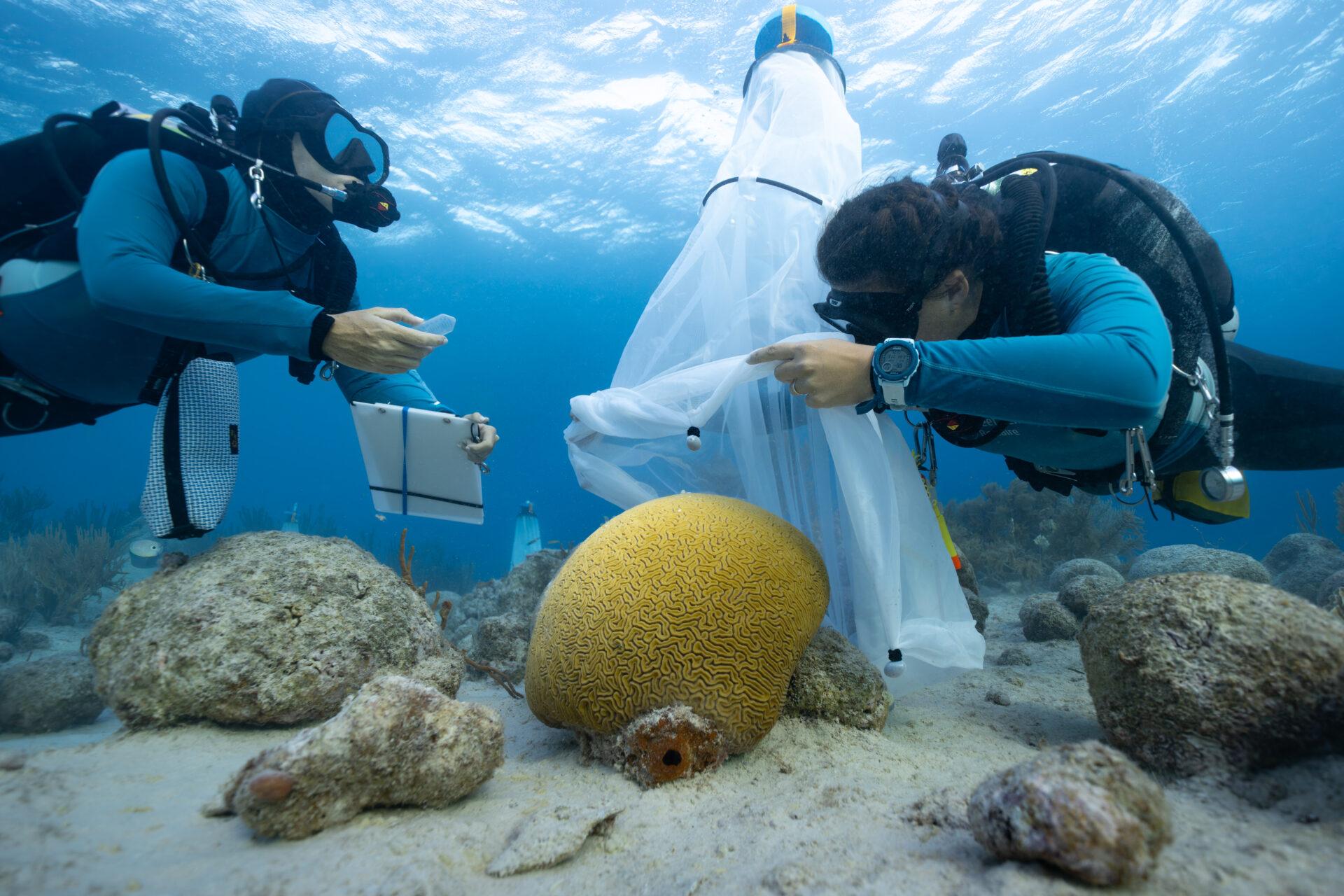
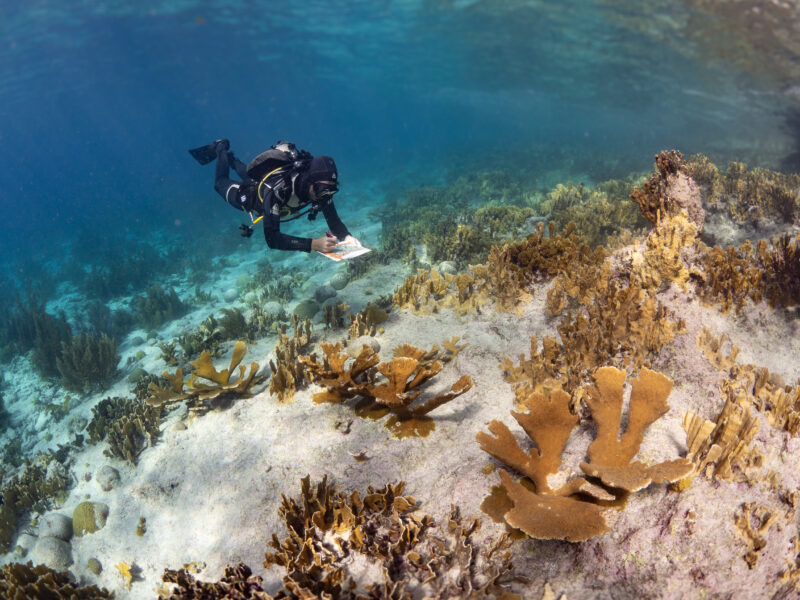
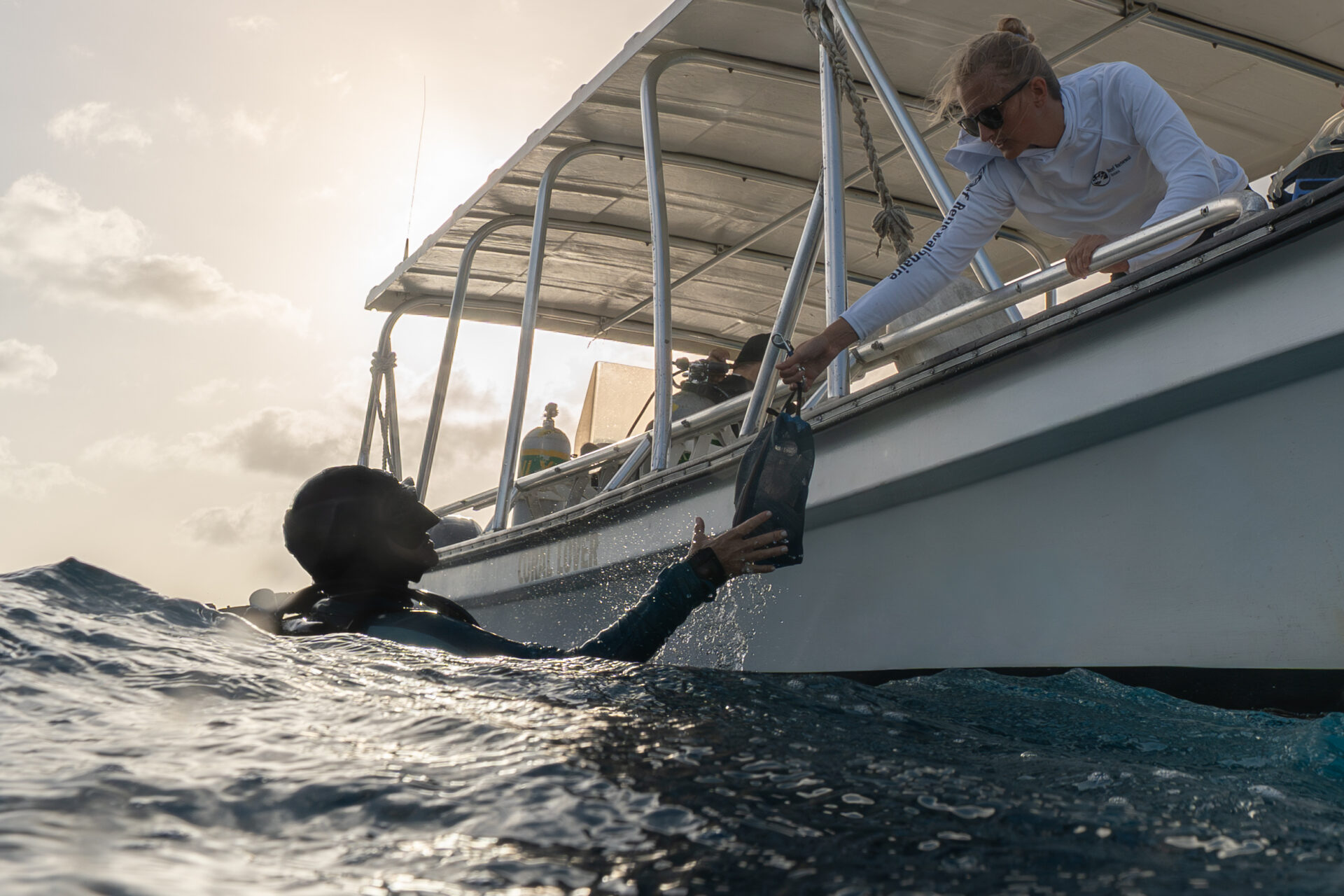
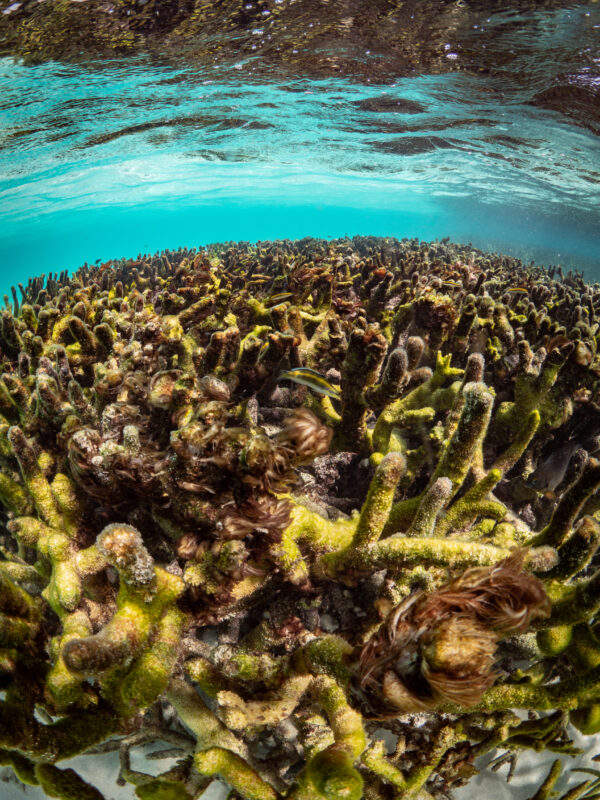
One of the clearest examples of full-circle restoration can be seen at one of the NGOs largest sites on Bonaire’s northwest coast; a site called Jeff Davis. Just five years of outplanting has transformed a 1,000-square-metre patch of sand into a vibrant reef made up of thousands of staghorn corals – now teeming with fish, invertebrates, and new coral recruits.
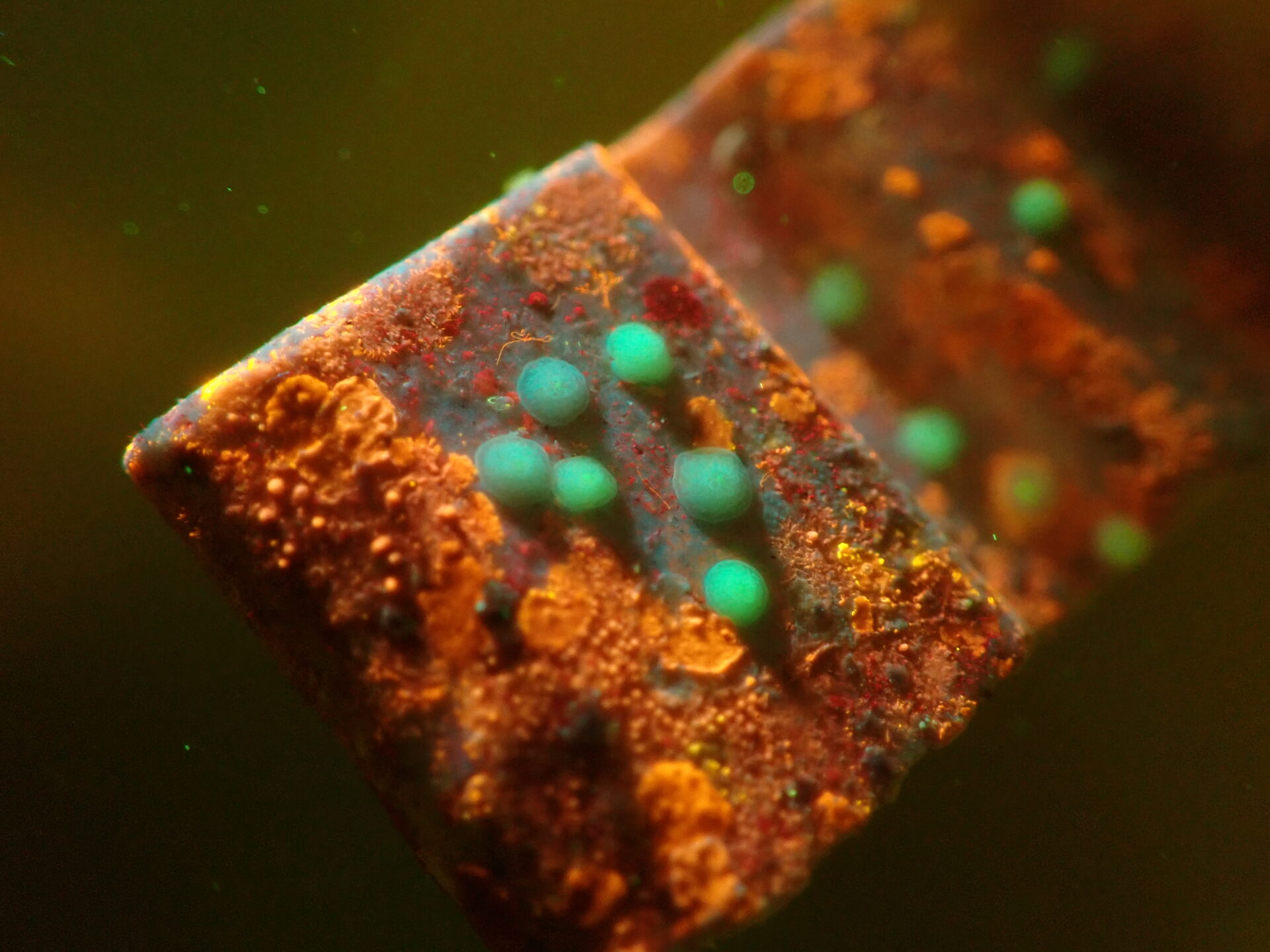
In 2017, this site spawned for the first time, releasing millions of sperm and eggs en masse and creating new life to kickstart the recovery of the surrounding area. Despite increasingly stressful conditions, they’ve spawned every year since, giving us the opportunity to breed these corals and preserve genetic diversity.
Jeff Davis is one of many locations around Bonaire where outplanted corals are rebuilding living reef structures. As these restored populations mature, they begin contributing larvae to surrounding reefs, supporting connectivity and biodiversity beyond the restoration sites themselves.
RRFB is just one part of a rapidly growing, global movement of restoration practitioners, scientists, and conservation leaders working to safeguard coral reefs. Across the Caribbean and beyond, this community has spent decades developing scalable field methods, refining restoration technology, and advancing the science needed to meet an increasingly unpredictable ocean.
But despite the growth and readiness of the restoration community, we still operate in a fragmented system. Reef decline is a cross-disciplinary challenge, and no one field has all the answers. Restoration depends on collaboration across sectors working toward the same goal. It requires research to guide decision-making and refine techniques, policy that eases regulatory burdens and mitigates environmental change, and structural investment to sustain restoration over the long-term.
What we need now is alignment – the policy frameworks, structural funding, and public will – to tackle stressors and scale up what works.
We’re under no illusion that restoration alone will save reefs. But without restoration, we lose the foundation for any recovery at all.
This guest column has been co-authored by Francesca Virdis, executive director at Reef Renewal foundation Bonaire and Caitie Reza, the team’s communication and development officer.
Printed editions
Current issue
Back issues



Enjoy so much more from Oceanographic Magazine by becoming a subscriber.
A range of subscription options are available.
