"Beauty of British seas": Young Ocean Photographer of the Year, Aaron Sanders
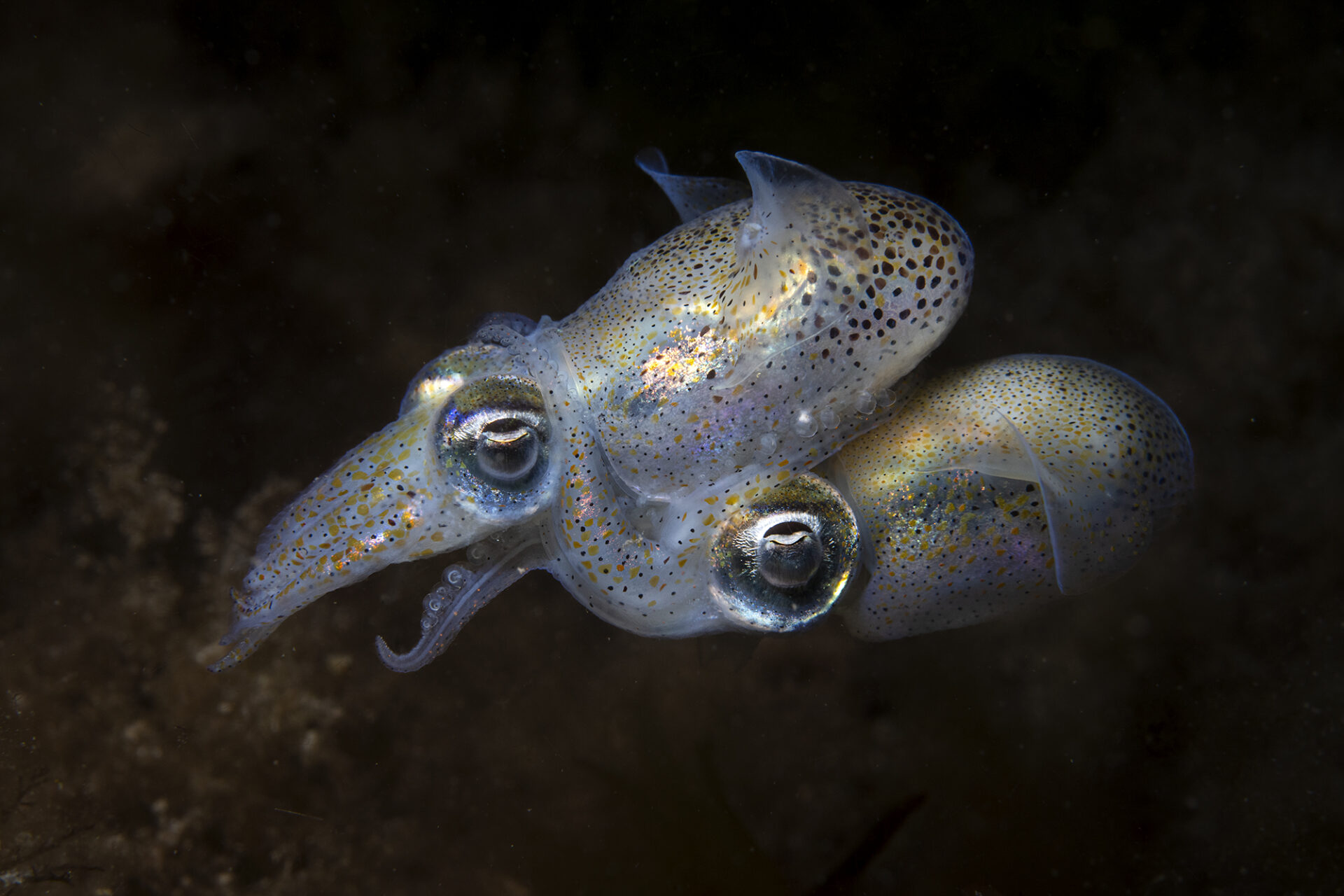
The UK's very own underwater photographer and filmmaker, Aaron Sanders has been named Young Ocean Photographer of the Year 2025, having captured the judging panel's imagination for his image of two bobtail squid photographed at his local dive site, just off the coast of Devon.
Aaron Sanders is a 25-year-old diving enthusiast, underwater photographer, and filmmaker who – when he’s not working as an in-house underwater cameraman on a live-aboard in Indonesia – spends his time exploring the beauty and biodiversity that the waters here in the UK hold.
Passionate about diving British waters, Aaron caught the attention of competition judges this year for his photograph of two bobtail squid caught in the act of reproduction around his local dive spot, off the coast of Devon here in the UK.
Oceanographic Magazine: Aaron, massive congratulations on your success in the Young Ocean Photographer of the Year. Let’s start right at the beginning. How did you first get into underwater photography and when did you first connect with the ocean in this way?
Aaron Sanders: Well, both my parents dived. They met through diving, my whole family dives; me and my brother. My parents used to run a dive centre; my dad was a commercial diver and they were both instructors. So, I didn’t have much choice. I actually didn’t start diving until a little bit later on, but as soon as we did start diving, that was it. We were hooked.
But I have always been in the water, whether that’s kayaking, sailing, swimming, snorkelling, or free-diving. I’ve always spent a lot of time on or in the sea. And then one day, I started taking a GoPro, as most people do. I did photography anyway on the side and a bit at college.
I started wanting to get better images so I eventually found a really budget housing – a bag that goes over your camera to start taking photos, not diving, but snorkelling. This was because you couldn’t take it to depth. One day, it flooded and I lost the lens.
But it was when I was actually doing a boating course the instructor told me his daughter was studying a degree in wildlife photography, landscape photography, and documentary making. It just sounded amazing and everything that I wanted to do.
So, I began studying for a degree in Marine and Natural History Photography at Falmouth University, and as part of this degree there was an underwater module, coached by underwater photographers with access to top equipment and kit. I wanted to get into this world of wildlife documentary making and photography, so I was just sold.
OM: Your parents both have this background in diving. Was this around the UK or did you travel a lot as a child?
Aaron Sanders: So they mainly dived before my brother and I were born; my dad mostly in the UK where he did a lot of tech diving and Trimix commercial diving. He’s a dive instructor and from 16 he was working in a dive centre local to him. My mum, she travelled the world so she went to Australia, became an instructor and then – eventually – moved back to England and joined the club that my dad ran. So that’s how they met. Then when my brother and I came along, they stopped doing as much. But, as soon as we started getting into it, they got back into it. Now, we go on little holidays in the UK, take little family trips – all diving together.
Other features
OM: Oh, that’s very nice. So, what’s very evident is you have a passion for domestic UK waters. Where do you think this comes from? Is this an influence from your dad’s side or just a natural affinity you’ve developed?
Aaron Sanders: I think it’s a bit of both. My mum also used to be a marine biologist, so she has always been fascinated with everything in the ocean. And she still is. She does some outreach and works with her friend to bring marine biology and science education to children. We grew up watching David Attenborough and you’d always find us rockpooling as kids.
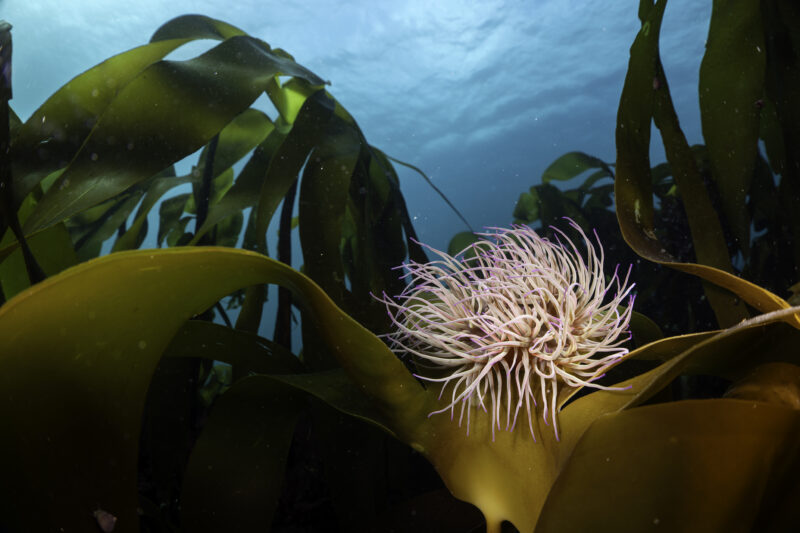
But I think one of the things that really made me appreciate UK diving is going away. I very much like coral reefs – they are beautiful. They are stunning. But there was something that I felt I was missing. I was missing kelp. When I went to Indonesia and I was there for six months, I found myself missing going through kelp and not knowing what I’m going to see. Don’t get me wrong, I would jump at the chance to go dive on a coral reef. But there’s something about British diving; it’s just always had an appeal.
OM: I love that because – obviously – being British, it feels like there’s a disconnect between us as a society and our British culture and the life we have in the waters around us. This feels like an important moment to drive that awareness and reconnection with the world that is on our own doorstep.
Aaron Sanders: That’s exactly it. You see on these live-aboards in Indonesia, the people that come – they are well-travelled and have dived all over the world, but only in tropical coral reefs. I tell them that I dive in the UK and they are just like ‘why?’ I then explain to them how fantastic it is out in the British seas.
Don’t get me wrong. It can be shit. It can be cold, it can be green. But there are many moments where it’s fantastic. People are always surprised to hear me say that there are areas that are really healthy, vibrant, and very diverse.
OM: Are you optimistic that we could get to a point where we do recognise our cultural connection – as a society, a population – with the waters around us?
Aaron Sanders: It’s a really good question and the truth is, I don’t know. I don’t know how to make people connect. I think there is an accessibility issue. A lot of people don’t live directly on the coast and they don’t know much about the sea. They don’t know where to go or where’s good, and they’re maybe not going to be safe in that environment. So either they’re put off by it or they go and do it and have a bad experience.
That said, I think there are things that are helping to drive that reconnection. It’s not a new invention, but paddle boarding has become a real thing now. I work on a boat in my local town and nowadays, we are constantly seeing paddle boarders, people that are going and just exploring the shore. That’s nice to see. It’s a way of opening this world up to other people and a way of making the ocean more accessible to people.
Oceanographic Magazine: Well, you’ve answered my next question about how accessible you think this all is as an interest or a hobby…
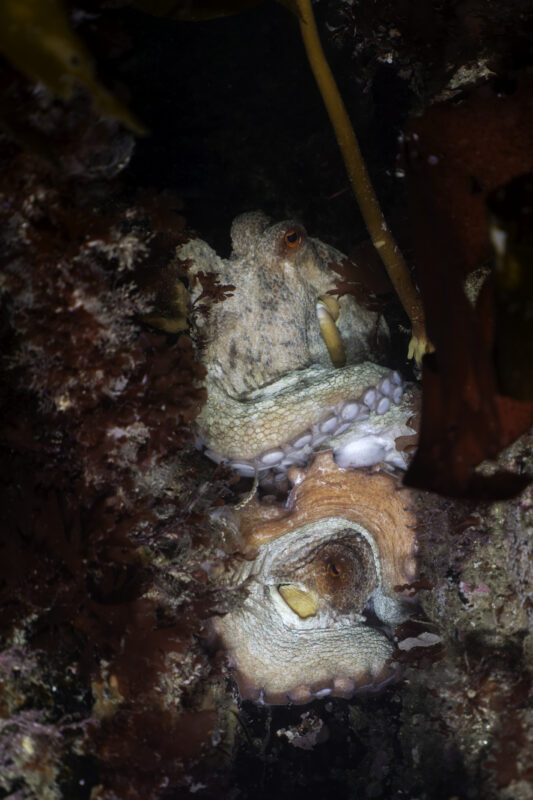
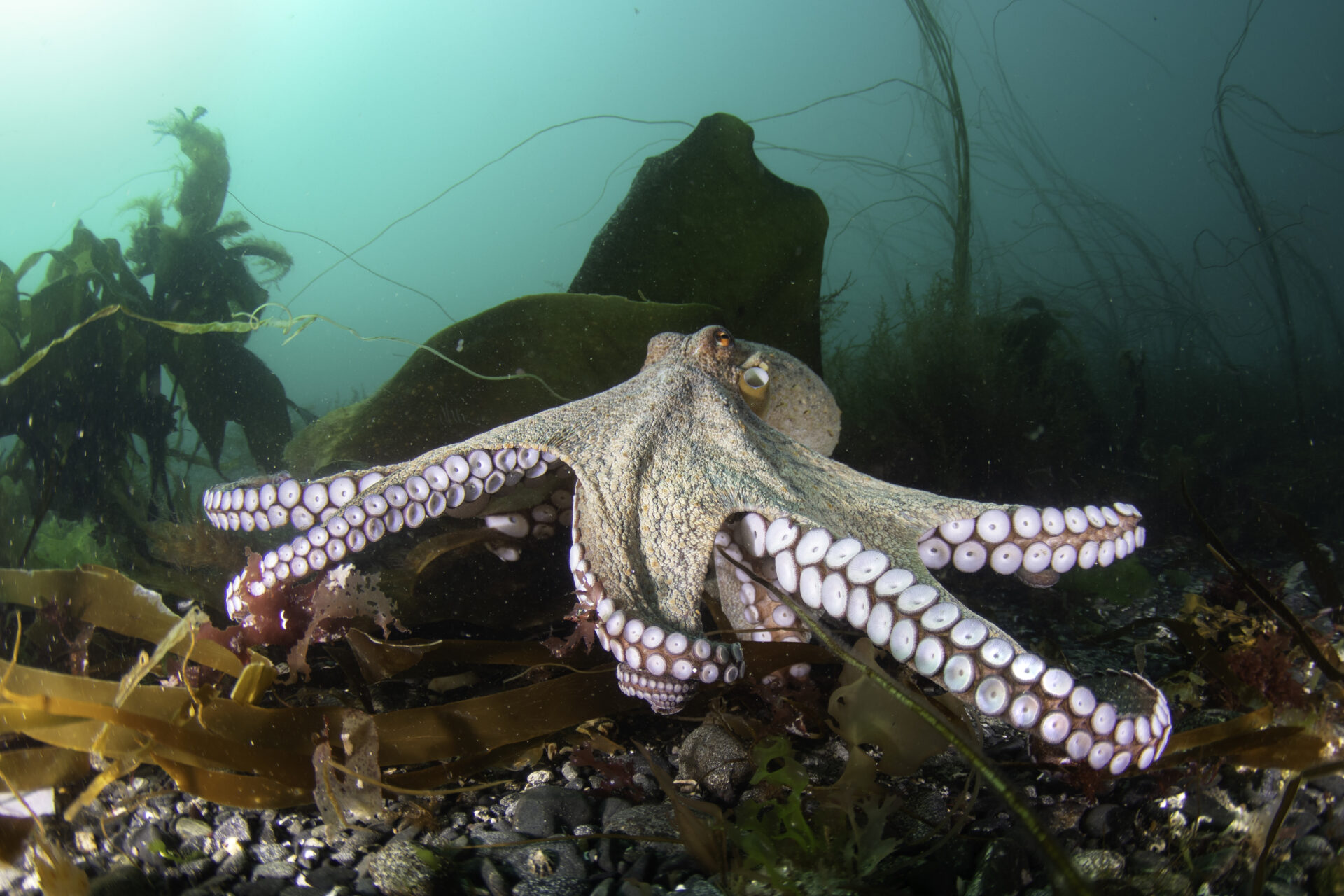
Aaron Sanders: I do think a lot of it really depends on where you live. For me, as a diver, I’m obviously very keen to get in and dive. So, driving three hours to Cornwall to do diving at the weekend is a pleasure. I’ll go visit my favourite dive spot – where I’ve been photographing the octopus – and where I’m very good friends with the owners of the site, and that’s nothing to me.
But, for those that don’t have that level of experience or knowledge, I can understand the reluctance or just how unaware they can be to it. I think a lot of the accessibility issue comes with an educational and awareness issue, too.
Oceanographic Magazine: You obviously won the Young Photographer category in this year’s Ocean Photographer of the Year… When it comes to the younger generation, do you think there’s a growing awareness of the environmental crisis we’re in right now and the need to enhance protections of our marine environments?
Aaron Sanders: Another good question and – again – I don’t know. Everyone I am surrounded by, I guess, live in an echo chamber and are divers with an interest in wildlife. I do see that there is a massive disconnect in that children are spending more time indoors on their phones instead of going outside and experiencing it. And I think there is a major issue in that.
Oceanographic Magazine: I know exactly what you mean. This is such a wonderful community and a very tight-knit one. But we’re at that point where we need to reach outside of that bubble. How do you reach people that don’t already care?
Aaron Sanders: Right now, one thing I really like is showing people the sights they rarely see, particularly non-divers. Someone that goes out gig rowing, they never actually put their head below the water. So showing them something that is literally beneath them, they’re like, ‘wow!’
And actually they are then passionate, they are interested. They just weren’t aware of it. For instance, seahorses in the UK – so many people don’t know that we have seahorses. You tell people, there are seahorses literally just there [pointing] and they are shocked.
They hear it on the news; they hear the doom and they hear the problems that we are facing. But they’re not seeing it for themselves – so they’re blind to it.
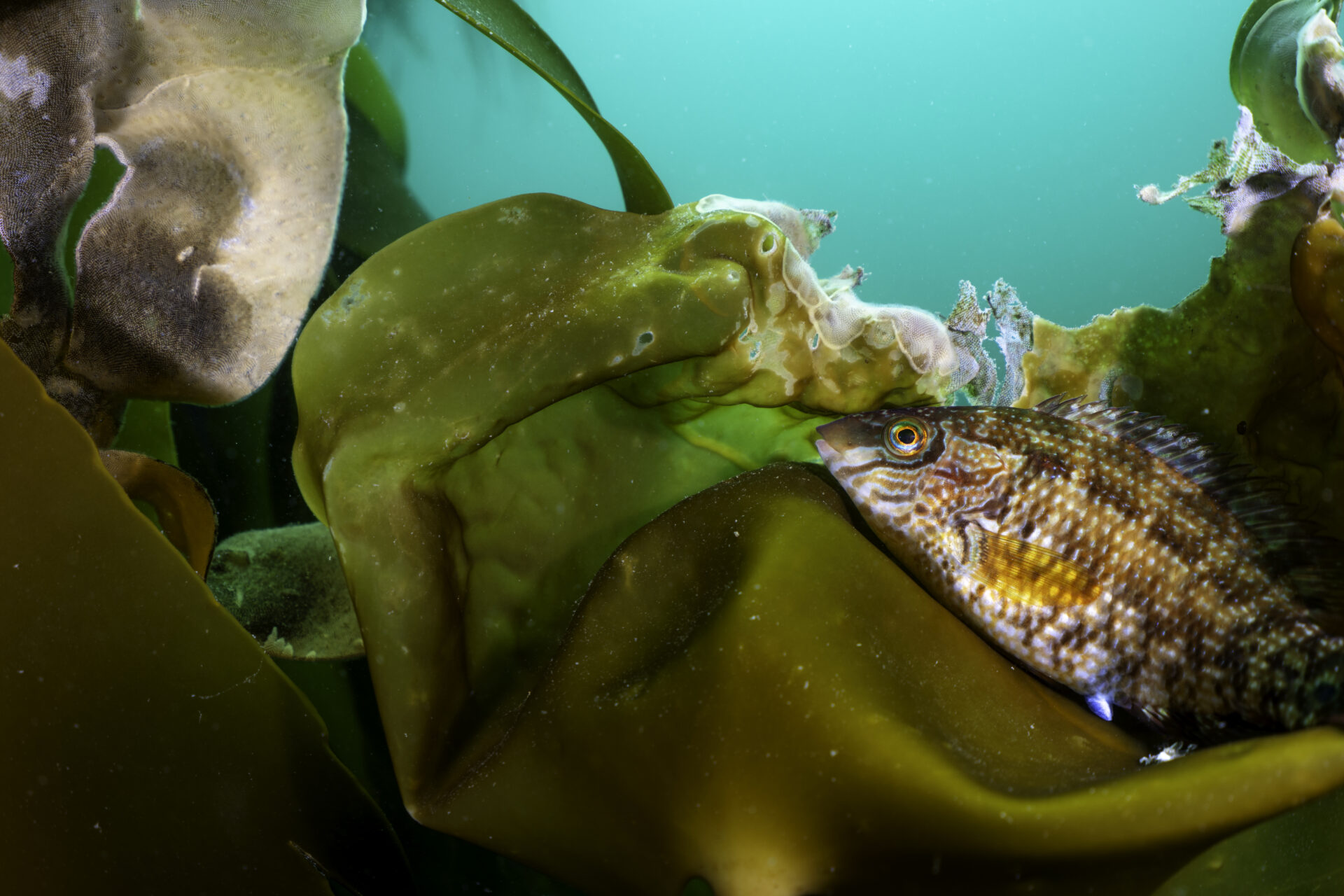
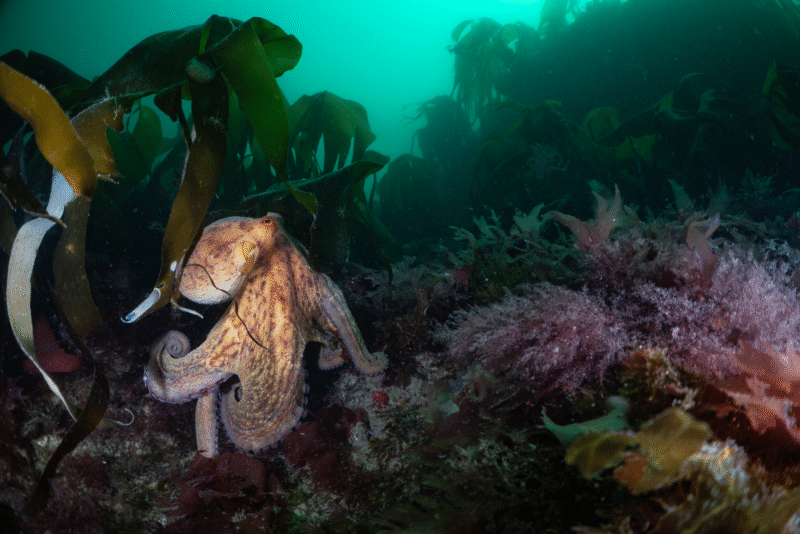
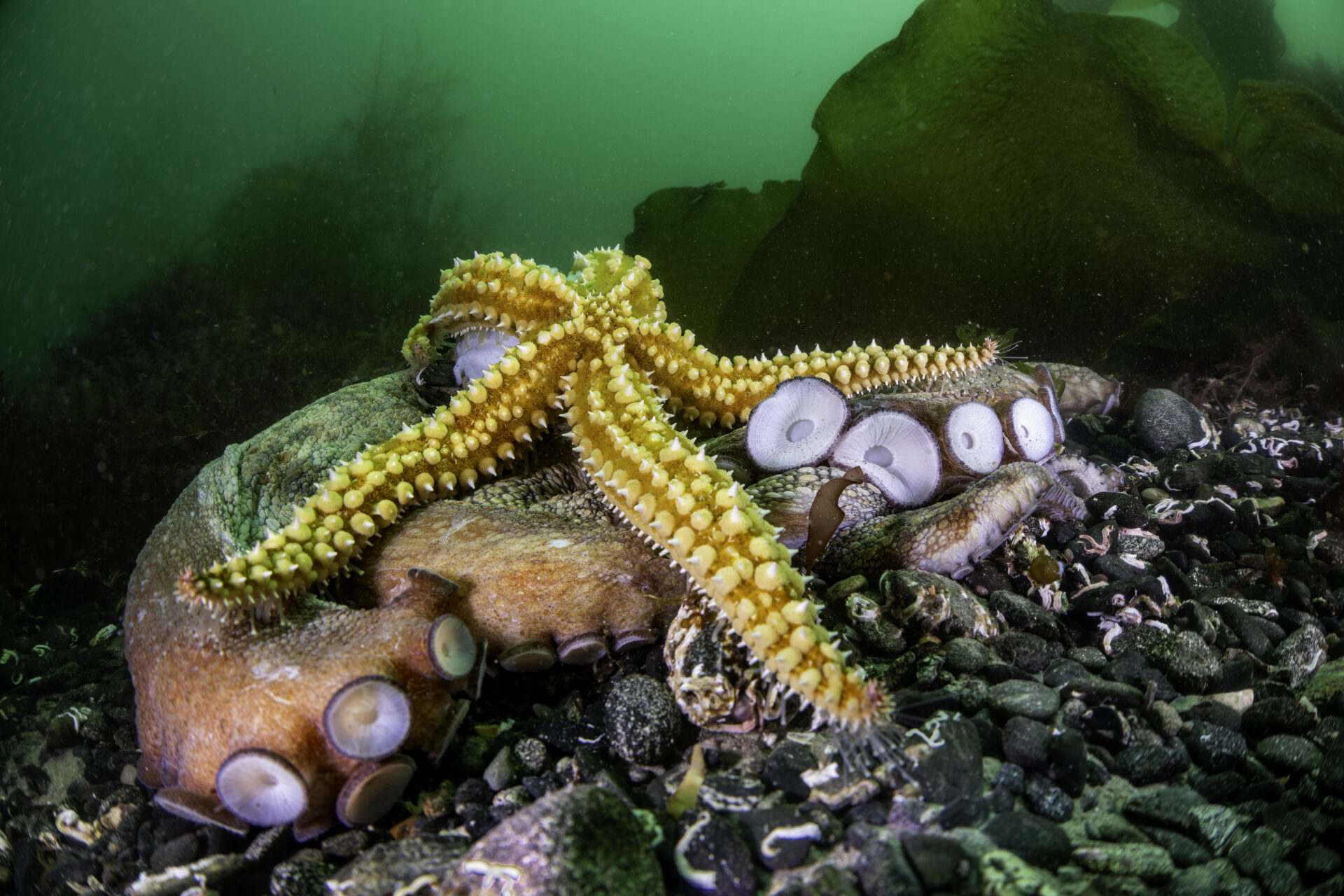
OM: We’re feeling very inspired by you, Aaron. I really love the article that you have featured in the latest issue of Oceanographic Magazine – it’s a great story and the photography is – of course – amazing. How would you describe your approach to photography?
Aaron Sanders: I find my style to very much be like documentary-style photography. Sometimes, I have to force myself to be a bit more creative. I look at some people’s work and it’s really arty and creative or just different, whereas mine I’m often just capturing the moment. So, I will often push myself to be a bit more creative. I like to try new things. I really like to try new techniques. And that was one thing that when I was building – and I still am building – my abilities as an underwater photographer, I made sure I was trying any technique until a point that I was happy with getting the shot. Not necessarily fantastic, but enough to know that if I want to get a shot that is backlit or some other technique, I know that I can do it.
But obviously for me, I was very fortunate in that my degree, I was working with and talking to industry level photographers and you get direct feedback. So, I would pester them a lot. I’d be like: ‘Right, I took this shot. How do I improve this? What I’ve done wrong, what could I do right?’ And there was such a turning point when they were eventually saying: ‘You smashed it!’
Oceanographic Magazine: What impact do you hope to be making through your photography?
Aaron Sanders: I want to show people that we don’t always need to focus on the negatives in this conversation. And don’t get me wrong, it’s incredibly important that we do talk about them and we have to tell the story of the ocean from every angle. But I think it’s becoming too much; we’re drowning in it or becoming numb to it. It’s valuable and necessary to talk about those things, of course, but I want to show people the absolute beauty that we have and the beauty that is going under-appreciated.
It’s why I have strayed away from doing more conservation-focused stuff. But they can obviously cross-over very well – showing both the beauty and the need to protect the vulnerable.
Oceanographic Magazine: Yes, this is such a critical point because it’s not that you’re ignoring the crisis or the harder subjects, it’s that you’re reminding people of what the fight is about and what we are fighting for. If this is the level of beauty we have now, imagine what it could be like if protections were widespread.
Aaron Sanders: So, me and my colleagues in Indonesia have always said this when we go to Raja Ampat. It’s some of the best diving in the world, it’s phenomenal – the fish, the coral, the colours… It’s immense. But what would this have been like 60 or 70 years ago? How good could this have been? And if the right protections come in now, and it is regulated and the biodiversity is thriving, how good could this be in 50 years’ time?
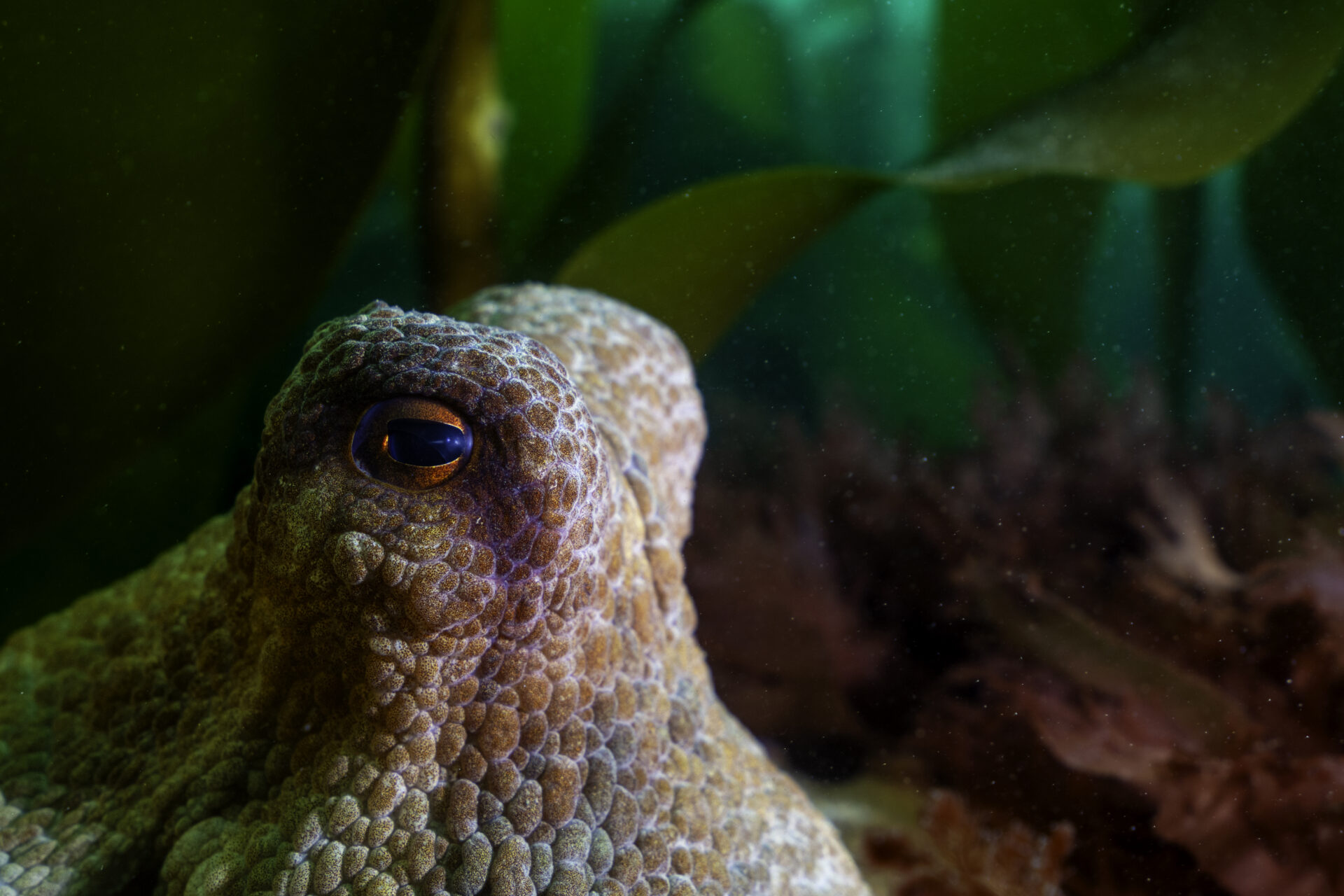
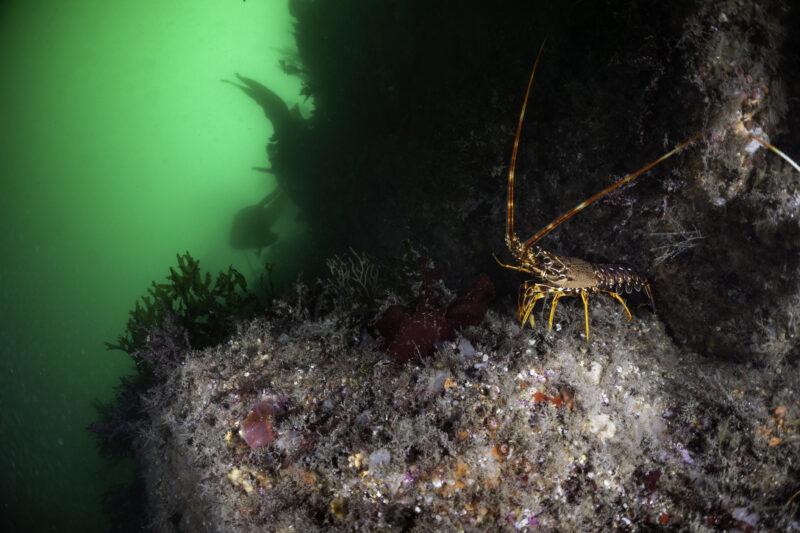

Oceanographic Magazine: What does it mean to you to have seen this success in the Ocean Photographer of the year awards?
Aaron Sanders: Oh it’s massive. I’ve tried different competitions so many times. I had entered the Young category four or five times in a row and had varied success. I got second place one year and others, I hadn’t placed at all. So, this being my last chance to be eligible for the category was just such a relief. It’s fantastic and I was very, very happy to receive the news. It was an honour.
Oceanographic Magazine: And very well deserved, I must say. The image is incredible…. but I’m a big fan of all your work. What’s next for you? Where does your ocean storytelling journey go from here?
Aaron Sanders: I think for most people like in this industry or particularly younger people in this industry, the dream is working for the BBC and Blue Planet – or something like that. That’s quite an achievement to get to. And it’s not going to be attainable for a lot of people. I definitely would love to be an underwater camera operator for a blue chip series. But honestly, I don’t know what the end game looks like, yet.
Oceanographic Magazine: It’s interesting you mention natural history storytelling in that traditional sense. Obviously today, that feels like legacy media that’s the pinnacle of everyone’s ideal. But it’s an industry that comes with its own struggles and is known to be quite turbulent right now. But, with social media and other avenues for creating your own brand, is there more of an opportunity now to diversify in the way we tell stories?
Aaron Sanders: Yes, I think that’s right. Because… well, Blue Planet – you can tell different stories each time and there’s going to be a lot of different stories. But, they end up becoming an hour long per episode. And as we’re seeing with social media, people are developing shorter attention spans. So maybe actually getting the ocean into people’s lives is not through an hour-long episode of amazing, beautiful, perfect footage. This is where people who are self-presenting, and shooting footage has really come in. I guess it falls into the category of content creators, but some of this is really good and they are being really effective in bridging young people on that journey through nature.
Oceanographic Magazine: It’s a very interesting landscape right now brimming with potential… I guess we need to cut through the noise and the Italian brain rot that is taking up far too much screen time…
Aaron Sanders: I think that’s also down to people’s upbringings. In my upbringing, I was very much ocean orientated. It massively helps that I live right by the sea which was a massive step ahead for me. But, so many people don’t get to experience it. So, again it comes down to why would they be seeking it out online if it bears no real relevance to them? We really need to tackle the educational aspect of ocean literacy.
Oceanographic Magazine: Aaron, thank you so much for a very interesting and inspiring discussion. And massive congratulations again on your Young Ocean Photographer of the Year 2025 title.

Printed editions
Current issue
Back issues
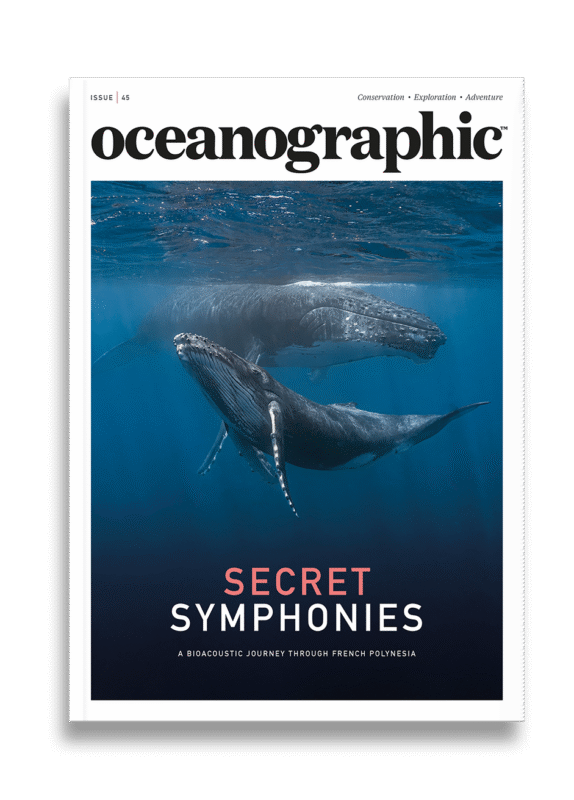
Enjoy so much more from Oceanographic Magazine by becoming a subscriber.
A range of subscription options are available.