COP30 overlooked the deep ocean, protecting it must be a priority
As the dust settles on the latest set of climate decisions from COP30 in Brazil, the word “deep” is being used a lot: States were “deeply divided”, the political outcome is “deeply disappointing”. But what about the deep sea? Sian Owen, Executive Director of the Deep Sea Conservation Coalition explores
Belém, Brazil, where the Amazon meets the Atlantic, provided a dramatic and inspiring backdrop for this year’s United Nations (UN) climate summit (COP30). As the dust settles on the latest set of climate decisions, the word “deep” is being used a lot: States were “deeply divided”, the political outcome is “deeply disappointing”.
But what about the deep sea?
COP30 elevated the ocean, bringing it closer to the heart of the global climate agenda, but the deep sea – everything below 200 metres and making up roughly 90% of the ocean – stayed buried in the margins. The world’s biggest natural carbon sink did not even get a mention in the final decision texts.
What will it take for our leaders to stop overlooking one of Earth’s most powerful climate regulators?
Climate action begins in the deep. We cannot stabilise the climate without a healthy deep ocean. It has absorbed 90% of the excess heat and stored over 30% of the CO2 generated by humanity since the Industrial Revolution. Deep-sea creatures drive the biological pump, moving carbon from the surface to the seafloor, and thus powering one of our planet’s most critical life support systems.
The deep sea still holds many mysteries yet to be discovered or fully understood by science, but the more we learn, the clearer it becomes that an intact, resilient deep sea is essential to achieving global climate goals.


To keep the 1.5°C target alive, we need a deep ocean able to fulfil its role storing carbon, buffering heat, and sustaining the diverse marine life that underpins a resilient planet and the human systems it quietly supports. Protecting the deep sea is a key climate solution: beyond featuring in a handful of COP side events, the deep needs to rise to the top of the climate agenda.
COP30’s host nation is leading by example. Brazil is one of a small handful of countries to fully integrate the ocean into its Nationally Determined Contribution toward meeting the goals of the Paris Agreement – an important step in recognising the ocean as central to climate action.
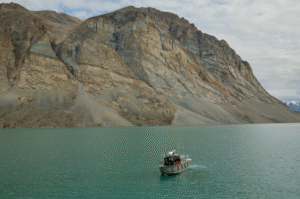
The world needs to go deeper, and faster. A new scientific report published during COP30 reveals the mounting impacts of the climate crisis on deep-sea ecosystems in the Arctic. Alarming as that is, it’s just the tip of the iceberg.
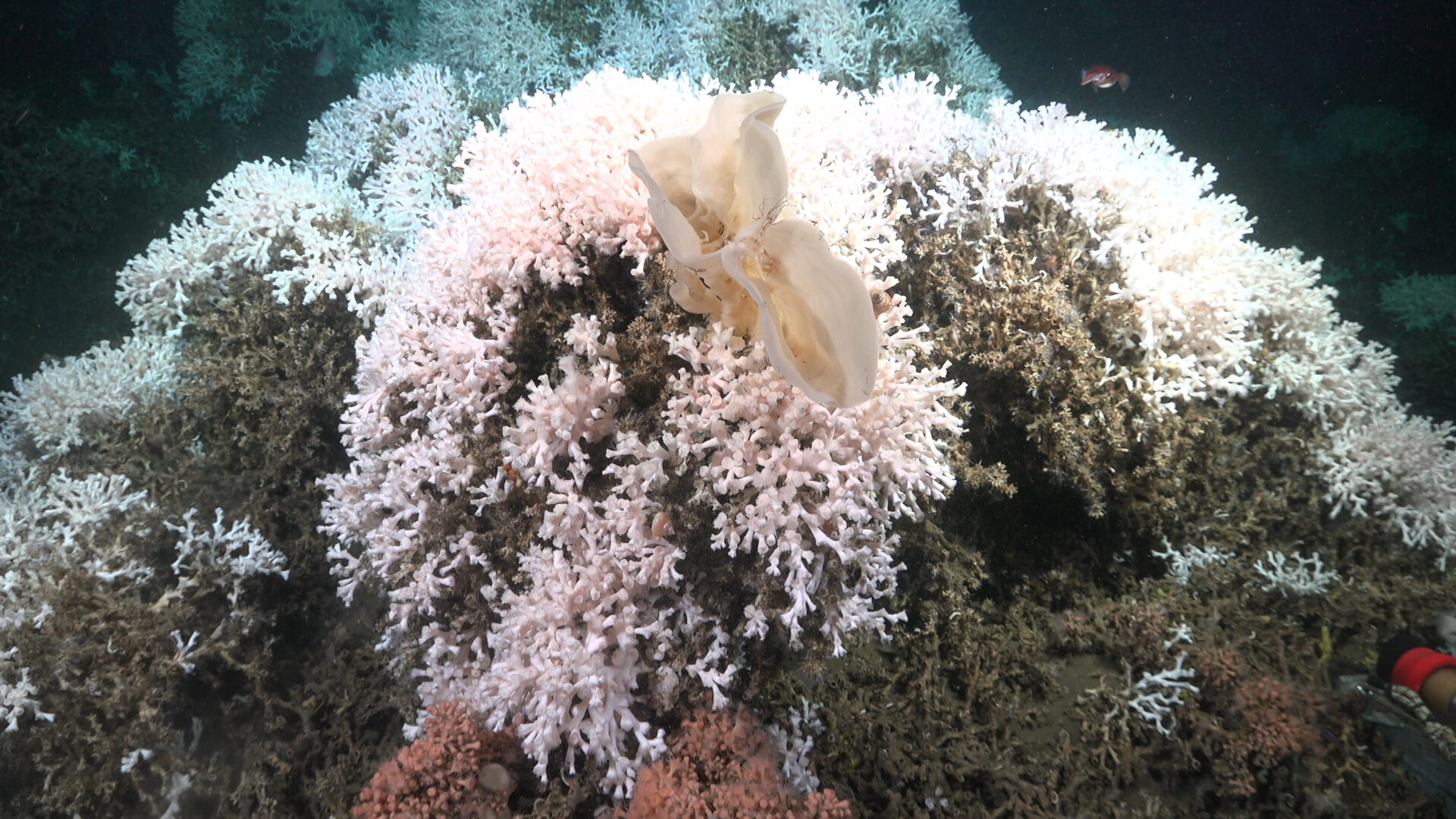
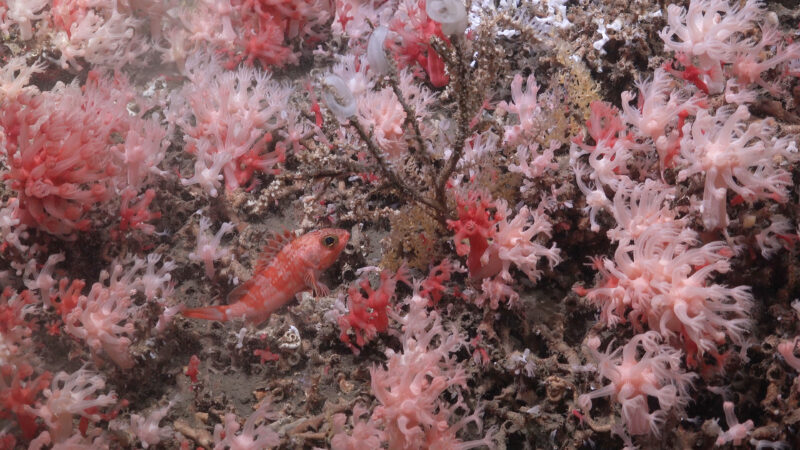
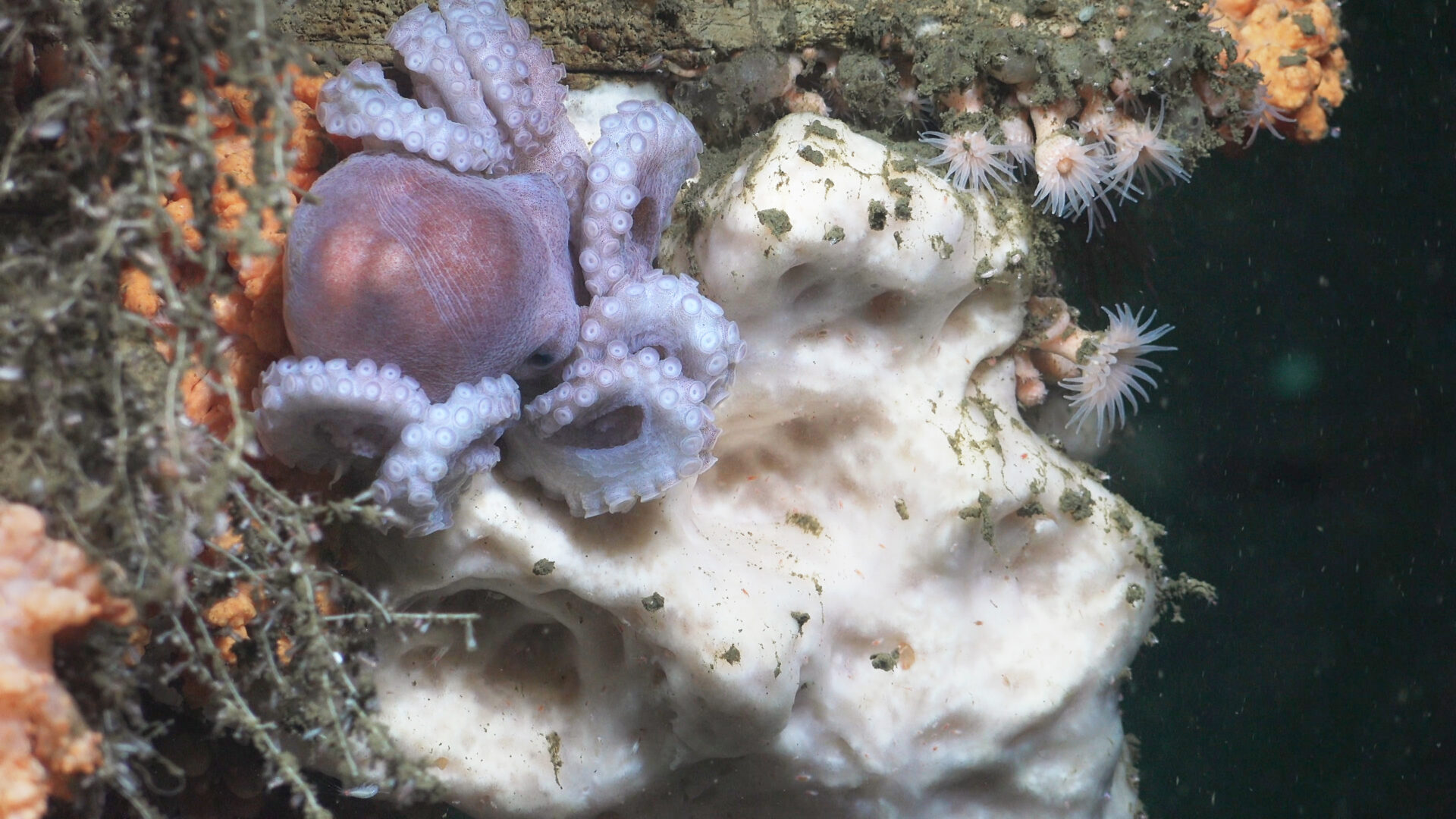
Climate impacts are already severe across the deep sea. As an extremely fragile and largely stable environment unused to rapid changes, deep-sea ecosystems and species are experiencing unprecedented warming, acidification, and oxygen loss that are weakening their climate regulation capacity. Globally, more than 80% of deep-sea biodiversity hotspots – including cold-water coral reefs, sponge beds, seamounts and canyons – are projected to suffer serious decline due to global warming.
Human activities now threaten to push the deep past the point of no return. Destructive bottom trawling on seamounts and other vulnerable marine ecosystems (VMEs), the prospect of deep-sea mining being unleashed on an industrial scale, and unproven marine geo-engineering all pose irreversible risks.
A single pass of a bottom trawler can reduce deep-sea ecosystems formed over millennia to rubble. On seamounts, this destroys habitats used as navigational stepping stones and breeding grounds by iconic sea life, including whales, sharks and turtles. These practices also release carbon and may be causing long-term damage to carbon storage.
International Union for the Conservation of Nature (IUCN) Motion 32, adopted by an overwhelming majority of States and other stakeholders at the World Conservation Congress in October, signals a global appetite to put an end to this anachronistic, destructive technique. Governments must carry this ambition through to an important UN bottom fisheries review next year, and fully and finally protect all seamounts and other VMEs from bottom trawling.
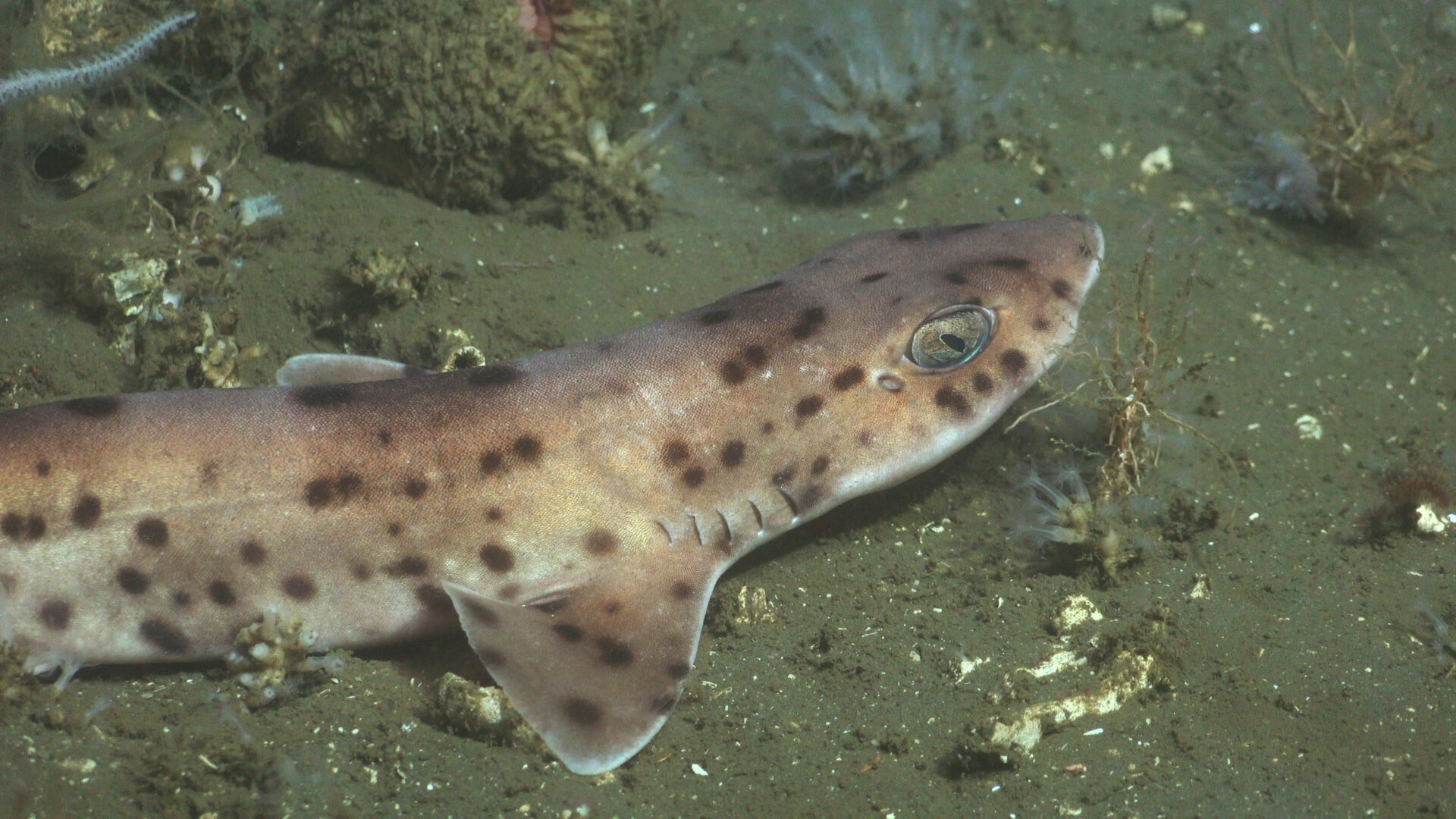

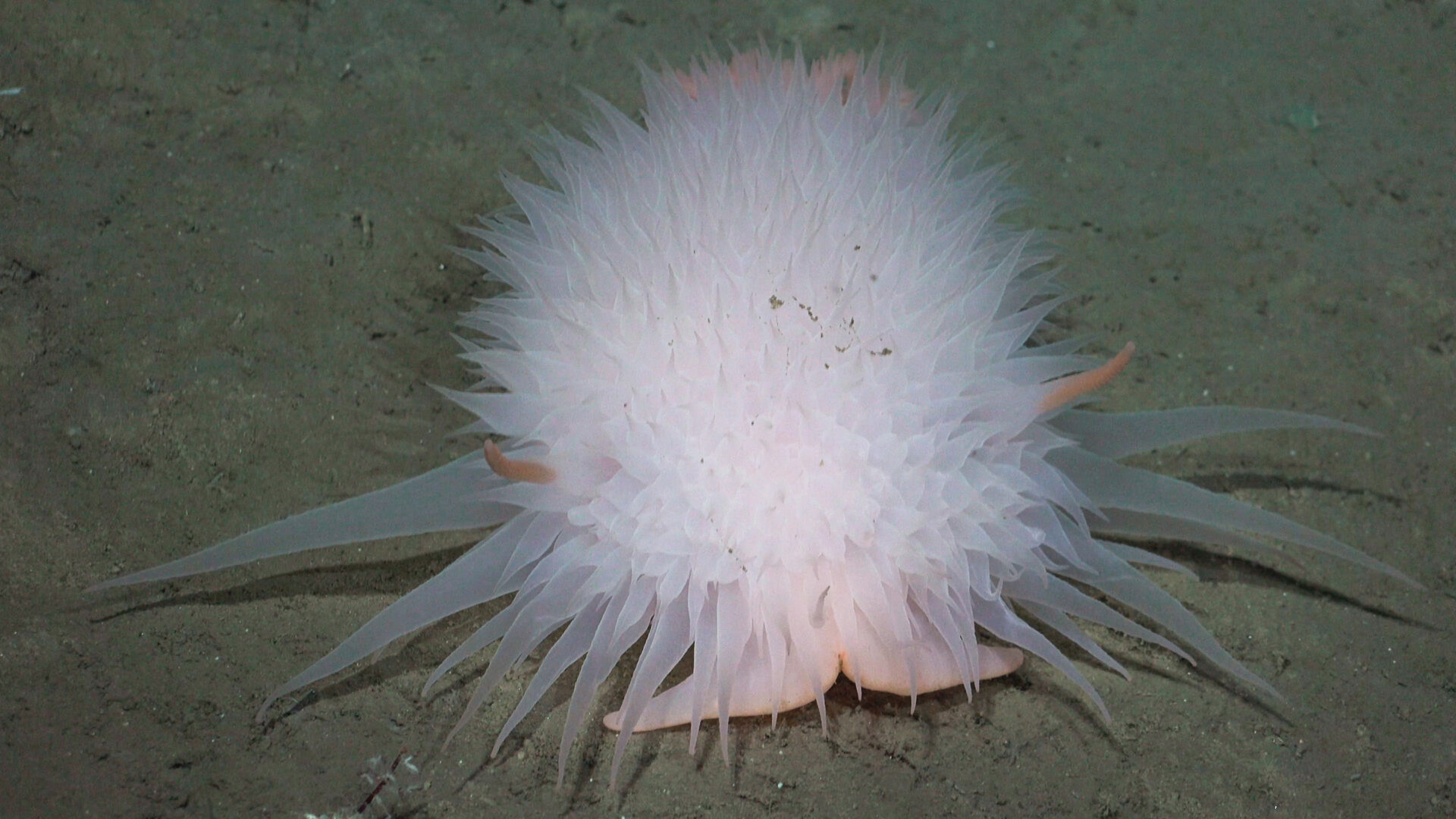
The specter of deep-sea mining is an even bigger threat. Extracting minerals from fragile seabed ecosystems largely unknown to science would cause irreversible and widespread biodiversity loss. The speculative industry seeks to strip-mine deep-sea biodiversity hotspots – including hydrothermal vents, abyssal plains, and seamounts – threatening carbon cycling and storage.
Deep-sea mining is risky, hugely expensive, unnecessary for the green transition, and would cause permanent damage. Nevertheless, a handful of States and companies are eager to launch. Humanity is at a crossroads: we have a once-in-a-generation choice to destroy or protect our planet’s life support system.
Thankfully, with 40 countries, hundreds of scientists, a growing chorus of local and Indigenous communities, and some of the world’s biggest companies now on board, the momentum for a moratorium to stop deep-sea mining in its tracks is irrefutable.
It was encouraging to see the draft COP30 text acknowledge – for the first time – the risks associated with the unsustainable extraction and processing of critical minerals. While the fact that this language was ultimately dropped from the final text is a disappointing missed opportunity, it’s still a promising sign that COP is beginning to tackle real-world issues. Getting critical minerals on the agenda is a vital step towards addressing the threats posed by deep-sea mining.
That said, the deep sea can’t afford more missed opportunities and baby steps. 2026 must be the year governments agree to defend the deep ocean. This requires all States to declare a definitive end to bottom trawling on seamounts and other VMEs, and a moratorium on deep-sea mining to be adopted at the International Seabed Authority – and for these steps to be recognised as explicit climate-positive actions.
With the BBNJ Agreement (also known as the High Seas Treaty) entering into force in January, ocean-climate action must be a global priority from day one. The deep must not remain out of sight and out of mind.
In 2026, governments must ensure that the deep sea takes its rightful place at the centre of decision-making for the future of our planet.
About the Author: Sian Owen is the Executive Director of the Deep Sea Conservation Coalition, campaigning to protect and safeguard the deep ocean against pressing threats such as destructive fisheries and the potential for deep-sea mining. Her work as an environmental advocate over the past 25+ years has sought to integrate the ocean into global processes around sustainable development, biodiversity protection, and climate change.

Printed editions
Current issue
Back issues
Enjoy so much more from Oceanographic Magazine by becoming a subscriber.
A range of subscription options are available.
