Coral keepers: The communities keeping Mauritius' reefs alive
In 2020, the Wakashio - a 300-metre-long cargo vessel en route from China to Brazil - ran aground and split on Mauritius’s eastern reef, spilling 1,000 tonnes of oil into its waters. It was the worst ecological disaster in Mauritius’ history. Today, local fishers and scientists work to recover its once bountiful reefs.
I arrive into Poudre d’Or, a tiny fishing village on the northeastern edge of Mauritius, on a bright morning in late December. It’s cyclone season. The latest one which has passed through some 100 miles off the coast is running out of steam, but the wind still batters my microphone as I hold it up, trying to catch the voice of Angela, a fisherwoman, as she watches her colleagues still sitting in their boats, shucking oysters and giant clams.
“My father, my uncles, my grandfather, my whole family are fishermen,” she tells me. “My grandfather was well known as a fisherman in Poudre d’Or, he made big cages to catch fish. He made them by hand.”
At just 60km in length at its longest point, 2000km from mainland Africa and 5000km from India, Mauritius is a small island surrounded by a vast ocean. The majority of its settlements are coastal and nearly 30,000 Mauritians are employed in its fishing industry, with countless other unregistered casual or subsistence fishermen and women reliant on the hydrosphere as a source of nutrition. While Angela and I talk, I watch one of them, an elderly man with his rod and a bag slung across his body, wade some 50 metres out into the lagoon to a small rock where he perches, now and then recasting his line while Angela tells me about life in Poudre d’Or.
“Since I was a child, I have lived close to the ocean, just 10 metres from the sea. I would play in the sea with my neighbours, the other kids. It was our pastime: searching for shellfish, swimming, lying out on the rocks. If you asked us, ‘What is there in the sea? Where are the fish?’ we could tell you, with our own eyes, what there is in the sea.”
Coastal communities like Angela’s, with close links to the natural environment for their livelihood, have long been vulnerable to the impacts of climate change. As the most temperature-sensitive part of the marine ecosystem, coral reefs underpin the entire coastal food web that fishers rely on.
Starting with the first global coral bleaching event in 1998, coral cover began to decline in Mauritius’ waters. Between 2002 and 2010, live coral cover fell from close to 50% to around 20%. As bleaching events increased in intensity and severity, simpler organisms like algae began to colonise the reefs.
One area, however, bucked the trend. Reefs in the Blue Bay Marine Park off the southeastern tip of the island showed a gradual increase in live coral even after another bleaching event in 2009, reaching about 40% cover. In a 2017 status report, the Global Coral Reef Monitoring Network celebrated the recovery of live coral cover, positing “the Blue Bay Marine Park Management Plan, with [its] greater control of activities in the strict conservation zone,” as a potential cause of the improvement.
But then, catastrophe struck. On the 25th of July 2020, the Wakashio, a 300-metre-long cargo vessel en route from China to Brazil, ran aground and split on Mauritius’s eastern reef, spilling 1000 tonnes of oil into its waters in what became the worst ecological disaster in Mauritius’ history.
The oil spill contaminated a 27 square kilometre area, stretching into Blue Bay Marine Park. The reef on which the Wakashio grounded was decimated, with satellite analysis later revealing the ship scraped along the barrier reef for over one entire kilometre as it was battered by waves for 21 days before breaking apart.
Other features

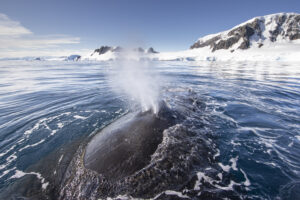

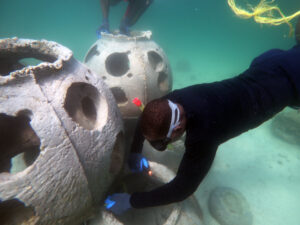
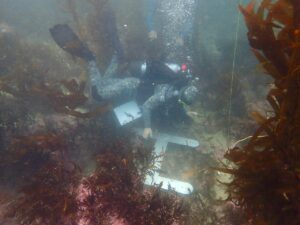
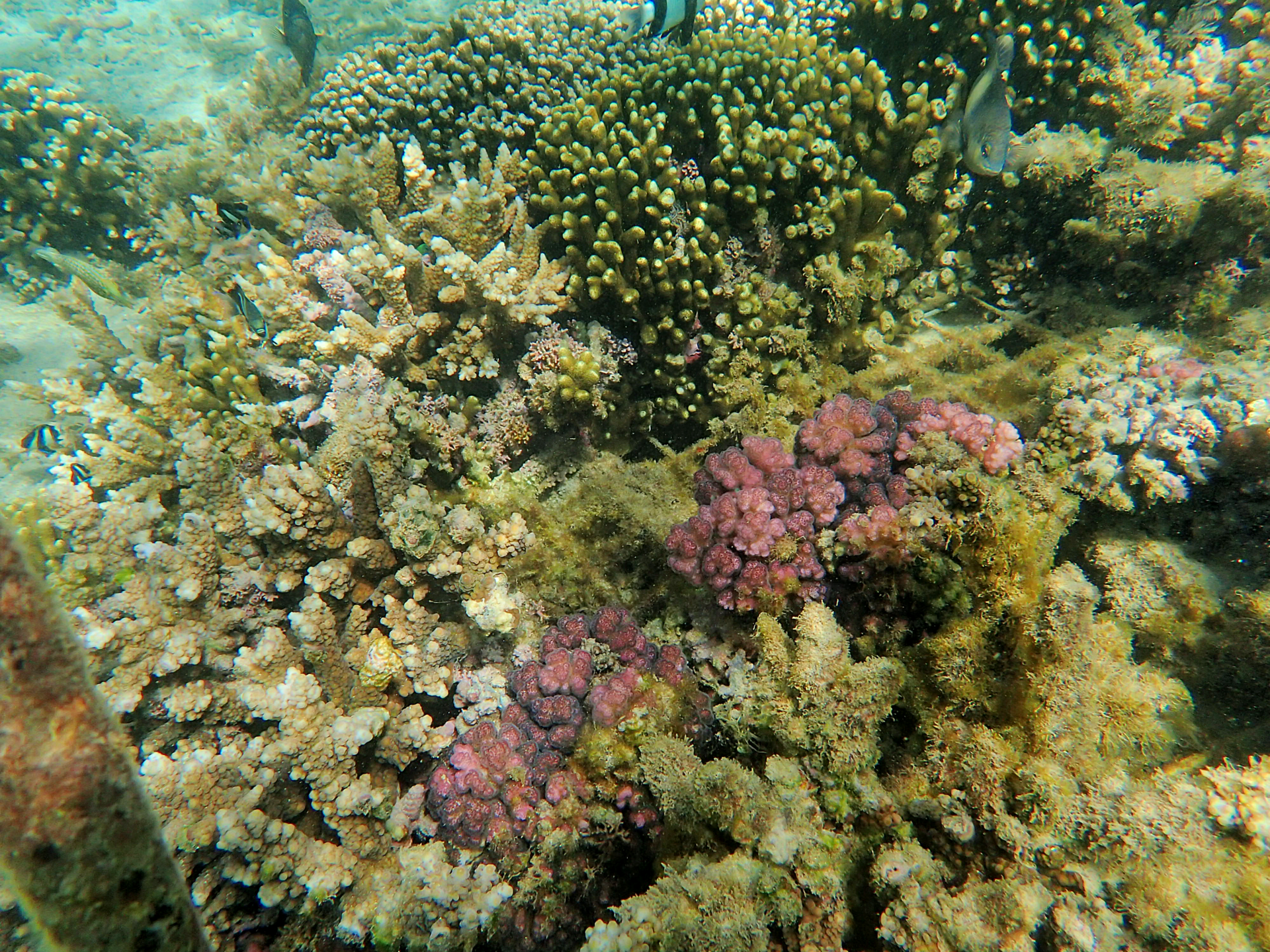
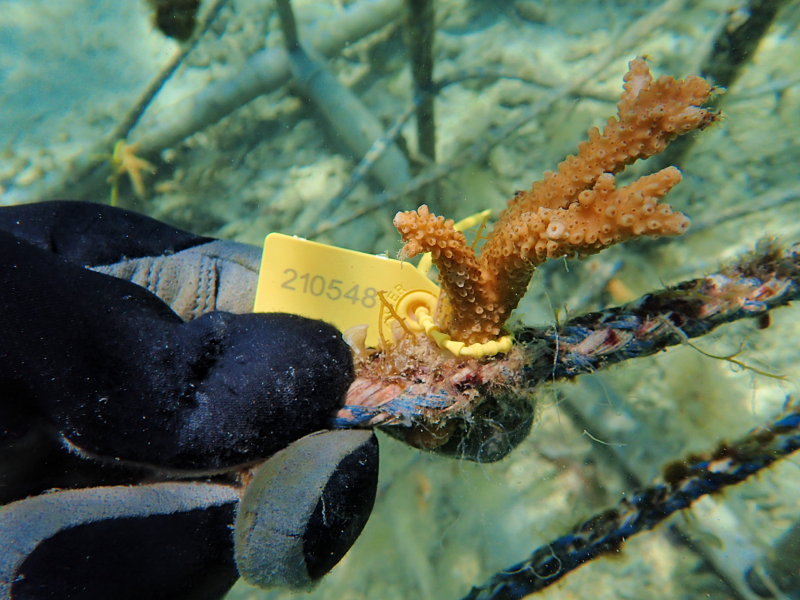
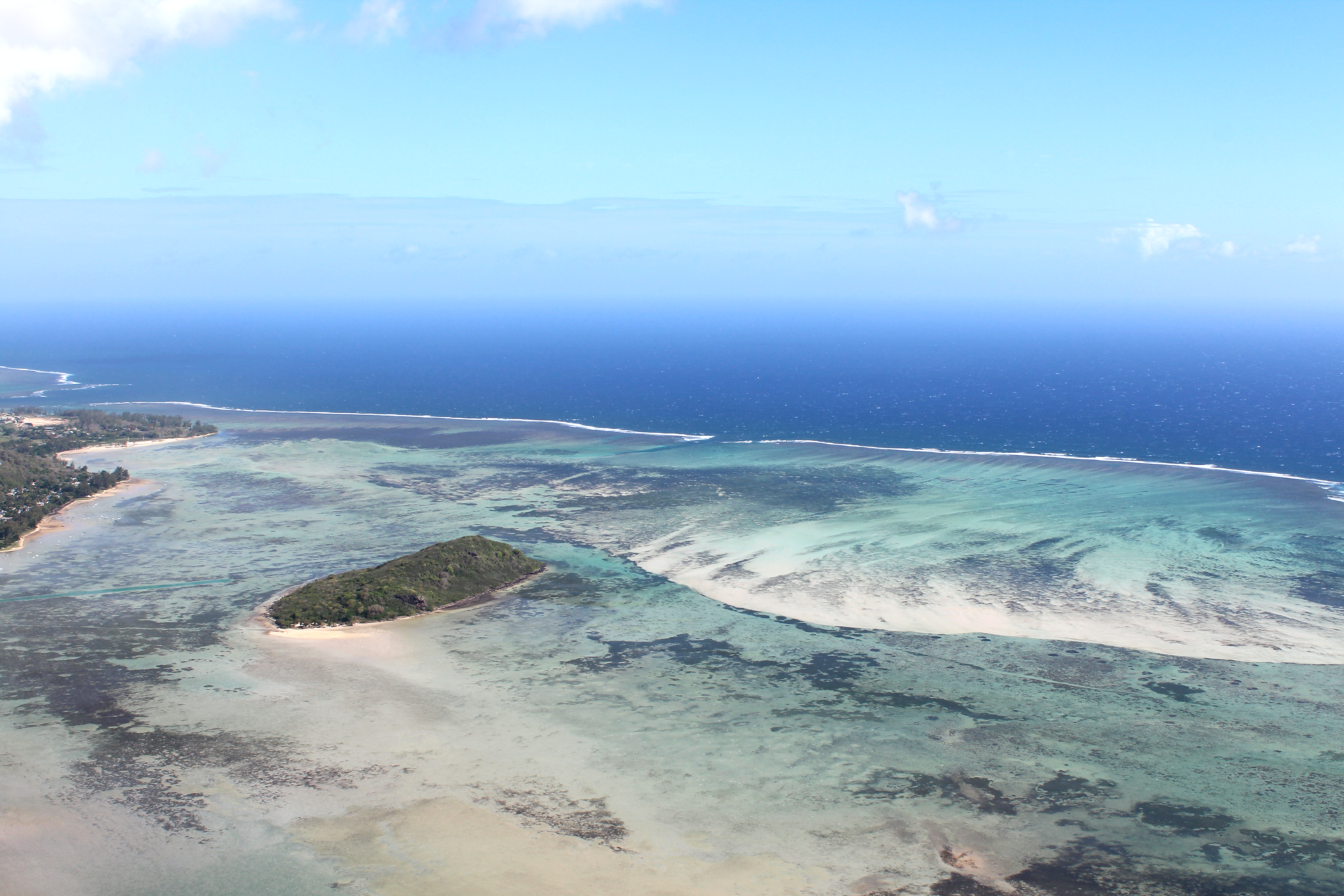
On the other side of the island, in Albion, scientists from the Mauritius Oceanography Institute (MOI) led by Dr Pierre E.D. Marie, have been monitoring the impact of the Wakashio spill for the last five years. “When the Wakashio came, it was a disaster,” Dr Marie tells me. “We were all shocked because there was a lot of damage.”
Oocheetsing Sadasing, Principal Research Scientist in MOI’s Biosciences Unit, was working that day along with many of his colleagues. “When the Wakashio grounded on the reef, it had a severe impact on the Blue Bay Marine Park and the surrounding marine fishing reserve,” he explains. “It is a highly environmentally sensitive area. Many fishers depend on these waters for their livelihoods, carrying out fishing activities not only within the lagoon but also along the coastal areas, where they collect bivalves for daily subsistence. All of these activities were adversely affected.”
In the weeks and months after the spill, over 50 marine mammals, along with countless fish from over 70 different species, crabs, starfish and seabirds washed up on shore or were seen floating dead in the water.
But Sadasing and his team detected a longer-term impact, one that presents a deeper problem for fishing communities like Angela’s. “Eventually the corals were also heavily impacted. We had a lot of coral destroyed in that region. And that one-day destruction of coral means there is an impact on the food chain.”
A healthy, diverse reef can sometimes recover after a bleaching event, but a reef physically crushed by steel loses the biological architecture needed to bounce back. The disaster accelerated a decline that was already underway.
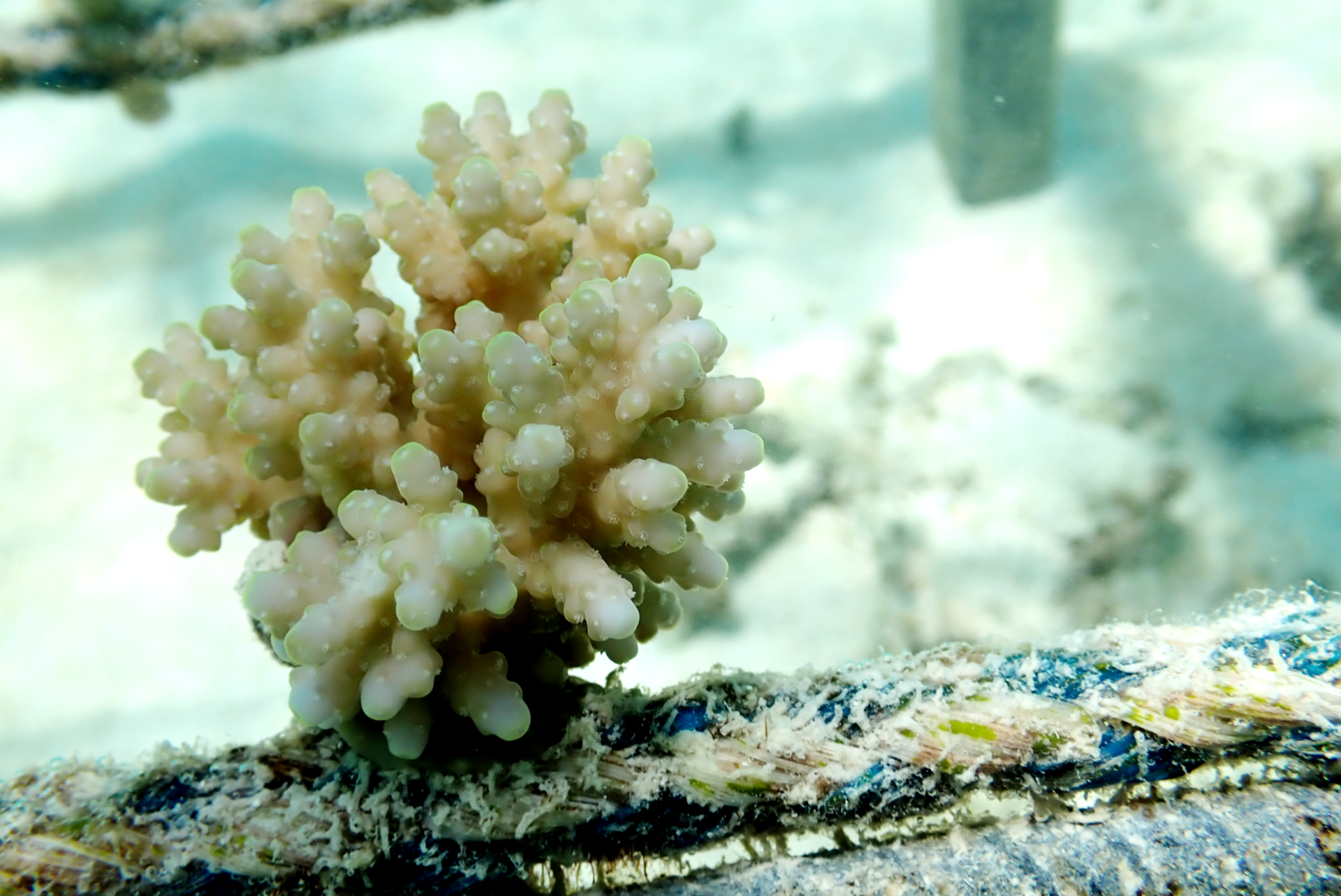
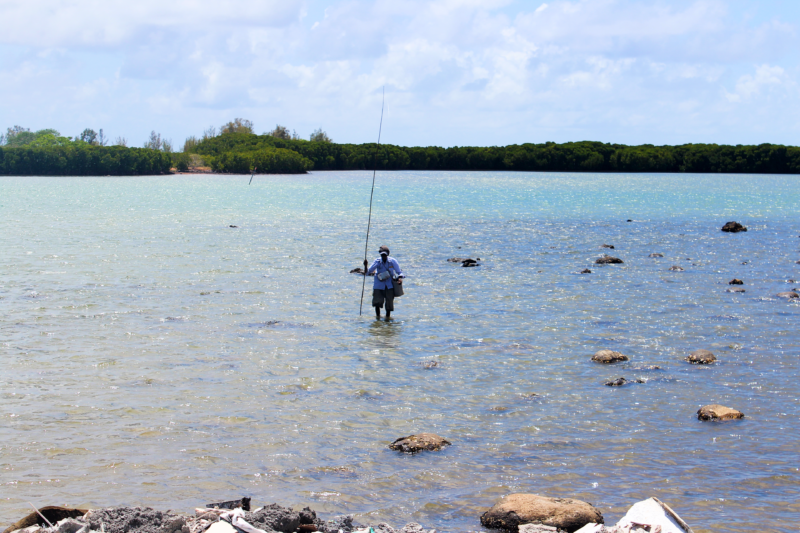
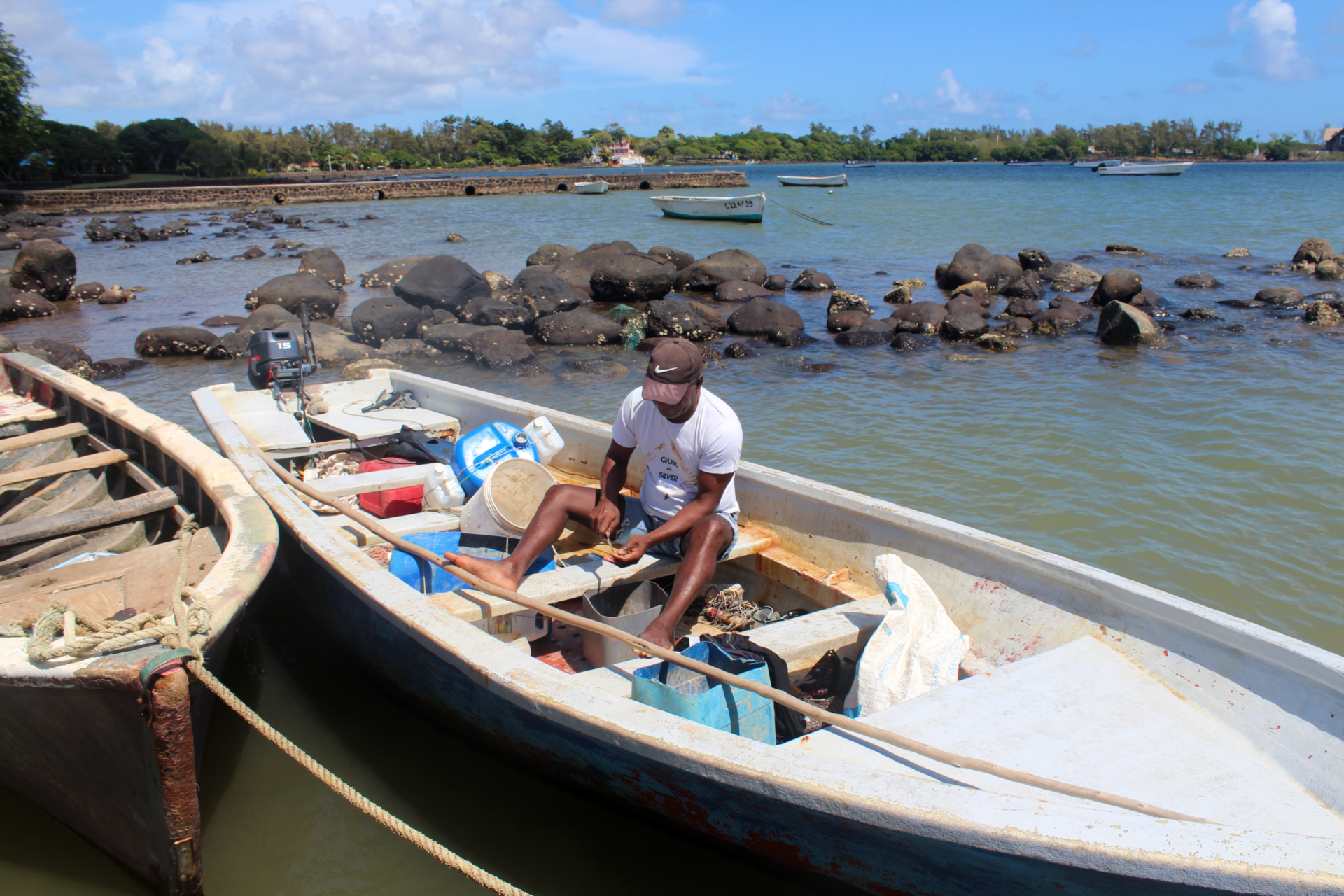
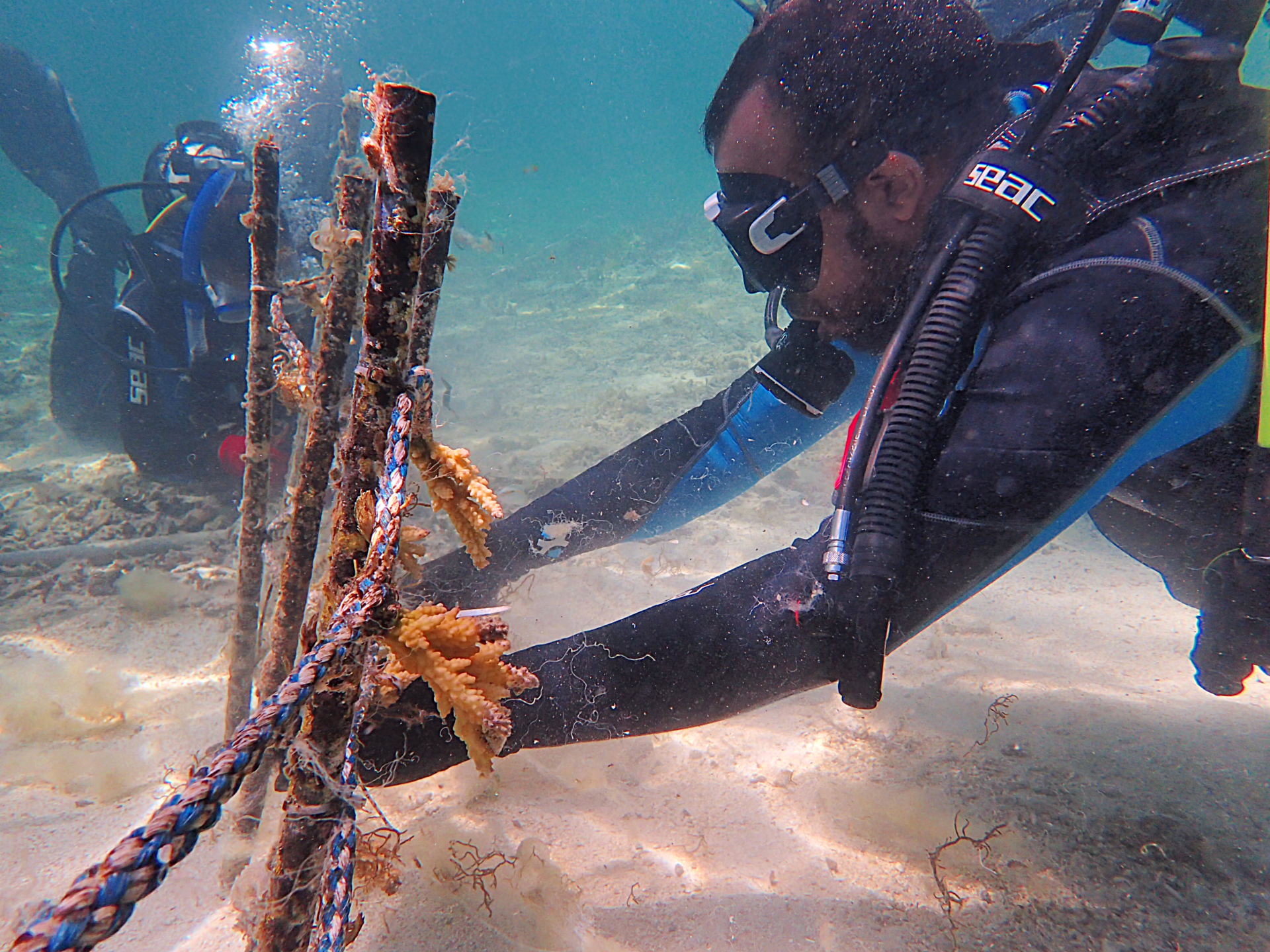
Angela, who started fishing professionally in Poudre d’Or the year after the Wakashio disaster, noticed the impact over time. “I started helping my father with his fishing business in 2021. As time went by, each year we saw that the quantity of fish we were getting was diminishing. During even just these four years I have seen how the fish we gather is dwindling. I saw the negative impact on the lagoon, and all the fishermen who fish in the lagoon saw the same thing.”
The Mauritius government faced an increasingly narrow set of choices. Fishing, anchoring, and other coastal activity added pressure to already-stressed reefs, while ocean warming and the Wakashio disaster turned what had once been a resilient ecosystem into a fragile one. As coral declined, fishing communities across the island watched their catches, and their incomes, shrink.
The MOI had already begun searching for a way to address both problems. In 2017, it launched a community coral restoration project to train fishers in coral culture, working with the Department of Fisheries and supported by government funding. After the Wakashio spill, coral restoration emerged as an alternative livelihood for coastal communities that had lost their primary source of income.
The community coral restoration project, now in its eighth year, has trained hundreds of members of Mauritius’ fishing community in how to culture corals in sea-based nurseries. Women have had an outsized impact on the programme’s success; despite their small numbers in the industry at large, they make up one-third of the trainees. For Angela, it was the beginning of a new chapter.
“For women, the work is a little more dangerous out at sea. There could be a large wave that could come and knock us out of the boat, but we are strong for this work [restoring corals],” she tells me, beaming. “We get together at the water’s edge, and everyone has their own role. The instructors [from the MOI] gave us long ropes of elastic, and we lodge coral fragments in the rope. That way if a cyclone comes, the rope is very strong, and it won’t dislodge the coral. Then we fix the ropes to a metal structure below the water.”
For communities like Poudre d’Or, it’s an effort to breathe life back into the reef that supports them, and for women like Angela, it’s another source of income when fishing becomes more precarious.
Oocheetsing Sadasing says female participants also have a unique advantage. “One component of coral farming is taking coral fragments from the seabed, bringing them on board, and tying them to ropes,” he tells me. “It’s delicate work. It’s easier to do this activity with women compared to men because they have smaller hands and they were taking a lot of care compared to the men.”
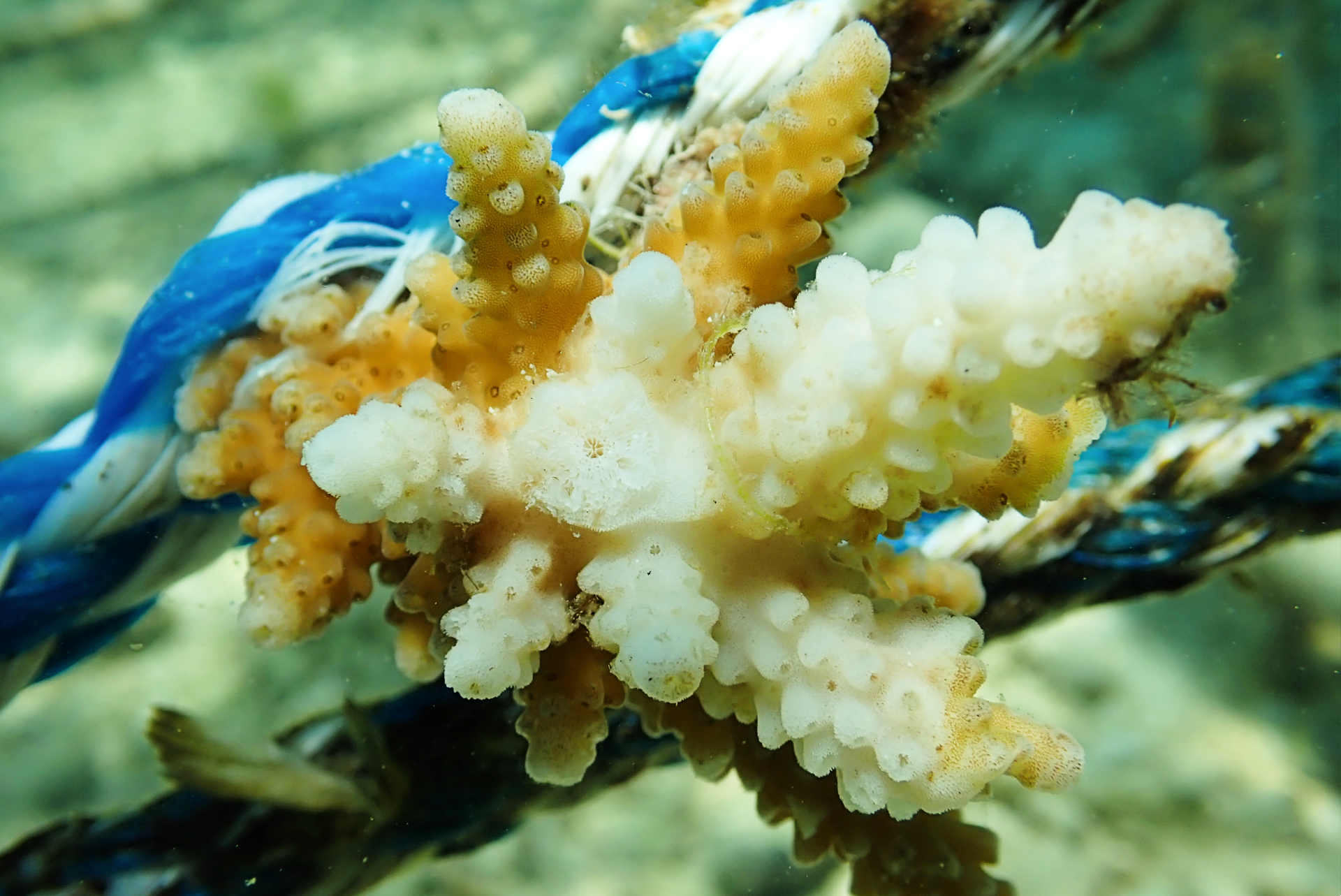
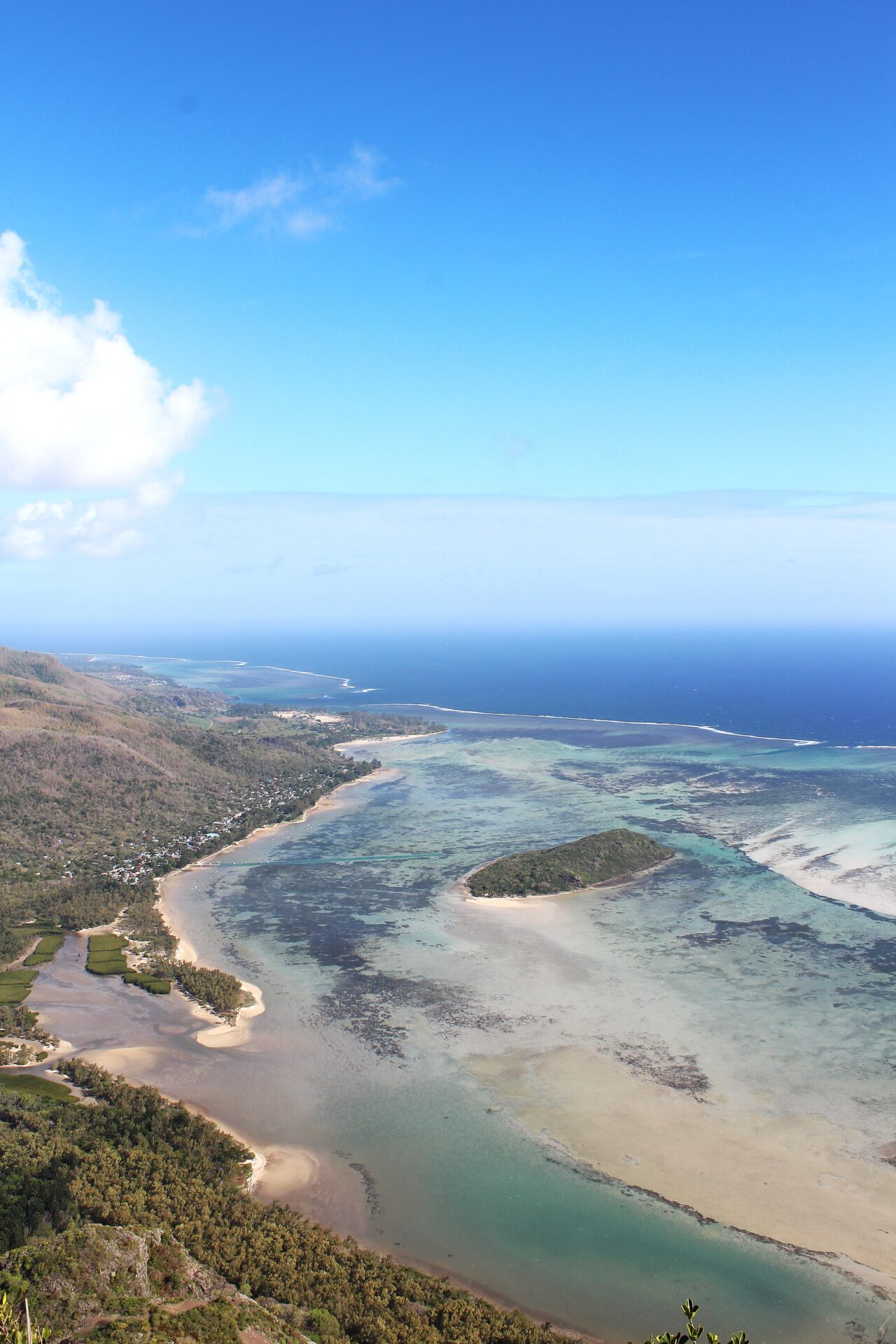
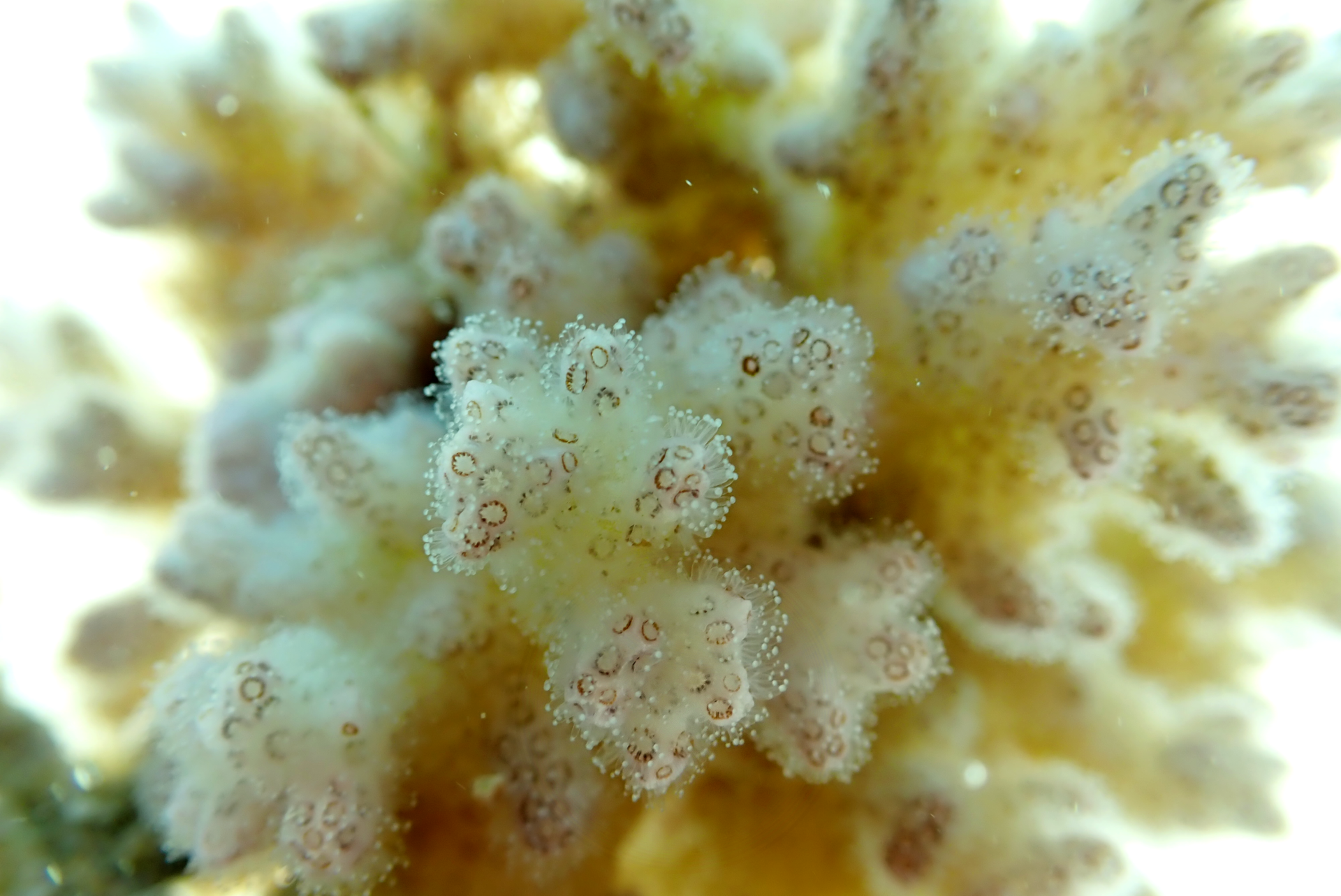
The programme aims to raise awareness of coral fragility: another reason why female participation has emerged as such a key ingredient for success. “We found that women spread awareness in their communities, saying ‘Coral is planted here, don’t fish here.’ See, they have a voice in the community and people listen to them,” explains Sadasing.
It’s according to Angela that before the programme, education about the fragility of coral and its place in the reef ecosystem was low among fishing communities. “We asked why our fish populations were dwindling, because we didn’t know,” explains Angela. “But the MOI project was raising awareness that when you walk on the corals, searching for crustaceans, it destroys the habitat of the fish. With the little that remains to us, we don’t want to keep damaging them. Now everyone is conscious of the corals.”
The future remains precarious for Mauritius’ coral reefs. Coral is notoriously slow growing, and with so much already lost, the scale of restoration needed is daunting. But for Dr Marie, fishing communities are key to continuing the fight.
“Coral damage is continuing, but the restoration is ongoing too. There are repeated coral bleaching events. Sometimes coral recovers, sometimes it does not. One day, our fishers may be multitasking, not only fishing but also restoring corals,” Dr Marie explains.
Now, when Angela walks the lagoon with her children, there are places she will not step. She knows where coral is growing, and her colleagues know where not to fish.
With so much coral loss driven by factors beyond the community’s control, theirs is a fight that’s growing harder each year, with less coral to lose, and less time to get it back.

Printed editions
Current issue
Back issues
Enjoy so much more from Oceanographic Magazine by becoming a subscriber.
A range of subscription options are available.
