Coral protection needs simpler solutions and fewer 'buzz' words
Following the release of new, eye-watering data from the Global Coral Reef Monitoring Network that global hard coral cover has declined by 9.5% since historical levels, Sophie Benbow, director of marine at Fauna and Flora assesses the simpler solutions to protection and dismisses the 'buzz' words.

The outlook for coral reefs is not looking positive. Ocean warming, pollution, fishing damage and coastal development have all taken their toll on this crucial ecosystem, and while some challenges can be improved or addressed, when it comes to ocean warming and acidification, realistically, we’re past the tipping point.
Studies have shown that corals are likely to be extinct in their current form in the next 20-25 years, because we’re on a track to ocean warming that’s beyond their current ability to survive. Meanwhile, new data released this week from the Global Coral Reef Monitoring Network shows that global hard coral cover has declined by 9.5% since historical levels (1980–2009), and this has been driven primarily by human-induced climate change.
But, coral – like us – can adapt. Another recent study from Wildlife Conservation Society (WCS) and Macquarie University has identified more than 165,000 square kilometres of coral reefs across 71 countries that are resilient to climate change – three times more than previously estimated. This is good news for ocean health; studies show that at least 25% of marine species rely on coral reefs for survival, and – when it comes to supporting people – they not only provide a healthy habitat for thriving fish stocks, but they can help protect coastal communities from extreme weather events, like storm surges.
It’s very promising that there are still some corals that are adapting to, or surviving, warmer waters. But what we do with these findings poses a big question for conservationists, communities and governments globally – where do we focus our energy when it comes to coral reefs?
The buzzy answer would be that we should harness our scientific prowess and genetic engineering capabilities to replicate these “super” corals and outplant them in seas around the world. This kind of bold blue-sky thinking gets big headlines and big investment. But, when it comes to conservation, we know that flashy solutions often aren’t the answer in isolation.
More from the Columnists
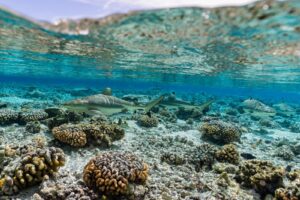


Coral reproduction – whether done in a lab or coral nursery – and out-planting can work as a localised solution where the focus is on restoring a resilient, but damaged reef. We’ve seen some success in places like the Florida Keys where the survival rate has been high, but, realistically, making these efforts work on a larger scale is expensive, risky to healthy corals, and cannot be delivered at the speed that the ocean needs.
When it comes to climate resilient coral, investment would be better spent on increasing effective protection of those surviving reefs, because if we can’t protect the healthy coral we already have, what makes us think we will be able to protect and nurture newly planted reefs?
As I said, climate change is not the only threat to coral reefs globally. Other human impacts, like pollution, anchoring, bottom trawling and even blast fishing, cause physical damage to reefs that even the most resilient can’t survive. Better support for locally-led protection of the world’s most important reefs is where energy would be best focused. When communities are in charge of safeguarding their local wildlife, conservation is more impactful and most sustainable – and sustainability has to be a big part of how we address things going forward.
We know that some reefs are surviving, but others are not, so solutions also need to focus on how we find good replacements for those coral reefs that are – sadly – going to be extinct in the coming decades, so we can help the people and wildlife that rely on healthy coral reefs to survive too.
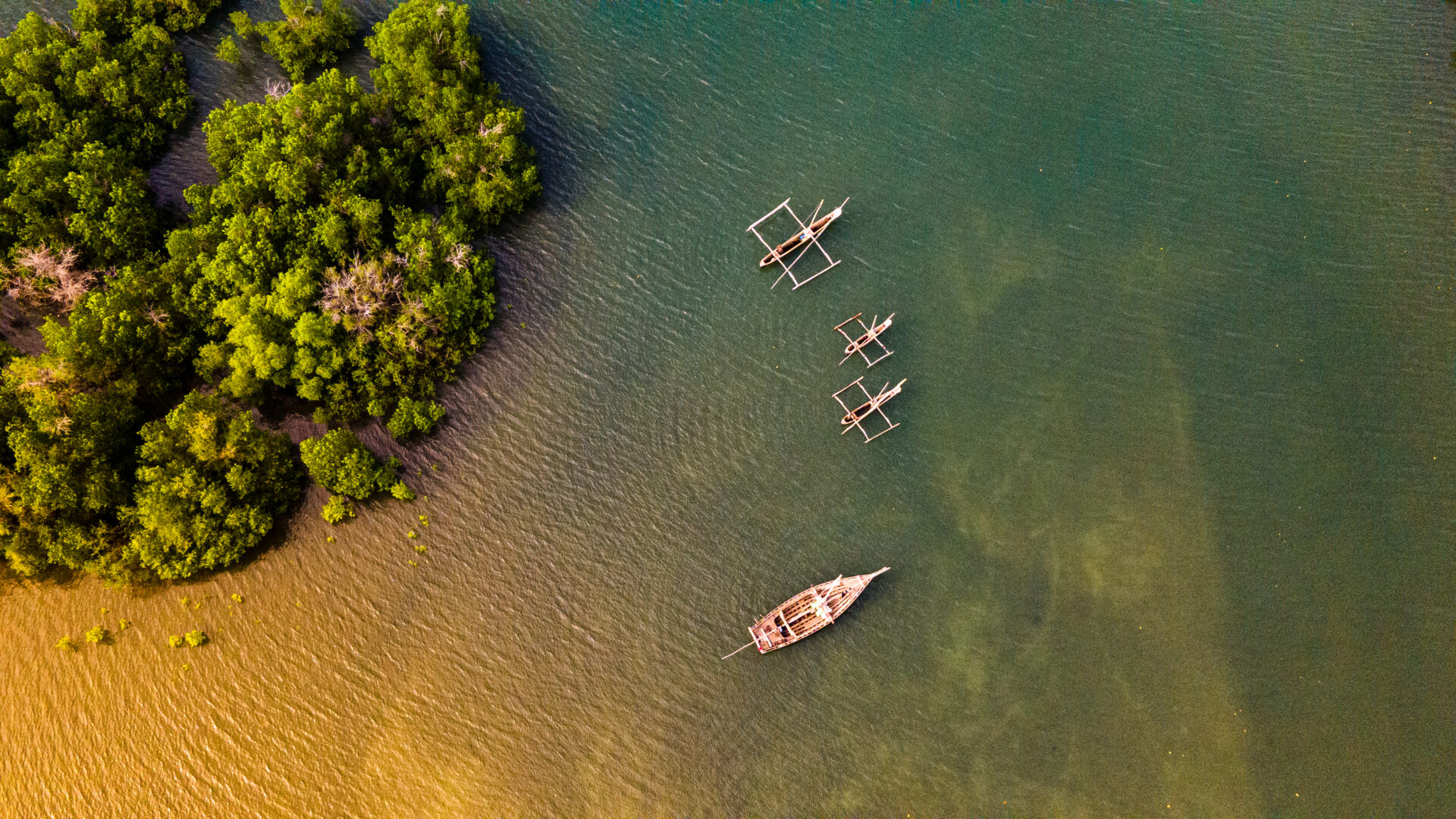
Fauna & Flora specialises in working with local partners to support the development of conservation approaches that are locally-appropriate and sustainable. One of our key challenges is balancing the need to deliver effective, sustainable and equitable conservation, with an inevitably limited pot of conservation funding. It is essential, therefore, to focus spending on cost-efficient interventions that meet key criteria to both maximise positive impact for coral and the people that depend on it, while avoiding any potential harm to natural reef systems and processes.
One relatively cheap and effective solution that meets these criteria in certain contexts, and that Fauna & Flora’s global partners have been trialling, is substrate provision for passive resettlement.
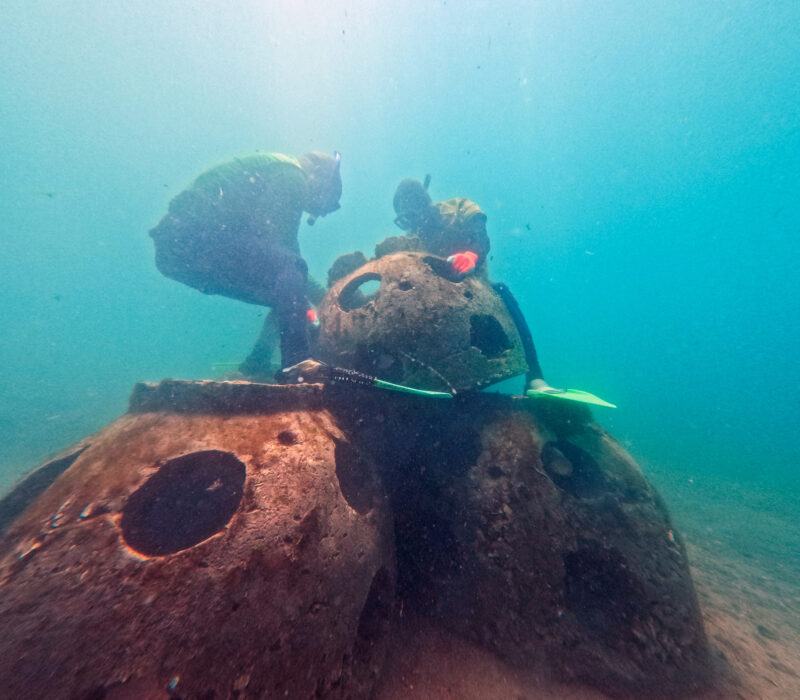
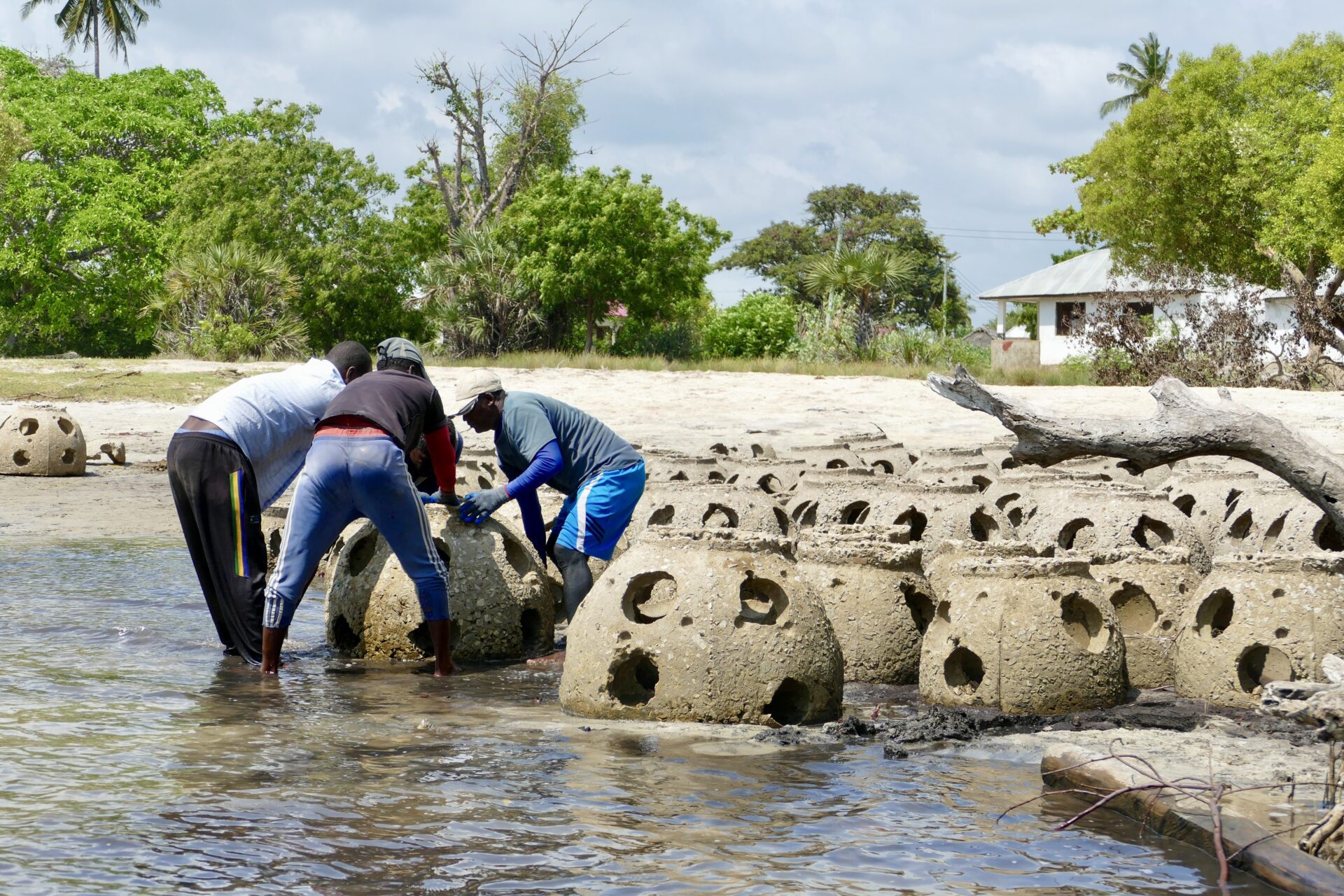
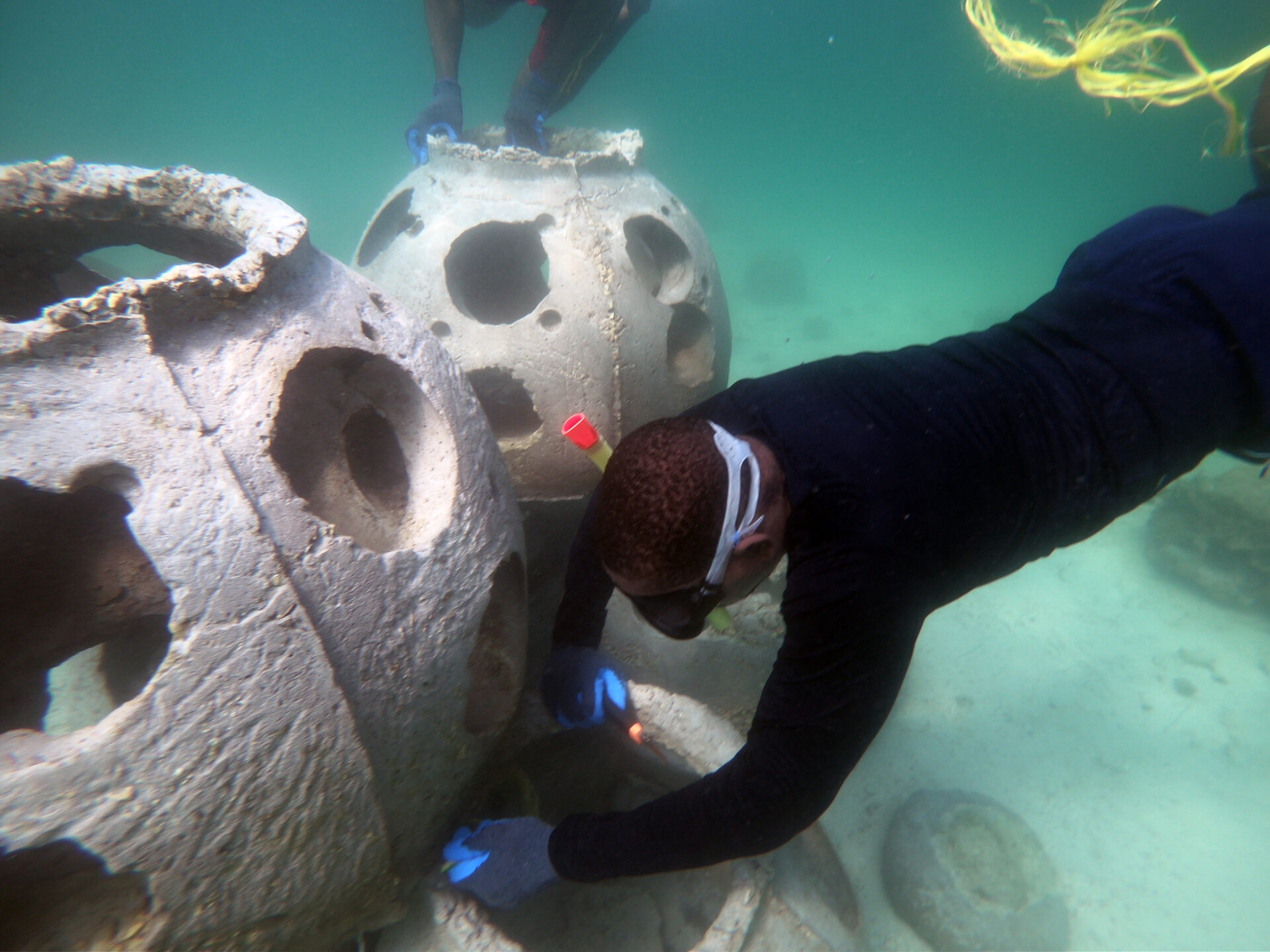
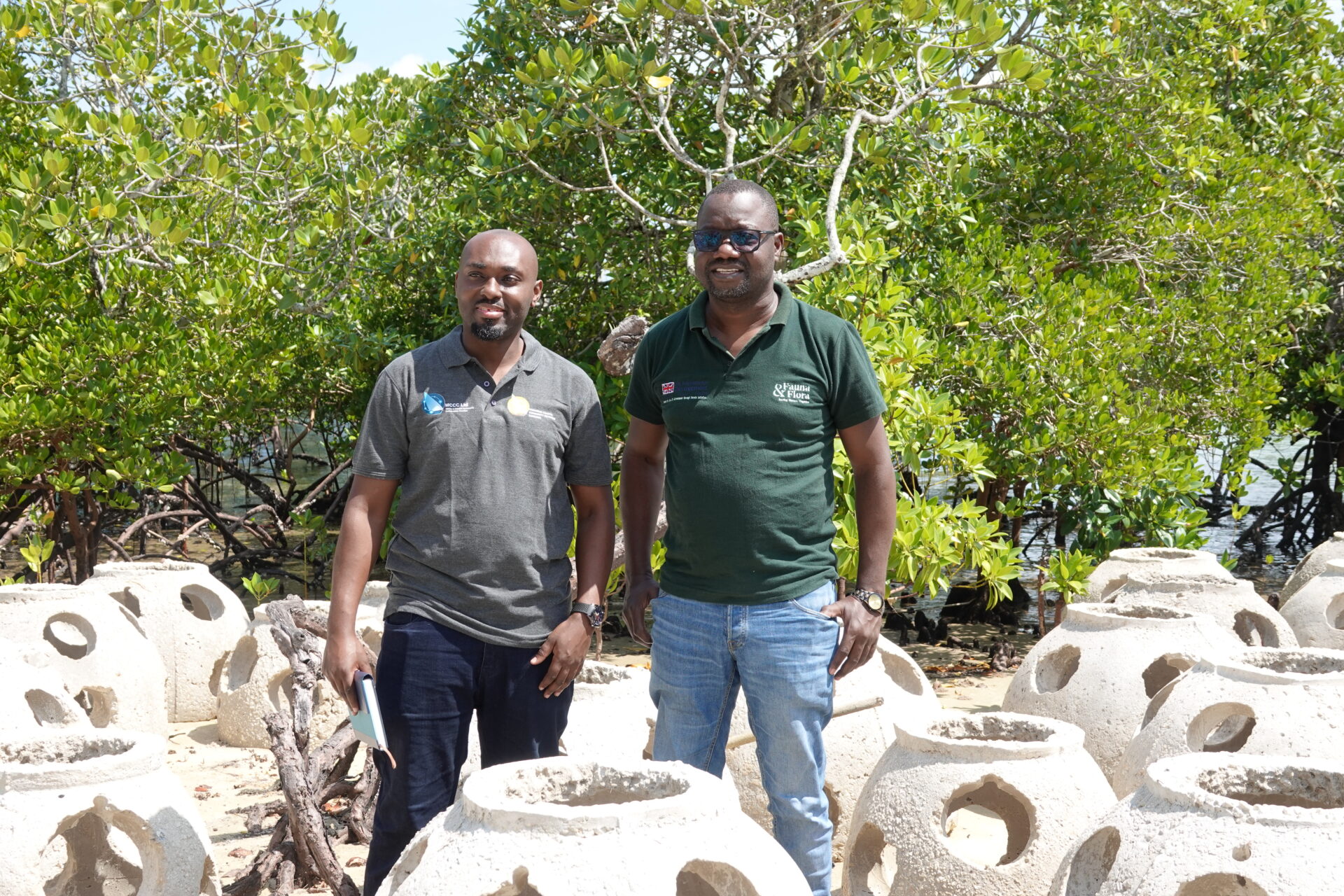
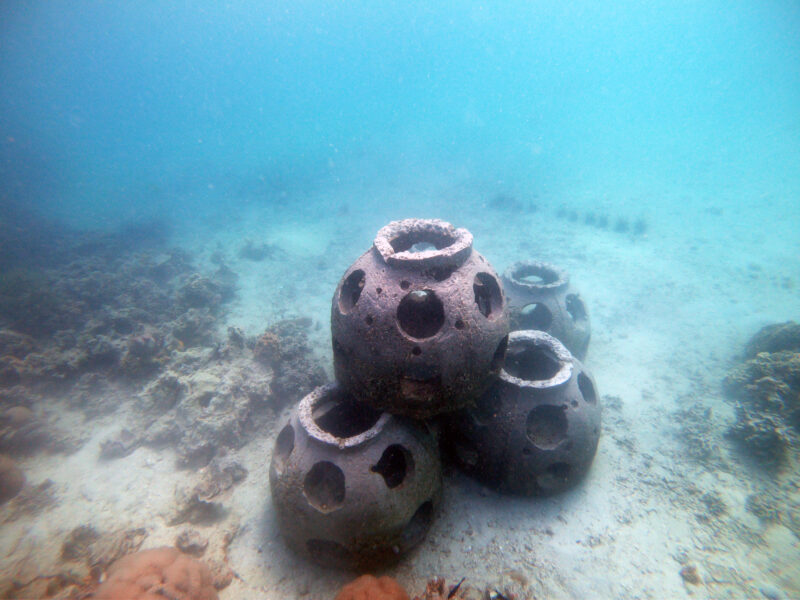
In Tanzania, our partner Mwambao Coastal Communities Network, has seen great success in deploying so-called reef balls off the coast of mainland Tanzania, near the Pemba channel. The reef balls, which are essentially large, hollow concrete blocks with holes in them, create an alternative hard substrate for coral recruits to naturally settle on, while also providing new habitats for fish and other marine organisms.
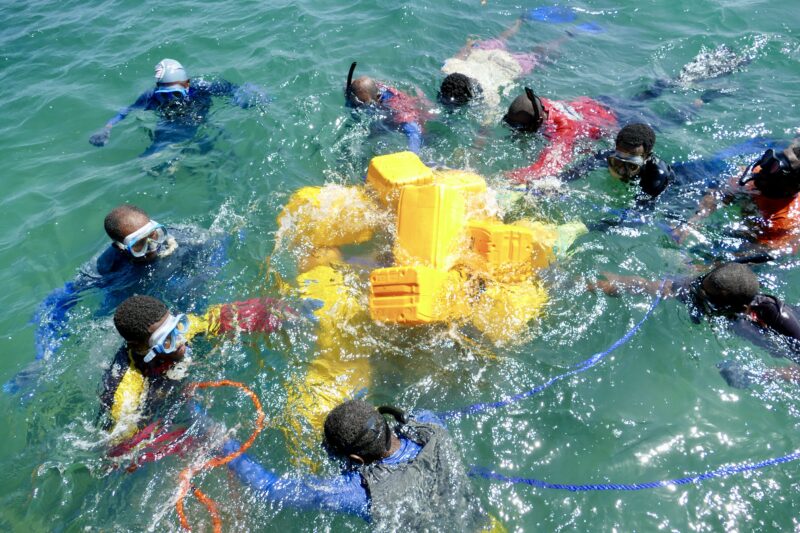
While supported by Mwambao, in addition to Fauna & Flora and Blue Action Fund, this solution is largely driven by communities for communities. Since the first balls were sunk into the ocean in 2019 by local volunteers, communities have seen a rapid increase in fish and other marine life, supporting both ocean health and people’s livelihoods.
We’ve also seen similar – and even speedier – outcomes in Cambodia. Just three years ago, our local team and partners deployed anti-trawling blocks off the coast of Cambodia’s southern Koh Kong province. Around 1.5 metres long, these concrete blocks not only obstruct illegal trawling boats from operating in community protected areas, they also provide another artificial habitat for corals and fish.
On a recent dive, our team observed immense coral, sponge and invertebrate coverage, and highly diverse fish life. They also noted that, despite the water temperature being 32 degrees, there was very little evidence of bleaching – a very positive sign that the corals (likely naturally recruited from a nearby coral reef) show some signs of natural resilience.
These new concrete-based reefs aren’t technically functioning coral reefs like we traditionally know today – but they are ultimately providing a biodiversity bubble in a place where natural reefs have been damaged or overheated, and, critically, engage and benefit local communities for a very small fraction of the cost of lab-grown corals.
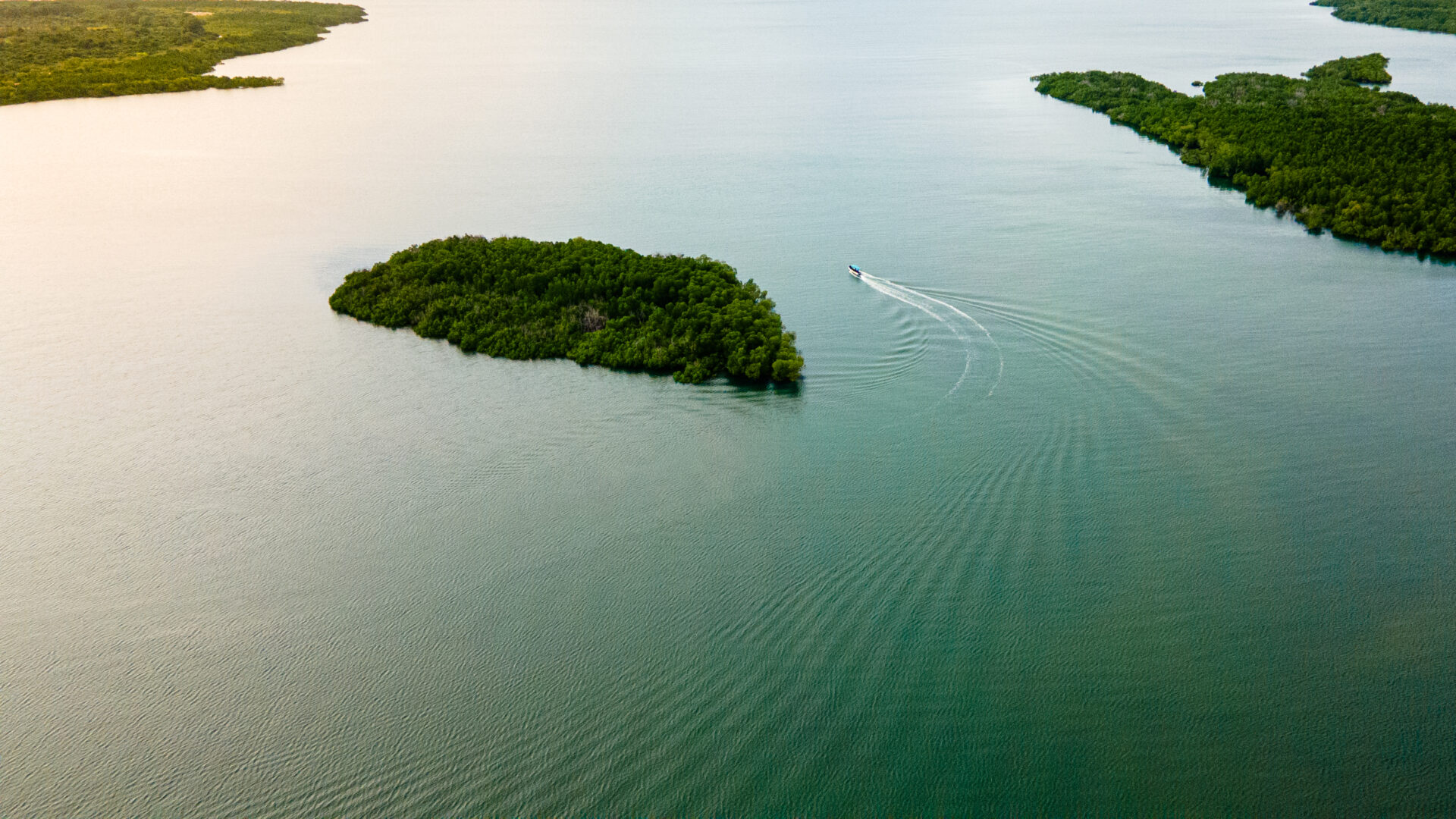
Of course, the fundamental challenge is mitigating and reversing climate change. While global warming looks like it has passed one tipping point, we must still do what we can to halt the warming and acidification of the ocean going forward. Because it’s not just the corals that will suffer. All marine life and all people who are reliant on a healthy ocean for survival become increasingly under threat as the ocean warms – while the vital role of the ocean in regulating planetary health is undermined too.
No matter what other challenges are occurring, governments globally must agree to, and then commit to delivering, their climate emissions reduction targets. If we continue on the current trajectory, we stand to lose so much more than coral. Innovation will help us to address some of the challenges we face, but we must not, in searching for the new, lose sight of the tried and tested, simple approaches that once-scaled can have such an amazing impact.
Sophie Benbow is the director of marine at the international environmental NGO, Fauna & Flora.
Meet all of our columnists here.
Printed editions
Current issue
Back issues


Enjoy so much more from Oceanographic Magazine by becoming a subscriber.
A range of subscription options are available.
