Against the clock: Coral reefs demand a renaissance in discovery
Ahead of the World Ocean Summit, Oliver Steeds, director of Ocean Census warn that without rapid emissions cuts, restoration, biobanking, and accelerated discovery through Ocean Census, we risk losing irreplaceable coral reef biodiversity underpinning climate resilience, medicine, and human survival.
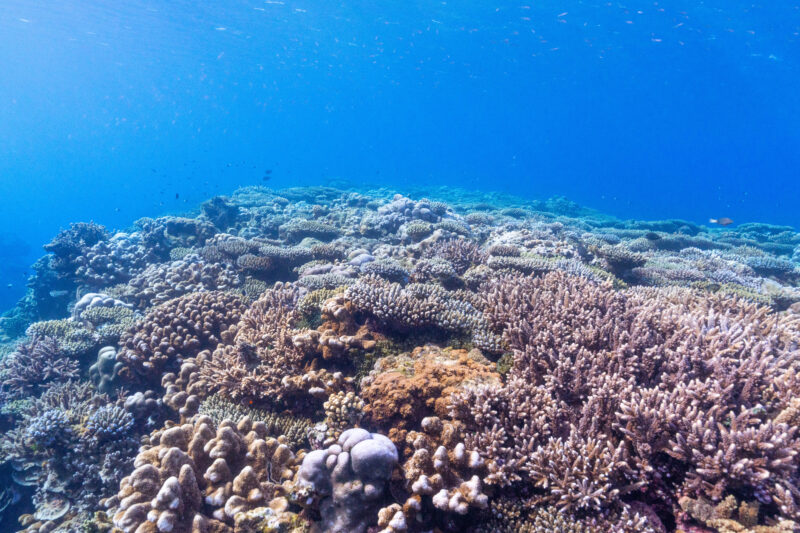
Coral reefs face catastrophic collapse. Thermal tipping points for widespread, irreversible dieback have already been passed at 1.2–1.4°C of global warming. The ocean is already 30% more acidic since the Industrial Revolution began, weakening coral reefs growth – akin to the osteoporosis of the sea.
Unless we reduce global emissions at extraordinary speed and scale mass restoration with thermal resistant coral resilient to increasingly acidic waters – the future is dire: at 1.5°C, we lose 70-90% of reefs; at 2°C: 99% destruction.
And here’s the compounding tragedy: we’re losing reef biodiversity before we even know what exists.
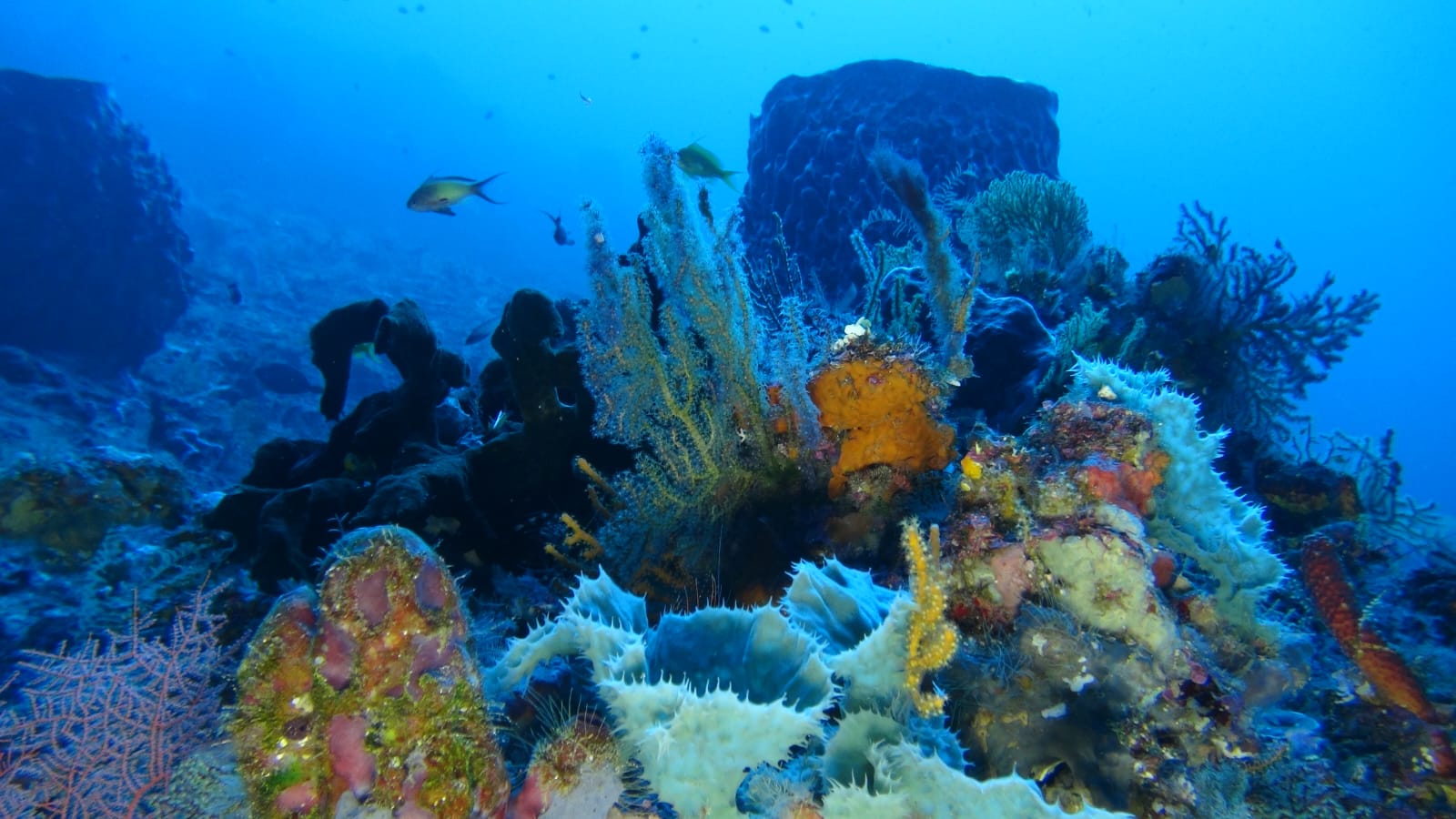
Coral reefs are Earth’s most concentrated biodiversity factories. An estimated 830,000 multi-cellular plants and animals live on reefs – yet only nine per cent are known – identified and named. Across the global ocean, it’s a similar picture – we’ve documented just 250,000 of 1-2.2 million estimated marine species. We’re conducting planetary-scale extinction on an incomplete biological inventory.
This isn’t just a scientific gap, it’s a planetary blind spot – a strategic failure with cascading consequences for climate adaptation and likely human survival. It’s civilizational failure at the moment when Earth’s biodiversity – the life that makes all life possible on Earth – needs us most.
The Discovery Crisis
From specimen collection to formal description takes on averages 13.5 years – some taxa require 24 years. At current rates it would take 400-900 years to document ocean life. The only silver lining is we’ve invested significantly in collecting ocean life over the last few decades. Museums and marine institutes globally already house tens of millions of unsorted specimens, including likely hundreds of thousands of new species, locked in backlogs without resources to transform the undocumented into documented, the invisible into recognised.
For coral reefs there’s some low hanging fruit here to quickly fill the inventories. 110,000 (∼13%) are in these legacy collections – thought to be new but not formally described in scientific literature, and so currently with limited value and accessibility for scientists and decision makers.
Meanwhile, urgent policy and commercial imperatives demand immediate species data. The BBNJ Agreement requires species inventories for High Seas management. The Kunming-Montreal Global Biodiversity Framework demands biodiversity baselines by 2030. EU regulations require corporate biodiversity due diligence. Nature markets and biodiversity credits need verified metrics.
Policy windows don’t wait 13 years. Financial markets won’t wait. Extinction doesn’t wait.

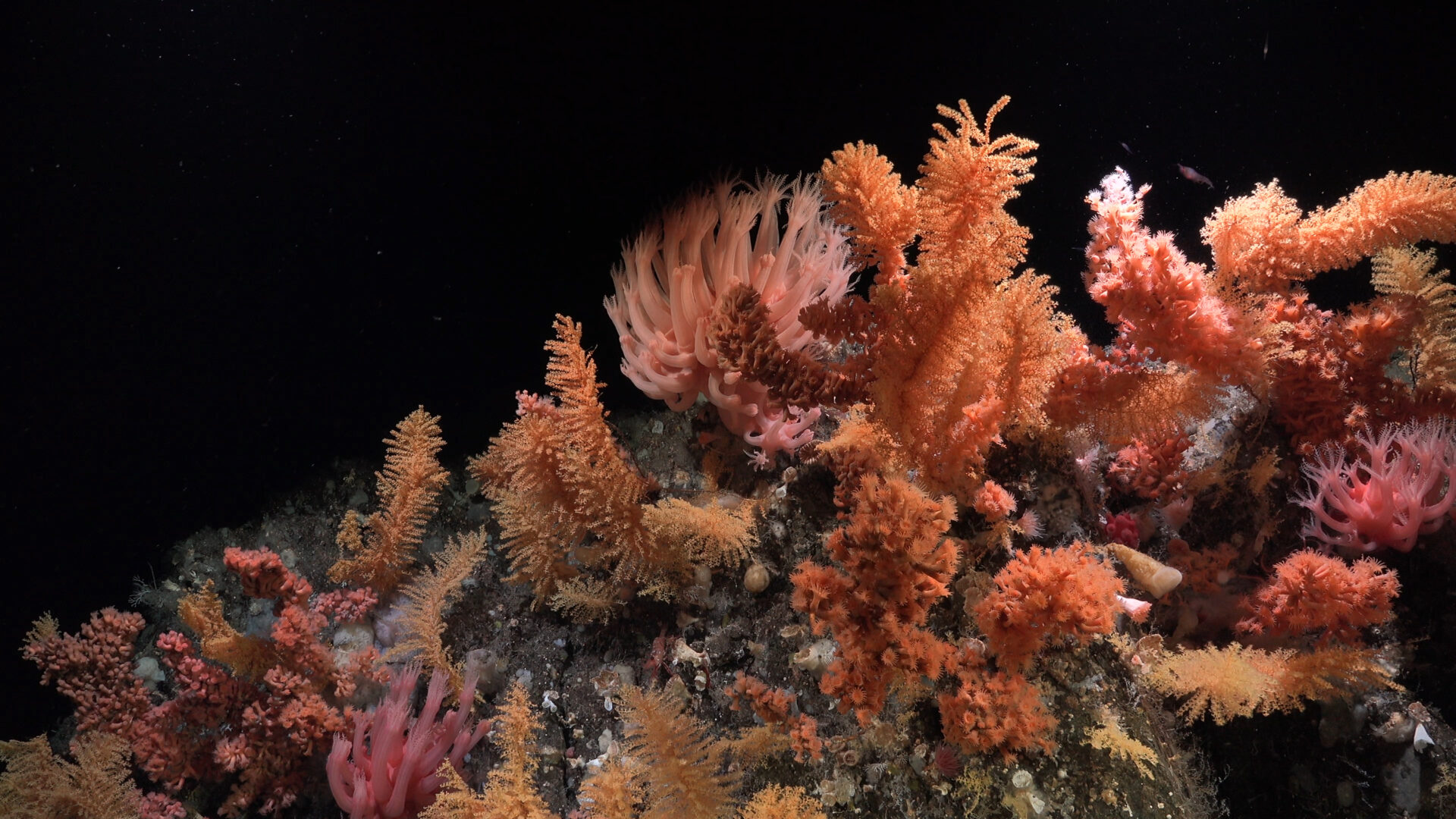
What We’re Losing
Coral reefs have existed for nearly 500million years. Every undocumented species represents millions of years of evolution – unique solutions to survival challenges we cannot engineer from scratch.
Approximately one billion people depend on reefs for their livelihoods. They are essential for coastal protection, food security, tourism and culture with their ecosystem services valued at $9.9trillion annually. Through the looking glass of just human medicine and technology as an example, coral reef species have already been revolutionary. Caribbean sponges yielded cytarabine, a leukaemia chemotherapy saving thousands of lives since the 1960s. Coral exoskeletons now enable bone grafts that promote healing within weeks and naturally biodegrade.
Scientists estimate over 20,000 chemical compounds with pharmaceutical potential have been identified in coral reefs – growing by more than 1,000 annually. The 91% of reef species we haven’t named likely contains solutions to antibiotic resistance, cancer, chronic pain, and diseases we don’t yet understand. When species disappear before documentation, we lose these innovations – along other critical value to ecosystem services – before recognising their existence.
A Dual Strategy
Innovative technologies for reef regeneration with thermal resilience are advancing. Scientists, civil society, business, and philanthropy are mobilising. CORDAP, for example, coordinate 2,000+ researchers developing restoration solutions and estimate it will cost $65 billion to save reefs.
Given the likelihood of increasing ocean acidification, thermal tipping points continuing to be breached – alongside the compounding challenges of reaching the speed and scale of investment and industrial capacity for restoration – we also need to consider parallel innovations:
Systematic biobanking. Active preservation now – collecting, cataloguing, and preserving coral genomes and associated biodiversity at risk from the heating and acidifying ocean before collapse. Future restoration may depend on biological archives we create today. But biobanking without rapid identification creates warehouses of unlabelled specimens—scientifically invisible and useless to conservation, research, policy and industry.
Accelerated discovery. Transform how quickly we identify marine life. Not by lowering standards, but by evolving methods to match urgency. Ocean Census – a global network of 1,200+ taxonomic experts across 650+ institutions in 80+ nations – is proven in accelerating species discovery and have developed systematic approaches that maintain taxonomic rigor while reducing documentation from years to weeks.
Valourising species data
By making species data more accessible and more quickly, we can begin to spark a value chain that would begin to invest more into species discovery and systematic bio banking. Each discovery builds collective value through immediate applications: MPA design, IUCN Red Listing, eDNA biomonitoring, climate vulnerability assessments, and nature markets.
A more transparent documentation process also adds greater equity into the value chain. When species discoveries are openly accessible with clear geographic provenance, benefit-sharing frameworks become operational rather than aspirational. The Nagoya Protocol and BBNJ Treaty require tracking specimen origins for equitable distribution of benefits. Systematic documentation creates transparency ensuring nation harbouring Earth’s greatest reef biodiversity can document it, benefit from it and have more cause to protect it.
The Inflection Point
The last coral reef collapse took 1-2 million years for corals to return. We have no idea what we lost of the four billion years of life’s evolutionary development on Earth during that last mass extinction of coral reefs.
If we’re serious about preventing – or at least eventually reversing – this collapse, we need biological archives: systematically collected, properly catalogued, genetically sequenced.
To protect, sustain and value our coral reefs and their biodiversity, we are also going to need to first discover them.
Printed editions
Current issue
Back issues
Enjoy so much more from Oceanographic Magazine by becoming a subscriber.
A range of subscription options are available.
