Hope mustn't die: dialogue must replace fear in the Faroe Islands
The centuries-old grindadráp (or grind) remains a defining, if divisive, tradition in the Faroe Islands: a hunt in which pilot whales and dolphins are driven into shallow bays and killed. But there is - today - a diminishing number of Faroese locals who actually support the practice. Sea Shepherd's Campaign Director at Stop the Grind asks - why aren't their voices being heard? This feature comes with very upsetting images.
In the Faroe Islands, an island nation lying just 200 miles off the north coast of Scotland, a conversation that should be happening is not.
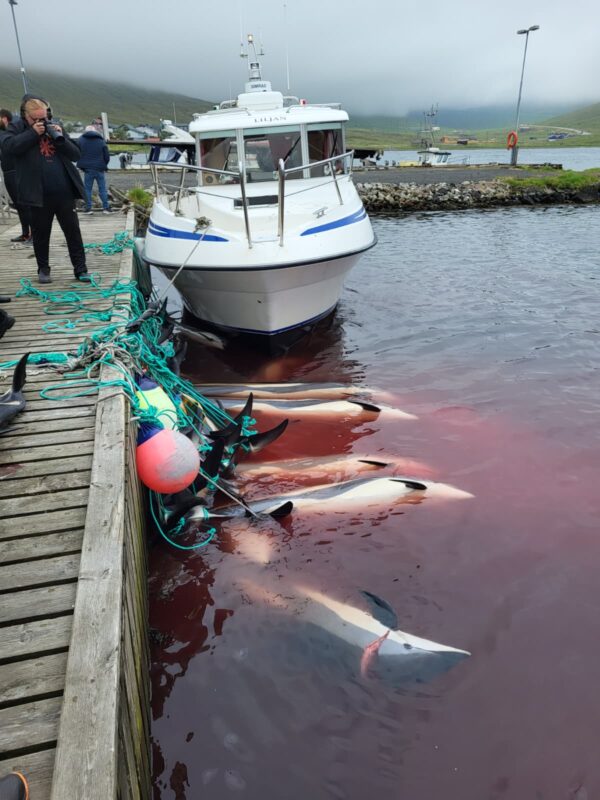
The centuries-old grindadráp (or grind) remains a defining, if divisive, tradition: a hunt in which pilot whales and dolphins are driven into shallow bays and killed. The dramatic images of blood-stained waters and beached marine mammals occasionally make the news, drawing international attention to these long-standing practices. Yet what goes unreported is the silence that surrounds these outdated practices at home. This is not so much the comfortable silence of consensus, but rather the uneasy quiet of a community where many voices remain unheard.
The numbers tell a different story than the one often presented. According to recent research, 71% of Faroese people never or rarely participate in the grind. Among women, that figure rises to 94%, according to a recent Gallup poll.
Every society experiences evolving traditions – with some we are prouder of than others.
The Faroe Islands are home to many vibrant cultural celebrations, like Ólavsøka – the island’s national day which features a rich display of communities coming together to celebrate their identity with storytelling, music and rowing.
While we should continue to celebrate beautiful traditions that bring people together and exist in harmony with the world around us, we must also recognise that a serious conversation is required about one element of Faroese tradition that does the exact opposite.
The grind has long been presented as cultural heritage, but if this is truly the case, should not all voices have a role in discussing how that heritage is preserved? Cultural practices and the national traditions we celebrate belong to entire communities, not just their most vocal advocates.


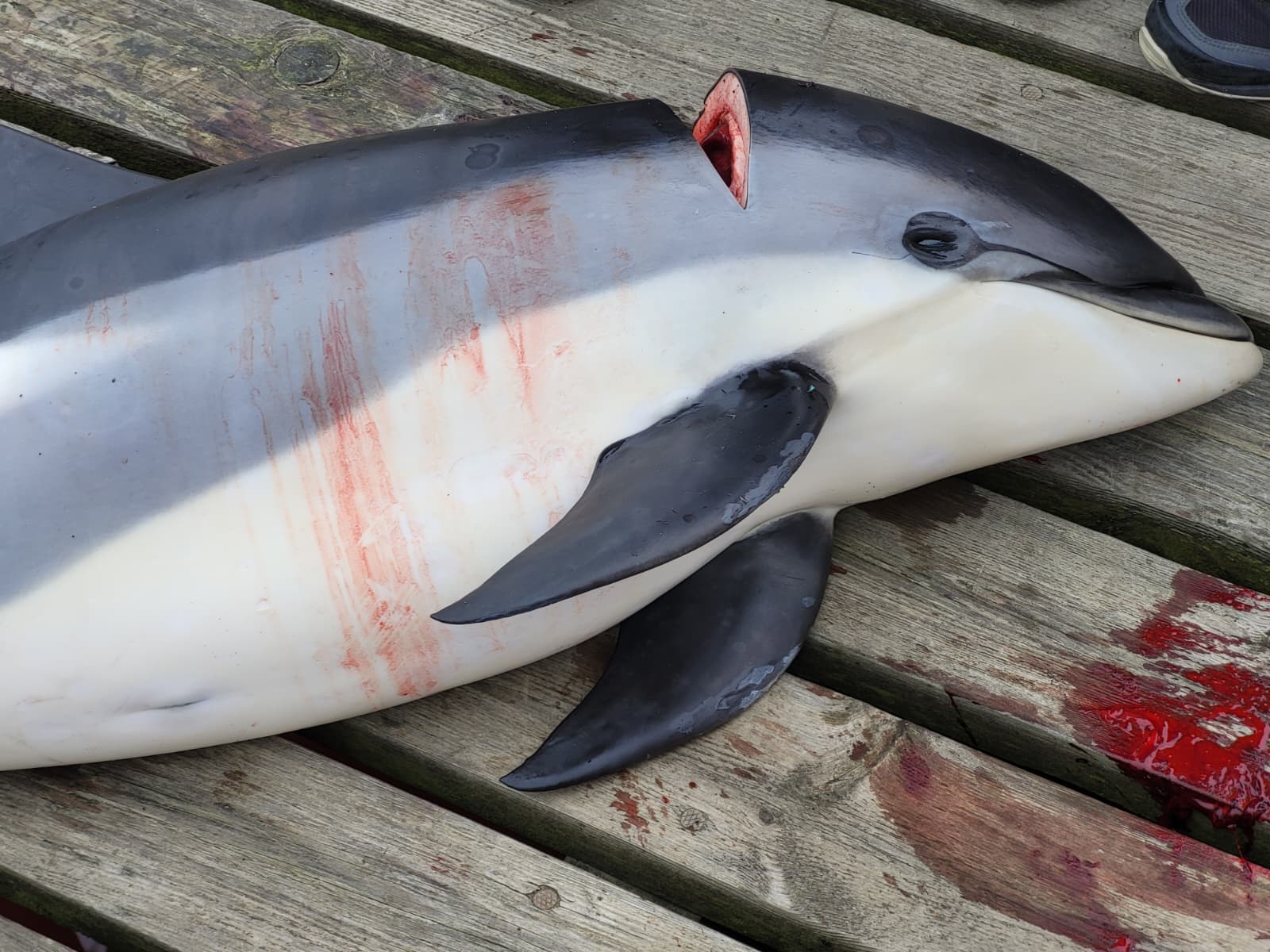
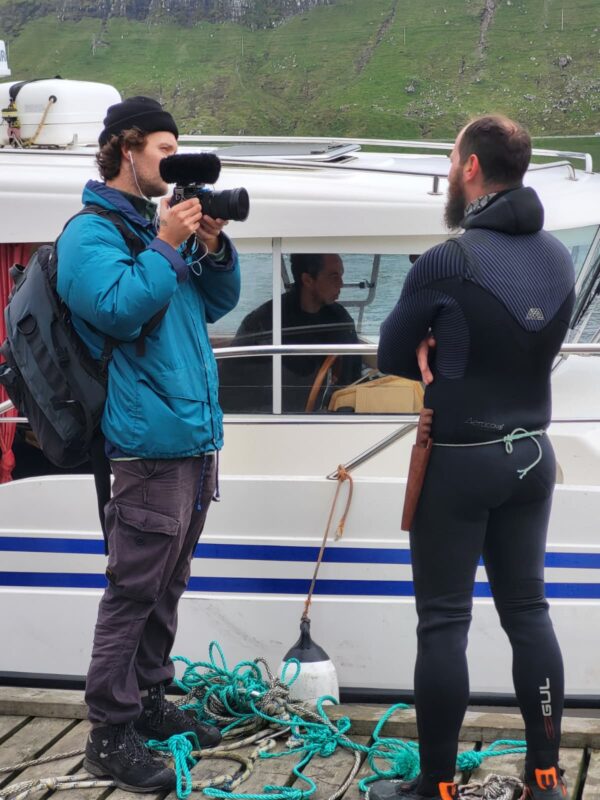
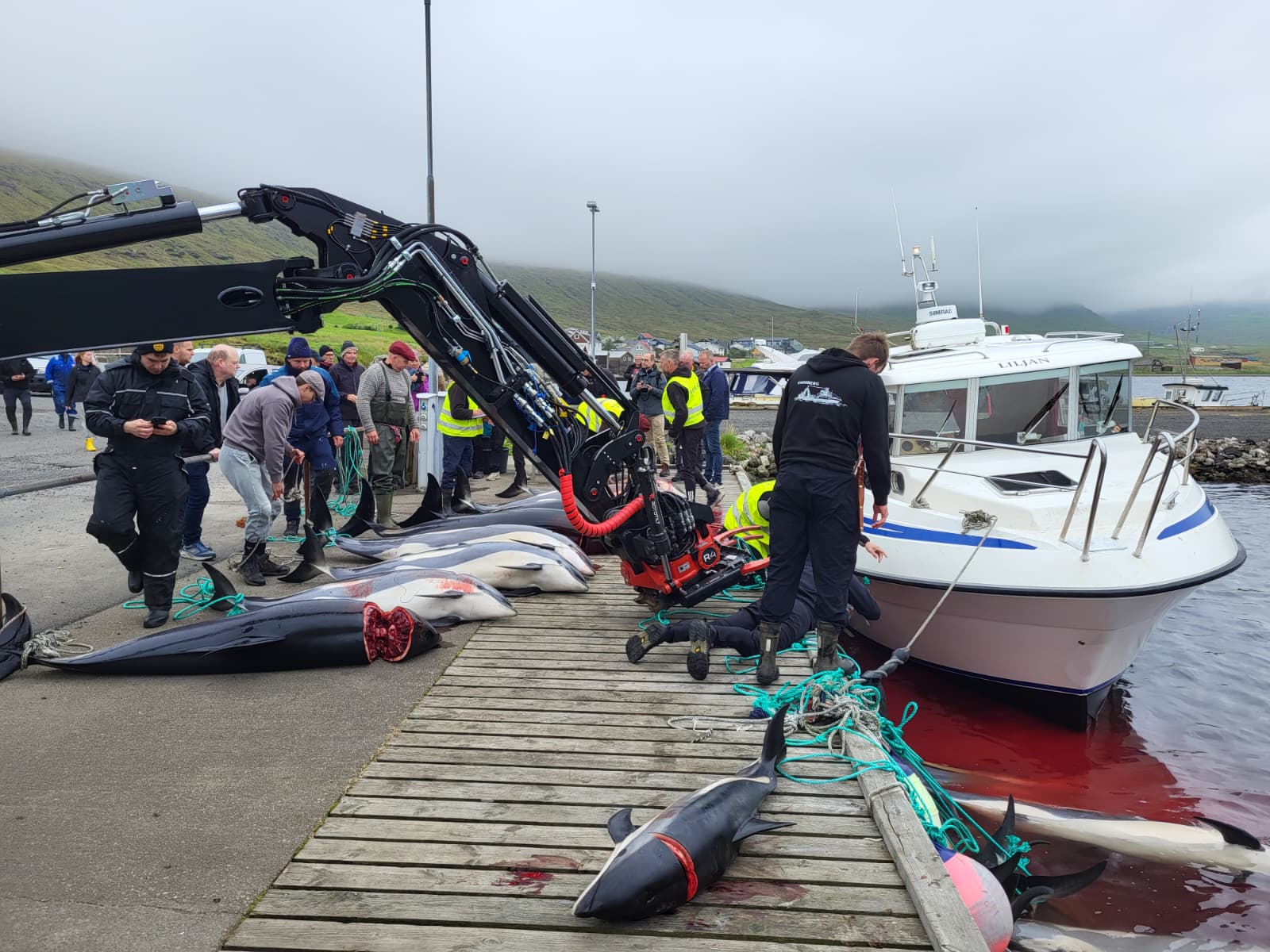
From the work on the ground of marine conservationists at Sea Shepherd and the Stop The Grind campaign, we regularly hear from local Faroese people who are deeply concerned about the hunts of pilot whales and dolphins but feel unable to voice their concerns without facing social isolation, or worse.
When anonymity becomes a prerequisite for expressing an opinion about a legal practice, we’re confronting a situation where important conversations simply aren’t happening.
Perhaps it’s time to step back and bring everyone to the table – those who support the hunts and those who question them – giving equal voice to discussions about whether and how this practice should continue. This ensures that cultural decisions reflect the full spectrum of community voices, especially when the government hasn’t conducted a comprehensive review of whether this particular heritage practice serves modern Faroese needs.
This absence of dialogue has consequences beyond individual freedom. It prevents the Faroe Islands from addressing legitimate concerns that affect every citizen’s well-being and the nation’s future.
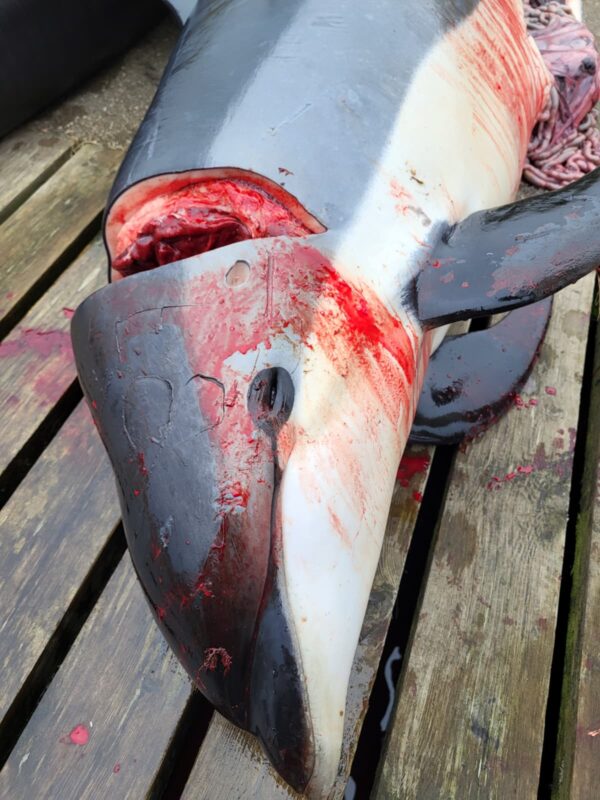
Two-thirds of the population rarely or never consume pilot whale and dolphin meat, with less than 1% eating it weekly. Yet the hunts continue at the same pace, with around 1,000 marine mammals killed so far in 2025. This disconnect between participation and practice raises fundamental questions about whose voices are being heard.


Conservation without borders
The long-finned pilot whales and dolphins killed in Faroese waters don’t belong to the Faroe Islands alone – they’re global ocean citizens whose migration patterns may connect ecosystems across the Northeast Atlantic. When pregnant females and juveniles comprise a significant portion of the hunt, as they consistently do, it raises serious questions about population sustainability that transcend national boundaries.
Each hunt that includes pregnant whales or calves challenges scientific principles of conservation of a species which reproduce slowly, with females giving birth only once every three to five years. The killing of breeding females and young animals violates fundamental conservation and management principles ascribed to by international bodies such as the International Whaling Commission.
The ASCOBANS Secretariat has explicitly noted the “direct link between the groups of pilot whales the ASCOBANS Parties are making efforts to protect, and the ‘stock’ utilised in the drive hunts of the Faroe Islands” – a recognition that marine conservation requires thinking beyond territorial waters.
A public health crisis hidden in plain sight
Perhaps nowhere is the silence more damaging than around public health. The Faroese government has acknowledged that whale meat contains dangerous levels of mercury and PCB toxins, recommending that adults limit consumption and that children and pregnant women avoid it entirely. Yet this critical health information isn’t displayed where the meat is sold. Packages in supermarkets and restaurants offer no warnings, leaving residents and tourists uninformed about serious health risks.
The silence is selective and notably gender-based. Health warnings, when they exist, predominantly target women and children, while men – who constitute the primary consumers and strongest advocates for whaling – receive little targeted health messaging.
The Faroe Islands, with a GDP per capita of approximately €58,000 and a sophisticated healthcare system, continues distributing food that its own medical authorities deem unsafe. How can a wealthy, ocean-connected society justify this, especially when imported food is available but often wasted and discarded, while contaminated whale meat continues to be distributed freely?
The economics of transparency
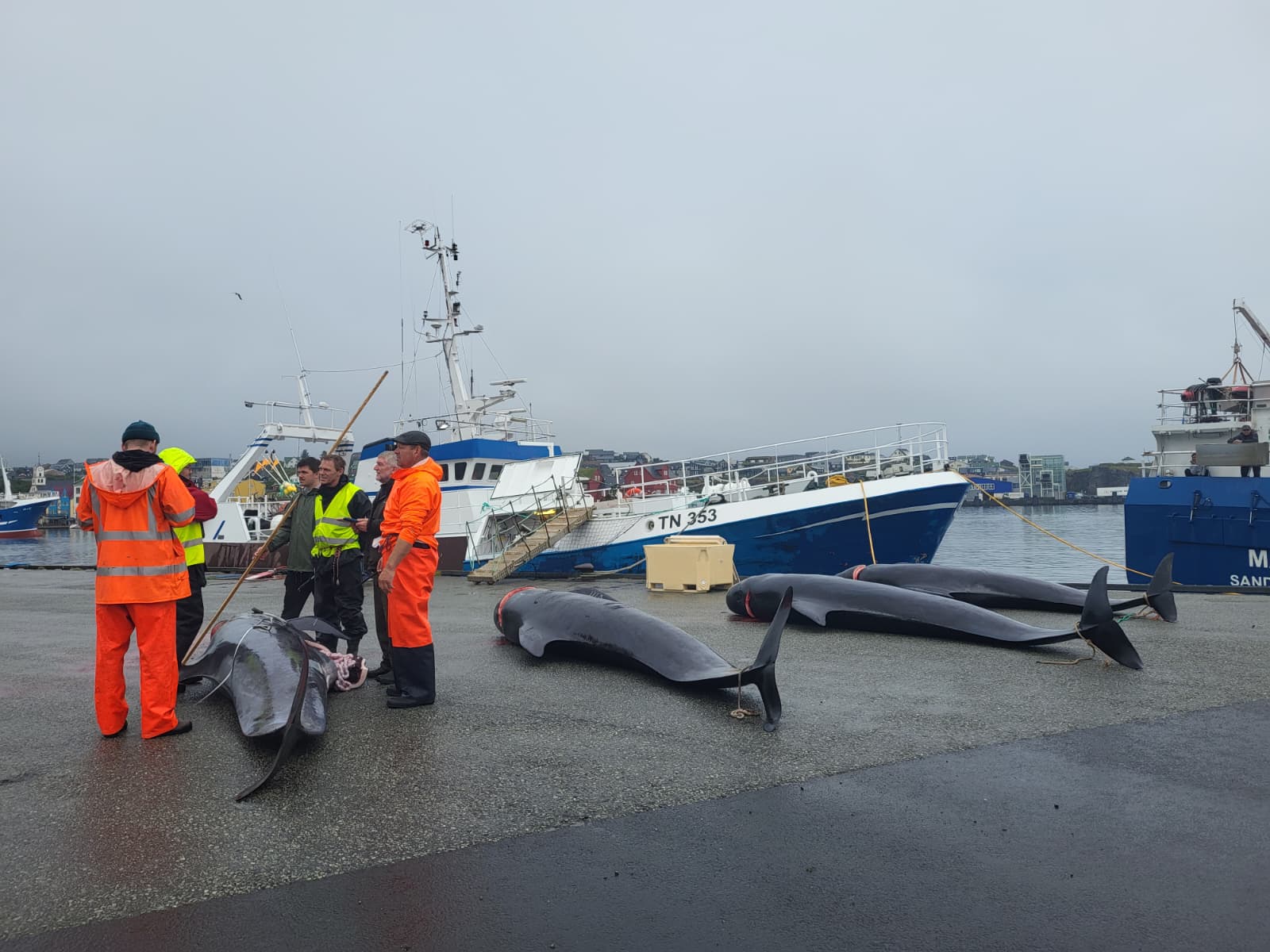
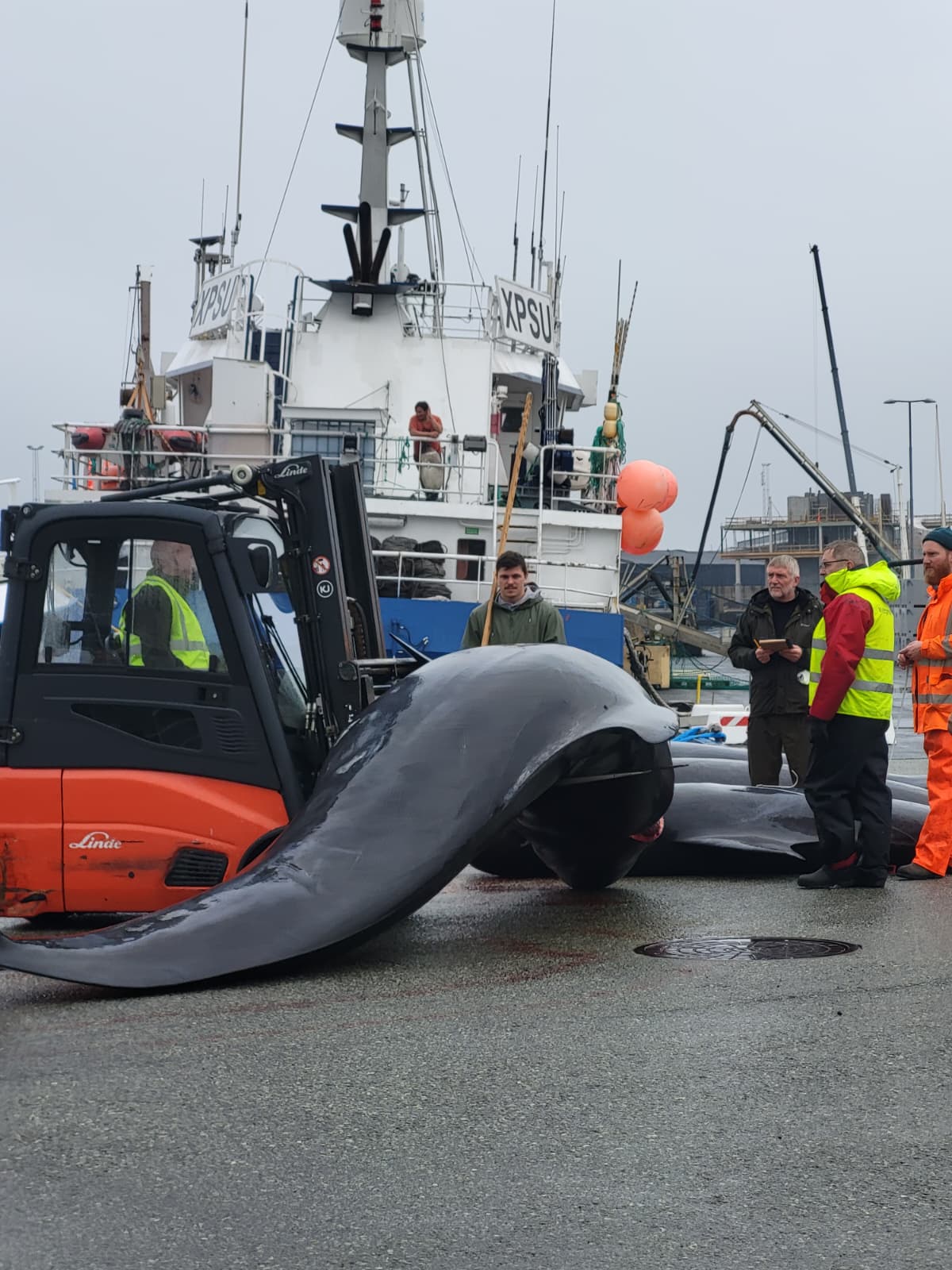
Despite regulations stating whale meat cannot be sold commercially except on a small local scale; however, there are sales of whale meat in supermarkets, restaurants, and even online, fundamentally undermining claims that the grind is purely a non-commercial, cultural practice. Once tradition becomes commerce, it must meet the same standards of transparency, safety, and sustainability we demand of any food industry.
The path forward doesn’t require abandoning Faroese identity or accepting external dictation of values. It requires something far simpler and more fundamental: the courage to have honest conversations about practices that affect everyone’s future.
Maybe this conversation is overdue? Maybe it’s uncomfortable? Perhaps it’s been a long time coming? But times change, and societies benefit when they can openly discuss their evolving relationship with tradition.
Local voices are essential for meaningful reflection, but those voices need room to emerge. Every Faroese citizen who questions aspects of the grind but remains quiet out of concern contributes to a situation where the full range of community perspectives are silenced.
We at Stop the Grind are asking: why won’t this conversation be allowed to happen?
When 71 per cent of the population doesn’t participate in a practice, when health authorities warn against consuming its products, and when international conservation and management principles are violated, these are internal contradictions that deserve discussion.
The Faroe Islands stand at a crossroads. It can continue avoiding difficult conversations, watching as the gap between public practice and private belief widens. Or it can embrace the sometimes uncomfortable but ultimately strengthening process of open dialogue, where different views can be expressed safely and the community can collectively shape its future.
The grind touches every part of Faroese life: health, economy, and identity. To leave it undiscussed is to leave all three vulnerable. Confronting it openly, with all voices at the table, is a necessary act of stewardship for the islands’ future.
Valentina Crast is the Campaign Director of Sea Shepherd and the Stop the Grind initiative.

Printed editions
Current issue
Back issues


Enjoy so much more from Oceanographic Magazine by becoming a subscriber.
A range of subscription options are available.
