Kathy Sullivan: A thread in a web
NASA astronaut, oceanographer and former NOAA Chief Scientist Kathy Sullivan was the first American woman to walk in space, and the first woman to reach the Challenger Deep. She muses on her experience of the Innerview, and what it taught her about our place in an intrinsically interconnected natural world.
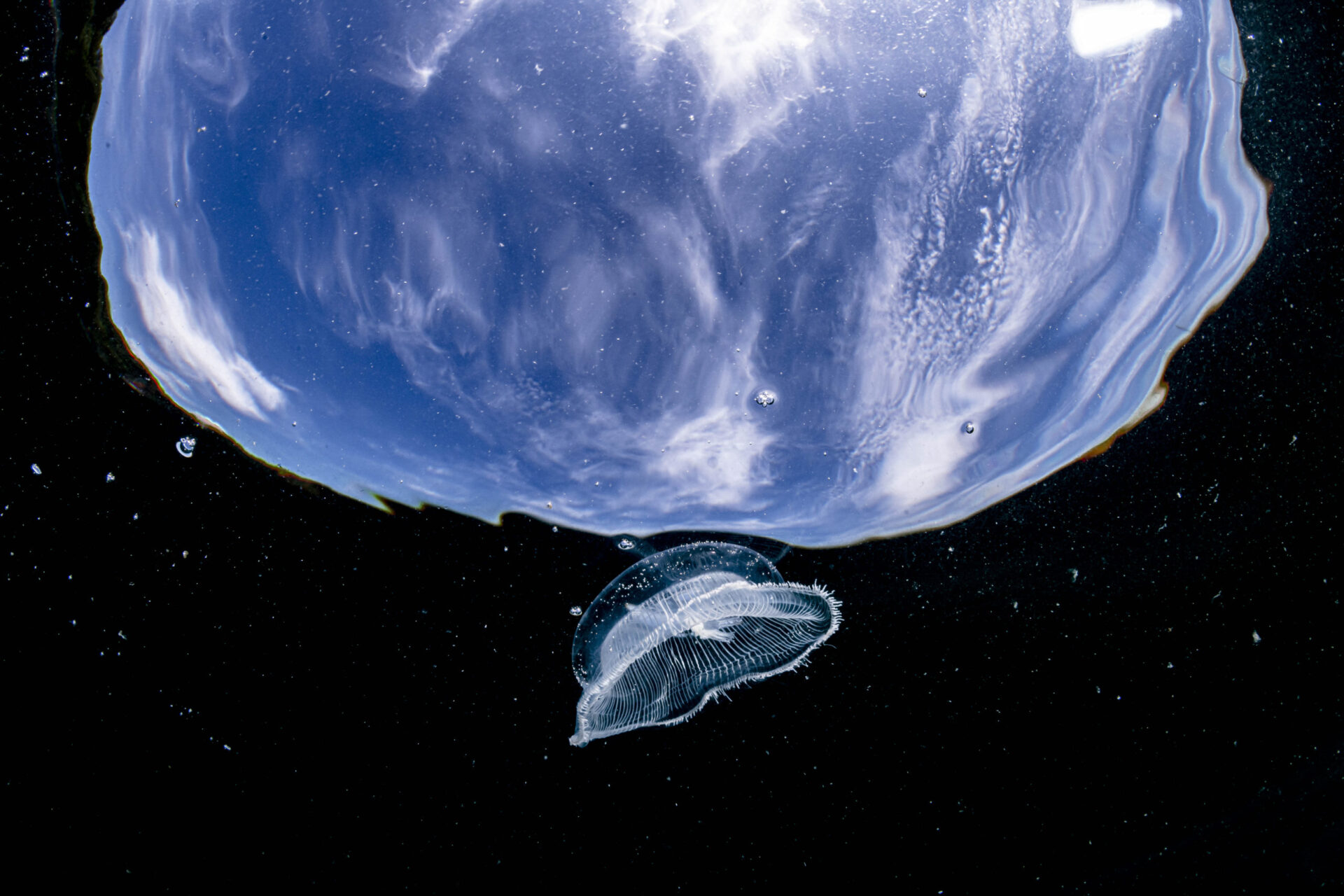
Ninety feet beneath the surface of the Caribbean, on a moonlit night off the island of Bonaire, I did something that – given everything else I have done in my life – sounds almost absurdly simple. I rolled onto my back. I switched off my torch. And I looked up. Through 90 feet of luminous, clear water, the full moon hung above me: perfectly visible and perfectly round, as if I were just lying on a beach on a warm night, watching the sky. The water was just sort of… there. A membrane, not a barrier. A presence, not an obstacle. Lying there in the dark and the quiet, I felt like I wasn’t beneath the surface at all, but floating in space again. But more profound than this, I felt a oneness with everything, from the water around me to the moon above me. And a recognition of a feeling I have spent most of my adult life trying to put into words, and have never quite managed to do justice to.
We tell ourselves the natural world is something apart from ourselves. But this is a misperception, the story we have told ourselves about the world around us. A fallacy that there is nature and then there is us. That night off Bonaire, 90 feet down and perfectly still, it was hard to feel anything other than connection and unity.
I grew up in the dry valleys of Southern California, far from any ocean. What I loved as a child were maps – the kind that National Geographic used to produce, richly layered and annotated, dense with information and rich with nutrition for the imagination. I read them the way other children read comic books. Every map was a multi-layered story. At first glance, you just see the different colours of different countries, but it was all richly annotated: little blocks of text scattered around telling you what crop grows there, the population of that city, the ethnicity of those people, the nature of this jungle or that desert. Everything at once. So many dimensions of a place held in a single image.
What fascinated me, even then, was duality. Yes, one page of a map could contain the vastness of an entire country, but look closer and you discover fine details about the people, animals and the plants within it. I fell in love with this idea: that our planet could be vast yet intricate; powerful yet delicate, all at the same time. I didn’t have a word for it. I just knew it was marvellous. And I wanted to understand.
I came to the ocean through science – through doctoral research in geology that pulled me toward the sea floor – and by the time I entered the astronaut programme in the late 1970s I was already thinking of this planet as a system of systems, something that resisted being reduced to any single frame. What I didn’t anticipate was how profoundly spaceflight would deepen my conviction.
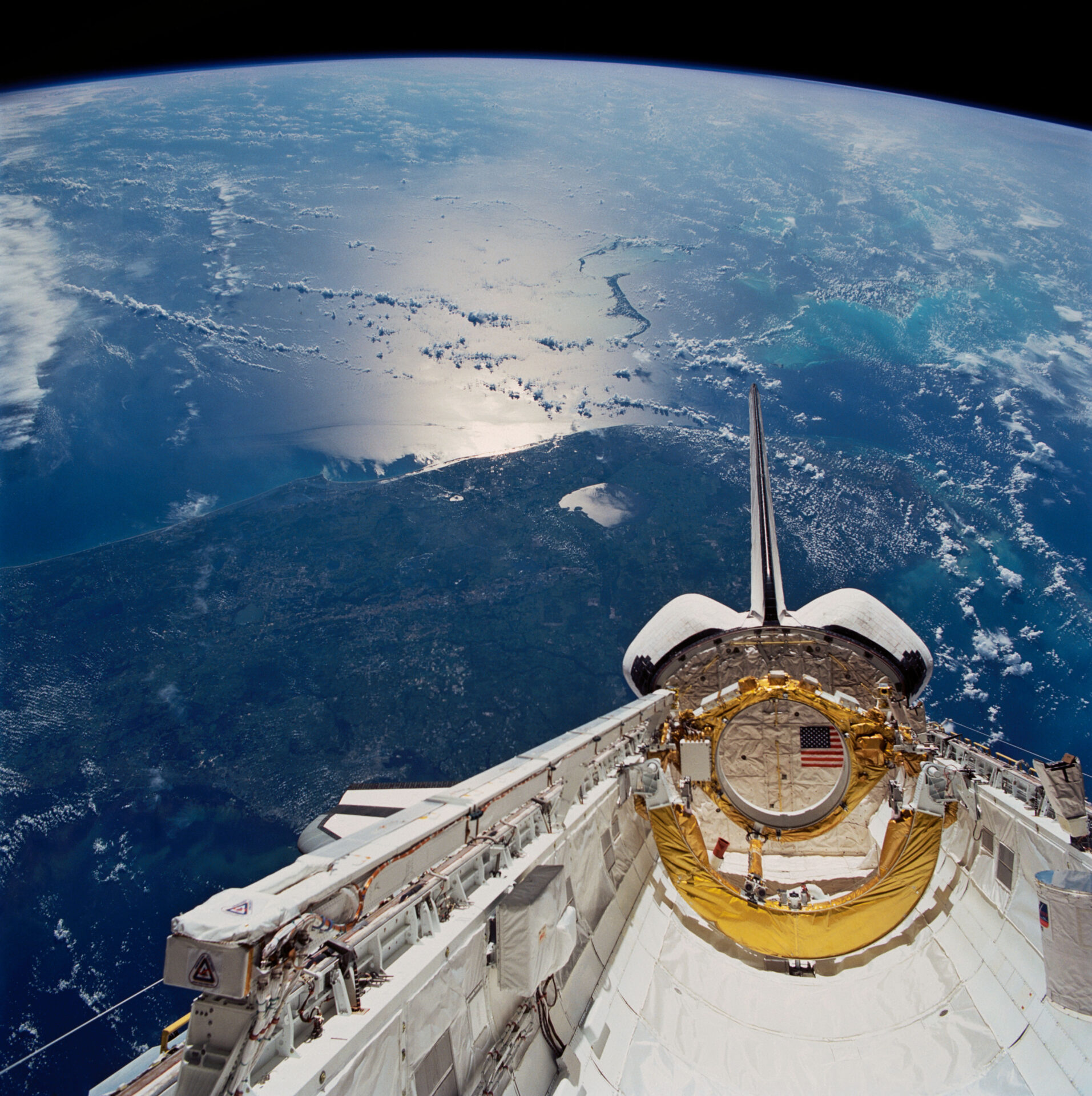
From orbit, you see our planet’s power with extraordinary clarity. Massive dust storms. Huge swirling hurricanes. These fabulously vivid illustrations of the forces of nature pass beneath you on every lap around the planet. But if you look more closely, and I always enjoyed looking more closely, you find a complexity of dimensions inside those big, powerful things: a fine elegance within them. Yes, that may be a massive cloud of dust rolling across a landmass. But look closer and you’ll see fine tendrils, almost like filigree work, streaming out across the Atlantic. The same image that seems to say ‘force’ also says ‘intricacy’ and even ‘gracefulness’. Both at once. Always both at once. That is life’s duality.
It’s the same duality as that which defines us. We tell ourselves we are the storm; the dominant force reshaping the planet. And in many ways, we very much are. But underwater, where I was afforded that perfect clarity, the truth comes out of hiding. We are like a bit of filigree, smaller than the whole, but utterly a part of it. Intricate, delicate, interwoven with everything around us. Not separate from nature, acting upon it. But threaded through it, inseparable from it, as fine and as vital as those tendrils streaming out across the Atlantic. There is not any living thing anywhere on this planet that is not intimately connected to every other living thing, everywhere else on the planet. It is that interconnected. This is as true for the depths of the ocean as it is for the surface. I have witnessed it from the surface, in orbit and from the deepest seafloor.
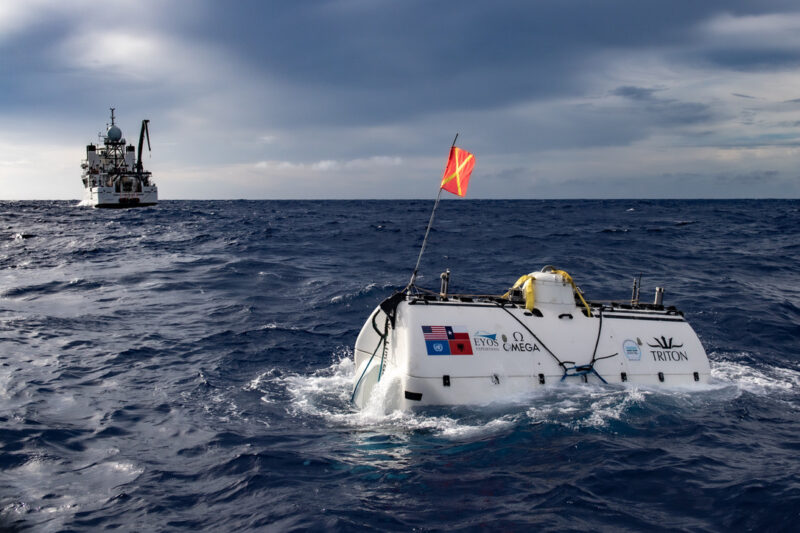
In 2020, I descended to the Challenger Deep in the Mariana Trench – nearly seven miles below the surface of the western Pacific – with explorer Victor Vescovo. The trench sits hundreds of miles from any significant landmass; the nearest speck of land is Guam. At its deepest point, the water column above you is nearly 11 kilometres. It is, by any measure, the most remote and inhospitable place you can possibly reach on this planet. And yet there is life down there.




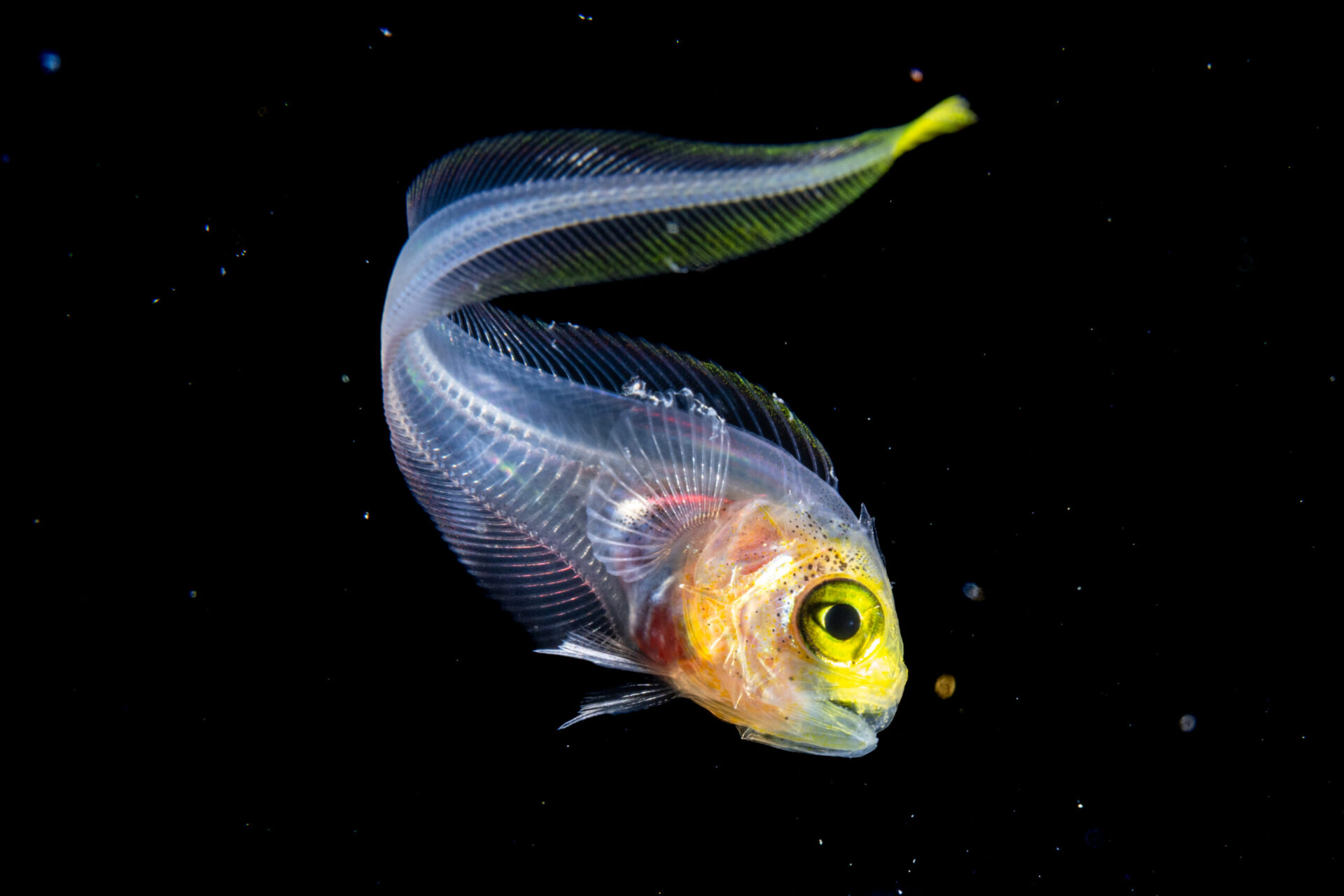
Invertebrates, small critters. Not the mega-creatures of science fiction. But life, exotic and improbable (to us), going about its business at the bottom of the world. Members of Victor’s team, on subsequent expeditions, retrieved some of those creatures and examined their digestive systems.
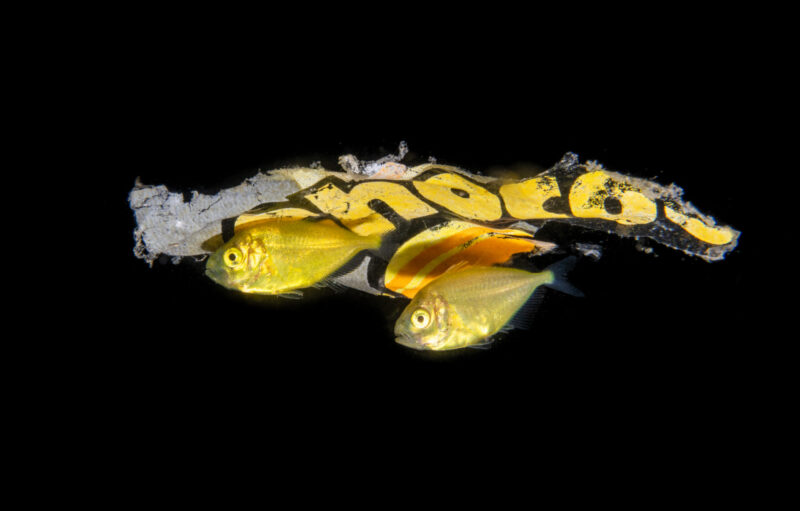
What they found has become one of the defining discoveries of our age: microplastics, in the guts of animals living at the deepest point on Earth. I have heard people respond to that finding with outrage that we humans are fouling the ocean so pervasively. I understand the impulse. But I think that reaction distracts us from the discovery’s more important message: all of us everywhere are vitally and inextricably connected to every place and every other living thing on the planet.
A piece of plastic, discarded somewhere on the surface of the world, finds its way – through wind and current and chemistry and time – into the body of a small animal living in the dark at the deepest point in the ocean. The strands that connect us to the rest of this system are everywhere, even when we cannot see them. T he fact that we can’t see those strands doesn’t mean they’re not there. They’re out of our field of view. That’s all that means. But they exist. They’re real. And they absolutely matter.
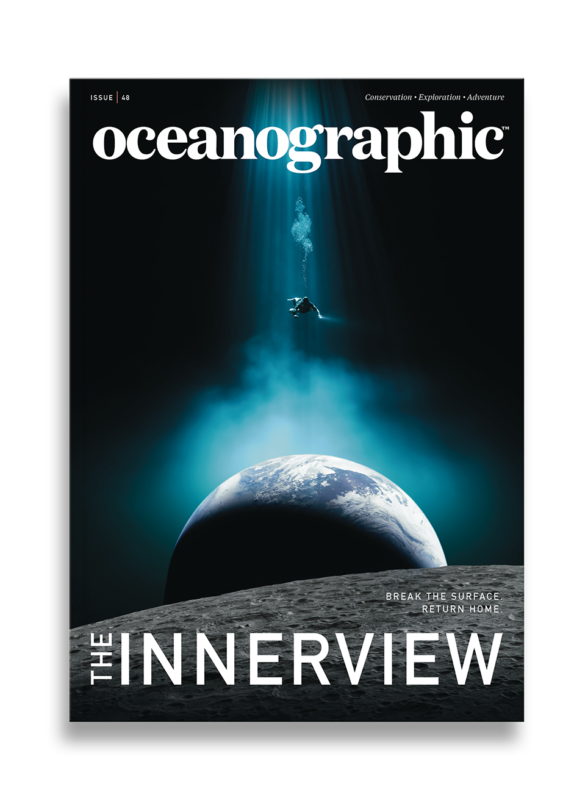
I often think about the concept of what we are – in this publication – calling the Innerview; a counterpart to the Overview Effect, the profound psychological shift that astronauts describe when they first see Earth from space. Suspended with the entirety of the universe in the background, the Overview brings down borders and breaks through political boundaries. Every single person you know exists inside the atmosphere’s blue line, upon this beautiful, powerful and delicate place. But I wonder whether it is always the most useful frame.
The Innerview asks a different question. What if the ocean doesn’t primarily reveal how breakable the world is, but how deeply, irreversibly connected everything in it is? I have watched conservation communication organise itself around fragility for decades: the bleached reefs, the acidifying waters, the microplastics in the belly of the deep.
These are real stories. They matter. But I worry that a single-note message – that the ocean is in peril, and we are the cause – may be less motivating than a message of hope.
Conservation gets dichotomised, in my experience, into two false camps. Either the planet is big and strong and will take care of itself, “We’re small, how much damage can we do?” Or it’s incredibly fragile and delicate and beautiful, “Therefore I must hyper-protect everything.” Neither of those is completely accurate. Neither of those helps us come together to tackle complex challenges.
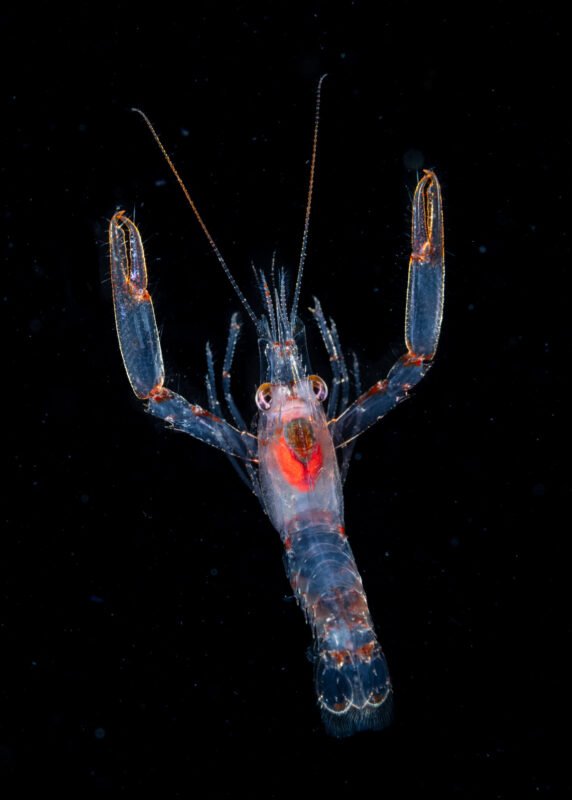
The truth that I have arrived at, through geology and oceanography and spaceflight and a night dive off Bonaire, is something else entirely. It is interconnection. A web of connections so dense, so extensive, so indifferent to our conceptual boundaries, that once you truly understand it, the logic of how you act within it changes. We get every other breath of oxygen from tiny creatures in the sea. You would need a microscope to even glimpse them. They are absolutely vital to you and absolutely invisible to your day-to-day world. But they matter immensely. And it matters to you (or us, all of us) that they exist and that they are healthy.
I am sometimes asked whether my experiences – the spacewalk, the Challenger Deep, the years of looking at this planet as a geologist and an oceanographer – have made me more spiritual. It is a complicated question. I no longer practise organised religion. But I feel a kinship with the spiritual core of many of the world’s great traditions. For all the differences in their sacred texts and rituals, they have a rather small number of fundamental truths in common. And they all aim to guide us to something greater than ourselves.
We have lots of labels for that greater thing. Some will call it God. Some will call it the divine. But I think the labels are less important than the underlying truth that there is more to all of this than ‘me’. A greater something that I am a part of that cannot be perceived from inside my everyday framework.
What I know is that certain encounters – a grand piece of music, a night dive in moonlit water, a view of Earth from orbit – have the capacity to blow away the self frameworks we use to navigate day to day, and radically shift our perspective. I think ‘small-self effect’ captures this experience best. These awe-inspiring experiences open our eyes, hearts and minds to the realisation that our single self is just a small part of a much grander and glorious whole. And that we are somehow, wonderfully, at one with that greater whole.
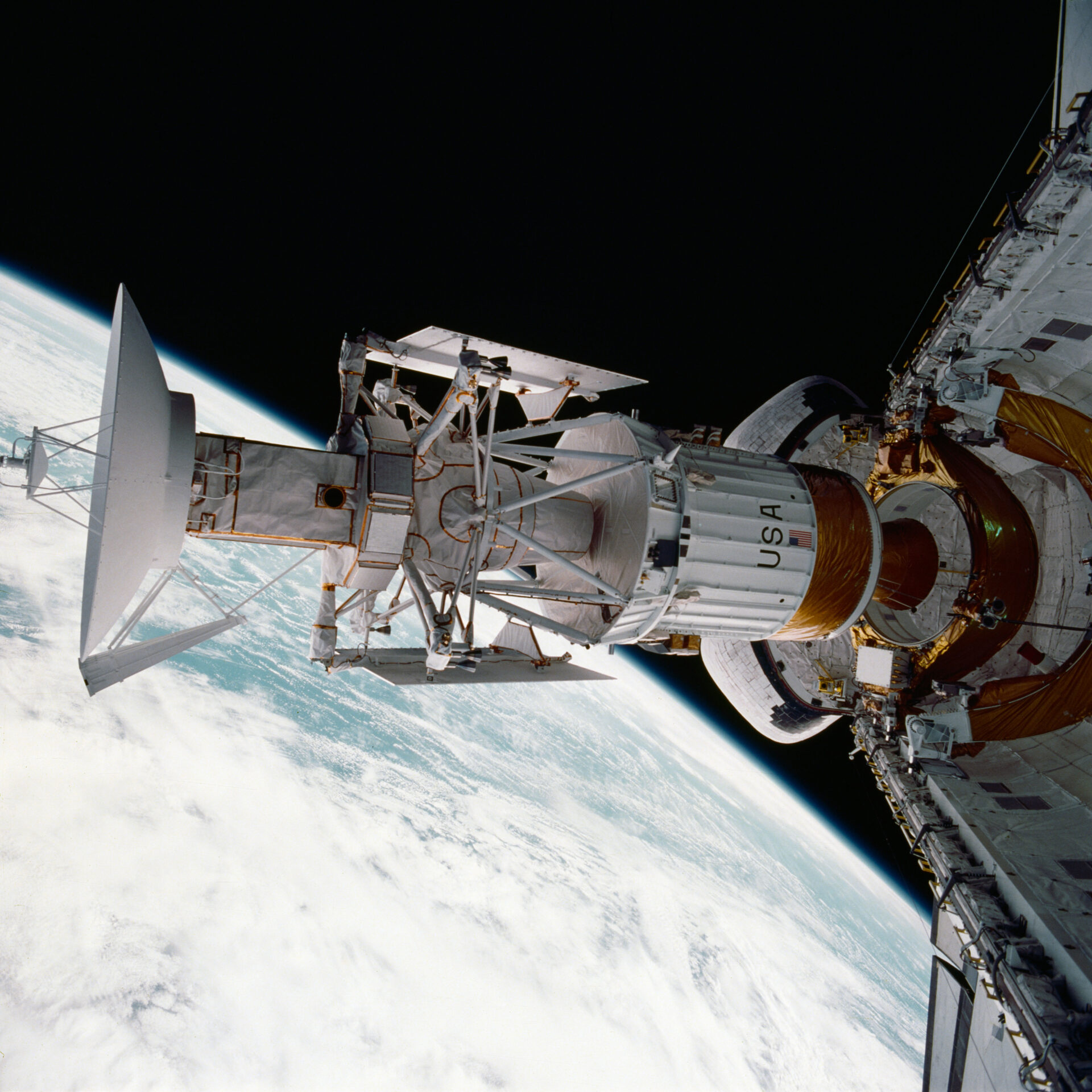
And that inevitably changes how you act. I think of it this way. Every crew member on a spacecraft needs to understand how the spacecraft works. Especially the life-support system. The atmosphere, the power, the water recycling, the thermal management. Because if any component of that system fails, everything is affected.
We are all, whether we know it or not, crew members on this vessel called Earth. I have been fortunate enough to see it from outside – to float above it in a suit, looking down at its weather and its ocean and its extraordinary, improbable aliveness. We need to act more like crew members than mere users.
In the complete stillness of that moonlit night off Bonaire, the small self dissolved. The years of spacewalks, of touching the floor of the Mariana Trench, of collecting extraordinary coordinates across a lifetime – all of it became, briefly and completely, just part of it all. Not an observer. Not even an explorer. Just a thread in the web. That is the Innerview. Not the fragility of the world seen from a distance, but the irreversible recognition that there is no distance.
The microplastic in the gut of a creature at the bottom of the world and the moonlight falling through 90 feet of Caribbean water are part of the same story – and so are you. Every breath you draw is half-written by organisms you will never see. Every choice you make travels further than you will ever trace. The small self, once you truly feel its smallness, does not diminish you. It frees you. And it then hands you back to something vast.
We are all crew members upon planet Earth, not merely passengers. We are threads, not merely observers. We are – every one of us – the filigree inside the storm. We just have to turn off the torch, look up and remember what we are part of.
Printed editions
Current issue
Back issues
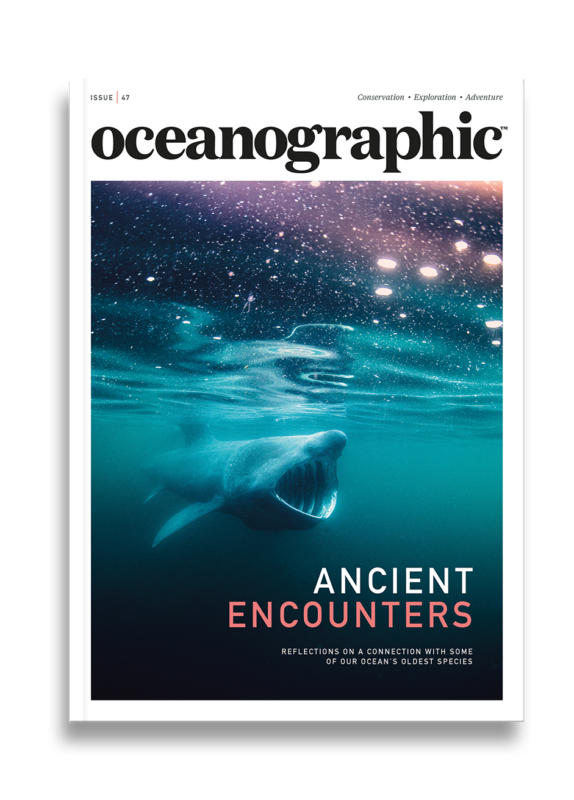
Enjoy so much more from Oceanographic Magazine by becoming a subscriber.
A range of subscription options are available.
