More valuable alive: Reopening gulper shark fishing is an historic mistake
On 31 October 2025, the government approved regulations to reopen gulper shark fishing from 1 November 2025, carving a species-level exemption that weakens protections and puts the Maldives’ reputation and ocean-tourism economy at risk.
The Maldives is famed for clear water and open horizons, but leadership there is measured below the surface. Some 15 years after declaring a pioneering shark sanctuary, a countrywide ban on catching sharks, keeping them as bycatch or selling and exporting shark products, one of only seventeen worldwide and the only one in the Indian Ocean, the country faced a defining choice.
On 31 October 2025, the government approved regulations to reopen gulper shark fishing from 1 November 2025, carving a species-level exemption that weakens protections and puts the Maldives’ reputation and ocean-tourism economy at risk.
Maldivians overwhelmingly reject this move. A national poll commissioned by Blue Marine Foundation with Maldives Resilient Reefs and Miyaru – Shark Programme found 77% fear reopening gulper shark fisheries will harm both the marine environment and the economy. Local communities (28%), the national government (26%) and the tourism industry (26%) are seen as prime stewards, closely followed by NGOs (21%). Citizens, NGOs, and organisations fought to prevent the reopening, but the government turned its back on evidence and public consensus.
Over 26,000 people have signed an OnlyOne petition opposing the reopening and more than 4,000 protest emails have been sent to authorities. Over 60 organisations and 50 scientists signed an open letter warning of the risks. The IUCN Shark Specialist Group and other experts urged the government to uphold protections. The People’s Majlis passed a resolution calling for a ban on all shark fishing and trade. While evidence, public opinion and parliamentary advice align, the regulation has moved the other way.


Gulper sharks are among the ocean’s most vulnerable species. They grow slowly, take more than two decades to mature and produce only one or two pups every few years. Of the four species historically targeted in the Maldives, three are Endangered and one is Near Threatened on the IUCN Red List. When gulper fisheries last operated, populations fell by about 97% between 1982 and 2002 and the fishery collapsed within a decade, with no evidence of recovery.
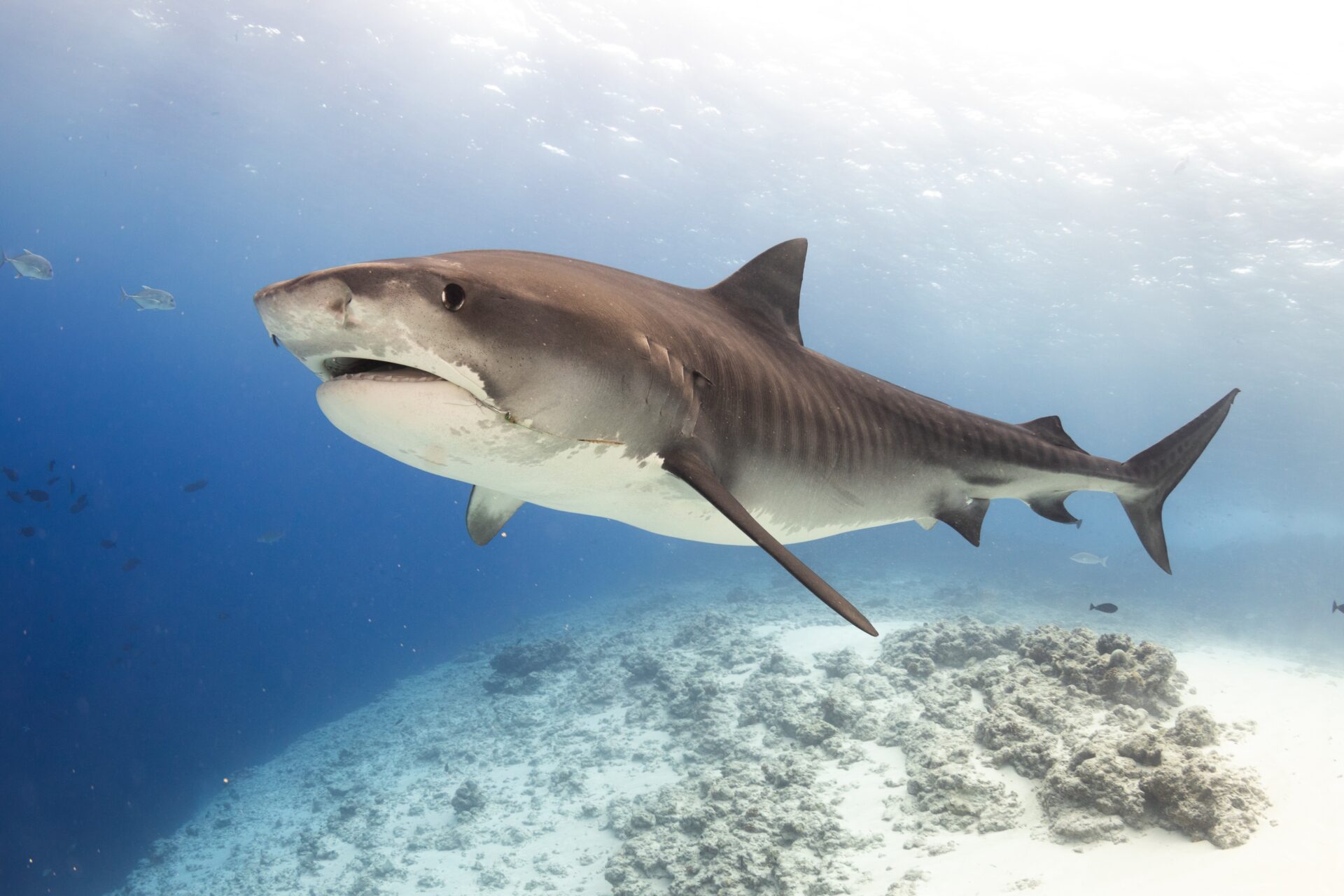
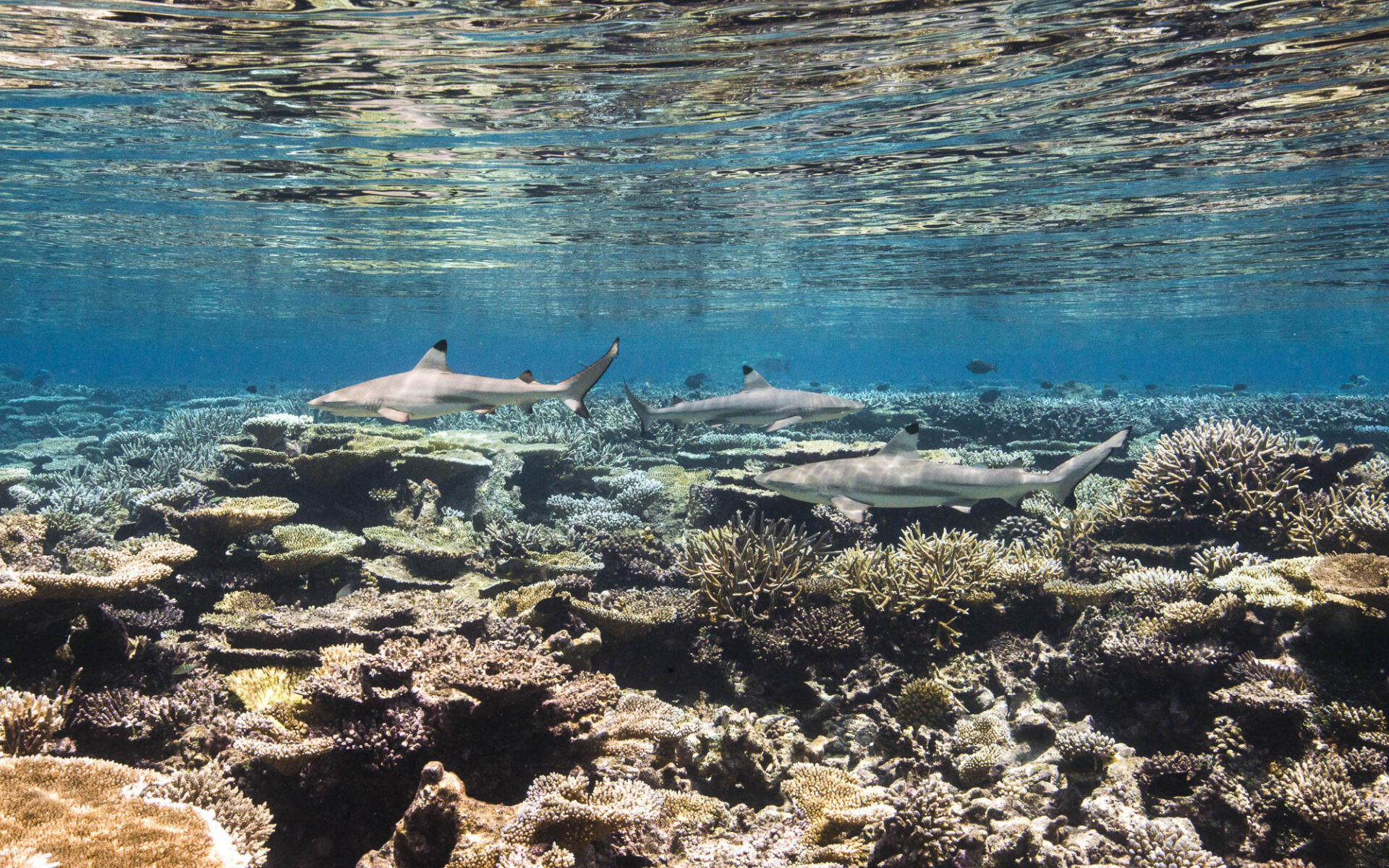
Any new deep-water longline fishery would also catch other sharks and rays, including tiger, hammerhead and thresher sharks central to tourism and reef health.
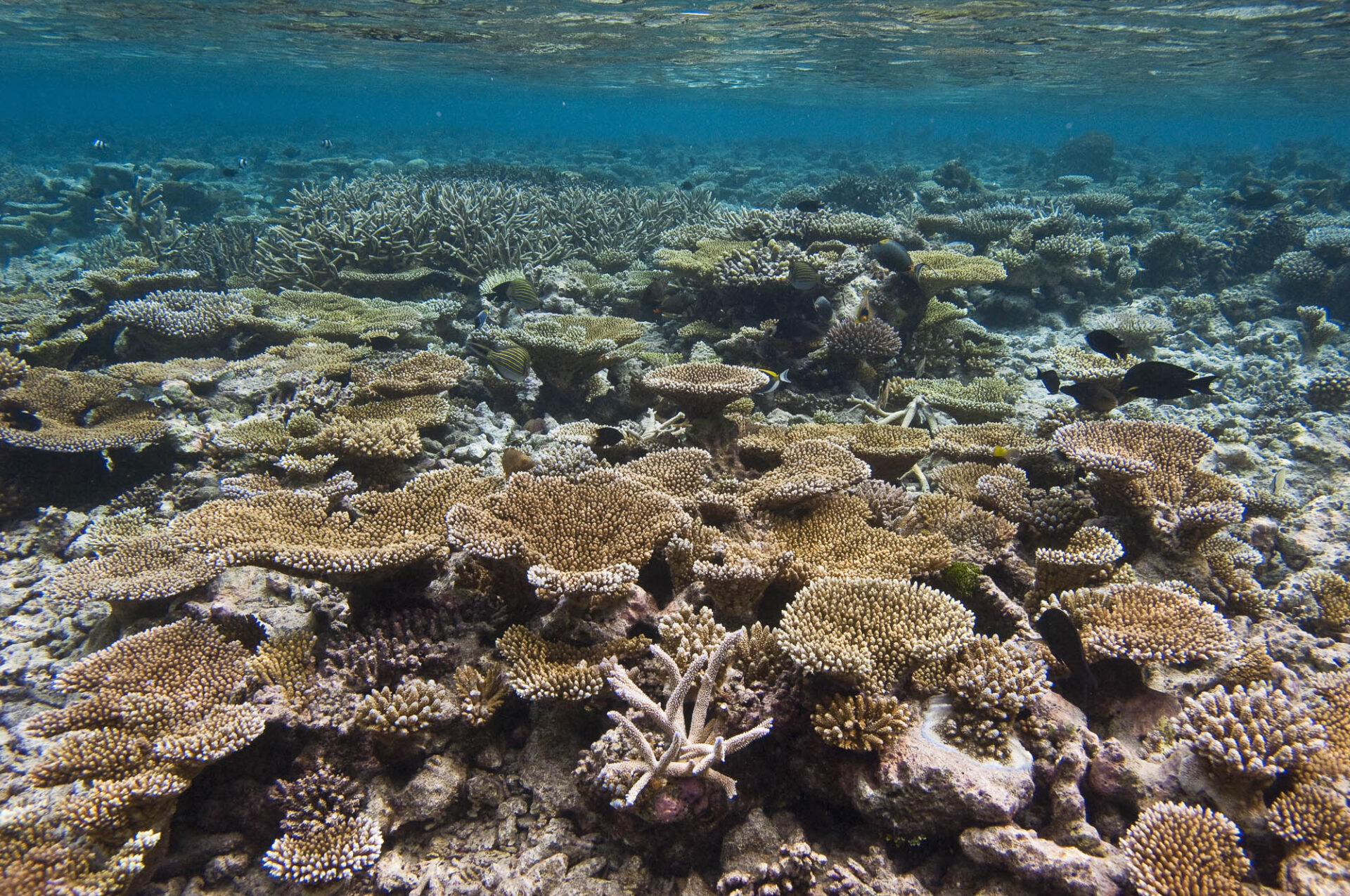
Following the 2010 ban, divers flocked to see sharks, families snorkelled healthy reefs and investors and tour operators supported responsible practice. Shark diving alone generates at least US$14.4 million in direct revenue and a further US$51.4 million through local businesses, far outweighing short-term returns from a gulper shark fishery targeting liver oil.
A fishery built on squalene-rich liver oil is inherently unstable. Shifting regulations, tightening standards and potential CITES restrictions could curtail exports overnight, leaving fishers who retool for gulpers stranded by rules they cannot meet and markets that do not want the product.
The current management plan for gulper shark fishing falls short. With no stock assessment or recovery plan, any gains for the 40 licensed vessels are likely short-lived. There are no hard output controls, vessel-level quotas or allocated fishing days and bycatch monitoring isn’t independently verified, even though deep-water longlines inevitably catch other sharks vital to tourism and tuna.
In a nation spread across many atolls, this will be hard to police. As Dr Iris Ziegler, Head of Fisheries Policies and Ocean Advocacy, Deutsche Stiftung Meeresschutz, cautions, a short boost now could be followed by collapse and stranded investments.
But there is a better path: treat the sanctuary as infrastructure, not symbolism. Blue Marine Foundation, alongside supporting local organisations and experts, recommend the Government of the Maldives to:
- Restore full protection: Reinstate the ban on catching, trading or exporting gulper sharks, upholding the country’s long-standing sanctuary protections.
- Engage locally: Work with island communities and conservation experts to identify fair, sustainable alternatives for affected fishers, ensuring livelihoods are supported while marine life is safeguarded.
- Reaffirm commitment: Defend the Maldives’ Shark Sanctuary and global ocean leadership, strengthening the nation’s reputation as the world’s most sustainable fishing nation and a beacon for marine conservation.
At the next CITES meeting on 24 November 2025, the Maldives can lead from the front, pushing for strong protections for gulper sharks and asking neighbours to support shark-safe tuna and shared data rules.
Islanders haven’t forgotten the bust. Slow-growing sharks vanish quickly, and with them the food web that supports tuna, tourism and coastal jobs. A live shark is worth far more than a single liver. Gulper sharks are apex predators key to keeping the Maldives marine ecosystem healthy. Bringing back full protection and real transparency is critical at the local, national and international levels. The world looks to the Maldives to continue leading by example, protecting life below water and not returning to overfishing.
Every voice matters in protecting the Maldives’ living heritage. Add yours to the OnlyOne petition calling for the restoration of full shark protections, because gulper sharks are far more valuable alive than gone.

Printed editions
Current issue
Back issues

Enjoy so much more from Oceanographic Magazine by becoming a subscriber.
A range of subscription options are available.
