Hatchling a plan: How to save one billion sea turtles?
Wallace J. Nichols was a marine biologist with a plan - to rescue one billion baby sea turtles. However known he was for making the impossible possible, it was a vision met with skepticism from even his closest allies. Today, however, the skeptics may be thinking twice...
Dr. Wallace J. Nichols, marine biologist, author, and co-founder of the nonprofit SEE Turtles, was known for his bold, visionary ideas. Whether it was tracking a sea turtle across an entire ocean – long before satellite tagging was common – or launching initiatives to help coastal communities benefit from conservation tourism, his imagination often led to groundbreaking work in ocean conservation.
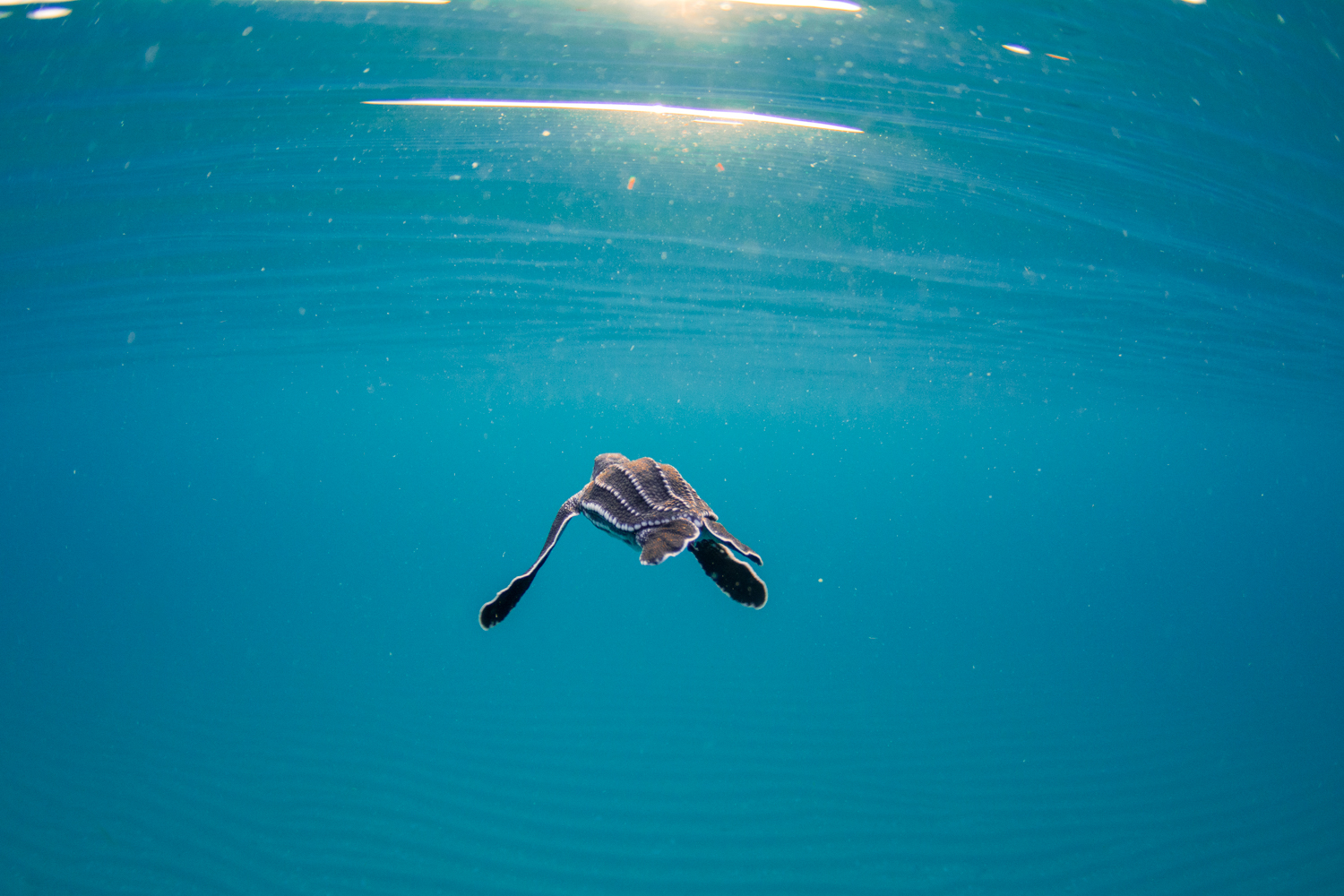
But in 2013, when Nichols shared an idea with SEE Turtles’ co-founder Brad Nahill to save one billion baby sea turtles, it was met with some skepticism. A figure more outlandish than it was ambitious, one billion baby sea turtles seemed a far cry away from anything that had been done before. To err on the side of skepticism was to perhaps side with reason. Yet here we are today, in the midst of a global movement that has so far gone to protect more than 20 million hatchlings.
Something to make the skeptics think twice?
What started with small grants to even smaller organisations in Latin America has since evolved into a flagship conservation programme, now distributing over $250,000 each year to protect key nesting beaches around the world. Today, SEE Turtles is one of the largest private funders of sea turtle conservation globally, and one fuelled by strategic partnerships with organisations across more than 30 countries.
“This milestone is a testament to the power of grassroots conservation,” said Brad Nahill, president of SEE Turtles. “From local community members protecting nests to students raising funds, it’s a global movement to save these marine reptiles – one hatchling at a time.”
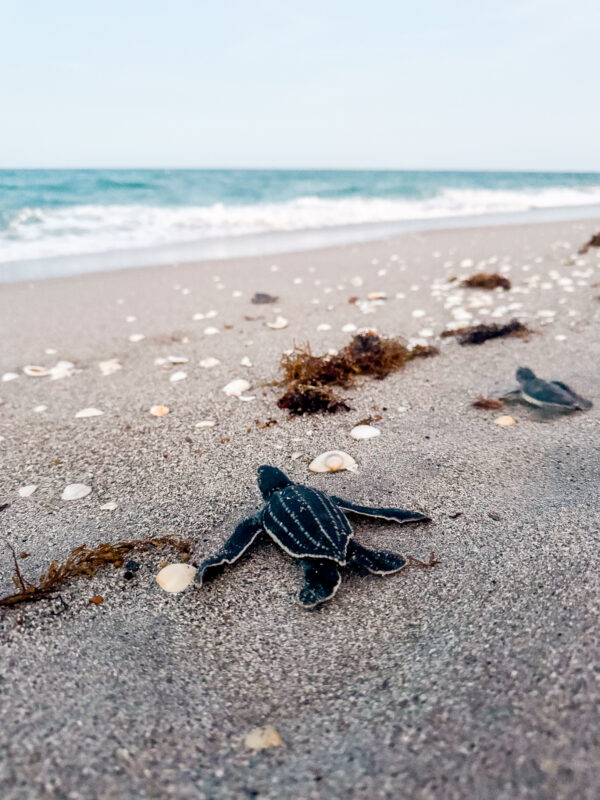
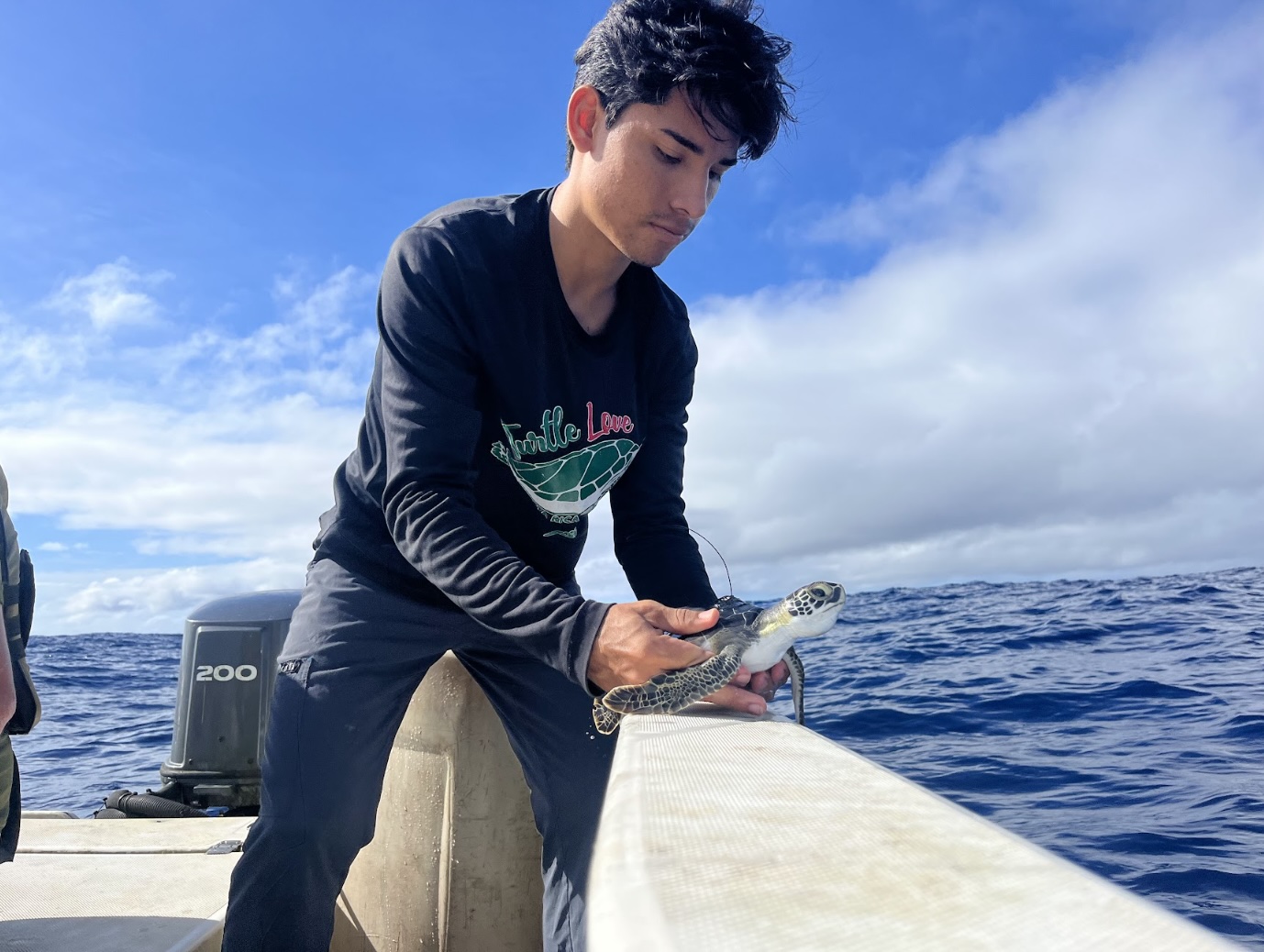
The Beginning
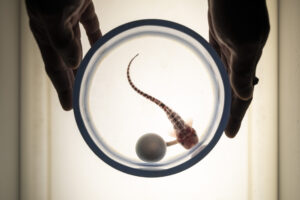
Together with a small team of partners, Nichols and Nahill began first by polling conservation groups across Latin America to estimate how much it cost to save a single hatchling. The answers varied, from just a few pennies in places like Colola in Mexico, to several dollars on remote leatherback beaches in Costa Rica.
After averaging the numbers, the result was unexpectedly low: just $0.20 per hatchling, or five hatchlings saved for every dollar.
The programme began modestly, supporting trusted partners such as Latin American Sea Turtles in Costa Rica, the Eastern Pacific Hawksbill Initiative, and Paso Pacifico in Nicaragua. In its early years, Billion Baby Turtles raised and distributed between $30,000 and $50,000 annually, helping 10 to 15 groups save hundreds of thousands of hatchlings each year.
The first major milestone came in 2017, when the programme celebrated saving its first million hatchlings – a goal that took five years to reach.
Today, Billion Baby Turtles has become SEE Turtles’ flagship initiative, providing more than $250,000 in annual grants to support somewhere between 40 to 50 key nesting beaches worldwide.
Since 2022, the programme has averaged between three- and six-million hatchlings saved per year – and that number is still growing, says Nahill.
SEE Turtles focuses on helping local communities lead turtle conservation efforts. Through its grant programme, the organisation supports locally-run initiatives that protect nesting beaches – especially in areas where international funding is limited. By supporting small organisations to hire local people to protect turtle nests while providing alternative sources of income, SEE Turtles helps partners turn former threats into long-term protection.
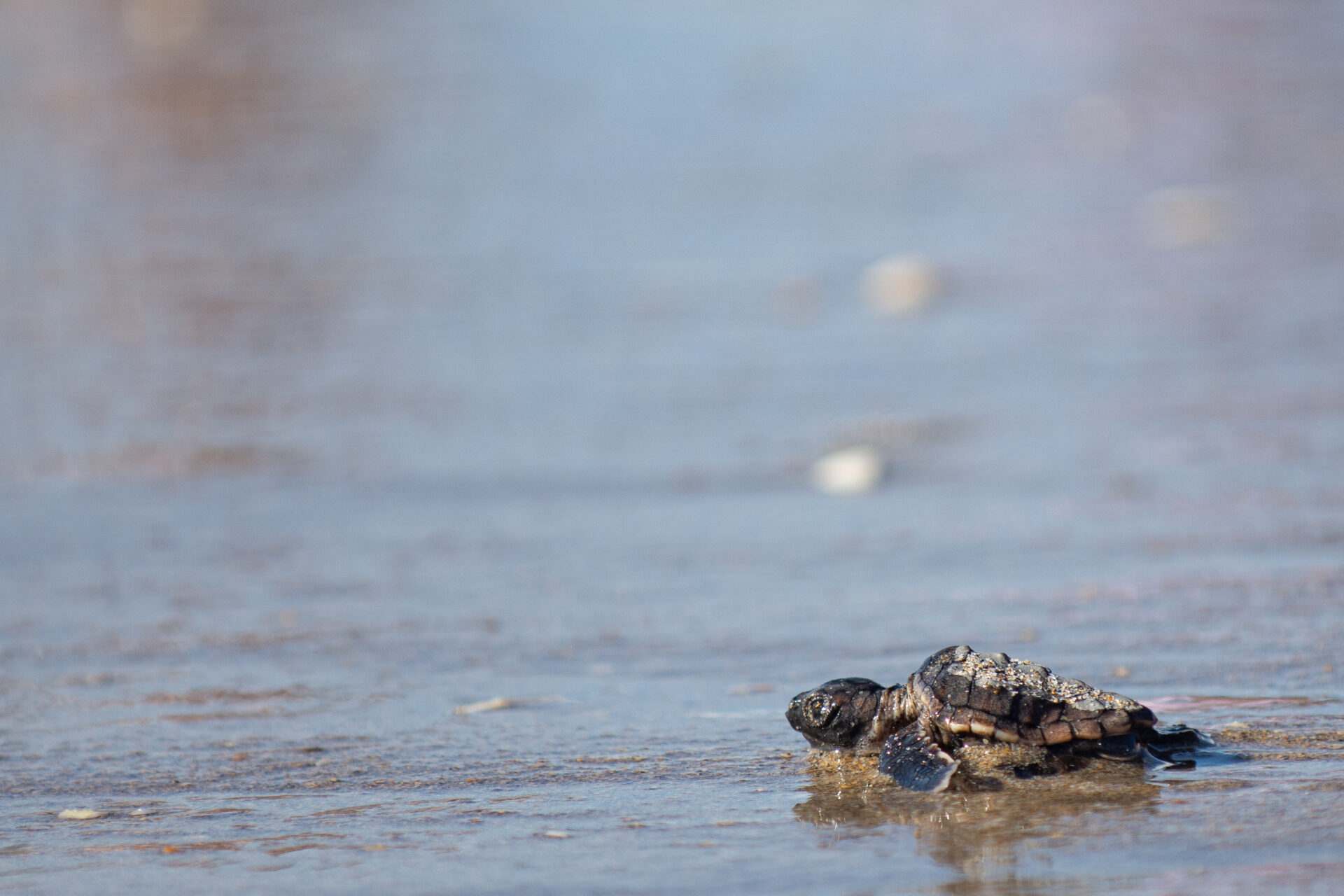
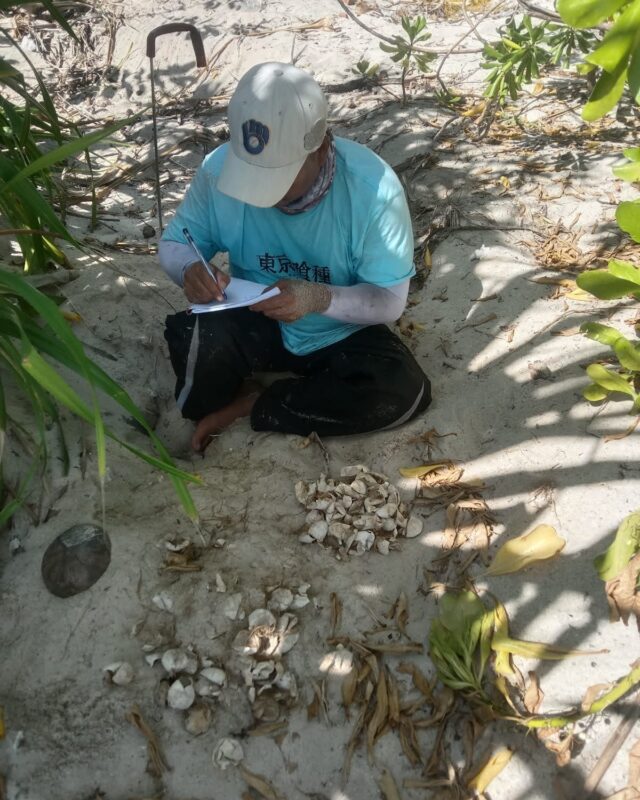
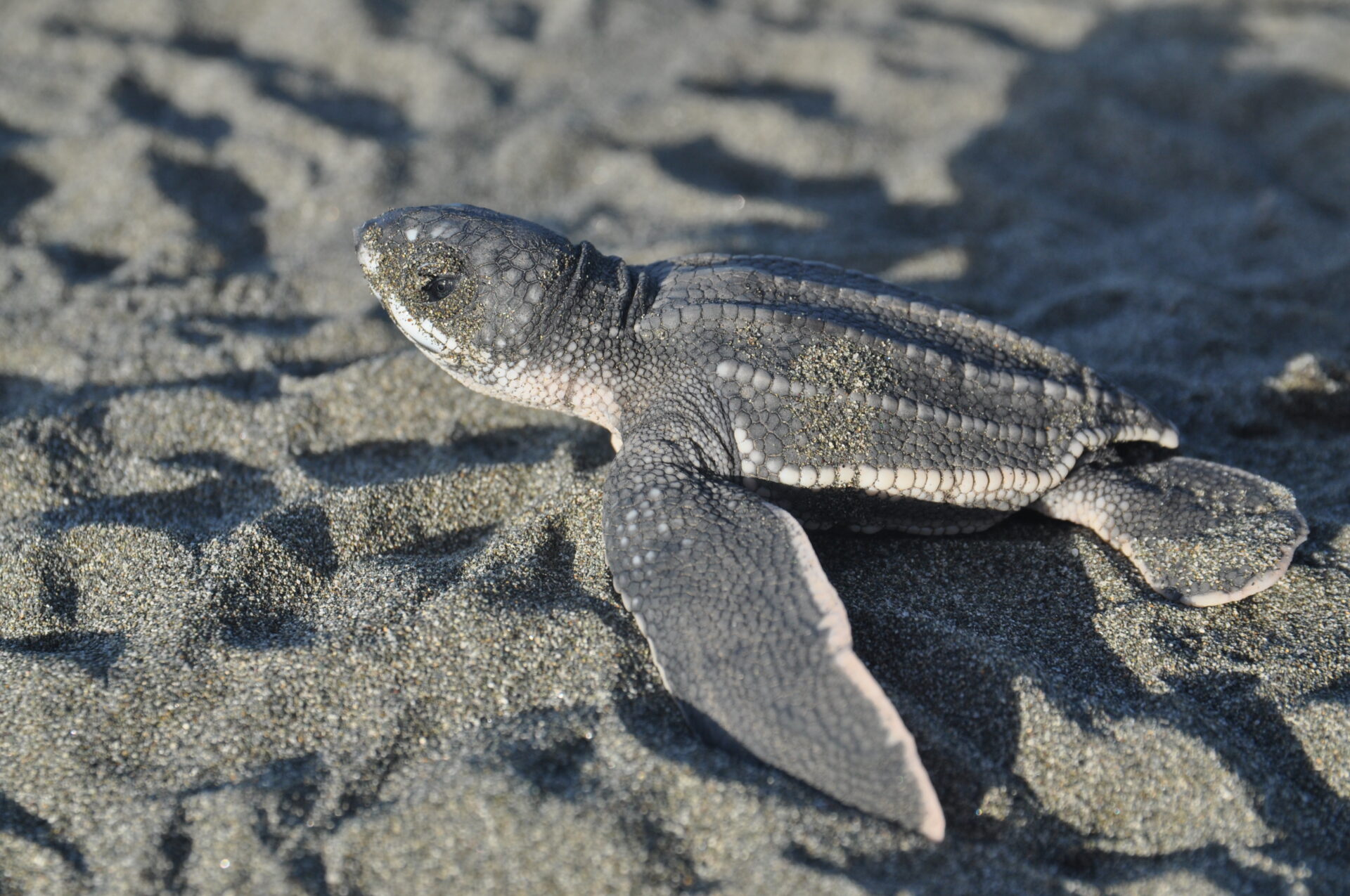
Conservation comeback
One of the programme’s most remarkable success stories comes from Colola Beach in Mexico, where the Nahua Indigenous community, in collaboration with the University of Michoacan, has led a dramatic recovery of the black turtle (a sub-population of green turtle).
From fewer than 600 nests in the late 1990s, the beach now sees tens of thousands of nests per season, producing millions of hatchlings – making it one of the most important black sea turtle nesting sites in the world. SEE Turtles remains the only international donor to this programme, having supported this work since 2013, and also brings volunteer groups to help.
University of Michoacan researcher Dr. Carlos Delgado, who has worked on this beach since the 1990s, says: “This population has reached or surpassed pre-Industrial levels, a unique thing with sea turtles, and an extremely rare victory in conservation of any wildlife worldwide. Funding and volunteer support from SEE Turtles has been critical in maintaining this success.”
Saving one billion hatchlings once seemed like an impossible goal. Today, it has been turned into a measurable, impactful conservation success. SEE Turtles has now surpassed 20 million hatchlings saved, and has built a model for scaling the effort effectively.
“From taking five years to reach the first million, to adding five million more in the next three years, and then doubling that in just two – it’s incredible to say we’ve now helped save over 20 million baby turtles,” says Nahill. “We’re only just beginning.”
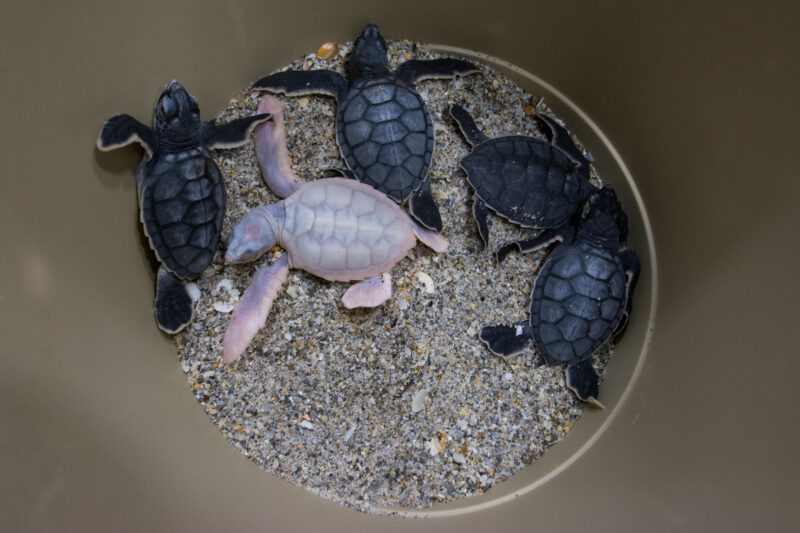
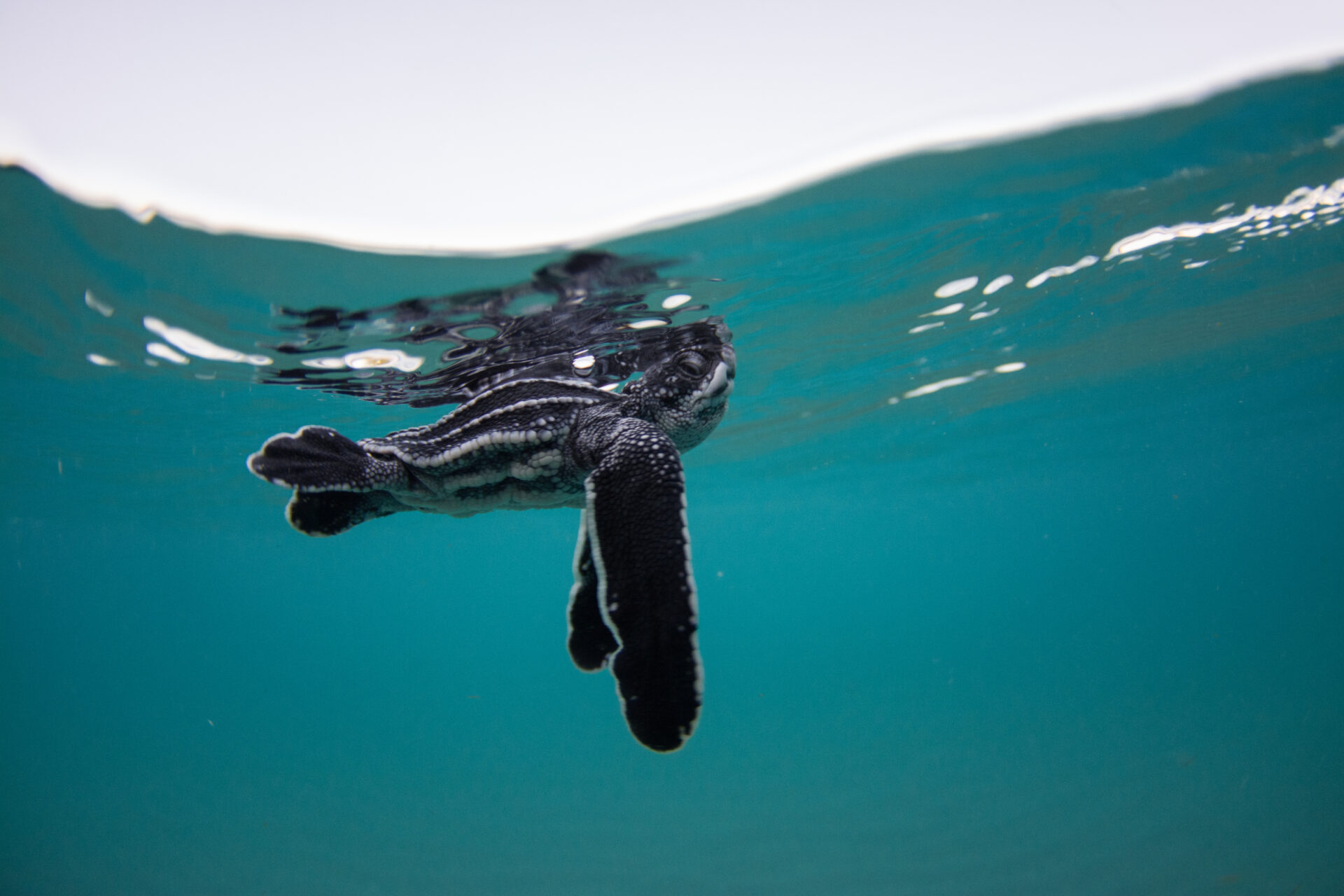
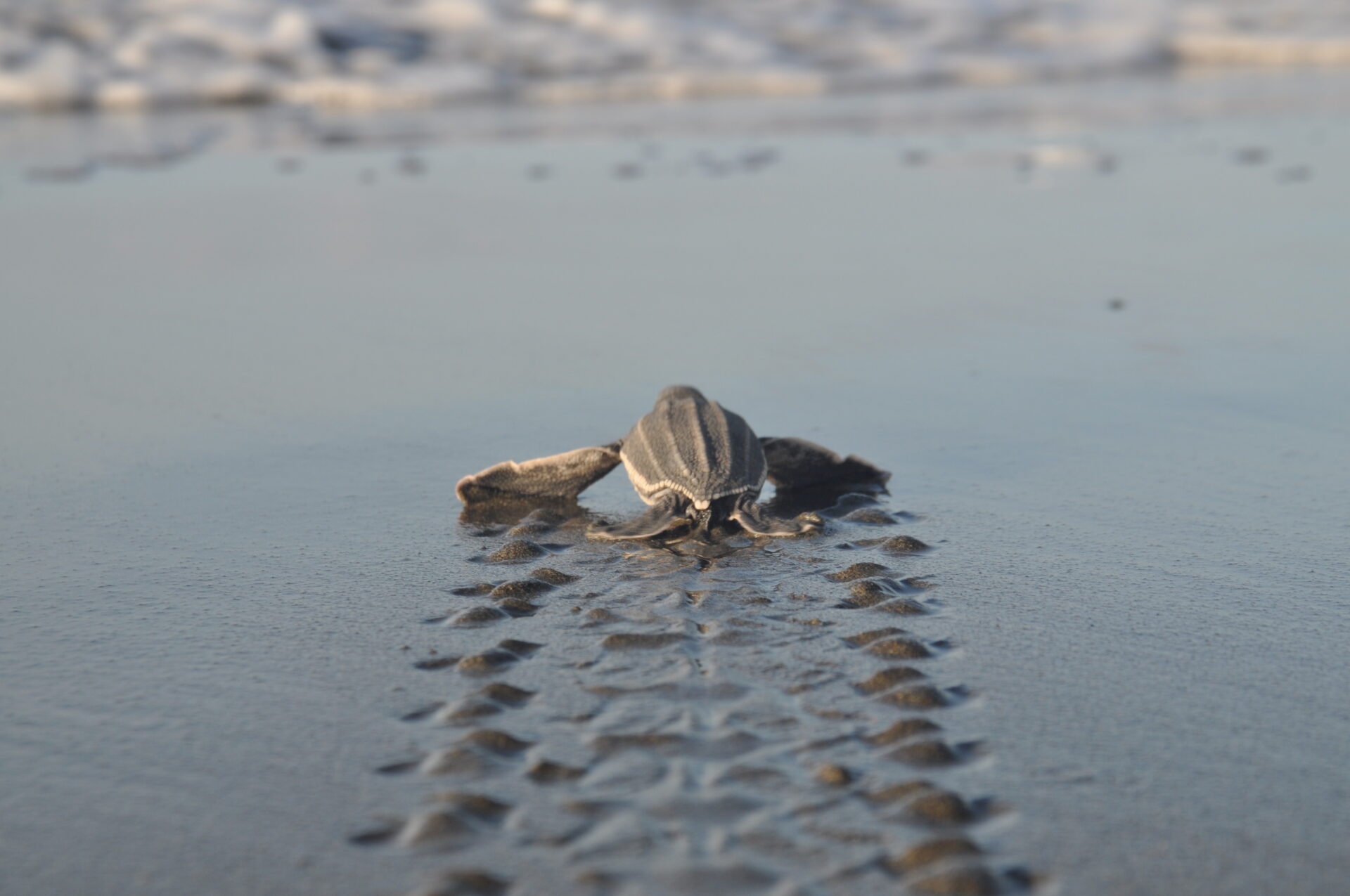
Tragically, J. Nichols passed away in 2024, before the 20 million milestone was reached. His memory is honoured through ongoing support for Grupo Tortuguero de las Californias, an organisation he co-founded decades ago.
But had he been here to witness the first checkpoint, we can take a pretty good guess at the outlook he would have shared. “20 million hatchlings saved. Only 880 million more to go.”

Printed editions
Current issue
Back issues
Enjoy so much more from Oceanographic Magazine by becoming a subscriber.
A range of subscription options are available.
