Guest column: Planetary business and our missing biological inventory
Of an estimated two million marine species, humanity has discovered just 250,000. We are conducting planetary-scale civilisational business - writing treaties, pricing carbon, designing marine protected areas, issuing blue bonds - with 90 per cent of our biological inventory missing, argues Oliver Steeds, director of Ocean Census.
As things stand, Earth is the only known place in the universe where complex biology exists. Most of it lives in our ocean. It is our planet’s defining superpower. And we are destroying it without knowing what it is.
This is not hyperbole. It is accounting.
Of an estimated two million marine species, humanity has discovered just 250,000. We are conducting planetary-scale civilisational business – writing treaties, pricing carbon, designing marine protected areas, issuing blue bonds – with 90 per cent of our biological inventory missing. That is precisely how we manage Earth’s most valuable resource.
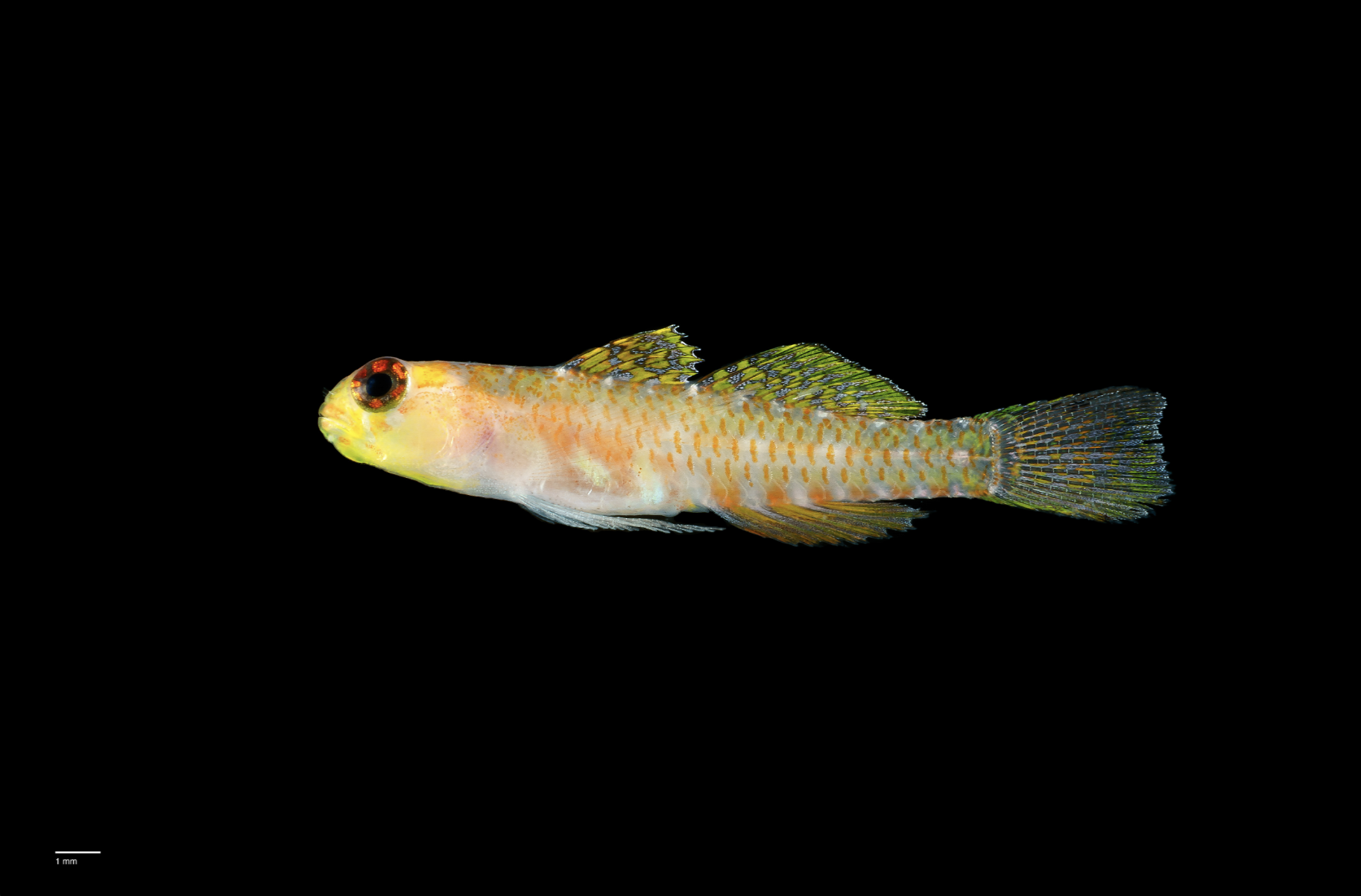
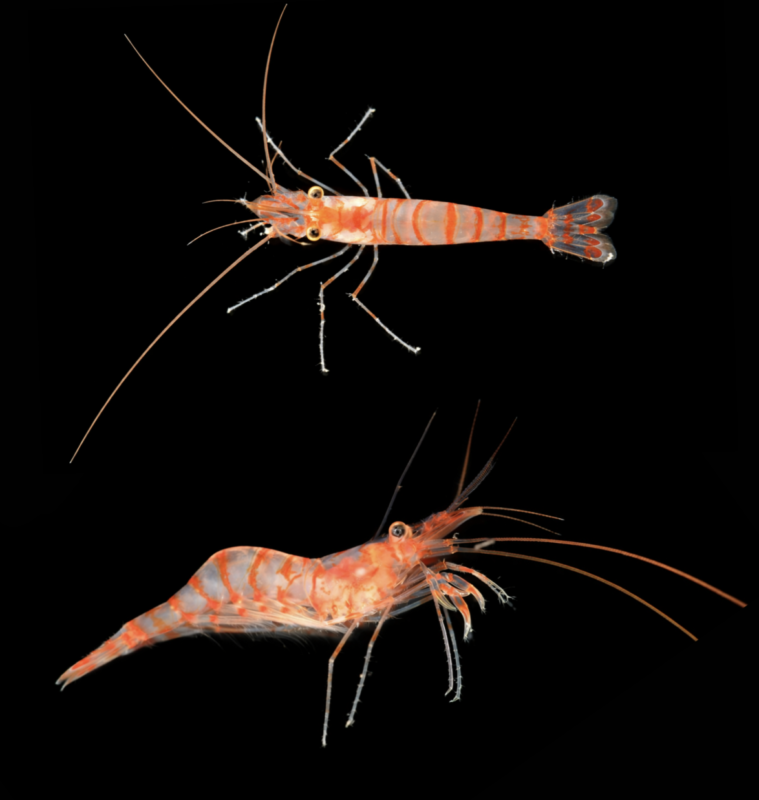
Ocean Census has recently announced the discovery of 1,121 new marine species in 12 months – and with it, a 54 per cent increase in the global annual rate of ocean species discovery. It is the fastest coordinated acceleration of marine species discovery ever achieved. It is also, in the context of what remains unknown, a beginning.
What we are missing
The ocean is not simply a body of water. It is a four-billion-year archive of evolutionary innovation. The organisms that inhabit it have been solving problems – carbon sequestration, pharmaceutical synthesis, materials engineering, thermal regulation – since before multicellular life emerged on land.
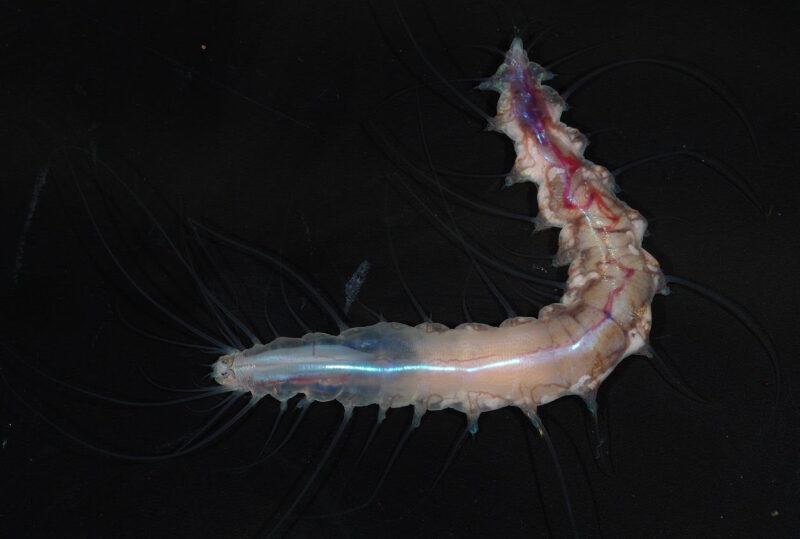
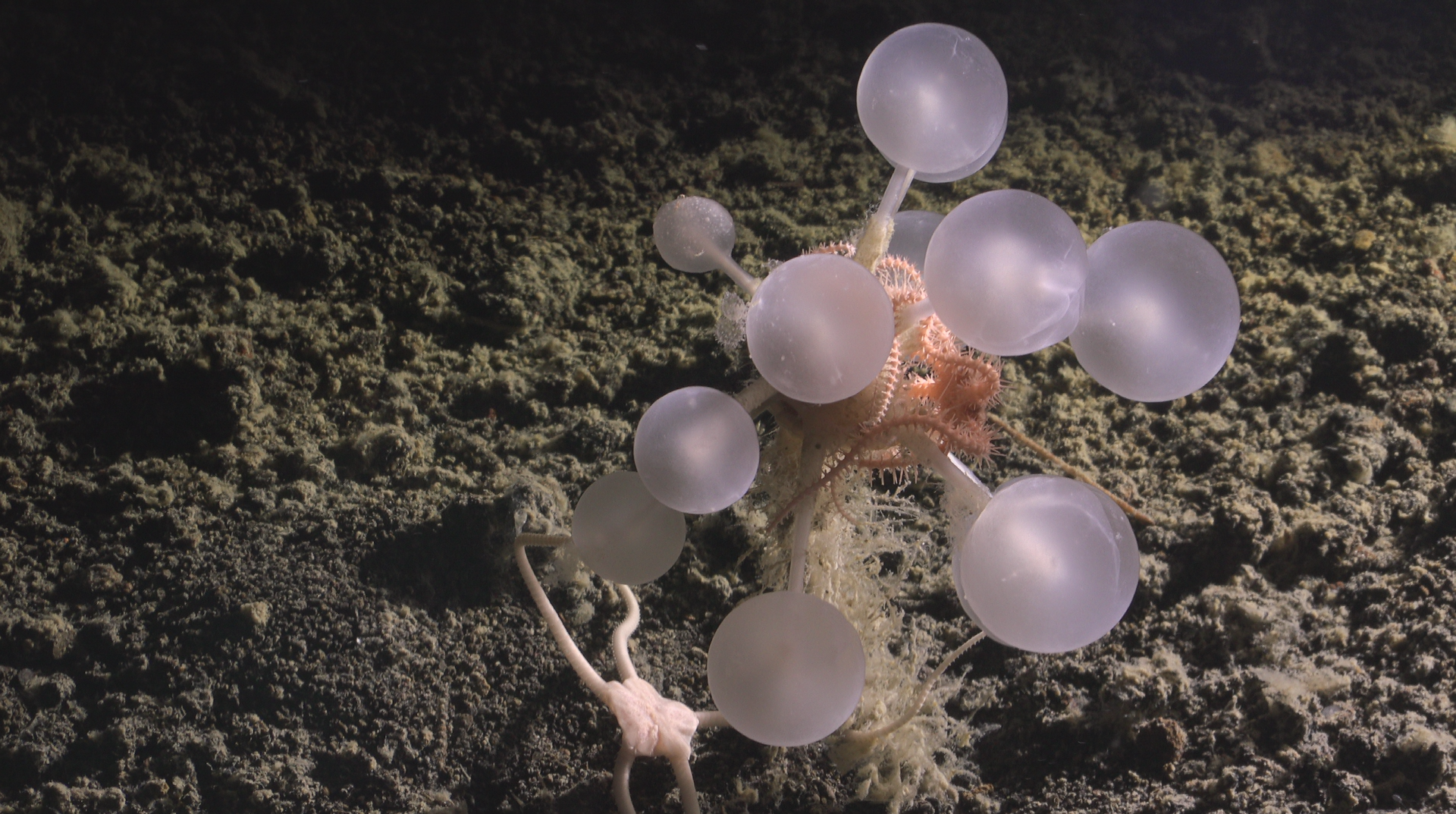
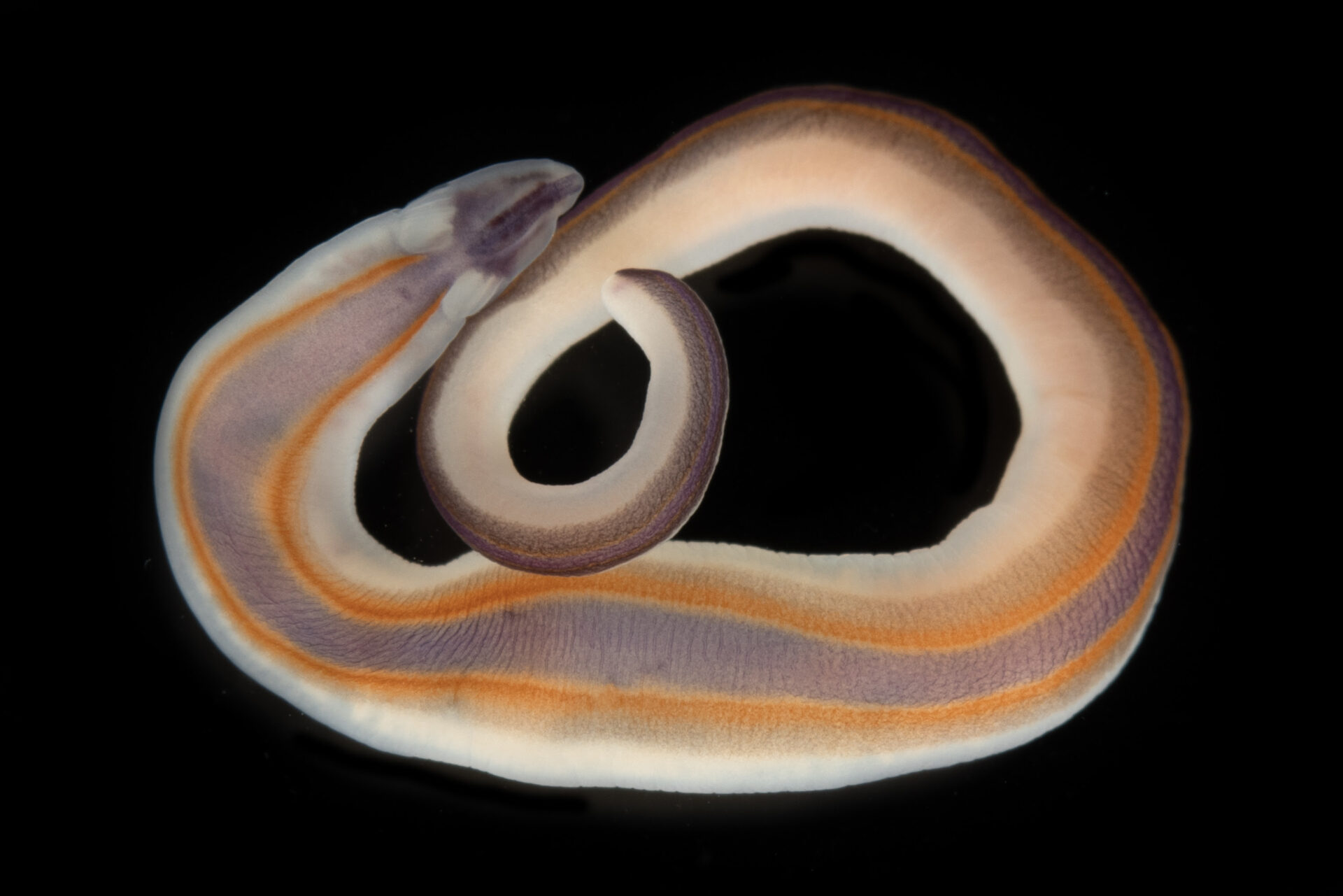
Among the 1,121 species newly discovered: a ghost shark from 800 metres depth in Australia’s Coral Sea – a member of an evolutionary lineage that diverged 400 million years ago, predating the dinosaurs; Tiny ribbon worms from Timor-Leste whose vivid colouring signals chemical defences now being investigated as treatments for Alzheimer’s and schizophrenia; And a flapjack octopus from deep waters off Australia – whose ancestors diverged from ours 750 million years ago, yet which independently evolved eyes almost identical to our own. It is colourblind, yet produces perfect camouflage in milliseconds – because its skin itself can ‘see’.
These are not curiosities. They are irreplaceable products of four billion years of evolutionary intelligence – each species a solution, a compound, an adaptation we have yet to understand. And we are discovering it at the speed of a Victorian naturalist.

The cost of ignorance
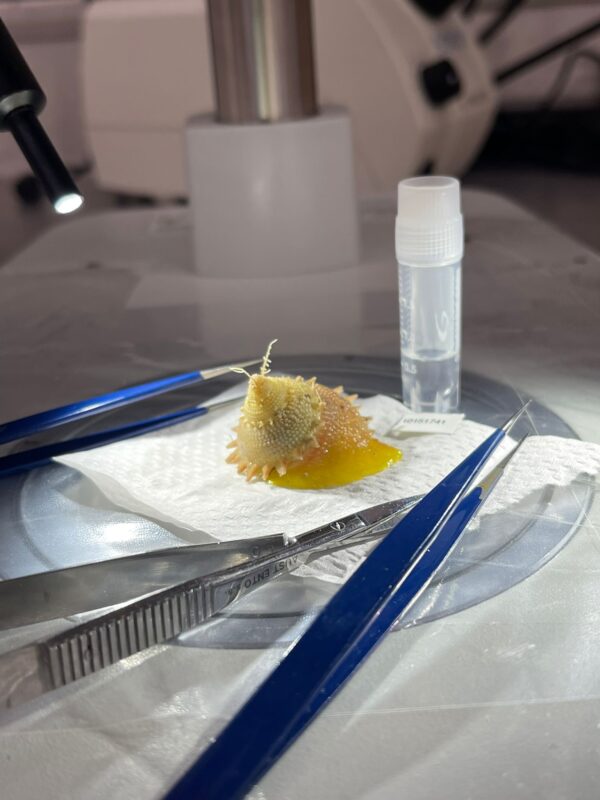
The average time between collecting a marine specimen and formally describing it in scientific literature is 13.5 years. At current rates, completing our ocean biological inventory will take roughly 800 years. By then, most of what we set out to document will likely be gone.
What we are racing to discover is not the totality of life on Earth – it is what remains of it. Of every species that has ever existed, 99 per cent are already extinct, lost to five mass extinctions across deep time. We are now in the sixth.
Extinction rates are running at 100 to 1,000 times their natural baseline. The ocean is already 30 per cent more acidic since the Industrial Revolution began. Thermal tipping points have already been reached. At 2° global warming, 99 per cent of Earth’s most concentrated biodiversity factories – coral reefs – will be destroyed.
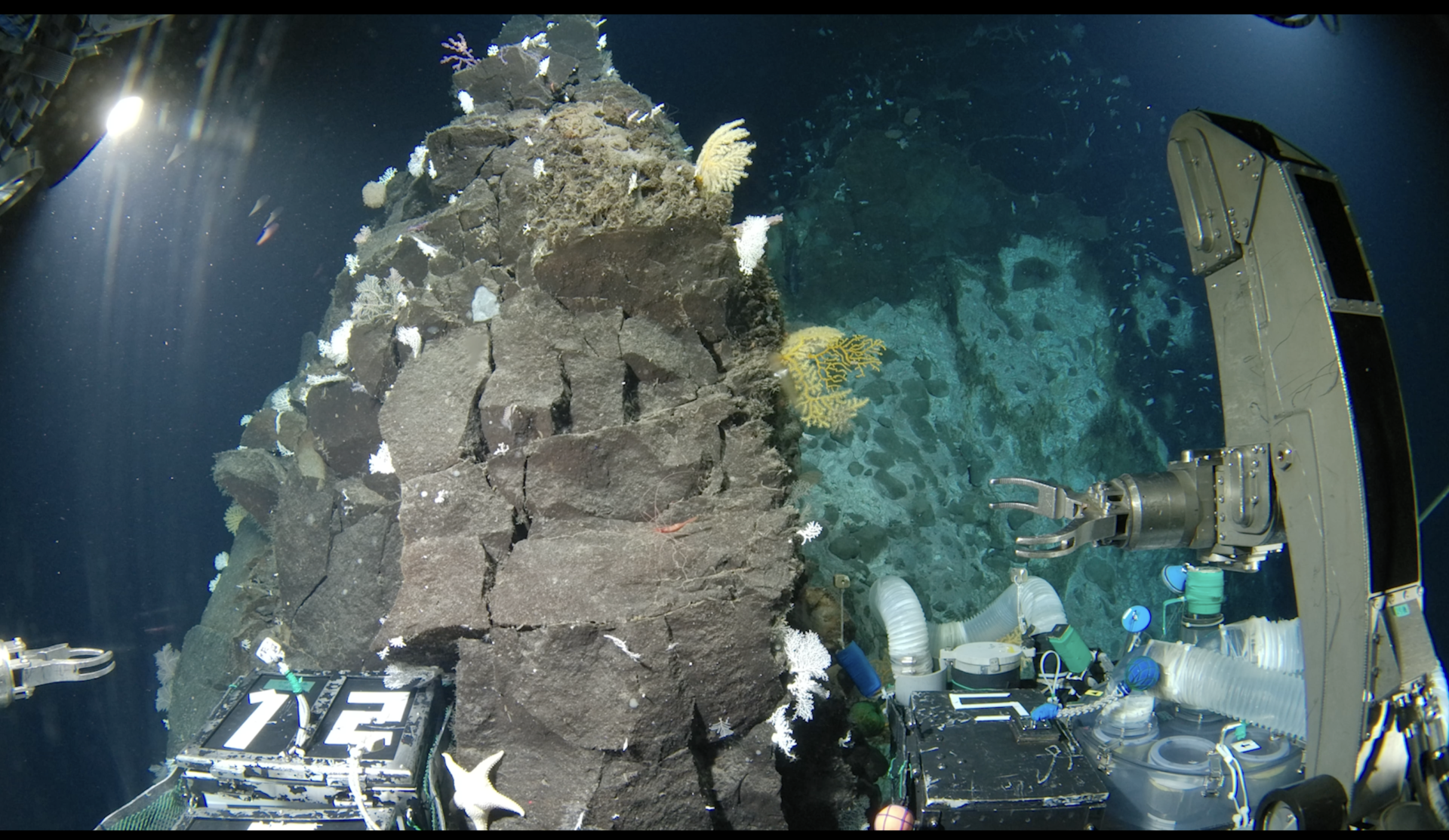
Meanwhile, deep-sea mining applications target areas where we have identified as little as ten per cent of resident species; fisheries operate without full knowledge of bycatch; coastal development transforms habitats before we have recorded what lives there.
Every species lost represents millions of years of evolutionary problem-solving – pharmaceutical compounds before discovery, climate-resilient adaptations before study, industrial applications before recognition. We are erasing four billion years of biological innovation before we have had the chance to read it.
The policy gap
The BBNJ Agreement – the landmark High Seas Treaty – requires species inventories for ocean governance. The Kunming-Montreal Global Biodiversity Framework demands biodiversity baselines by 2030. Biodiversity credits, natural capital accounting, and emerging corporate biodiversity regulations all require an increase in species-level data to achieve their objectives. Marine protected areas cannot be ecologically representative if we do not know what ecology we are protecting.
Policy windows do not wait 13 years. Investment cycles do not wait. Extinction does not wait.
The opportunity hiding in plain sight
Here is what makes this crisis tractable: much of the knowledge already exists, waiting to be unlocked. Museums and research institutes worldwide hold tens of millions of unsorted marine specimens, and likely hundreds of thousands of new species awaiting identification. Advances in genomic sequencing, environmental DNA, and artificial intelligence are compressing what once took decades into days.
Ocean Census has already developed NOVA – an open-access publishing platform that reduces the time from specimen collection to accessible data from years to weeks – backed by a science network spanning more than 700 institutions across 85 countries. The architecture for acceleration is in place. A Renaissance is underway. A new Enlightenment is needed.
The equity imperative
Marine biodiversity is not distributed evenly. The richest ocean ecosystems on Earth – the Coral Triangle, the Indo-Pacific, the Mozambique Channel, the Eastern tropical Pacific and the tropical Atlantic – lie predominantly within the waters of lower-income nations. Yet taxonomic expertise, the means of discovery, and the benefits that flow from it have long concentrated in wealthier ones – with knowledge and value accruing far from their origin.
The biodiversity within a nation’s waters is a sovereign asset. For it to function as one, it must first be documented, attributed, and owned by those whose waters it came from.
The investment question
We spend billions searching for a single microbe on Mars. Collectively, the world’s space programmes cost over $130 billion every year – each a national competition dressed as human curiosity. Meanwhile the majority of complex life on the only world known to harbour it remains unnamed. Discovering it would cost a fraction of a single year of looking elsewhere – once.
A hundred million dollars directed at shore-side identification, data infrastructure, and taxonomic capacity would unlock vastly greater investment from national research programmes, philanthropic foundations, and the scientific fleets already doing the expensive work of collection. The return – natural capital valuation, conservation finance and pharmaceutical discovery – is incalculable. The cost of not making it is not: the permanent, irreversible loss of Earth’s defining biological inheritance.
The choice
To understand, sustain and protect ocean life, we need to discover it. The tools exist. The network exists. The urgency is not coming – it is here.
The universe, as far as we know, has produced complex biology exactly once. On this planet. In this ocean. We are the stewards who decide what survives.
This Guest Opinion has been written for Oceanographic by the Director of Nekton Ocean Census, Oliver Steeds OBE.
Printed editions
Current issue
Back issues


Enjoy so much more from Oceanographic Magazine by becoming a subscriber.
A range of subscription options are available.
