Securing the last frontier: The case for Antarctic ocean protection
The celebrated natural history storyteller and ocean advocate, James Honeyborne argues for the vital importance of establishing marine protected areas across the Southern Ocean and taking a firmer stance on unchecked krill fishing in the Antarctic.
Spending years making nature documentaries like BBC’s Blue Planet II and Netflix’s Our Oceans, it’s inevitable that you become an eyewitness to the fast changes our world is facing. With crews filming across every continent and ocean, we’re seeing firsthand the chaos unfolding in Earth’s natural systems.
Although these realities impact us daily, I still raised an eyebrow when I first heard that this year’s Gulbenkian Prize for Humanity – chaired by Dr Angela Merkel, no less – was awarded to a group representing one of Earth’s ecosystems least touched by humanity: the Antarctic and Southern Ocean Coalition (ASOC).
ASOC emerged from a field of 212 nominees from 115 countries for their work protecting Antarctica through science and diplomacy. The Gulbenkian Prize for Humanity – the “Nobel Prize for the environment” – celebrates those who are leading the fight against climate change, and recognises scalable solutions and actions that drive global impact.
Since winning that €1 million prize in July, developments in Antarctica have snowballed. August saw the krill fishing quota hit early for the first time ever, forcing authorities to close it. Then in September, the High Seas Treaty was ratified, finally giving us the legal tools to create Marine Protected Areas in international waters. The timing matters because as of this October, the UK has taken the chair of CCAMLR – the Commission for the Conservation of Antarctic Marine Living Resources – for the next two years.

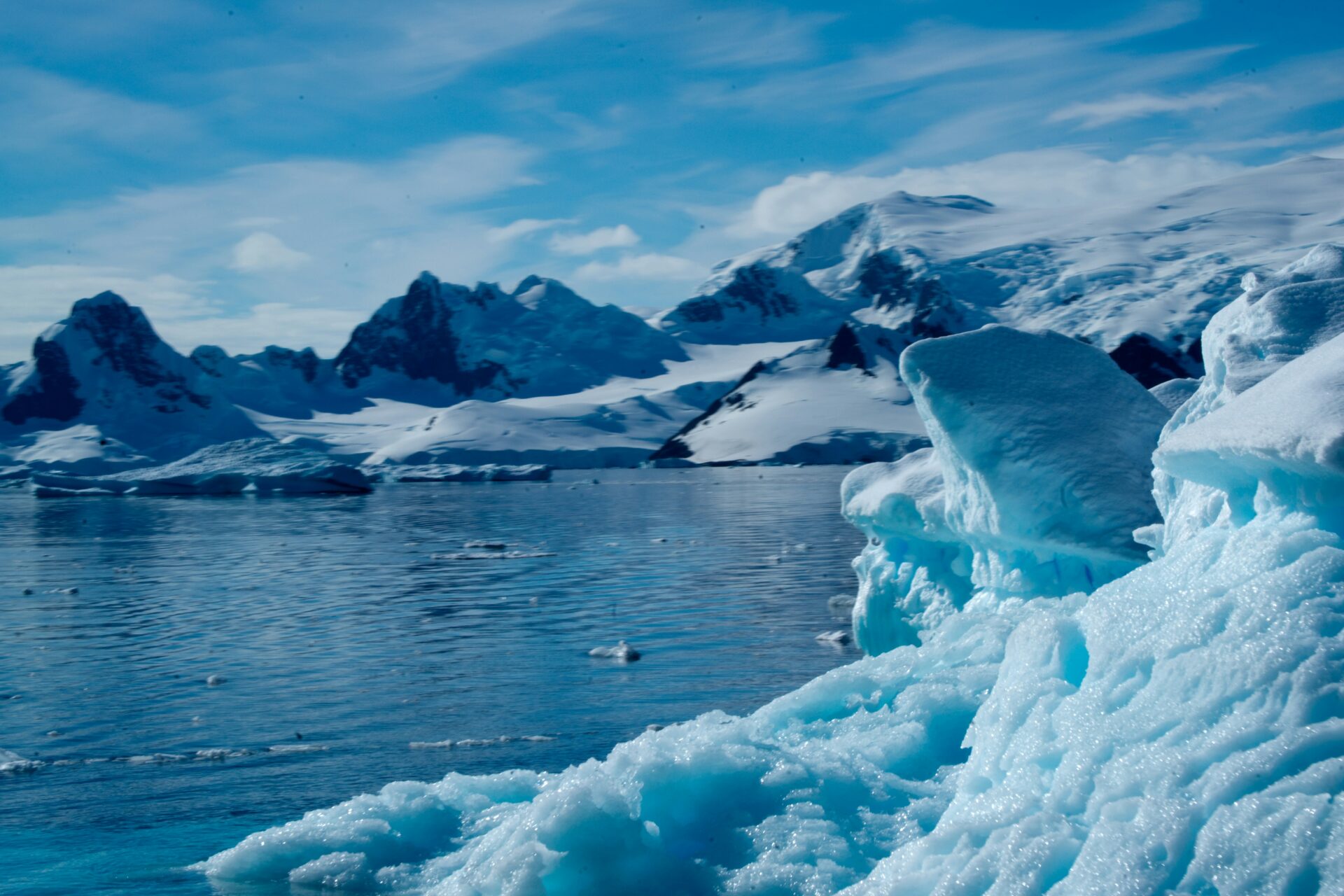
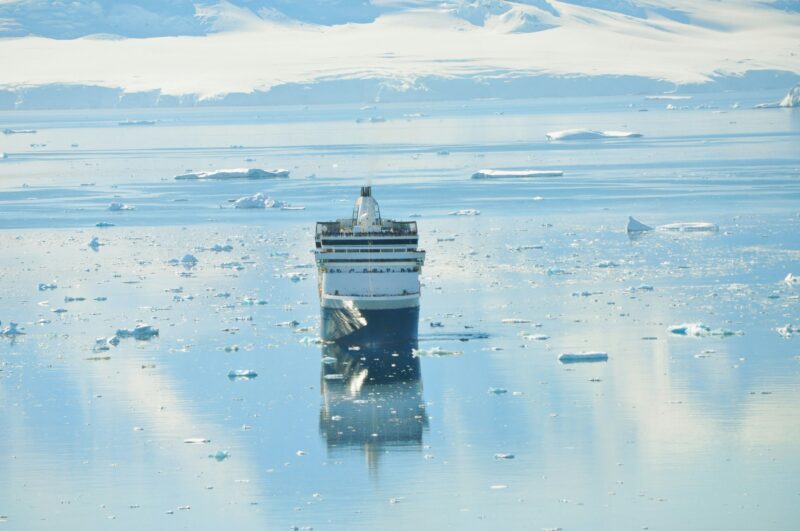
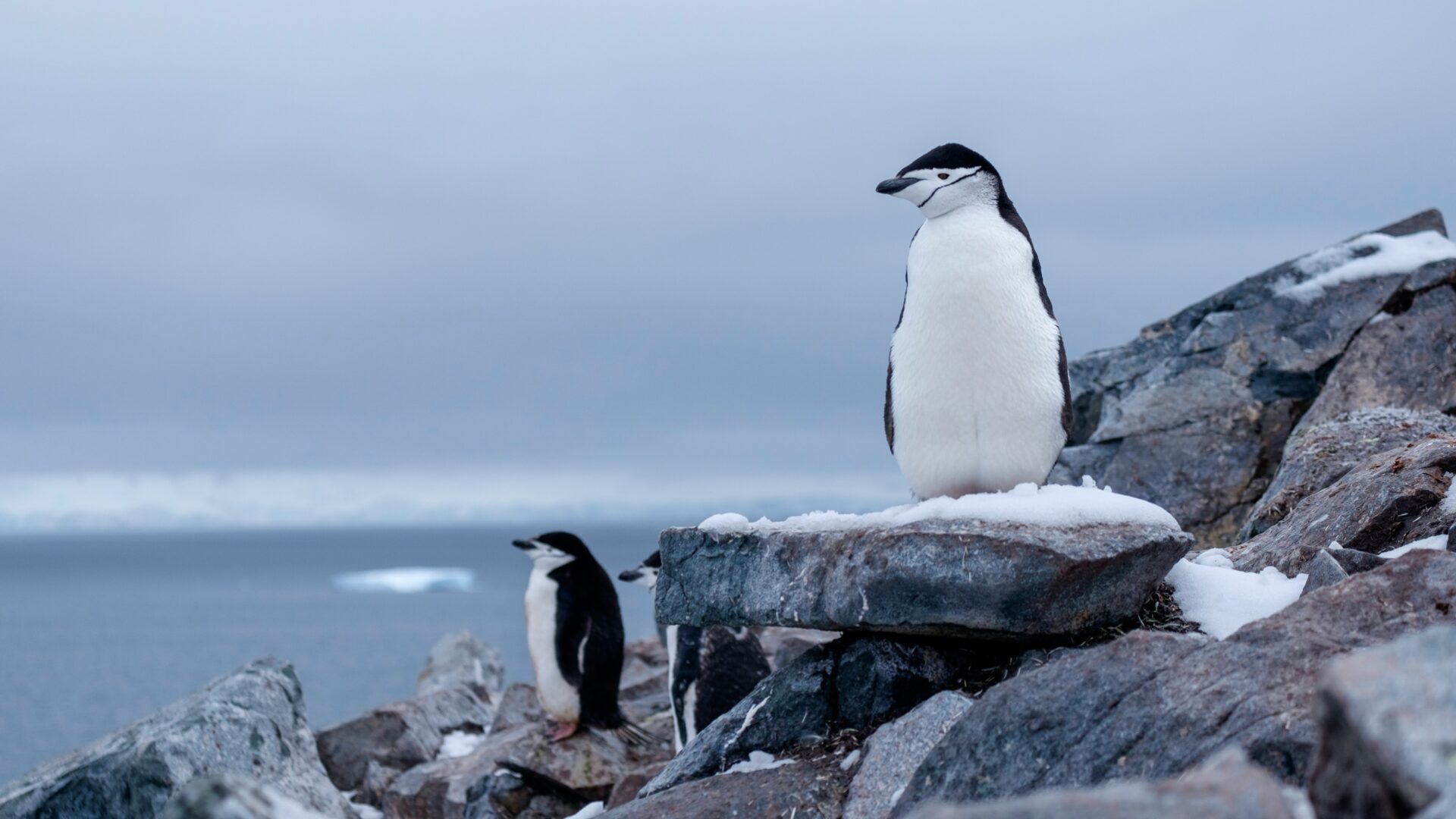
Antarctica was designated a continent dedicated to peace and science in 1959 at the signing of the Antarctic Treaty. Then in 1982, CCAMLR was formed specifically to safeguard Antarctic marine life, particularly the abundant krill – the tiny, shrimp-like creatures that are the foundation of the entire Antarctic food web – which had caught the attention of commercial fishing fleets and brought them into potential competition with Antarctic wildlife.
The commission promised a network of Marine Protected Areas by 2012. Yet two decades later, they’ve managed just two: around the South Orkneys and in the Ross Sea, covering 6% of the Southern Ocean. And since then? Diplomatic gridlock.
Here’s why that matters more than you might think. If you assumed Antarctica’s wildlife was protected… think again – the vast majority isn’t. And we now know the Southern Ocean is critical to keeping our entire planet habitable. It absorbs roughly 40% of all CO2 taken up by oceans, making it one of Earth’s most important carbon sinks. Its cold waters are packed with phytoplankton that produce oxygen while feeding everything from krill to blue whales.
Then there’s the Antarctic Circumpolar Current, which acts like a giant conveyor belt, distributing heat and nutrients around the globe. The sea ice reflects sunlight back into space, helping keep global temperatures in check. It’s essentially the planet’s thermostat.
And our film crews see it breaking down in real time. The Antarctic Peninsula has warmed by 3°C over the past 50 years. Sea ice that emperor penguins need for breeding has hit record lows, causing catastrophic colony failures; krill populations are struggling in warming waters, threatening everything from tiny seabirds to the great whales; West Antarctic ice sheets are accelerating into the ocean, driving up sea levels worldwide.
It’s a vicious cycle: less ice means less sunlight reflected, which means more warming, which means less ice.
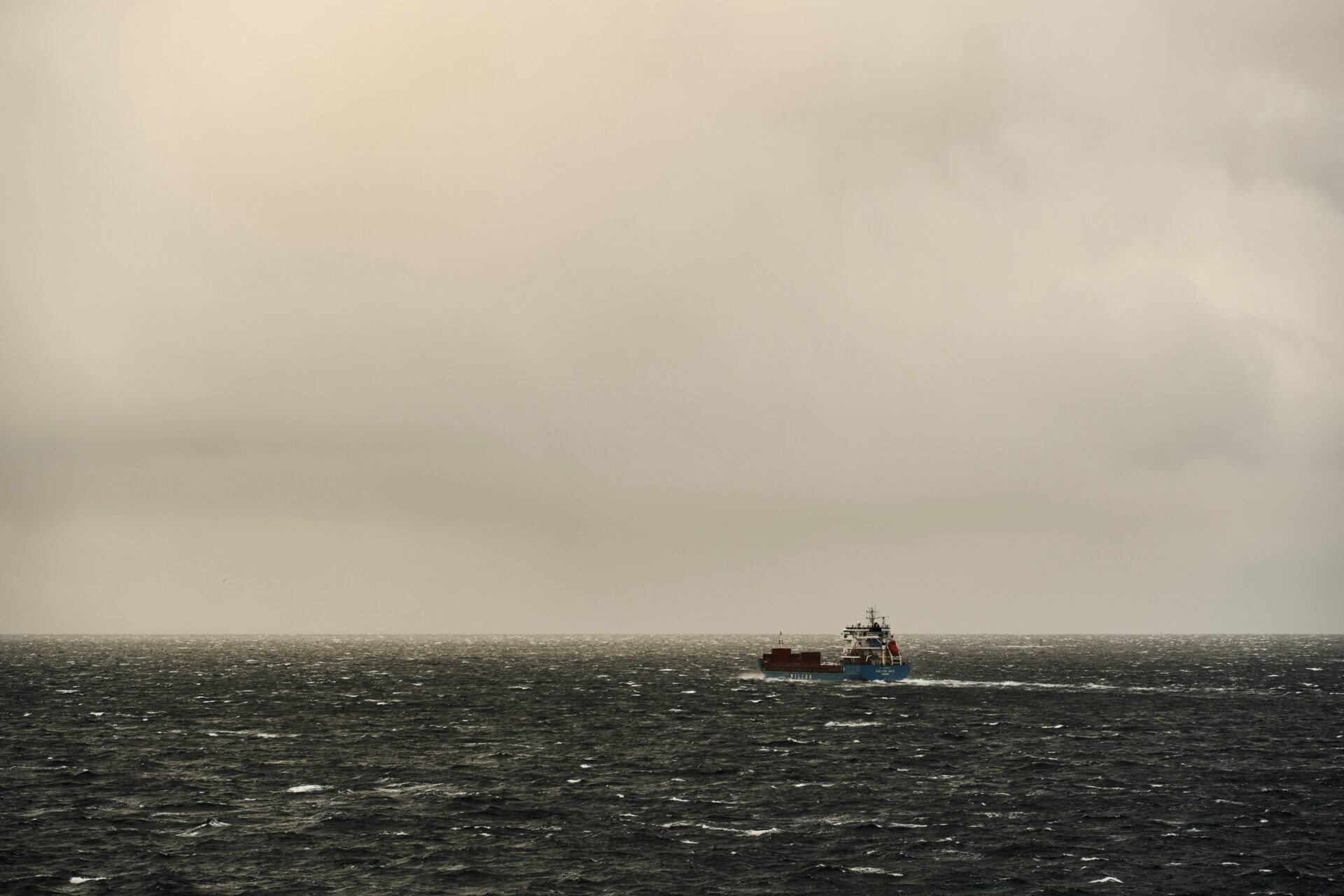
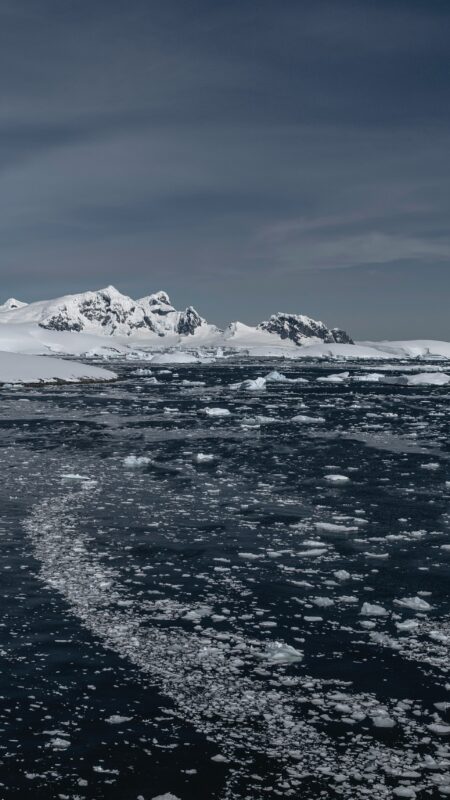
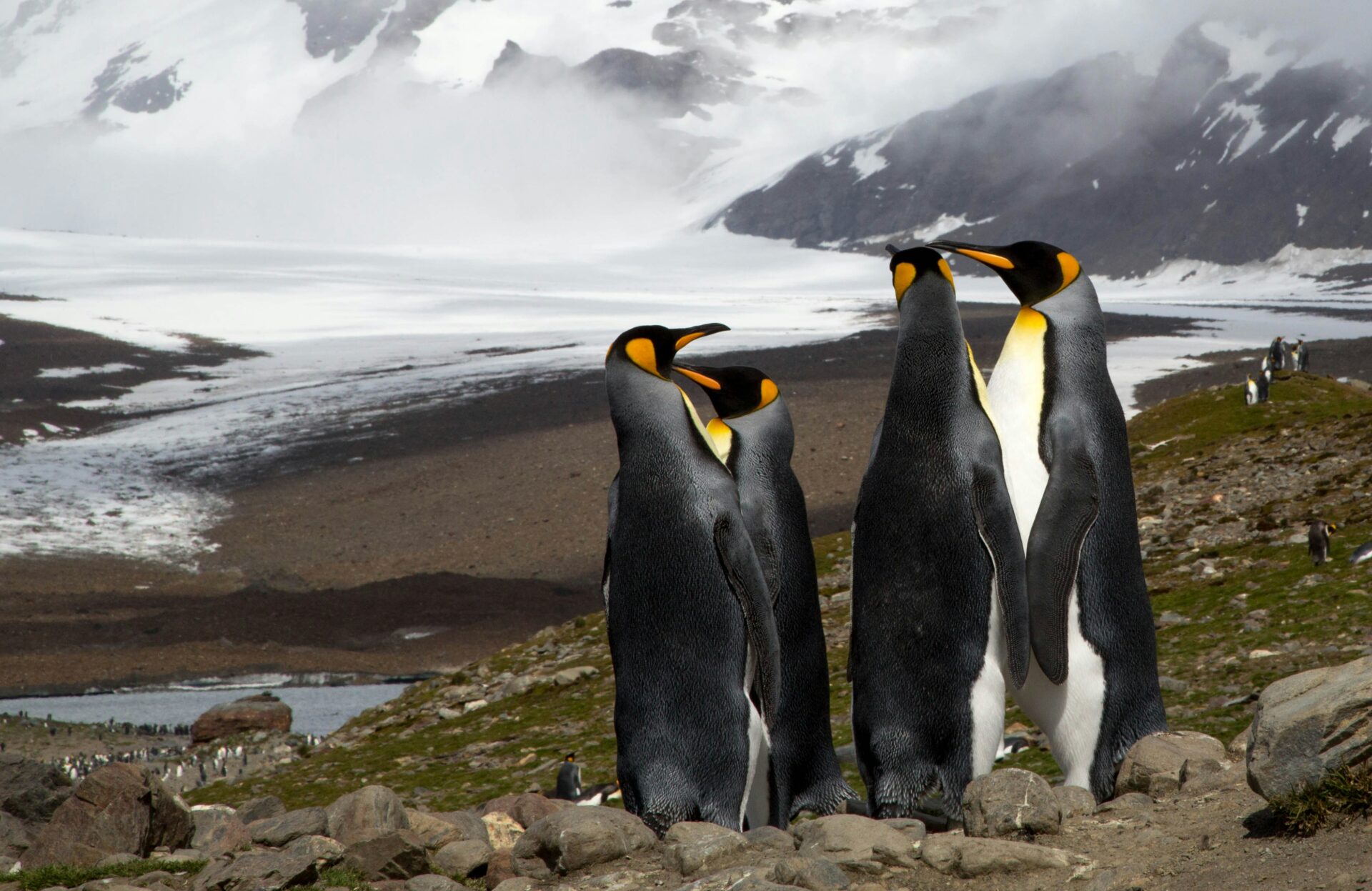
Marine Protected Areas (MPAs) could help give wildlife breathing room to adapt. So why have none been created in a decade? Why hasn’t “politics for penguins” prevailed? The answer lies in CCAMLR’s consensus rule: every member country – including the US, China, Russia, and Ukraine—must agree. And they don’t.
Russia and China have blocked every recent MPA proposal. China wants more baseline data first. Russia questions whether CCAMLR even has the authority to create protected areas. Critics say both are really worried about losing future fishing access – both nations have ramped up their krill operations in recent years.
The consensus system, designed to encourage cooperation, has instead let a minority hold conservation hostage.
But there are genuine reasons to be optimistic. In 2023, G20 leaders backed new Antarctic MPAs. Four scientifically vetted proposals are now on the table, covering hotspots like the Antarctic Peninsula and Weddell Sea – places where we film those charismatic penguins and seals that light up your TV screen. If approved, they’d protect 26% of the Southern Ocean, nearly hitting the UN’s 30×30 target that China and Canada championed in 2022.
This is where the UK’s leadership moment arrives. As CCAMLR chair this year, Britain has a real chance to break the deadlock, and the stakes are higher than ever. The Antarctic is now one of the fastest-warming regions on Earth. An MPA could protect the numerous species which call the ice sheets their home, and continue building momentum towards the world’s 30×30 targets and the High Seas Treaty.
It’ll require creative diplomacy that brings everyone to the table – including the fishing industry – because solving this will take a coalition as broad as humanity itself.
Which brings us back to that wonderful Gulbenkian Prize for Humanity. It makes perfect sense, of course. And for ASOC it will help turn hope into action, as it gives voice to a place where humans barely exist, yet which we all depend on profoundly.
Sometimes the most important battles for humanity’s future are fought on behalf of penguins, krill, and the vast icy ocean at the bottom of the world.

Printed editions
Current issue
Back issues
Back Issues
Issue 43 Sir David Attenborough’s ‘Ocean’


Back Issues
Issue 41 Holdfast to the canopy
Enjoy so much more from Oceanographic Magazine by becoming a subscriber.
A range of subscription options are available.
