The Flamingo Revolution
A protected coast in southern Albania was given away for a luxury resort. The law that was meant to defend it did nothing. What stopping the bulldozers, for now, is the people.
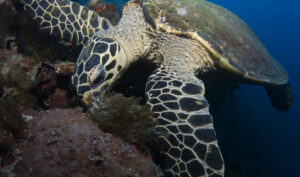
In the summer of 2024, on the strip of sand at Pishë-Poro that separates the Narta Lagoon from the Adriatic, a loggerhead turtle came ashore in the dark, dragged her weight up to the dry sand above the tideline, dug a chamber with her back flippers, laid a clutch of eggs, covered them over, and went back to the sea before first light. She had no way of knowing she had chosen a protected beach or that the protection was about to mean nothing.
I have been coming to this coast for years. My wife is from Vlora, the city at the top of the bay, and we go back most summers. I have walked these beaches before any of this, before the fences. I work in conservation, and what I have learned is that a law on a page does not protect anything by itself. People protect things. A designation only helps when someone is prepared to defend it.
This coast had that protection. In 2004, it was designated a protected landscape under Albanian law. For twenty years, the designation sat there, doing what such designations mostly do, which is very little. Then it was tested, and it failed.
That a loggerhead nests here at all is new. For most of the last century, the species was thought to nest only in the warmer waters of the eastern Mediterranean, in Greece, Turkey, and Cyprus. The first confirmed Albanian nest, further up the coast at Divjaka, came in 2018. As the sea warms, loggerheads are pushing north along the Adriatic, and the beaches they choose now may be where the species rides out a hotter century. Albanian monitors have watched it happen here: a record season in 2024, 218 hatchlings reaching the sea, the first relocation of turtle eggs anyone in the country had tried, and more nests the summer after.
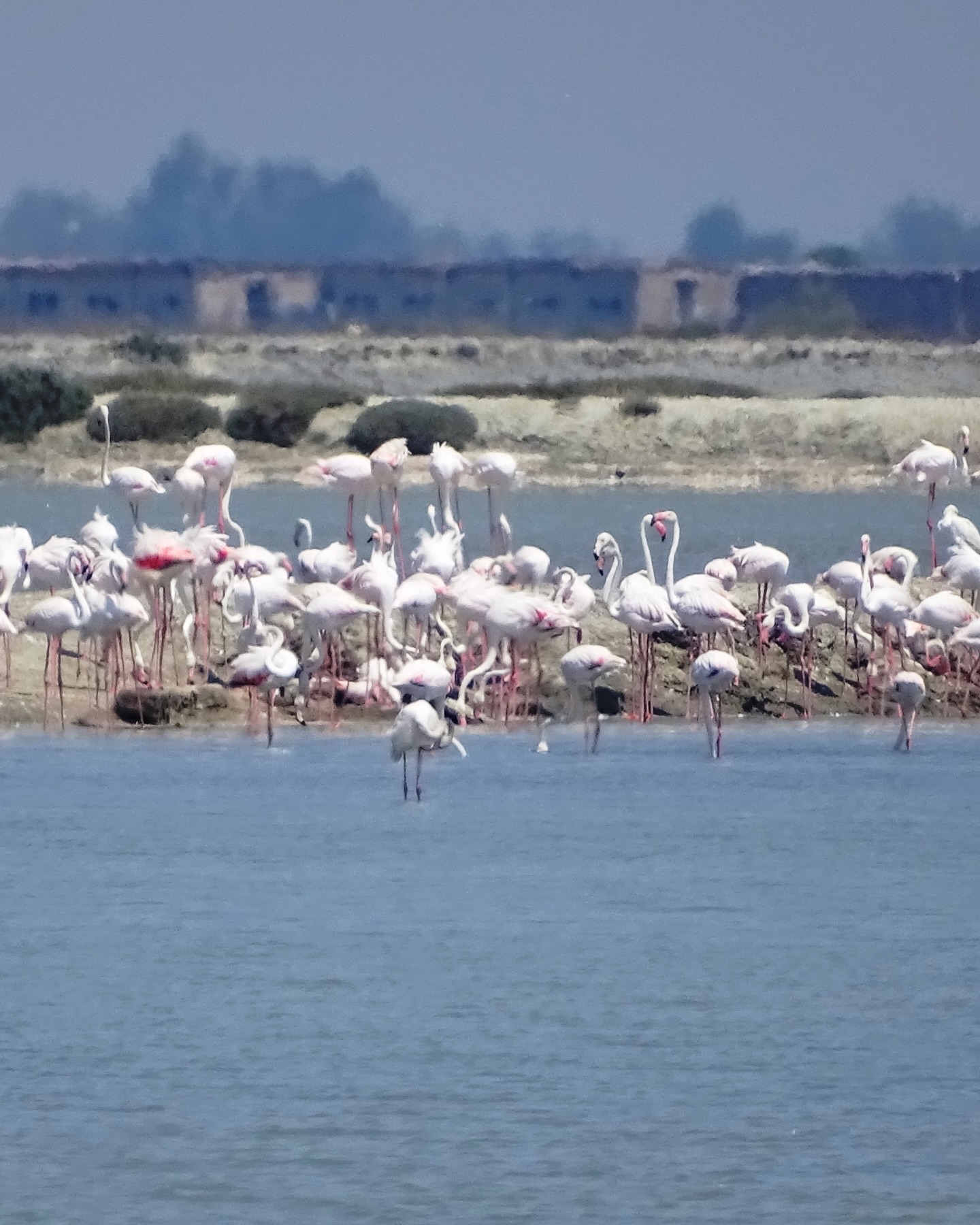
The turtle is one animal among many here. Behind the beach lies the Narta Lagoon, on the flyway that carries millions of birds between Africa and Europe twice a year. Greater flamingos feed there in their thousands. Offshore, a marine national park holds some of the last water in Albania, where a Mediterranean monk seal can still haul out, a creature down to fewer than a thousand on the whole planet. This is one of the richest pieces of coast in the country, and it had the protection to prove it.




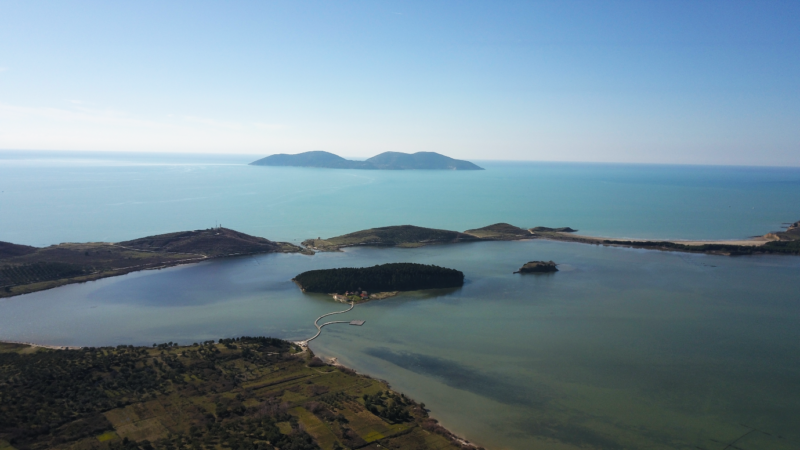
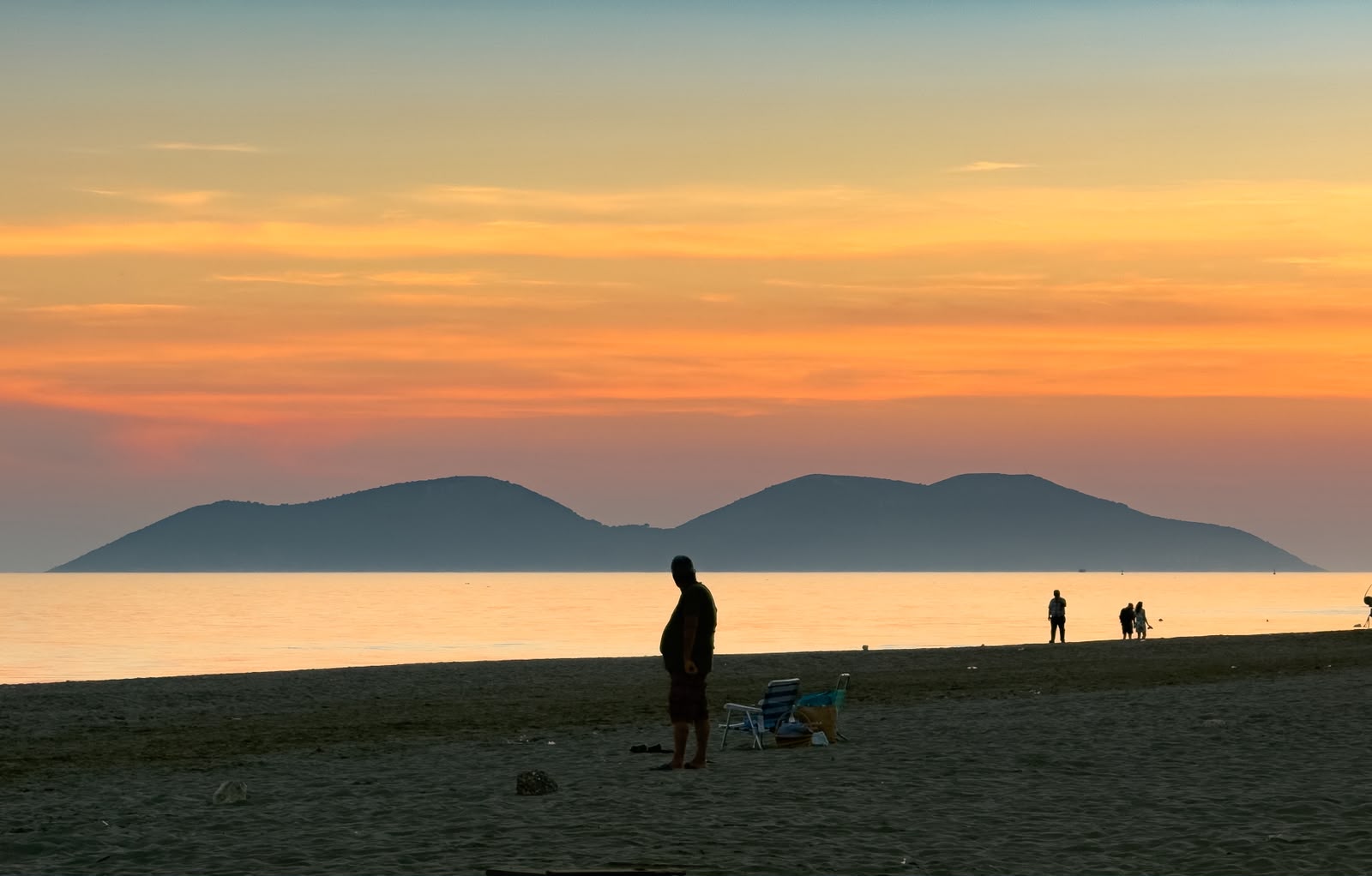
Here is how that protection held up. In 2022, the government shrank the protected zone. In February 2024, parliament passed a law allowing five-star resorts inside protected areas, including the strictest categories. Conservation groups and a fifth of parliament asked the Constitutional Court to strike it down. In July 2025, on a four-to-four tie, the court declined, holding that the law was only a framework and that harm could be judged only once building began. Whether the coast was protected would be settled on the ground.
The thing being built is a development tied to Jared Kushner and Ivanka Trump, in two halves. One is a resort on Sazan, the old military island in the bay, state-owned land granted to a Kushner-linked company under a fast-track designation on the last day of 2024. The island is the symbol, the public asset that gave the protests their slogan, the country is not for sale. Ivanka Trump has called Sazan a “1,400-hectare private island.” It is neither: it belongs to the Albanian state, and it is about 570 hectares. The other half, the larger one, is on this mainland coast. That is where the turtles are. That is where the bulldozers went.
They went in late April 2026, before the final permits, before the environmental assessment was done. They felled the coastal pine, flattened dunes that Albanian law lists as natural monuments, laid gravel over the sand, and pushed bulldozed dune into one of the two inlets that let the sea into the lagoon. The government says the lagoon was never touched and that the works on the spit were temporary, laid to carry survey equipment. Monitors from PPNEA and BirdLife filmed the obstruction. What is not in dispute is that the machinery was clearing a protected beach while the assessment meant to decide whether it could had not been finished.
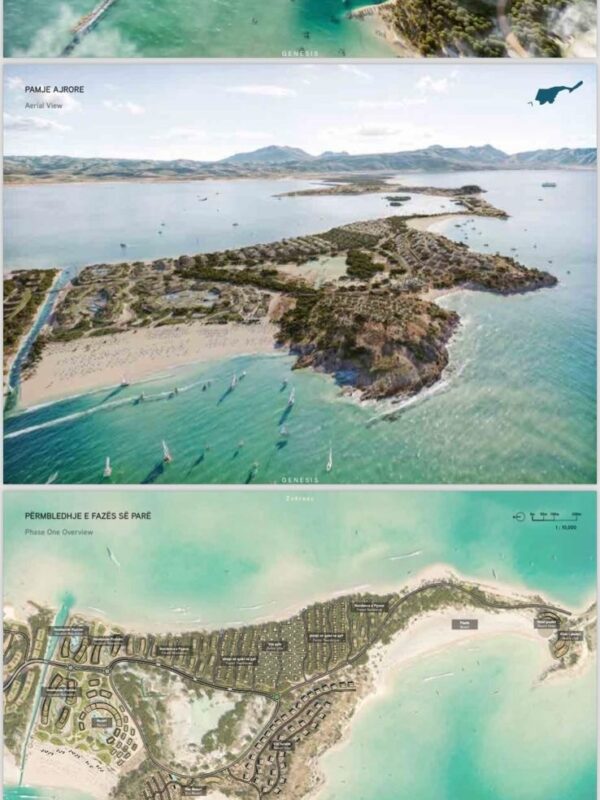
I want to give the government its due, because its case is not empty. Albania is not a wealthy country, and the prime minister argues that a poor nation cannot turn away an investment on this scale, and that an empty military island is an asset the state would be foolish to waste. He says the coast was never stripped of its protection, that a protected landscape is a category meant for places where people live and work alongside nature, and that the deepest tier of environmental study has been ordered before anything is approved. There is force in this. Development is not the enemy of conservation, and a blanket refusal to build on a poor coast would help no one.
The objection that survives all of that is narrower, and it is about the turtle. A protected landscape may allow some building, but for twenty years it had not allowed this, and the law was changed so that it could. The disruption caused when a resort arrives to a nesting beach is well understood. The first thing that goes wrong is light levels. A hatchling finds the sea by crawling toward the brightest horizon, which on a dark beach is the open water and on a lit, one is the hotel. It crawls inland, away from the sea, until it dies. None of this requires anyone to wish a turtle harm. It is simply what a resort does to a beach a turtle needs.
And then the part that the law never accounted for. For twenty years, almost nobody marched for this coast. Then the fences went up, and the excavators arrived on a beach people knew by name, and in May 2026, they came out, in their thousands, in Vlora and in Tirana, under inflatable pink flamingos, because the summer before, for the first time anyone in Albania had recorded, flamingos had nested in the lagoon the machines were clearing. The weakened law had not brought them out, nor the court, nor the grant signed at the end of 2024. The digger did. Within days the protests forced their way onto the front pages, and the government said the works had been suspended. Whether they have truly stopped, and whether the blocked channel will be reopened, is not something anyone can yet confirm.
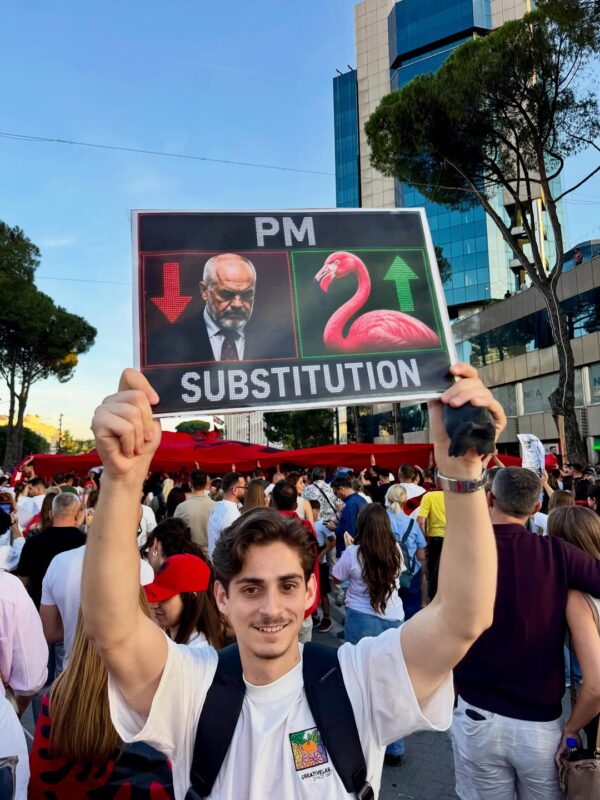
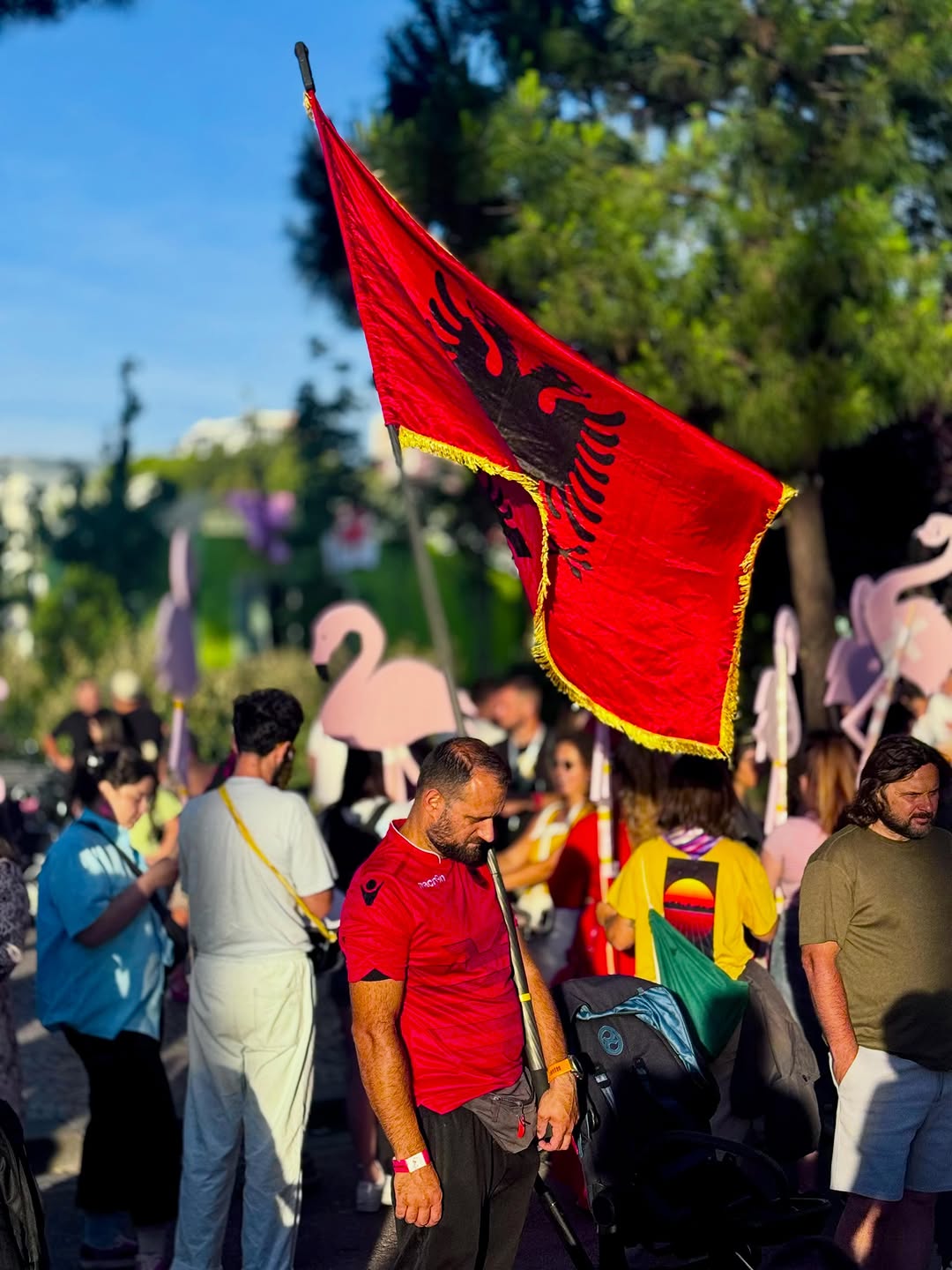
That is the lesson of this coast. The law did not protect Pishë-Poro. It was rewritten to open it, and the court let that stand. What is standing in the way now is people. As I write this, they are into their third week, on the streets and on the dunes. Tens of thousands are in Tirana every night. Some have flown back from abroad to be there. Outside Albanian embassies in other countries, people who could not get home are protesting, too. What I saw when I was there was not a campaign. It was families. Parents and children walking together, friends, holding toy flamingos, carrying signs that said Albania is not for sale.
The turtle knows none of this. She is new to this coast, one of the first of her kind to nest here, and next summer she will come back, because that is what she does. She will climb the beach in the dark and feel for the dry sand above the tideline. Whether it is still there, or whether it is gravel and the glare of a hotel, is being decided this week, in Tirana and on the dunes at Pishë-Poro, by people in their thousands, students and parents and children, carrying toy flamingos and signs that say the country is not for sale.
Printed editions
Current issue
Back issues


Enjoy so much more from Oceanographic Magazine by becoming a subscriber.
A range of subscription options are available.
