Guest column: The space between
Scotland's whaling history exists within living memory, but economic inviability forced an end to the practice, and whale watching filled in the cultural space that it left behind. Head of Hunting & Captivity at WDC, Luke Mcmillan explores the slow, ongoing cultural shift away from whaling in Norway.
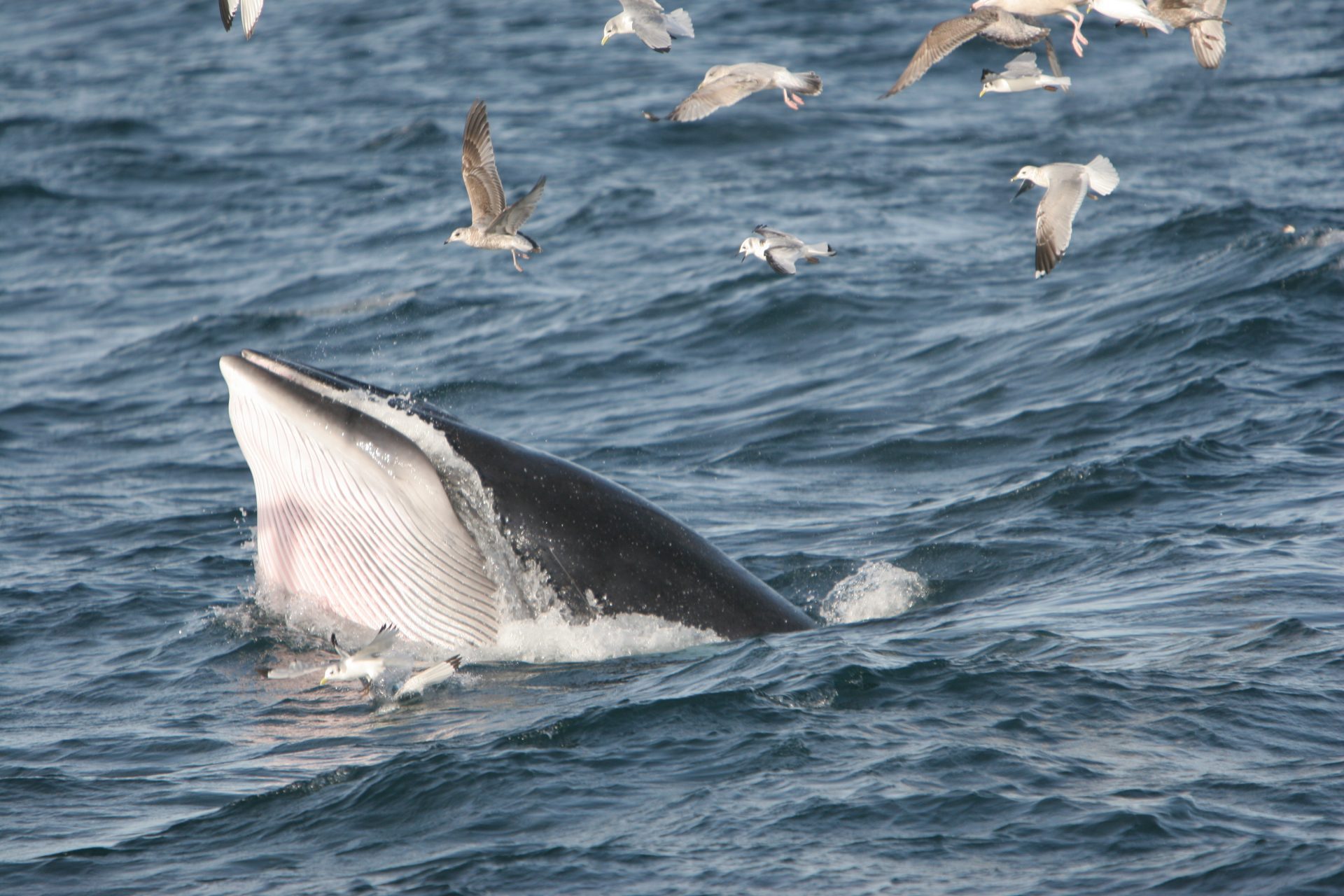
In Scottish waters, there is a whale called Knobble. He has been seen for more than twenty years along the same Hebridean island chain, returning each summer to feed. Children know his name. His fin, notched and familiar, has appeared in drawings, songs and bedtime stories. Wildlife guides recognise him instantly. The little bump at the top of his dorsal fin, as distinctive as a fingerprint. When he surfaces, word spreads across the boat. People say ‘he’s back’ as though an old friend has arrived.
That’s him. That’s Knobble.
Not ‘a minke whale’. Not ‘minke whale stock’. Knobble. An individual. Known. Loved.
I work in whale conservation. People assume this means I work with whales. I do not. I work with humans. With how we see, and what we value. With why our relationships with other species transform over time, sometimes within a single generation.
The Hebridean Whale and Dolphin Trust’s photo-identification work has catalogued hundreds of individual minke whales in the west of Scotland since 1990. Through apps like Whale Track, thousands of sightings have been logged. Researchers can now recognise individuals, track movements and understand lives. You cannot protect populations in the abstract. You protect individuals. You protect Knobble.
Connection builds through repetition. Encounter. The accumulation of moments that forge relationships. A child sees Knobble once, then twice, then draws his picture. A tourist returns home and tells the story. A guide recognises the notch after twenty years. Each encounter adds weight.
In Norwegian waters, a different relationship persists. One that sees minke whales as resource, as a harvest. This is not cruelty; it is cultural inheritance. For generations, whaling was livelihood, tradition and national identity. Normal.
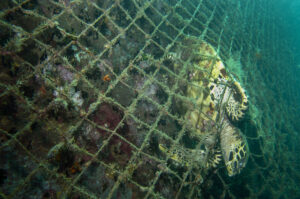

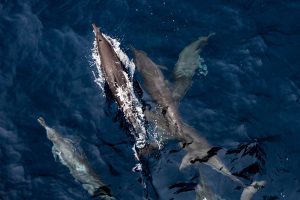
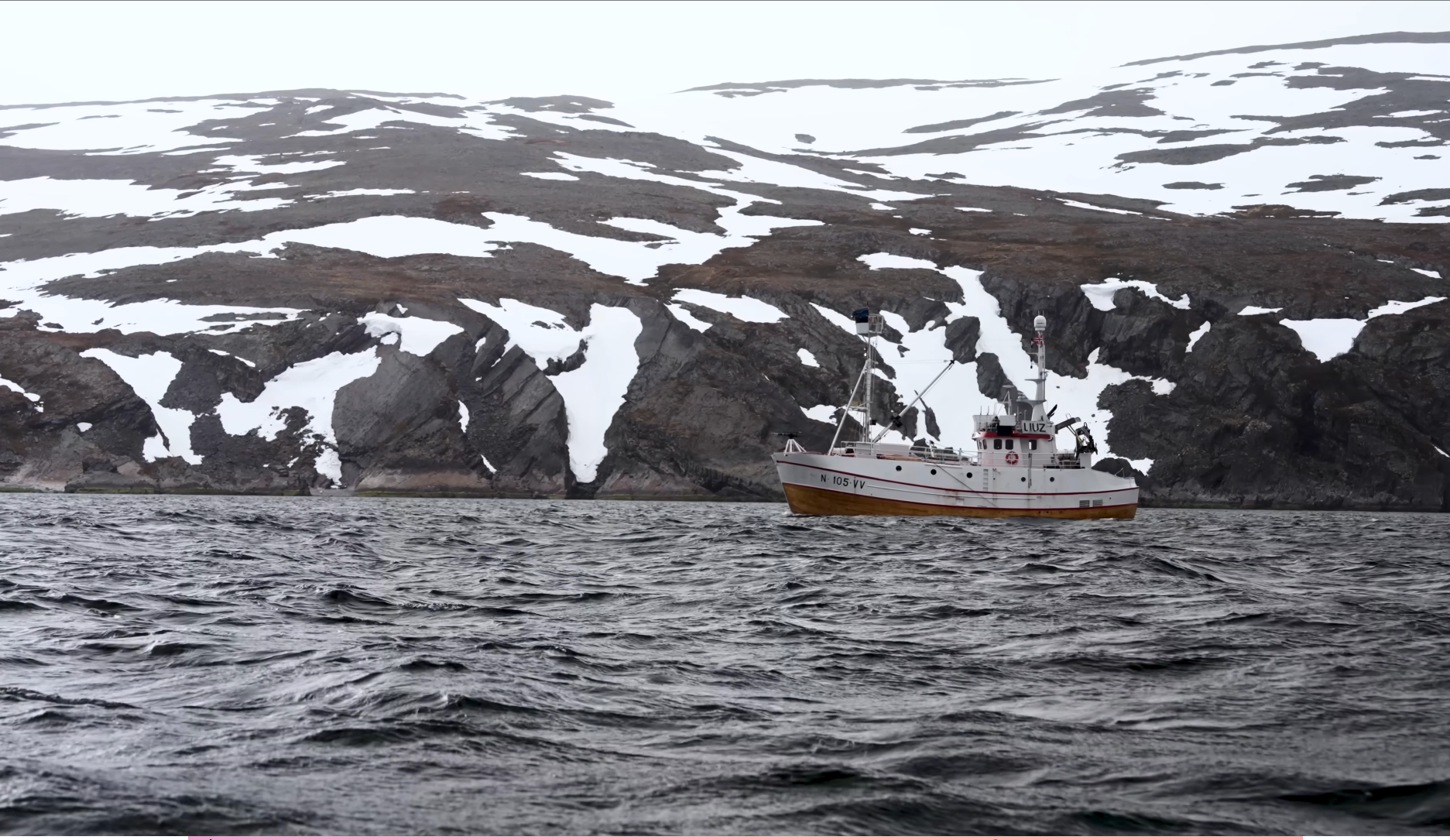

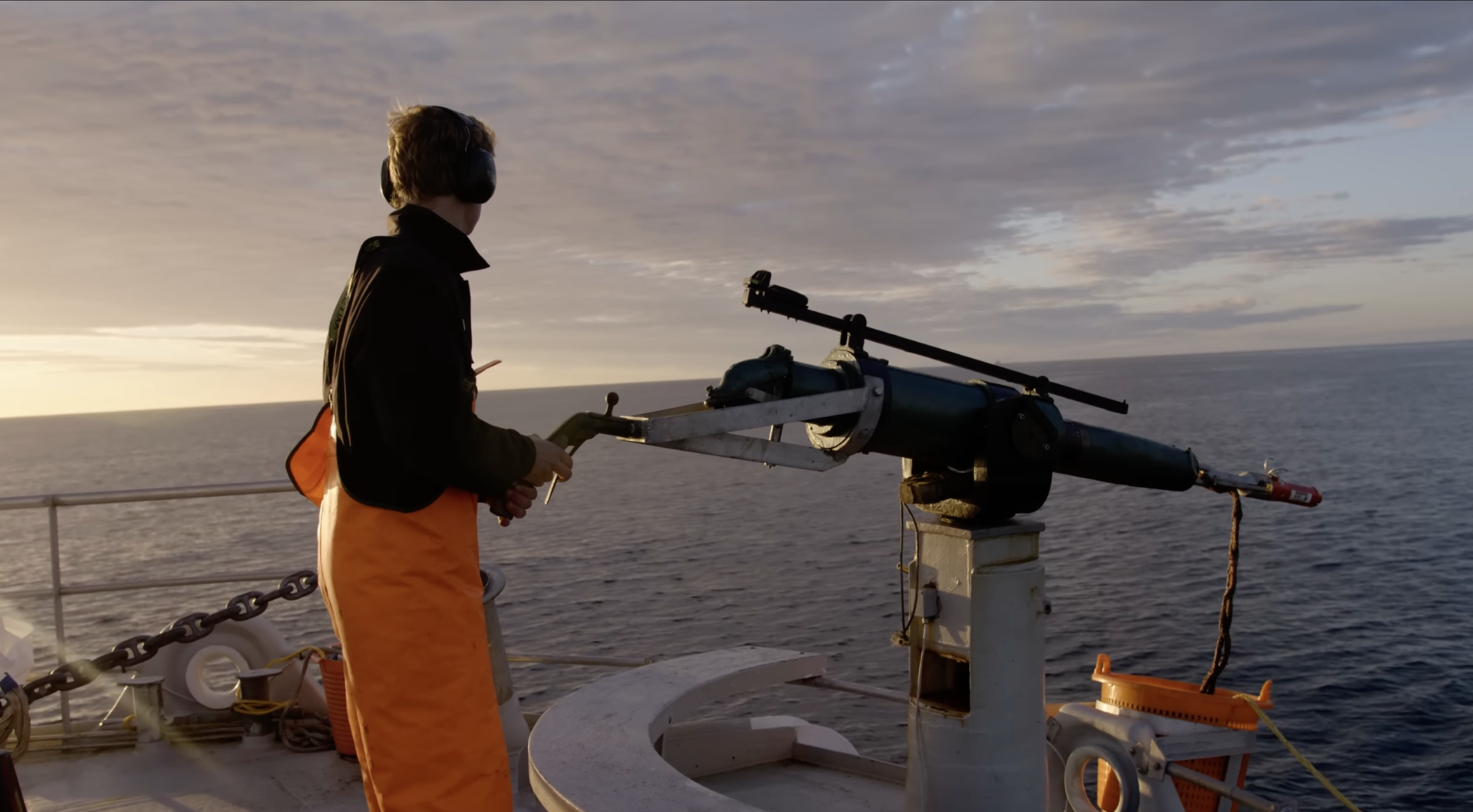
The Norwegian government still sets quotas for over 1,000 minke whales annually, but the industry exports most of its catch to Japan or diverts it to animal feed. Only about 2 percent of Norwegians eat whale meat regularly. Among younger generations, surveys suggest the number approaches zero. The domestic market has collapsed.
A grandfather who remembers eating whale for dinner watches his granddaughter scroll past whale burgers at a food market without interest. No argument. No judgement. Just disconnection. The relationship with whale meat has dissolved.
What changed? Everything and nothing. She grew up in a different Norway than he did. More urban. More connected to global culture. More exposed to images her grandfather never saw. Whales breaching. Mothers with calves. Eyes that hold your gaze. When you can look an animal in the eye, even through a screen, it becomes harder to see it as commodity. The change was not dramatic, just a slow shift in what seemed normal.
Last year, I worked with a team from the Endangered Species Protection Agency, documenting commercial whaling in Norwegian waters. The whaling that continues operates under regulations built for a different era. Welfare data show prolonged deaths in nearly one in five cases, outcomes that would close any terrestrial slaughterhouse. Not because Norwegians care less about animal welfare. The moral framework that governs whaling was simply built for a different culture, serving a different relationship.
Scotland had whaling stations too. Within living memory. The last closed in 1951. For decades before that, communities in the Outer Hebrides processed whales brought in from the North Atlantic. It was work. It was income. It was normal. Within two generations, attitudes transformed so completely that Scotland now markets itself as a whale-watching destination. The industry did not end because Scotland became enlightened. It ended because it became economically unviable, and cultural attitudes filled the space it left behind.
Norway is in that space now. Between what was and what is becoming.
The distance from the Hebrides to northern Norway is less than a thousand nautical miles. For Knobble, perhaps two weeks of steady swimming, following food and temperature as his species has done for millions of years. If his route takes him through Norwegian waters, he will surface there with the same expectations he has in Scotland: breathe, feed, continue.
He might encounter a harpoon. Or he might not. Fewer boats hunt each year. The industry is dying not because someone killed it, but because the culture that sustained it is transforming from within.
Printed editions
Current issue
Back issues
Enjoy so much more from Oceanographic Magazine by becoming a subscriber.
A range of subscription options are available.
