The weight of it all: Why are Svalbard's polar bears getting fat?
On a recent trip to Svalbard, marine biologist Cicely Nagel couldn't help but notice the size of its polar bears. Shouldn't shouldn't climate change and melting sea ice be forcing them into starvation? Cicely explores some theories behind the phenomenon.
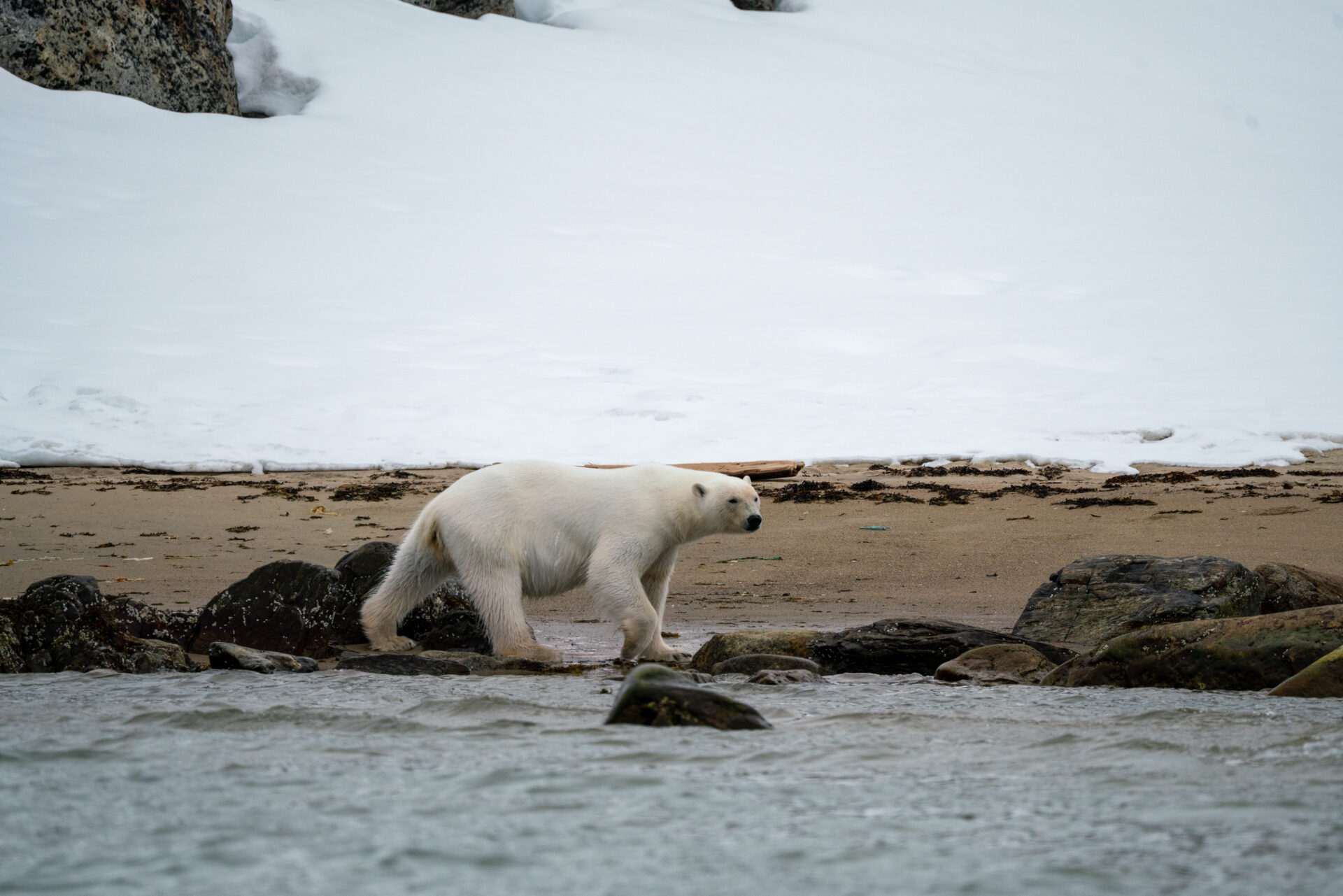
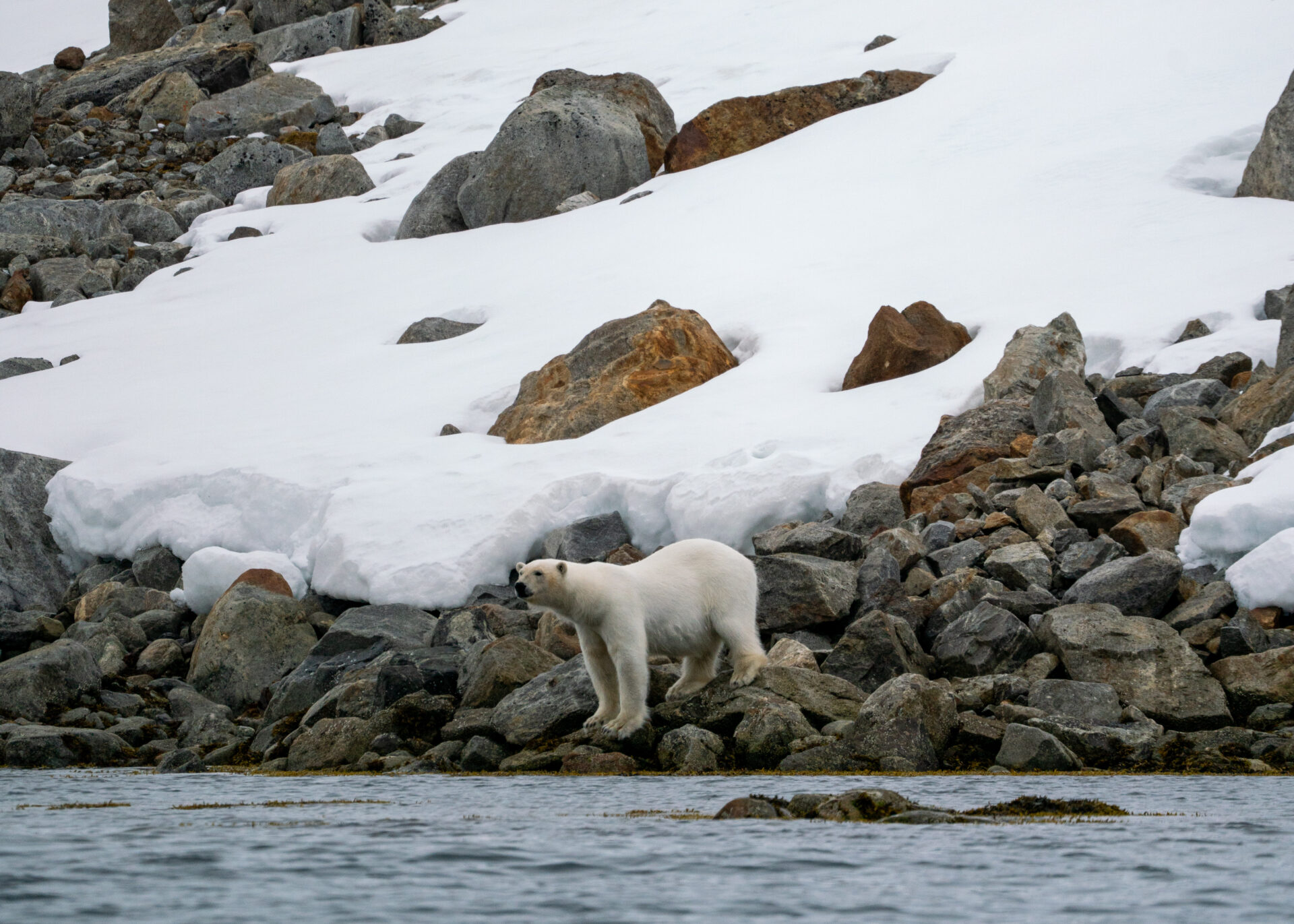
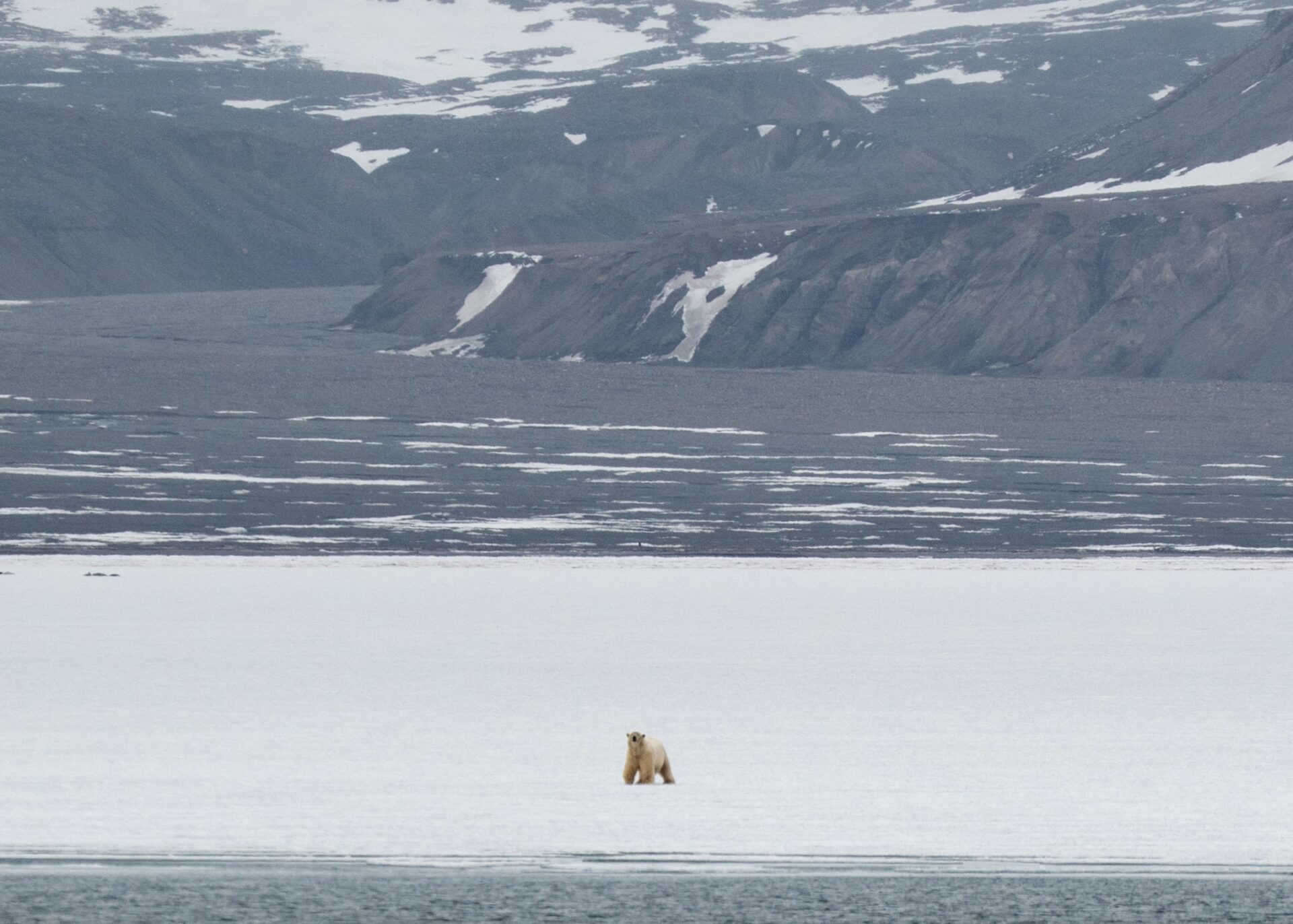
It weighed, by my rough estimate, somewhere close to half a tonne. This polar bear moved slowly across the sandbank of Billefjorden, in no hurry for its next meal. Rounded at the hips, carrying a full belly, with the weight of an animal that had just finished a successful hunting season.
From what I’d learnt during my studies and read in multiple nature magazines over the years, this sight should have been a rarity. But then, just a little further along the coast, we saw another one. Just as large as the first.
The ice is melting, and the seal populations are plummeting. Svalbard’s polar bears are supposed to be starving. And yet here were two, along the coast of Spitsbergen under the midnight sun, both looking better fed than almost any polar bear I’d seen in a photograph.
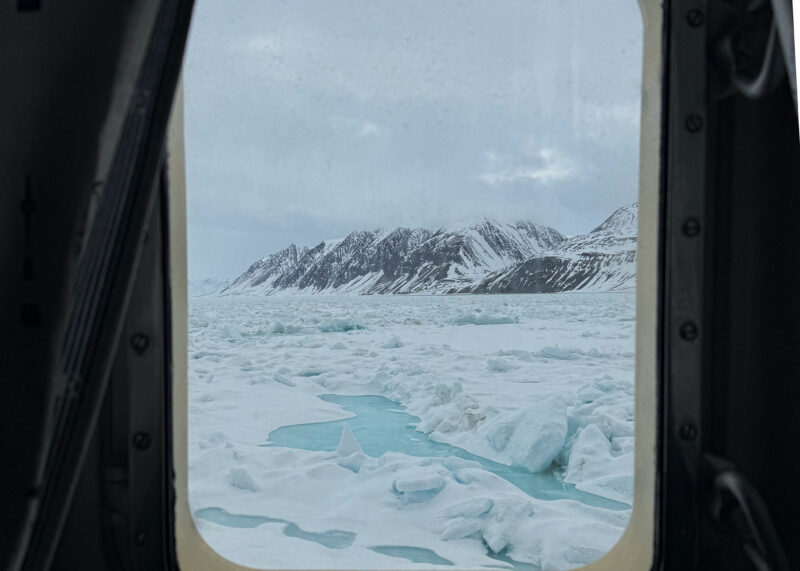
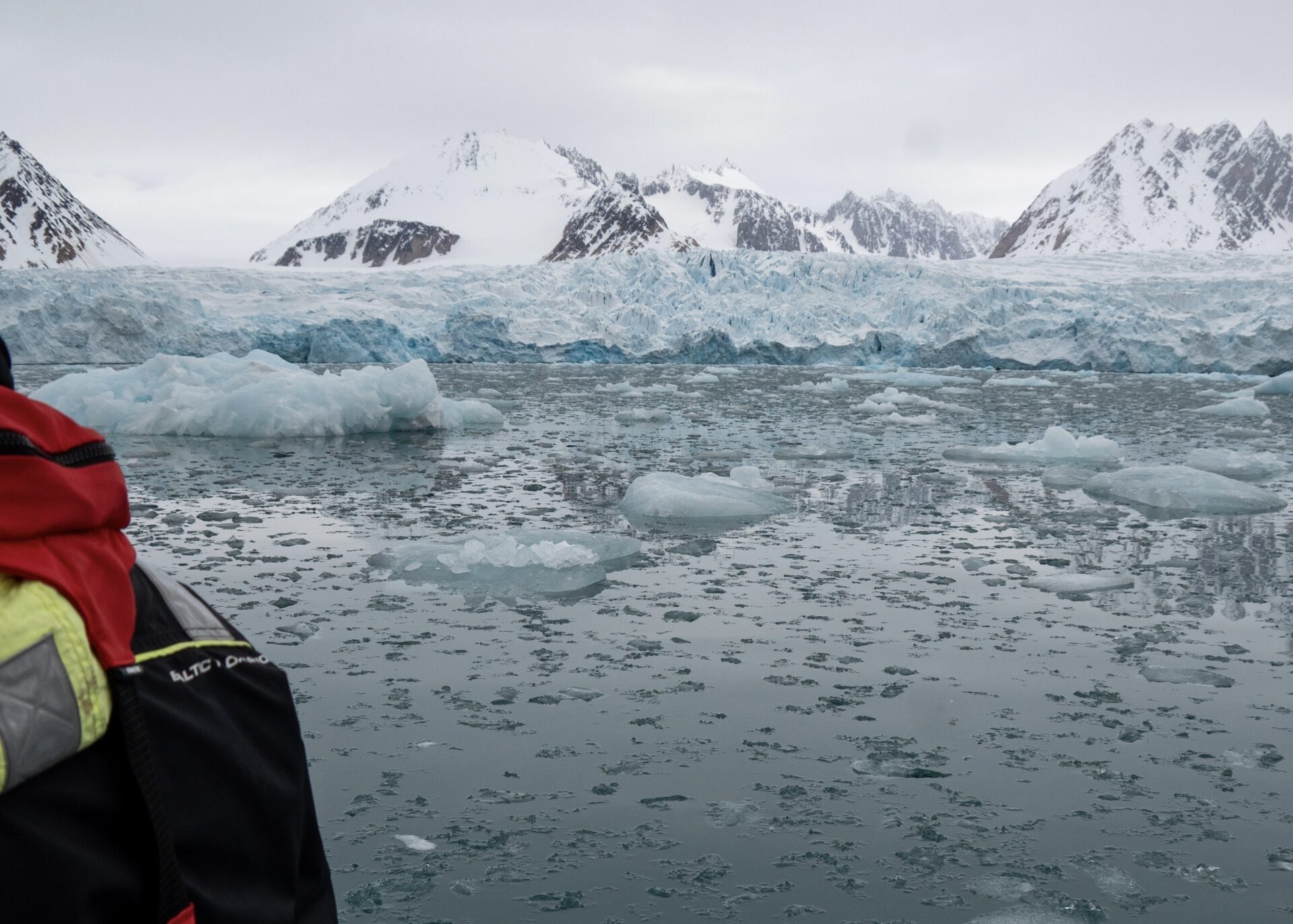
Over the past ten years, the climate crisis has highlighted many issues in the Arctic, including the melting sea ice around Svalbard. Polar bears depend on sea ice for hunting prey such as ringed and bearded seals. Less ice means less hunting time, which means thinner bears, fewer cubs, and eventually, population collapse. This has been well documented across the polar regions (Western Hudson Bay and the Southern Beaufort Sea), where the decline is already striking.
So you can imagine my surprise when – over the course of 24 hours – I observed not one, but two fat polar bears.
Over my week in the High Arctic, I witnessed two male polar bears. Both sat at a level 4-5 on the body condition index, characterised by visible fat deposits on the abdomen, no visible hip bones, and a rounded, healthy silhouette. At the time, it looked like the sign of two healthy bears. On the deck of our ship, the crew, guides, and passengers were overjoyed to have not only seen bears, but thriving bears. I was feeling happy and hopeful. But it turns out the picture is considerably more complicated.
Other features
This wasn’t an isolated sighting but part of a pattern that has recently been documented. In January 2026, a research paper was published in which researchers measured the body weight of 770 bears in Svalbard between 1995 and 2019, a period that coincided with one of the most rapid losses of sea ice ever recorded anywhere bears live.
The Barents Sea had been losing sea ice at roughly four days per year, more than twice as fast as any other polar bear habitat on Earth. However, despite predicting a significant loss of fat in these bears over time, the opposite happened. Body condition declined until around 2000, then reversed. For the following two decades, across both males and females of every reproductive category, body condition increased.
The bears were, by every physical measure, thriving. The question is, why and how long will this last?
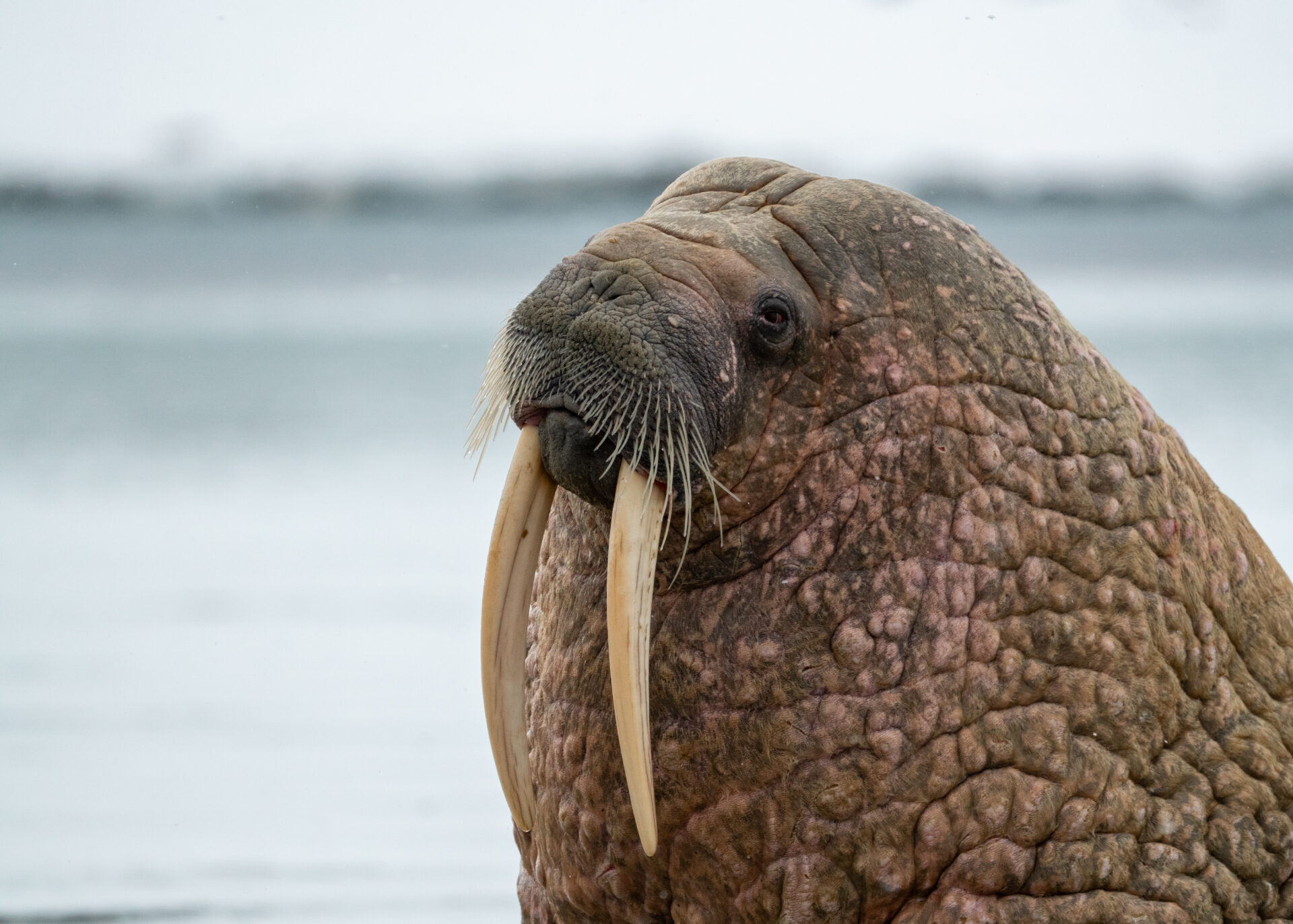
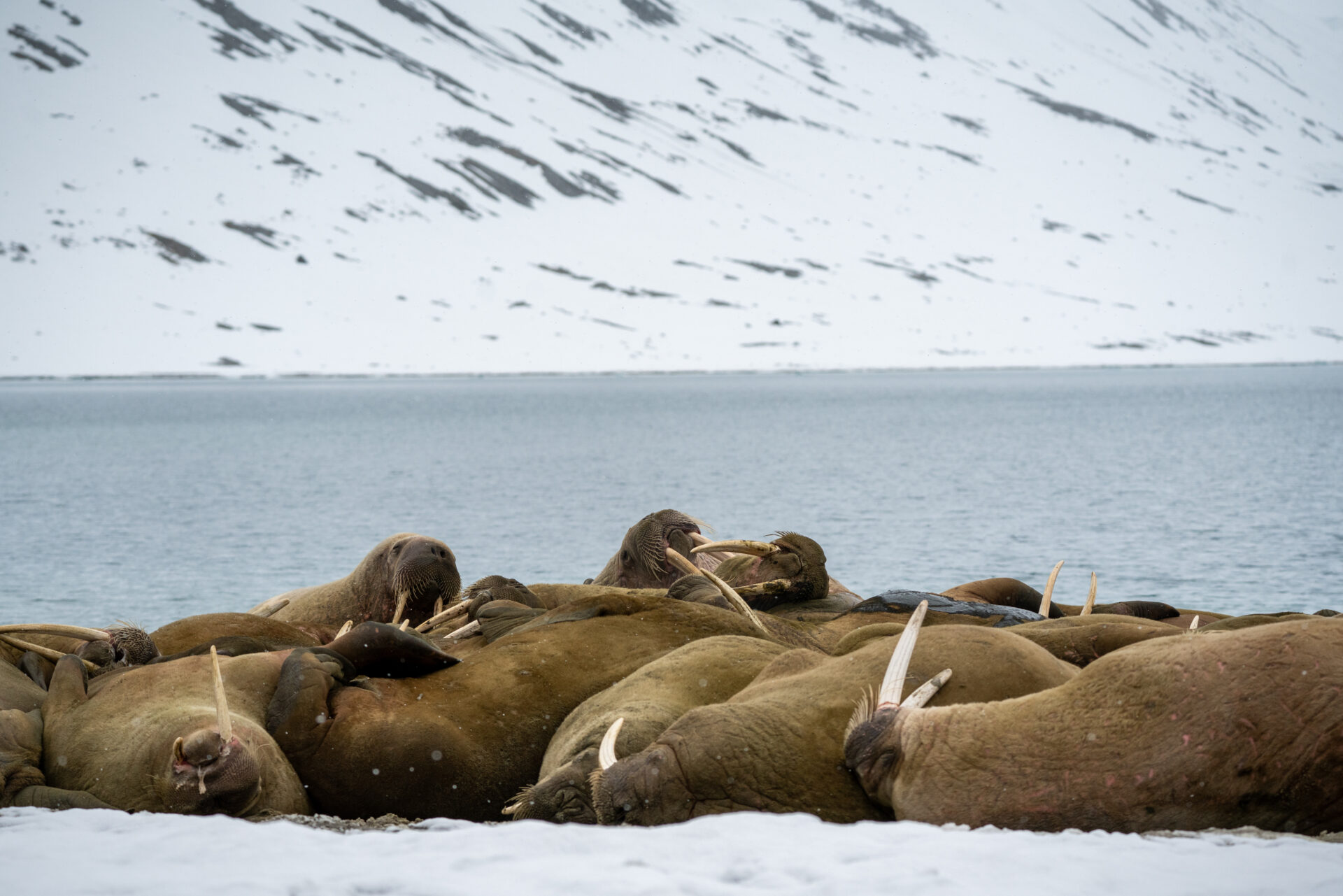
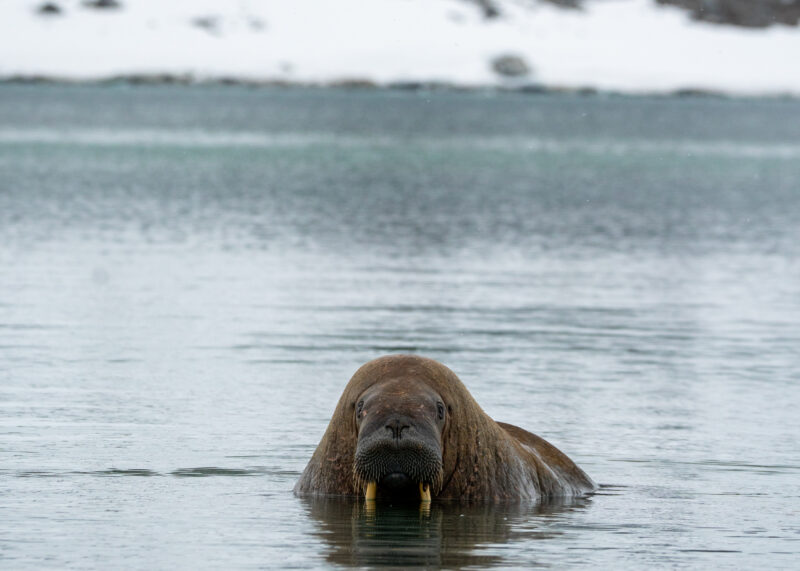
Polar bears generally feed on blubber-rich meals such as walrus, seals and whales, using the energy for insulation and to provide milk for their cubs. One leading theory for their increase in weight is the increase in walrus populations.
After being hunted close to extinction, the walrus received legal protection in Norway in 1952. Numbers have since recovered to roughly 5,000 animals around Svalbard, providing a reliable source of fatty food for the polar bears. A second theory is that the increasing reduction of sea ice could mean that the seals are forced to congregate in smaller, denser areas, providing a smaller hunting area for the polar bears.
However, this isn’t predicted to last for long. As sea ice keeps retreating, bears will have to travel greater distances in search of food, walking up to 30km in a single day. This travel burns significant amounts of calories, and a shrinking food supply may not always be able to replace them.
The retreating ice has already significantly reduced seal populations, and although walrus numbers have recovered, they may eventually follow the same trajectory. In situations where polar bears have been unable to find prey on the ice, they have been observed turning to more land-based animals such as reindeer, birds and eggs. Although this may seem like a good alternative, a response to their changing environment, polar bears are uniquely adapted to process a high-fat diet, so a prolonged high-protein diet puts extra strain on the kidneys and liver.
Additionally, land-based prey does not contain the fat content that polar bears need to sustain themselves. Unlike marine mammals, reindeer and birds offer protein, but almost none of the blubber that polar bear physiology depends on.
One thing that has not yet been fully explored in the scientific literature, but something that should be taken into consideration in this discussion, is the effects of epigenetics. A case study that springs to mind could explain this phenomenon.
During the Dutch Hunger Winter, a Nazi blockade left an estimated 4.5 million Dutch people severely malnourished for approximately five months. Decades later, researchers found that the children and grandchildren of people who had starved showed significantly higher rates of obesity and heart disease. The starvation didn’t just affect the individual who experienced it firsthand; it changed how genes were expressed, impacting the ways that both the survivors and their descendants stored fat and held onto energy.
Could something comparable be happening to the polar bears? Could the offspring of polar bears who first faced the retreating ice have had a change in gene expression, meaning they store and hold onto energy more efficiently? Without further studies, we can’t tell for sure. But the aftermath of the Dutch Hunger Winter highlights how the body can adapt to sudden and sustained periods of starvation and how it can affect later generations.
The fat bear on the sandbank may not just be an individual animal in good condition, but a bear that’s carrying the impact of starvation in its genes.
Whether the fat bear is a cause for hope or concern, it has complicated something much larger, and that’s the narrative around it. For over 30 years, the polar bear has been a symbol of climate change. We have seen it across newspaper spreads, magazines and documentaries. The image of a thin polar bear on stranded ice did more for communicating the effects of climate change than data on graphs ever could. It raised billions in conservation funding and shaped international policy negotiations. Now that the polar bears are getting fatter, the question is, will there be consequences for the general perception of climate change risk in Svalbard?
This was seen within days of the study’s publication. Climate sceptics were framing the findings as a ‘flip-flop’, using the results as evidence of inconsistency in climate science, rather than reading what the research actually said.
This is not a new strategy for climate contrarians. A 2018 paper published in BioScience already documented how polar bears were being used as a front for climate change deniers, with blogs consistently publishing misinformation, widening the gap between public understanding and the science.
Of the 19 recognised polar bear subpopulations, the picture looks different depending on where you look. Western Hudson Bay populations have declined significantly, from 1,185 bears in 1987 to 949 in 2011 and just 618 in 2021. In the Southern Beaufort Sea, the population declined significantly in the mid-2000s following extreme sea ice loss, and has since stabilised at a number roughly 40% below its initial recorded size. Svalbard’s resilience is not representative of the whole picture. Svalbard is warming at roughly three times the global average, faster than almost anywhere else on Earth.
Winter temperatures in the Barents Sea have risen by nearly four degrees Celsius since the 1970s. These conditions have, for now, given the polar bears the abundance and concentration of prey needed to keep them well fed. Whether this increase in body fat is the beginning of an adaptation or one final boom before the decline sets in remains an important unanswered question in Arctic research.
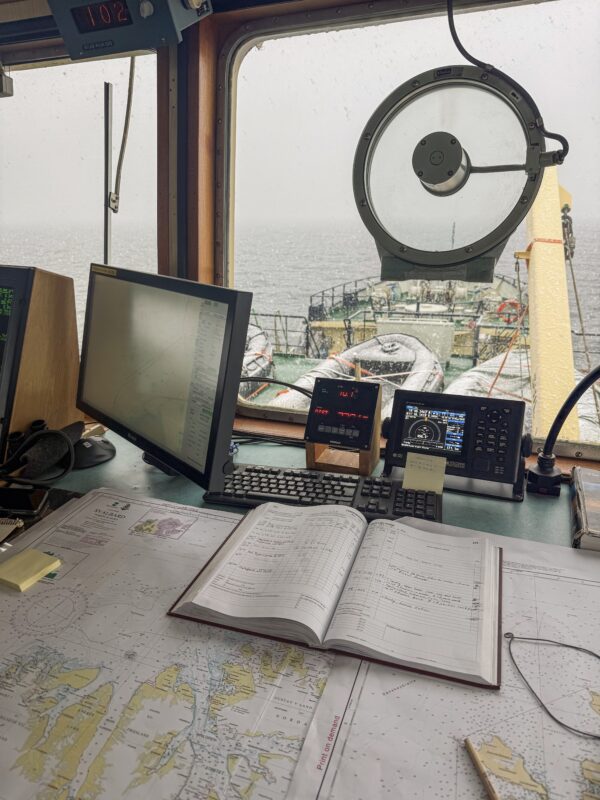
Standing on that deck under the midnight sun, watching this polar bear move across the Arctic sand, I keep returning to the same question: was I watching a thriving bear or one that was unknowingly running out of options, adapting to food sources that aren’t optimal, hunting a seal population that’s predicted to drop?
Whatever the data tells us, the polar bear on Billefjorden has survived another year and will keep on doing what it must to do so. For now, that’s enough. The question, though, is how long ‘now’ will last.
The author would like to thank Polar Bears International for their extensive research and publicly available data on polar bear populations, Secret Atlas for providing access to Svalbard and making this encounter possible, and Jon Aars and the team at the Norwegian Polar Institute for their original research published in Scientific Reports in January 2026, without which this piece would not exist.
Photographs of polar bears in this article were taken under AECO wildlife viewing guidelines, using a 500mm lens and then cropped.
Printed editions
Current issue
Back issues


Enjoy so much more from Oceanographic Magazine by becoming a subscriber.
A range of subscription options are available.
