The impossible voyage: Sailing around a changing Arctic
As Matt Rutherford attempts the first solo, nonstop and unassisted circumnavigation of the Arctic Ocean, his record bid is highlighting an unnerving truth: the voyage is only possible because the Arctic is melting
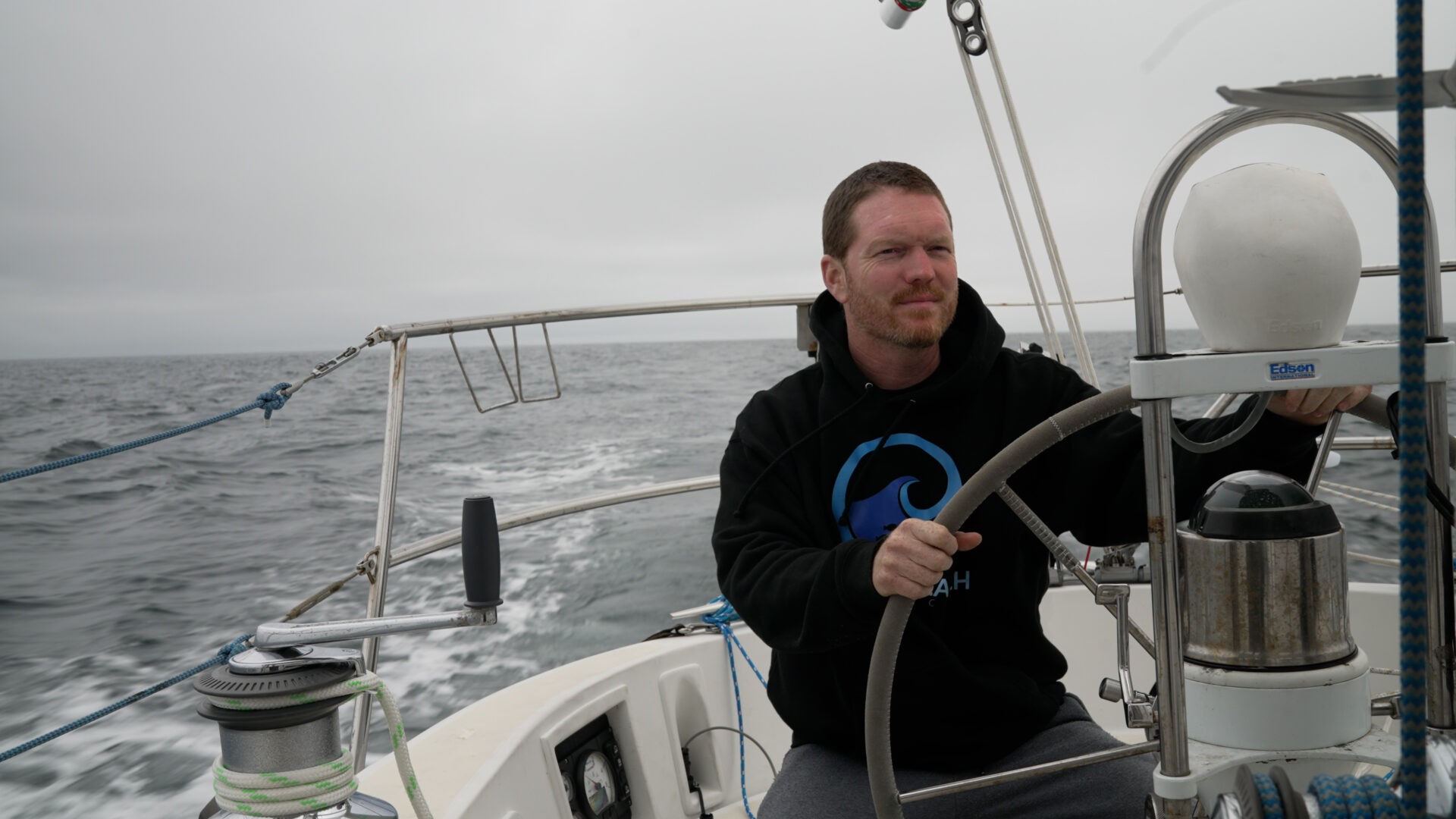
“There’s a bit of a rain squall going by right now, so I might have to run out there for a second and mess with the thing that steers the boat,” says solo sailor, explorer and researcher Matt Rutherford.
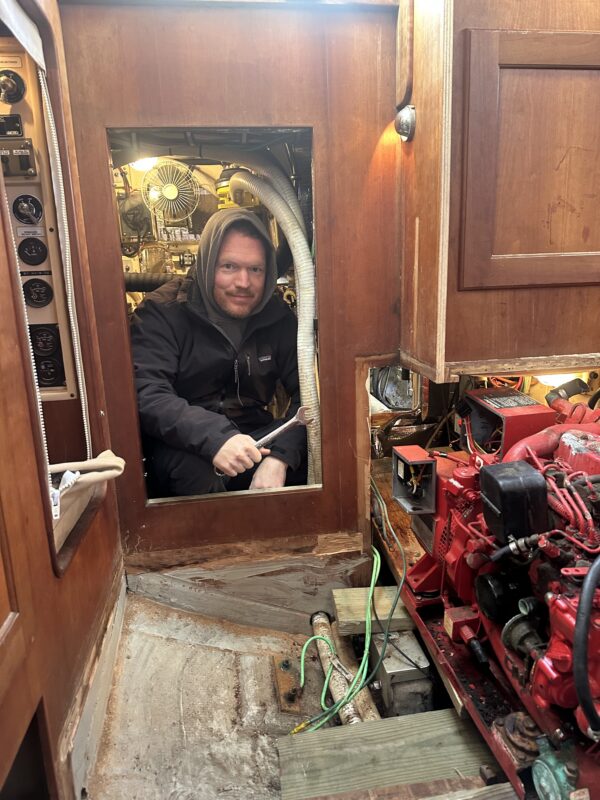
Donning a beanie hat and thick fleece, he sits in a small, low-ceilinged wooden cabin, his ship’s companionway open wide, letting a glimpse of dull-white skies into view. Having just passed the southwest of Iceland, he is a long way from the rustbelt town in northeast Ohio where he grew up.
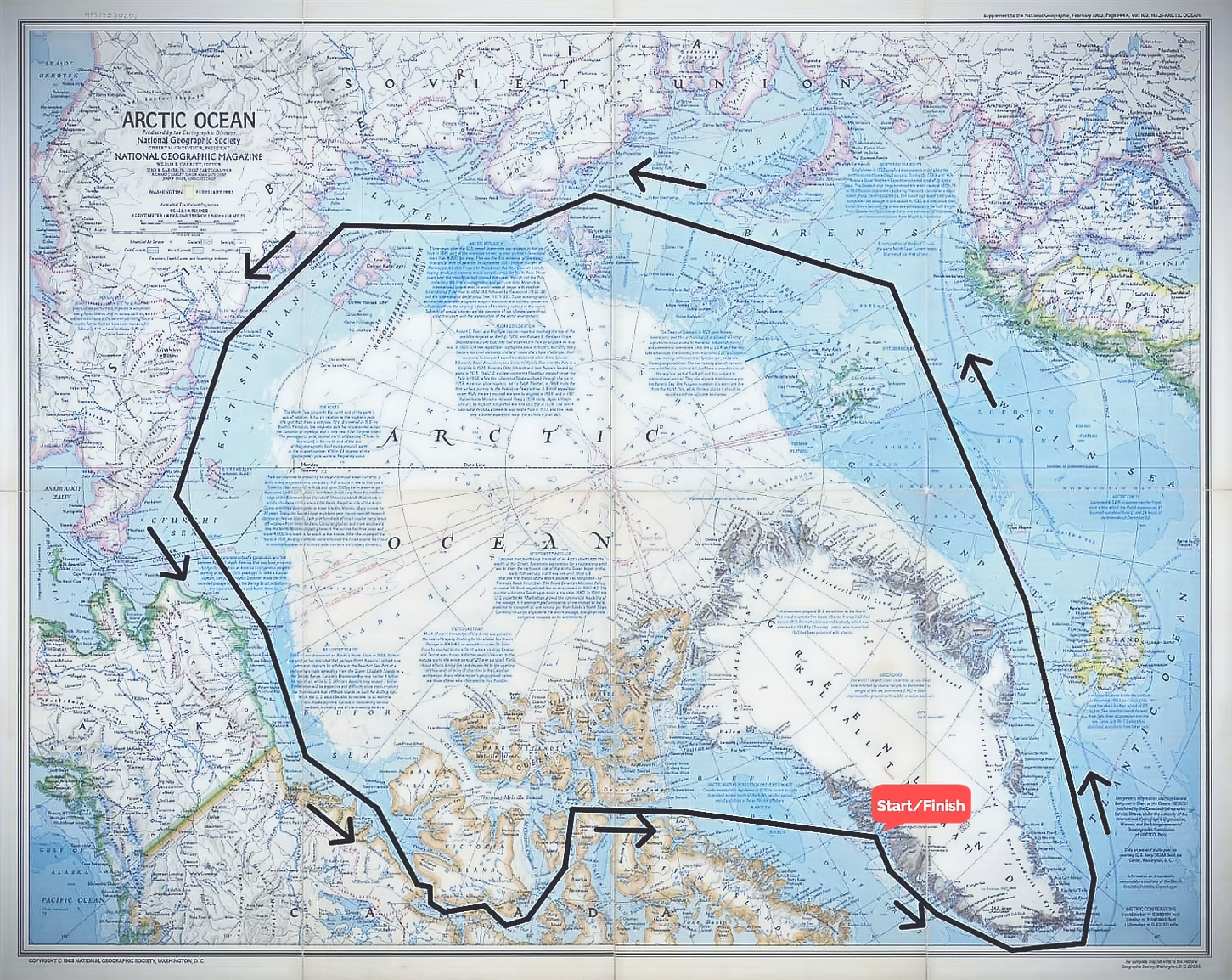
On June 25, Rutherford departed from Aasiaat, Greenland, on an attempt that will be the first-ever solo, nonstop, unassisted circumnavigation of the Arctic Ocean. His target finish is early October.
The 10,000-mile route weaves through three of the most hostile ocean environments on Earth: the North Atlantic, the Russian Arctic coast via the Northern Sea Route, and the Northwest Passage through the Canadian Arctic Archipelago.
He will undertake this journey alone, meaning he won’t be able to anchor, stop on land or receive outside assistance. Every storm that comes his way, he will have to face alone.
Rutherford’s attentiveness to his sails, boat maintenance, the upcoming conditions and his course are therefore needed almost round-the-clock.
“I’m in the rain right now, and once it passes, the wind will die back down again, then I’m going to have to run out there and make a change to it. It only takes a minute to do it, so it’s not a big deal,” he adds.
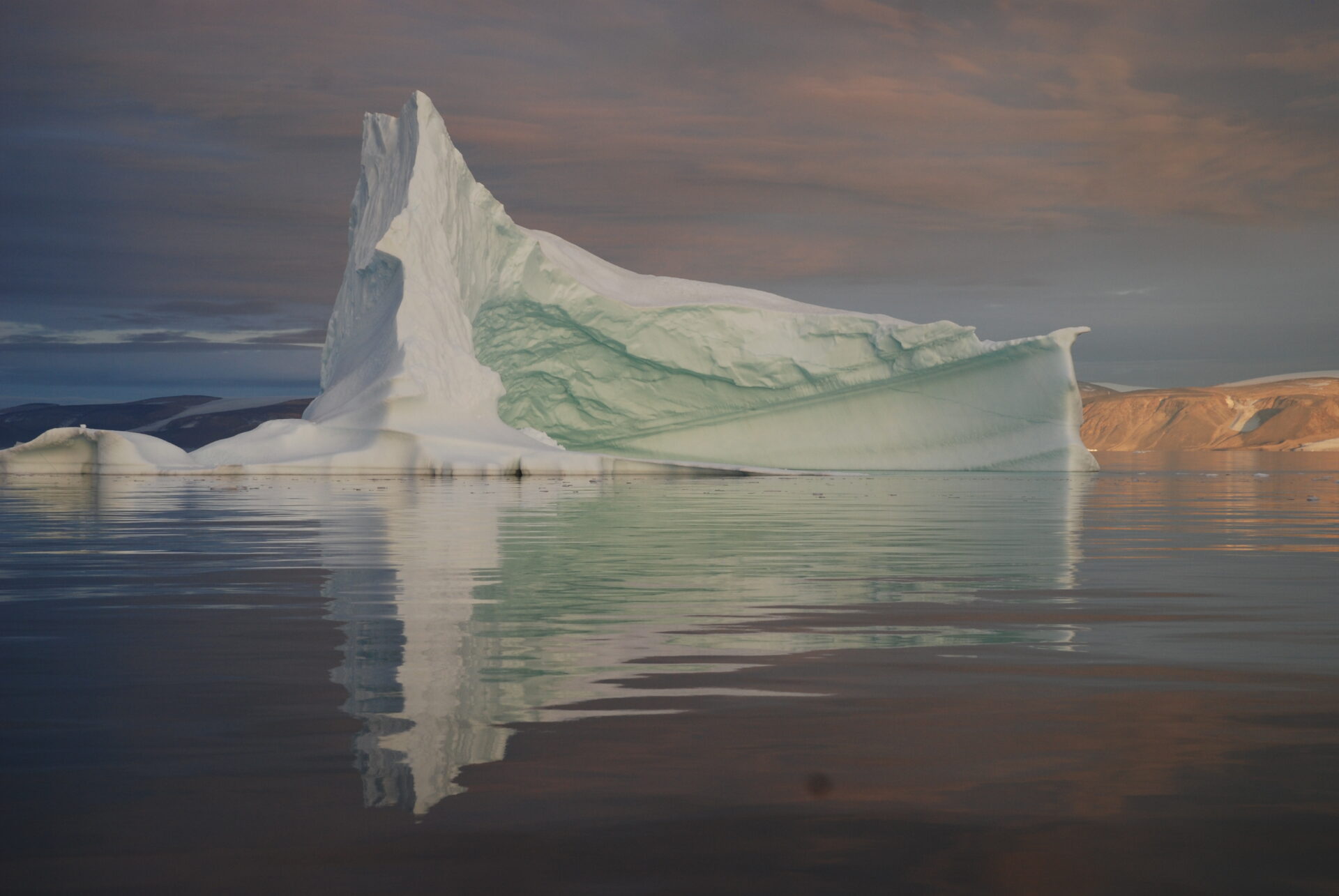
No one has attempted this journey in this way before, in part because of the perilous conditions, but largely because until now the route simply wasn’t open. According to expedition tracking data, Arctic sea ice this summer is 9-15 per cent below the previous all-time record low.

The perfect storm
Warming seas are not, of course, an issue specific to the Arctic, with marine heatwaves increasing water temperatures across Europe, the US West Coast and the South-West Pacific this summer.
Despite these increasingly felt repercussions of global warming, climate research funding under the Trump administration has been dramatically slashed. In 2025, US polar science funding was cut by 88 per cent.
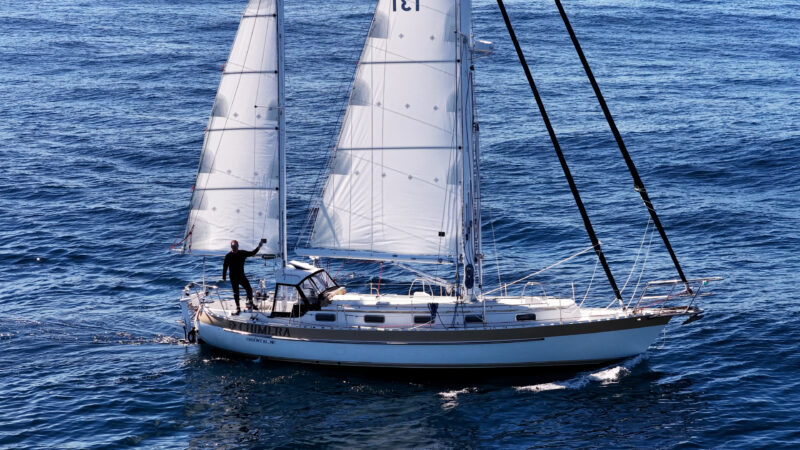
Until recently, Russian regulations had not allowed small pleasure craft, like Rutherford’s 42-foot Valiant Chimera, to sail without a state-appointed pilot, which would have disqualified a voyage from being considered solo or unassisted.
The voyage, then, is the product of a perfect storm: Arctic sea ice has retreated enough to make the route navigable, Russian regulations have changed, and climate science funding in the US has faltered. Together, those forces created both the opportunity – and the motivation for – Rutherford’s attempt.
A shared mission
Rutherford might be sailing single-handedly, but the mission itself is shared. He runs a non-profit Ocean Research Project (ORP) alongside scientific director Nicole Trenholm, who is back on land working through data while he sails.
The organisation carries out expeditions to monitor climate change. So farm Rutherford and Trenholm’s campaigns have mapped uncharted waters, investigated the controls and impacts of melting glaciers, measured nutrient availability for plankton blooms, and documented the degree of carbon burial.
Trenholm needed a year to work through existing papers and data, which gave Rutherford the rare, near-clear block of time away that made this attempt possible. Both Trenhold and Rutherford however made it clear that the current Arctic expedition isn’t primarily a research trip.
“This particular expedition is more to spotlight how quickly the Arctic is changing and being impacted by the warming atmosphere, by climate change,” Trenholm explains. Matt will collect some samples along the way, but the real intent, she says, is to direct attention towards ORP’s decade of ongoing fieldwork.
“Actually doing climate research on a professional level is a more meaningful thing,” he says. “But it doesn’t get the same PR that this kind of trip does, right? We can do entire research expeditions and come back and nobody writes a story.
Working across non-profit, academic and government science, Trenholm has also watched each sector struggle with decreases in funding and programming, and watched talent leave as a result.
“A lot of great scientists are also jumping the pond, heading to go and join the effort in other parts of the world where there’s more support and more encouragement,” she explains.
It’s a landscape ORP is trying to counter simply by building a bigger network.
“It takes the little boats, the robots, big boats, satellites, you need it all,” Trenholm says. “And you need experts to be able to find each other to tackle these problems.”
Part of that, she adds, means identifying which local indicators are actually relevant to the people who live in the Arctic, not just the scientists studying it from afar.
An unlikely passion
ORP itself is the product of an unlikely passion. Matt Rutherford grew up in Warren, Ohio, an inland town where nobody sailed. Having grown up in a religious cult, Rutherford spent time on the streets, and by the age of sixteen had been locked up five times and been through rehab twice.
Then he discovered the stories of Shackleton, Scott and Amundsen, polar explorers whose determination and skill helped put the Arctic and Antarctic on the map for much of the Western world during the twentieth century.
They inspired him to take risks, buy a boat and venture out to sea in pursuit of his own adventures. At the age of twenty-five, he discovered sailing, left life on the streets behind and never looked back.
In 2011, he became the first person in history to complete a solo, non-stop circumnavigation of North and South America. Departing from Annapolis, Maryland, he sailed 27,077 miles in 309 days through some of the most dangerous waters on Earth. Along the way he broke a second record, becoming the first person to solo sail the smallest boat in history through the Northwest Passage.
Harnessing the attention generated by that voyage, Rutherford founded Ocean Research Project in 2012, dedicated to Arctic climate research, marine science and exploration.
Those early explorers have continued to shape the way Rutherford thinks about the Arctic, and about what exploration can still achieve.
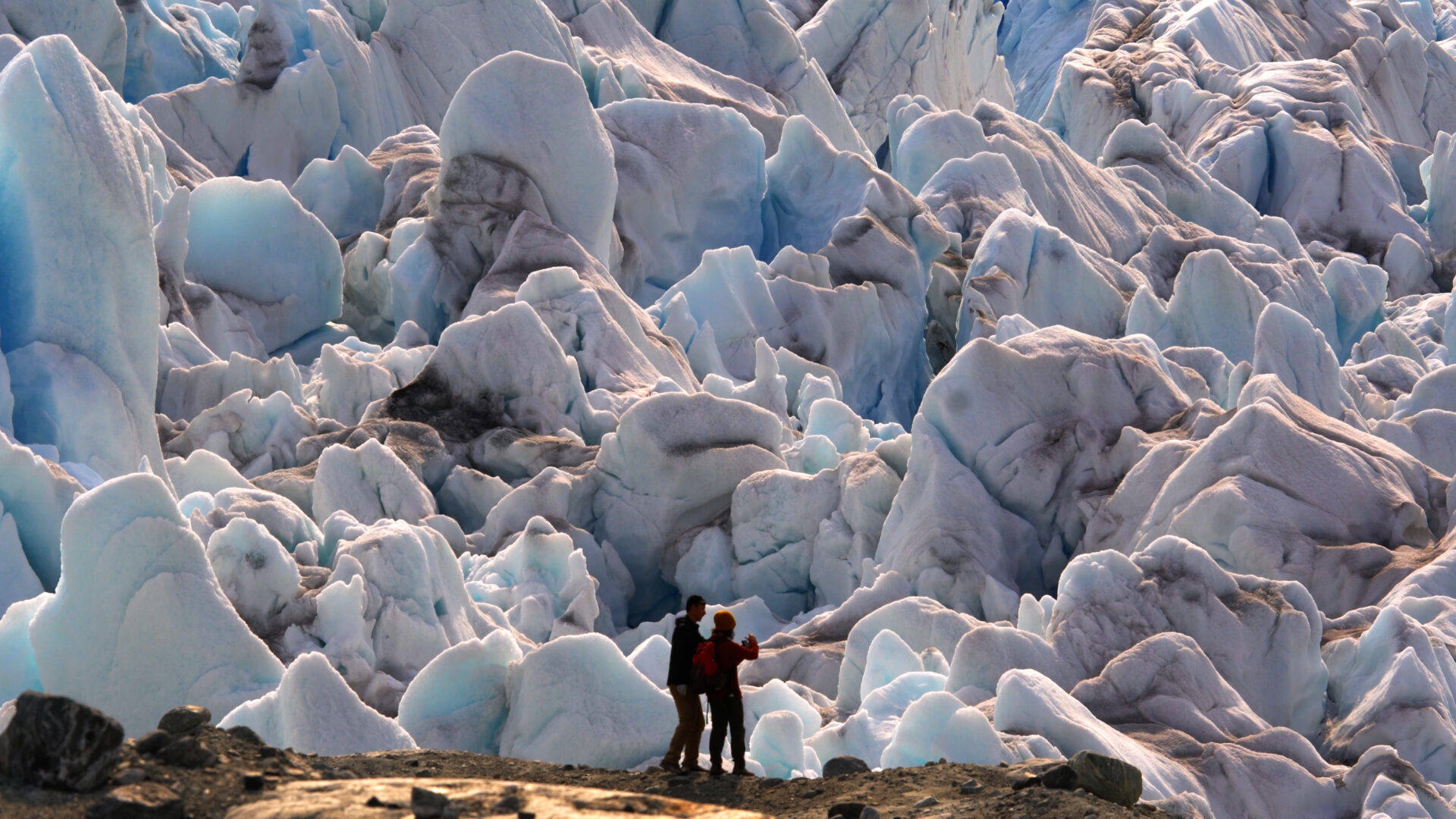
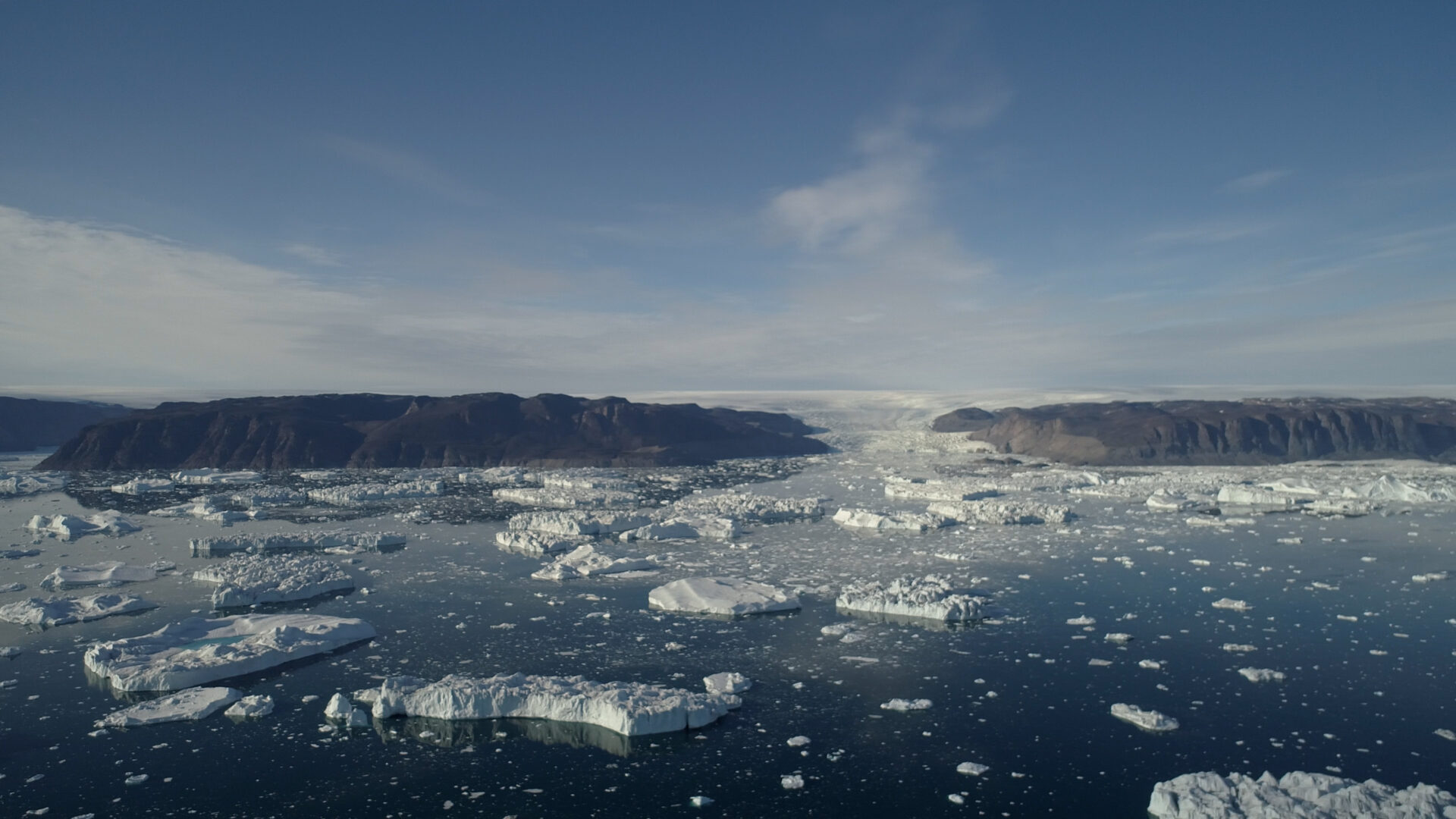
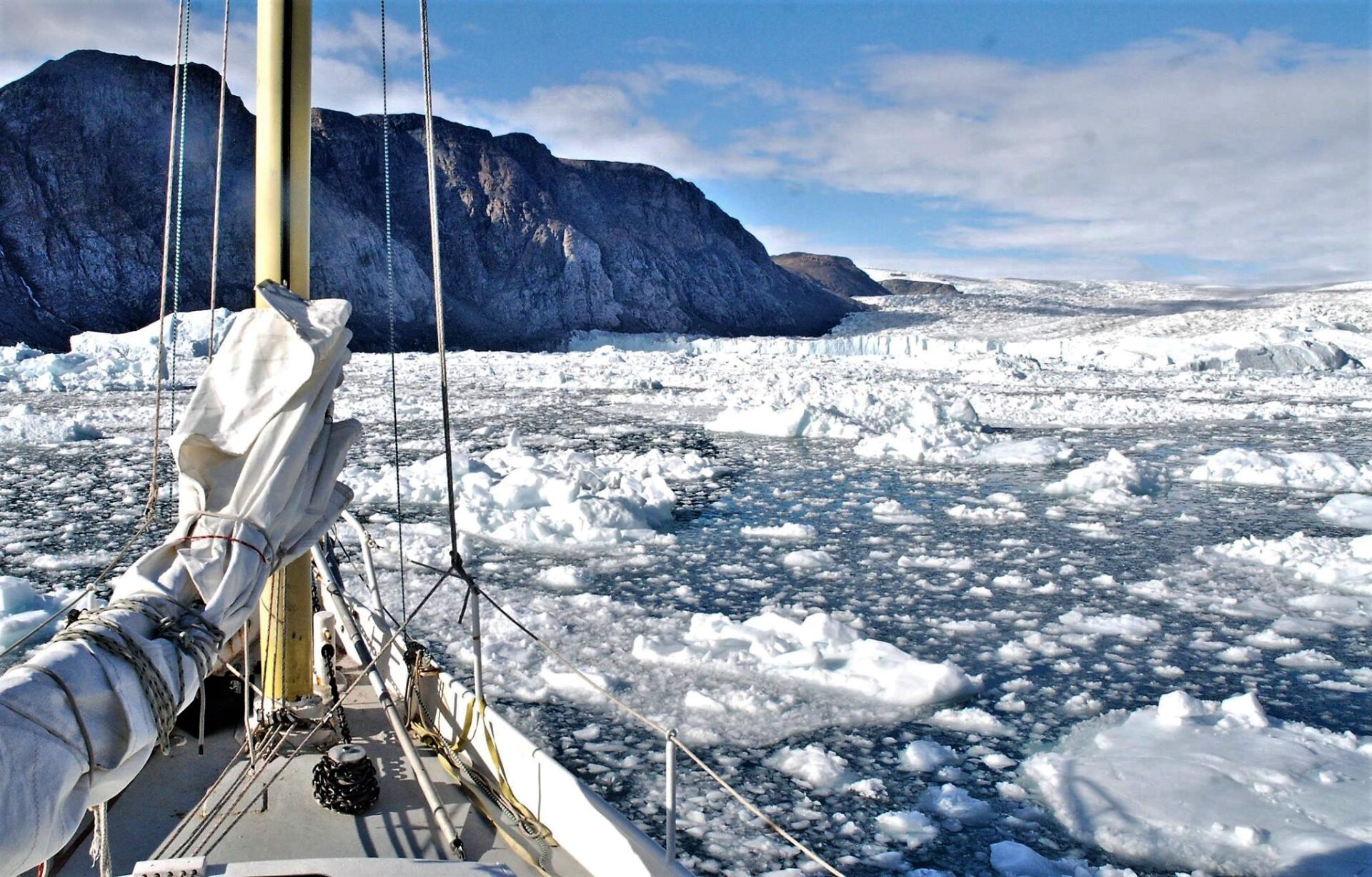
“Those guys operated particularly in the polar regions, and there’s something about sailing outside of the research, sailing to the ends of the Earth. There’s something incredible out there. Greenland in particular is just gorgeous. They’ve these crazy mountains everywhere, that kind of look like the mountains of Mordor in The Lord of the Rings – intimidating, but a nice type of beauty,” he explains.
Now Rutherford is undertaking a different task to his predecessors. Rather than charting unknown territory, he hopes to draw attention to an Arctic changing faster than ever before, and to the science trying to understand it.
Into frosty seas
Rutherford will also have to contend with both the threat of sea ice damaging his boat and frosty diplomatic relations while skirting the north of Russia. While he was able to collect scientific samples in Greenland, he will be steering clear of this in Russia, where any fieldwork could be construed as spying, a sure-fire way to have his mission cut short.
“It’s the biggest unknown of the whole trip,” he says. “Once I hit Russia, you’re trying to punch through the best you can, get in and out of there as quick as you can. I don’t want to be hanging out there any longer than I have to.”
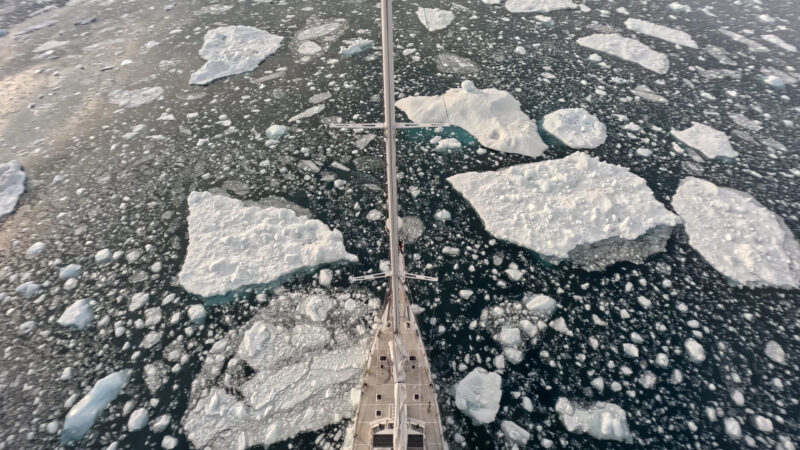
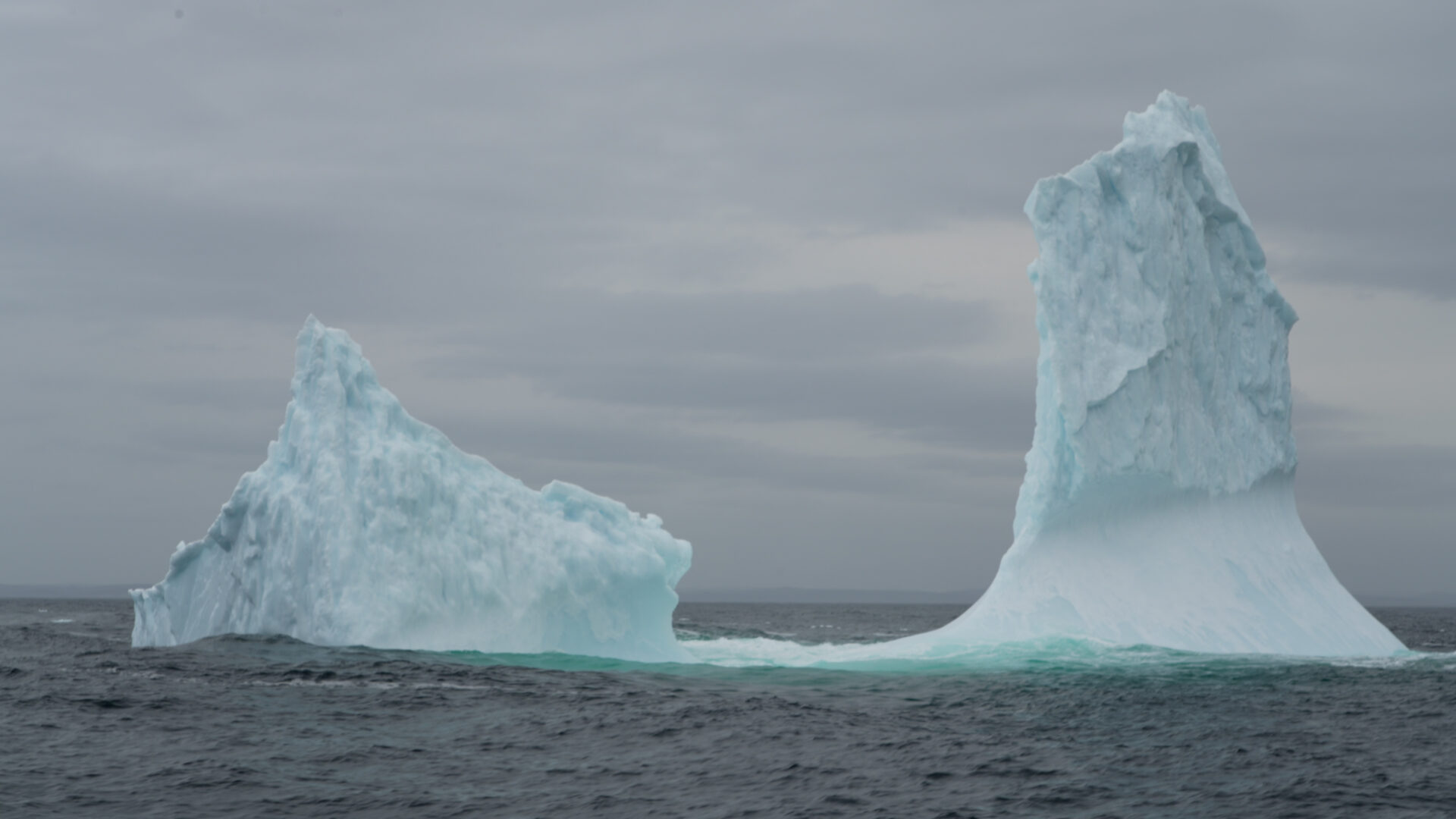
There is also the ice itself to reckon with: pack ice, distinct from the icebergs more familiar around Greenland.
“It’s been like thirteen, fourteen years since anyone’s sailed north of Russia, and the nature of the ice has changed in that time. There’s nobody for me to ask, ‘Hey, what was it like?’ Because it was a different story then,” he says.
While sailing through Russia, Rutherford’s Starlink will not work, denying him access to the internet and meaning he will have to rely on Trenholm and a Russian-speaking Ukrainian friend to relay critical information about pack ice.
It was pack ice, not icebergs, that crushed Shackleton’s Endurance, and ultimately doomed Sir John Franklin’s Northwest Passage expedition.
“It goes on for hundreds of miles and it’s low to the surface. It’s not like a giant iceberg you can see in the distance. It can surround you, crush you, push you into the land, and do all sorts of bad things. It’s a different animal to what you deal with in Greenland, and in some ways more dangerous,” Rutherford explains.
The trip is mired in obstacles, and although Rutherford is an exceptionally experienced sailor in these conditions, he gives himself only a 75 per cent chance of success.
But in many ways, the success of this voyage will be dictated not by whether Rutherford claims another record, but by the attention it can direct towards Ocean Research Project’s day-to-day, largely unglamorous, yet vital scientific work.
“We’re more distracted than ever. Our attention spans are shorter than ever. By trying to do something like this, I’m trying to redirect that attention to the nonprofit,” Rutherford says.
Some time has passed now since the interview began, and the weather has shifted. Rutherford glances towards the companionway.
“Well, look, it’s good talking with you. My wind’s dialled up, and the rain must’ve passed here so I’ve got to go out there and make another adjustment,” he says.
To donate to the Ocean Research Project and to track Rutherford live, head to oceanresearchproject.org. The voyage can also be followed on YouTube, Facebook and Instagram.
Printed editions
Current issue
Back issues




Enjoy so much more from Oceanographic Magazine by becoming a subscriber.
A range of subscription options are available.
