Winds of change: Ocean Roamer and a new future for ocean science
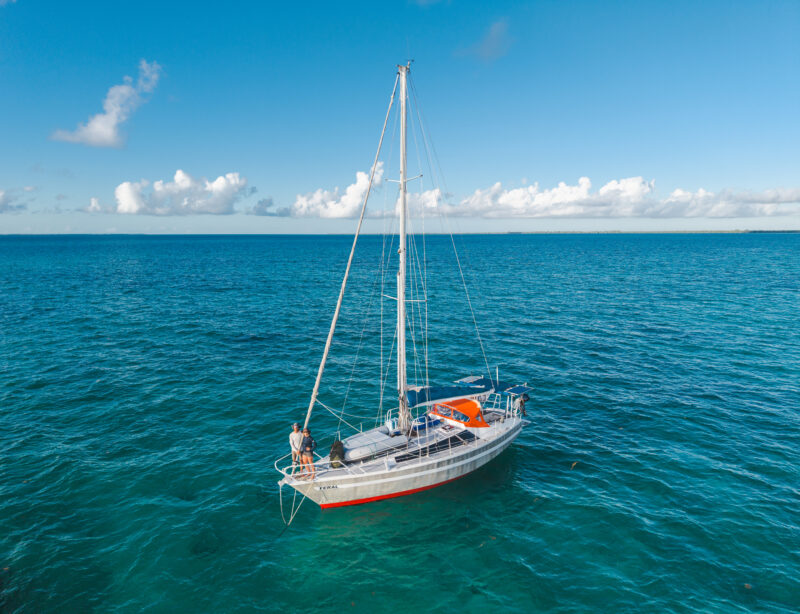
Launched by marine biologist and Oceanographic columnist Charlie Young, Ocean Roamer is a sail-powered expedition platform designed to reduce financial and environmental barriers to ocean research, combining field science and storytelling to support conservation action in remote marine regions.
Out on the open ocean, the greatest obstacles to understanding and protecting marine life are not always scientific. More often, they are financial, logistical and environmental. Research vessels are expensive. Time at sea is scarce. Fuel-intensive expeditions carry a footprint that sits uncomfortably alongside conservation goals. For many scientists and NGOs, the ocean remains tantalisingly out of reach.
Ocean Roamer is a response to that reality.
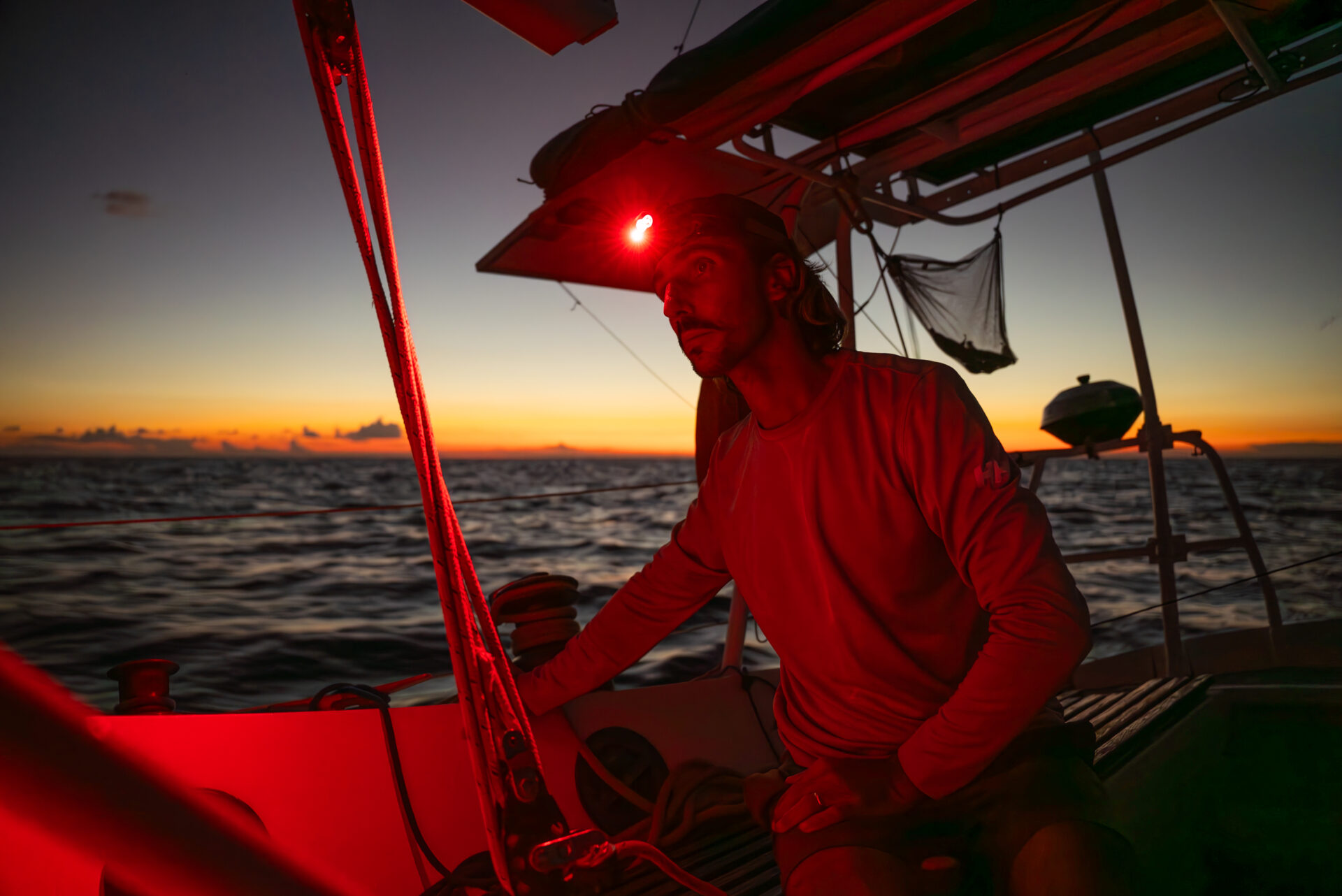
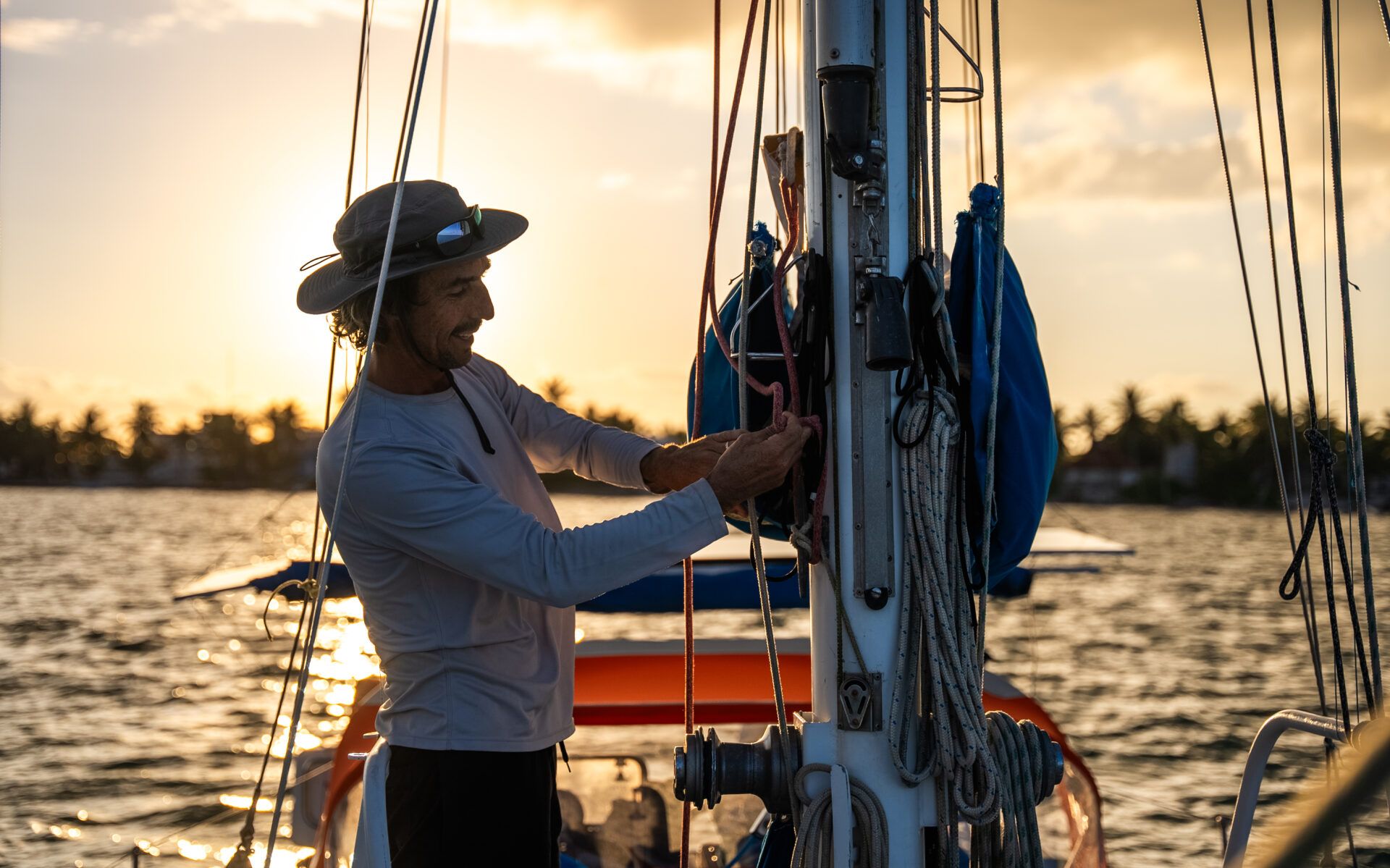
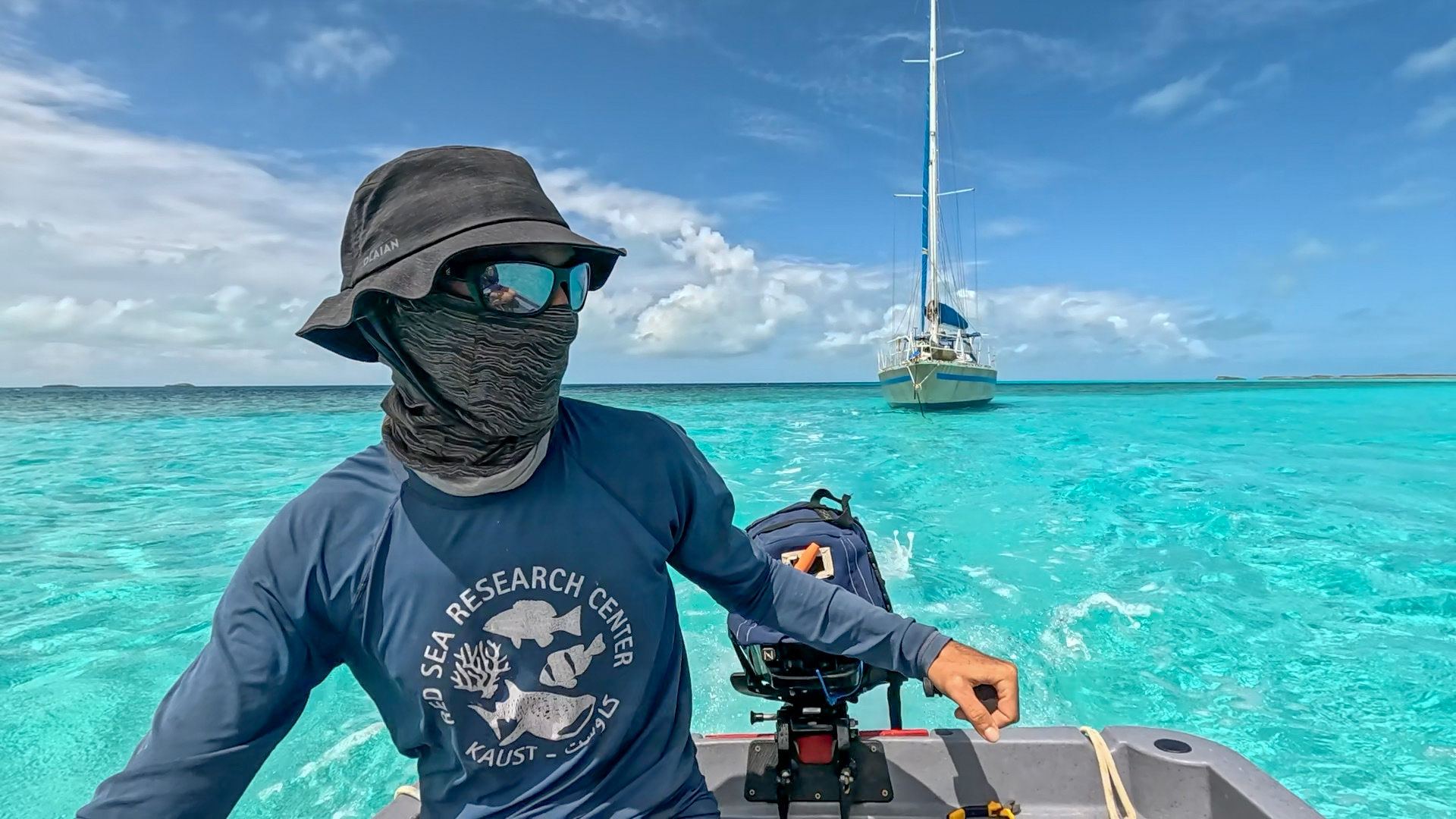
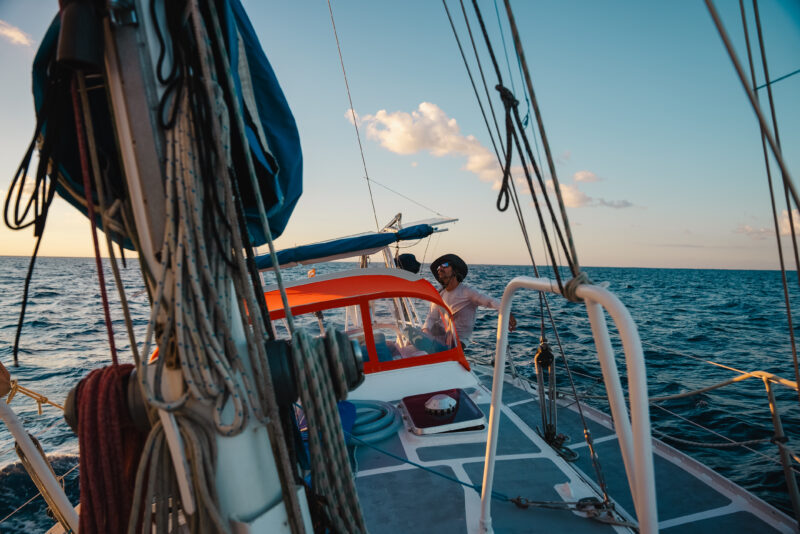
Launched by Oceanographic Magazine columnist and marine biologist Charlie Young and her partner, Alexis d’Hennecourt, Ocean Roamer is a sail-powered expedition platform designed to make ocean research more financially and environmentally accessible – all without compromising ambition or impact.
Operating at the intersection of science, conservation and storytelling, the project offers a different way of working at sea: smaller, leaner, lower-impact, and deeply collaborative.
“Ocean Roamer is a sail-powered expedition platform supporting marine science, conservation and storytelling in ecologically important and remote corners of the ocean,” Young explains. “At its core, the project exists to help researchers, NGOs and storytellers get into the field by providing a capable vessel, an experienced crew, and integrated scientific and media support that carries impact beyond the expeditions themselves, through scientific publications, impact campaigns and policy change.”
At a time when pressures on marine ecosystems are accelerating – and the resources for studying them are increasingly constrained – the project arrives with a clear purpose: to remove barriers that prevent vital ocean science from happening in the first place.
“We’ve witnessed firsthand how much vital ocean research is held back not by a lack of expertise or motivation, but by the financial, logistical and environmental barriers of working at sea,” says Young. “Ocean Roamer is our response to that challenge. We want to help democratise access to ocean science.”
Built from life at sea
None of this, of course, can happen by accident. In fact, Ocean Roamer is the product of years spent living and working at sea; experience that lends both Charlie and Alexis a deep understanding of both what expeditions can achieve, and where they so often fall short.
“Ocean Roamer is the result of many years building the skills, experience and perspective needed to lead an expedition platform like this, while witnessing first-hand the challenges facing marine research and conservation,” Young says.
While the project officially launched in early January 2026, its foundations were laid much earlier, and shaped by two distinct but converging paths. “Alexis and I have always shared a dream of undertaking meaningful expeditions at sea, though we came to it from different directions: Alexis from the world of adventure, seamanship and exploration; me from marine science, field research and storytelling. Over time, those paths naturally converged, and the idea for Ocean Roamer took shape.”
It’s that convergence which is reflective of one of the project’s defining characteristics – the belief that conservation outcomes depend not only on data, but on how that data is gathered, shared and understood.
Why now?
“In my view, the need has never been greater,” explains Charlie. “Pressures on wildlife and marine ecosystems are accelerating at an alarming rate, while access to funding, vessels and field time for research is becoming increasingly constrained.”
At the same time, expectations are shifting. Scientific expeditions are increasingly scrutinised for their own environmental impact – a necessary reckoning in a warming world.
“We want to help ease these barriers and give vital projects the opportunity to do the work that needs to be done,” Young continues. “At the same time, there is growing recognition that expeditions themselves must be more conscious of their environmental footprint, even when undertaken for scientific or conservation purposes.”
But for Ocean Roamer, making research possible is only the first step. Ensuring that what is learned resonates beyond academic journals is equally critical.
“If we want meaningful conservation outcomes, people need to understand not just the threats the ocean faces, but why certain places and species matter, and what is truly at stake if we fail to act,” Young says. “Real power sits with people: with public awareness, engagement and collective will.”
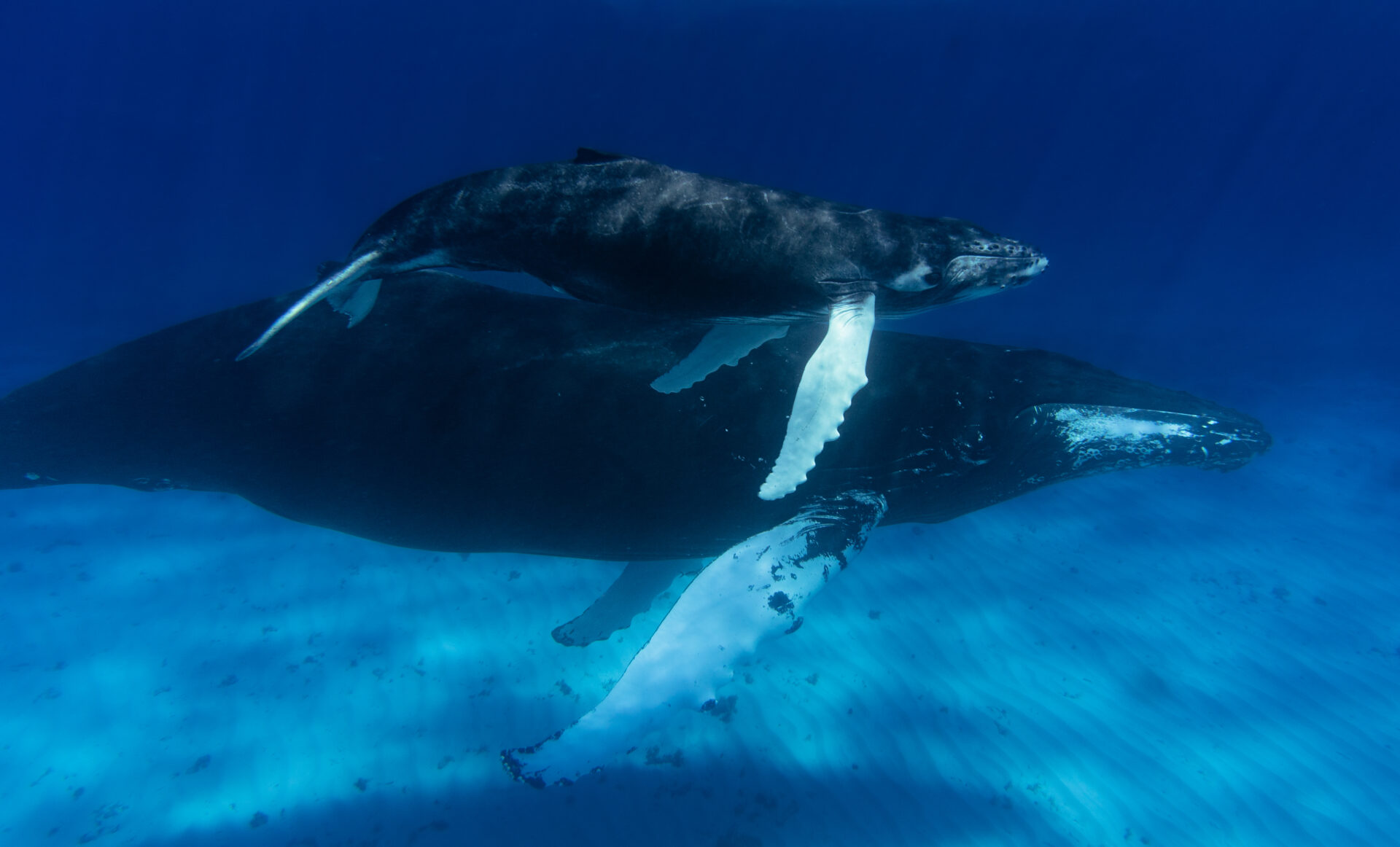
The truth is, decisions shaping the future of the ocean are being made now – often without sufficient data or public understanding. “Right now, critical decisions about marine protection, climate adaptation and biodiversity conservation are being made, often with incomplete data and limited public support. These decisions will inevitably shape the future of the ocean.”
And this – arguably – is where many conservation efforts falter. There’s a growing recognition that science alone is not enough now to carry forward the action needed, particularly if it – as it so often does – remains inaccessible, unseen or disconnected from the wider world.
“Making ocean science accessible is therefore essential, not only to enable research to happen in the first place, but to ensure that what we learn reaches far beyond academic circles,” explains Young. “When knowledge is shared, understood and felt, it becomes a catalyst for action, and this is the foundation for lasting conservation change.”
Three pillars, one platform
Ocean Roamer is built around what the team sees as three essential ingredients for change: capability, literacy and story.
“Through our expeditions, we help build robust baseline data on wildlife and marine ecosystems, addressing critical gaps in our understanding,” Young continues.
Alongside data collection, the platform documents expeditions through film, photography and audio – translating research into narratives that travel far beyond the deck of a vessel. By housing all of this within one expedition platform, Ocean Roamer aims to avoid a familiar disconnect, working to ensure that science is not only “operationally supported” but also effectively communicated.
“Our goal is not simply to generate data, but to turn knowledge into awareness, engagement and, ultimately, conservation action,” she adds.
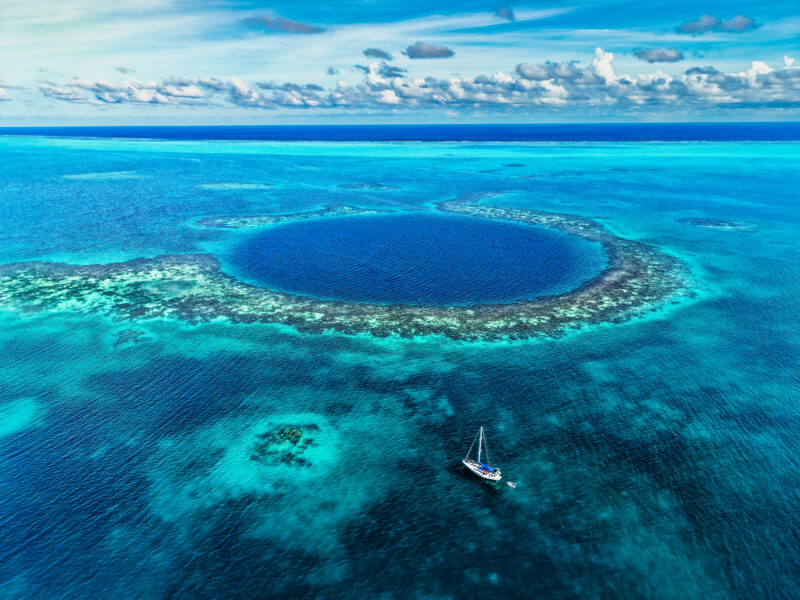
In February 2026, Ocean Roamer will partner with the Turks & Caicos Whale Project on a humpback whale research expedition in the Caribbean.
“This region plays a critical role in the North Atlantic humpback population as a breeding and nursery ground, yet large areas of the Caicos Bank remain significantly understudied,” Young explains. The expedition will collect baseline data through photo-identification, behavioural observations and acoustic monitoring, directly supporting long-term research efforts.
The work comes at a pivotal moment. “This mission is particularly urgent as tourism activity in the region continues to increase, while formal protections for whales and their habitats are currently limited.” Following the expedition, Ocean Roamer plans to support a targeted advocacy campaign for stronger regulations.
From tropical waters, the vessel will sail north. “After this, we’ll then be sailing to undertake an expedition along Greenland’s west coast, documenting Arctic marine ecosystems and wildlife in a region experiencing rapid environmental change,” says Young.
“The Arctic is warming faster than anywhere else on the planet, and Greenland offers a powerful lens through which to understand how climate change is reshaping marine environments and the species that depend on them.”
Proof in practice
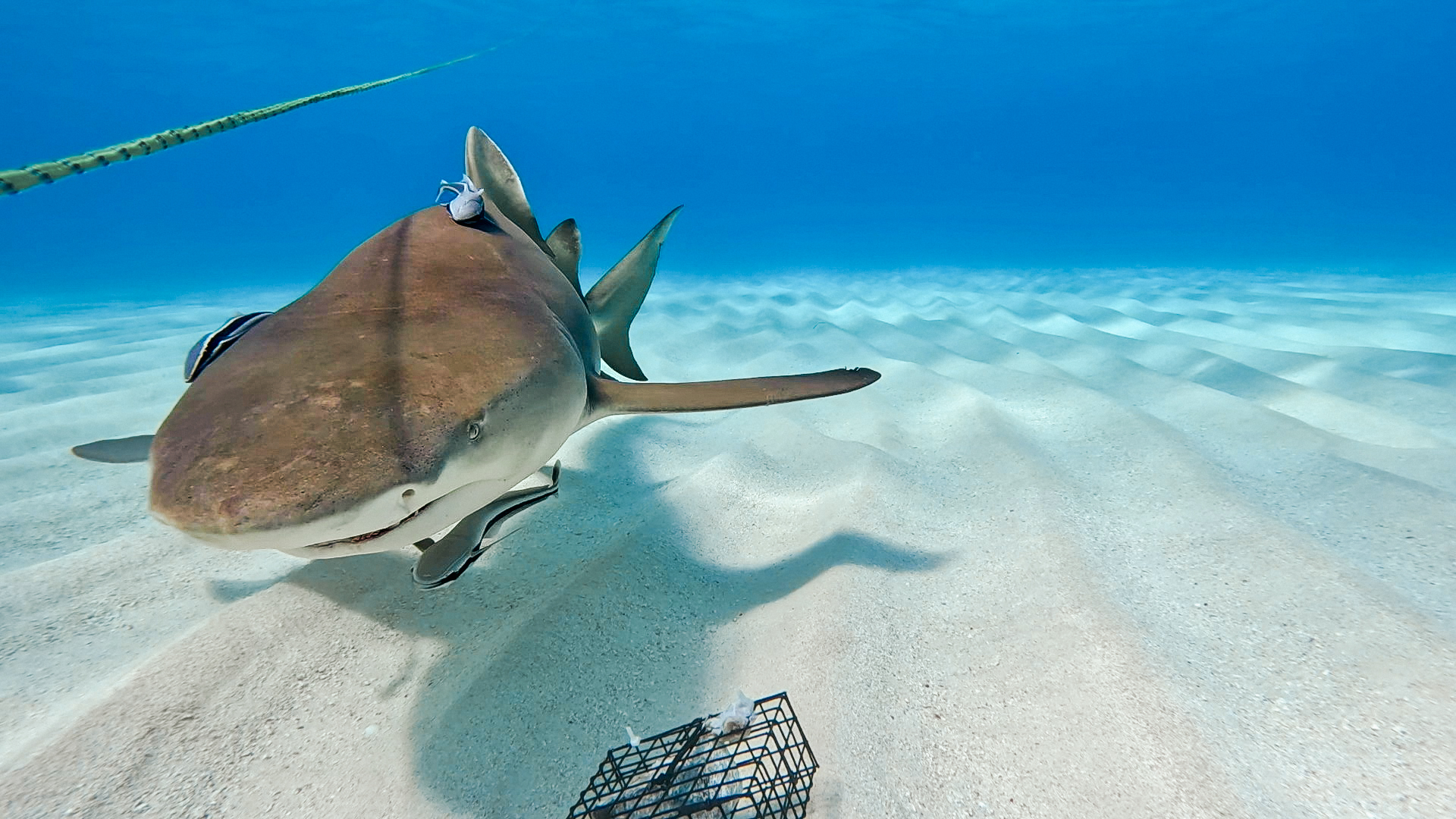
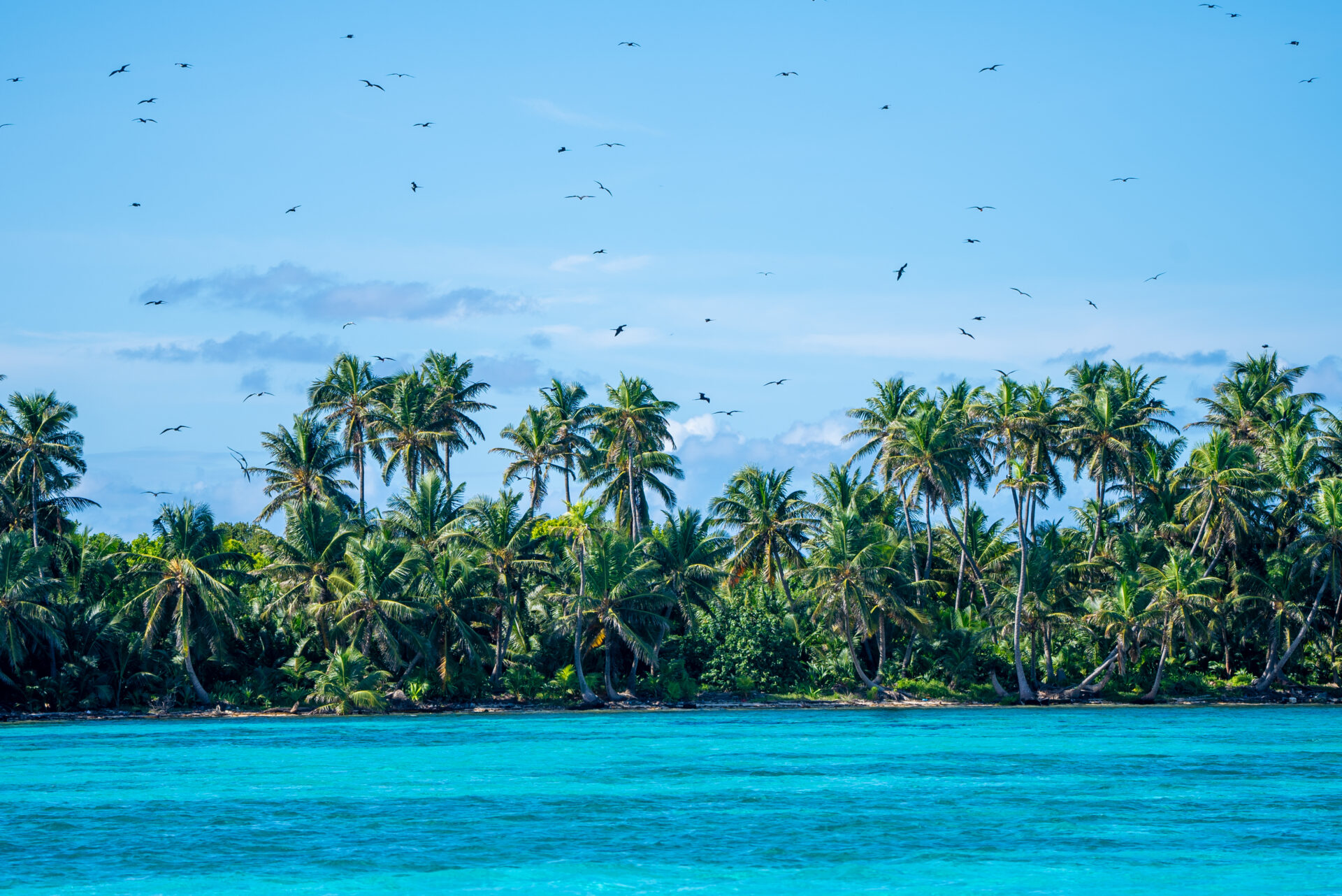
Ocean Roamer’s model is already delivering results. Last year, the team partnered with Beneath The Waves to conduct the first comprehensive survey of shark populations in the southern Bahamas.
“During a six-week expedition, we deployed Baited Remote Underwater Video systems (BRUVs) across three remote island chains, surveying shark abundance and distribution in a region that has remained unstudied due to its remoteness and the logistical challenges of undertaking such an extensive project,” Young says.
The expedition involved over 1,000 hours of fieldwork and produced more than 100 hours of footage. Ocean Roamer is now co-authoring a scientific paper from the findings. “We hope this research will reinforce the importance of the Bahamas as a global shark sanctuary, while offering new insights into the lives of apex predators in some of the country’s most remote waters.”
Redefining success
For Ocean Roamer, success is not measured in size or spectacle.
“Success for us isn’t defined by scale or visibility, but by usefulness,” says Young. “Scientifically, it means contributing high-quality data that strengthens understanding and supports conservation decisions. Environmentally, it means helping protect species and ecosystems by ensuring the evidence exists to justify action.”
Equally important is the human dimension. “We want to support researchers, amplify important research and stories, and help people feel connected to parts of the ocean they may never experience firsthand.”
Looking ahead, the ambition is to grow carefully and deliberately. “The long-term ambition for Ocean Roamer is to grow beyond a single vessel into a fleet of small, sail-powered platforms strategically positioned across key ocean regions,” Young explains. By reducing transit times and building regional knowledge, the model aims to maximise time where it matters most – in the field.
Ultimately, Ocean Roamer is rooted in collaboration. “This project isn’t about ownership of ideas or outcomes; it’s about coming together to support people already doing vital work, and helping create the conditions for that work to succeed.”
In a world where the ocean urgently needs both protection and understanding, Ocean Roamer offers a compelling proposition: that small, thoughtful platforms – powered by wind, science and story – can help reshape the future of ocean research.

Printed editions
Current issue
Back issues
Enjoy so much more from Oceanographic Magazine by becoming a subscriber.
A range of subscription options are available.
