10% of the ocean now protected. We have four years to triple it
More than 10% of the global ocean is now officially protected, marking a historic milestone. But with coverage needing to triple by 2030, experts warn the hardest work lies ahead.
The international community has reached a significant milestone in the race to protect the world’s ocean, with 10.01% of marine areas now officially designated as protected or conserved. But conservationists are clear about one thing – celebration must be tempered by urgency.
The milestone, confirmed this month through an update to the World Database on Protected and Conserved Areas, represents a considerable leap forward. In 2024, just 8.6% of ocean and coastal areas globally sat within documented protected zones. Over the past two years alone, roughly five million square kilometres of ocean – an area larger than the European Union – have been brought under formal protection.
And yet the scale of what remains undone is stark. Under the Kunming-Montreal Global Biodiversity Framework, agreed at the Convention on Biodiversity in December 2022, governments collectively committed to protecting 30% of the Earth’s land and seas by 2030.
To reach that target, the area of protected and conserved ocean will need to triple within the next four years.
Neville Ash, Director of UNEP-WCMC, said: “We all depend on the ocean for our survival; over half of the world’s oxygen is produced by life in the ocean. The great strides at the national level over the past two years to protect more than 10% of the marine realm is therefore a moment for celebration. But reaching this milestone is a reminder of how much work there is still to do.
“The coverage of protected and conserved areas at sea still needs to triple by 2030 and it is critical that both new and existing areas are managed effectively to deliver positive outcomes for people and nature.”

In other news

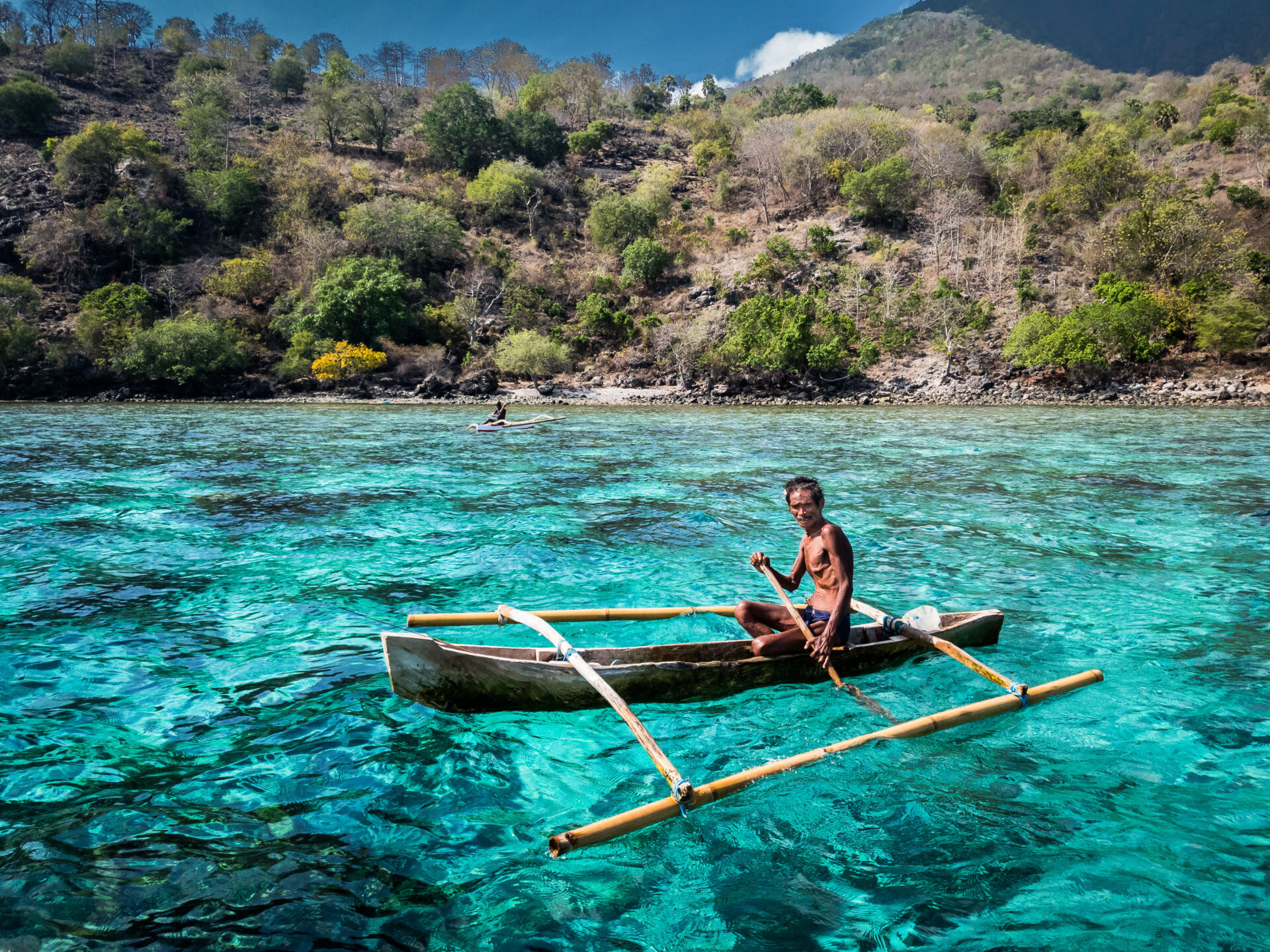
While crossing the 10% threshold matters, experts are warning that coverage alone tells only part of the story. The Protected Planet Report 2024 – the official progress report from UNEP-WCMC and the International Union for Conservation of Nature – found that data remains insufficient to fully measure whether existing protected areas are actually working.
Only 1.3% of the ocean is covered by protected areas where management effectiveness has been formally assessed and reported. Many marine protected areas, analyses suggest, are not actively managed at all, with destructive activities continuing even within their boundaries.
Dr Grethel Aguilar, IUCN Director General, said: “Oceans are havens of biodiversity, providing food, resources and livelihoods for millions, and are key to the survival and health of humanity. Hitting this important benchmark reminds us what can be achieved when the international community works together, using legal frameworks, scientific data and community-based projects to realise global ambitions.
“Indigenous Peoples steward critical marine and coastal ecosystems that are crucially important to safeguarding our oceans, alongside formally designated protected areas. Together, we have the skills, knowledge and partnerships to equitably and meaningfully conserve 30% of the Earth by 2030.”
The most glaring gap lies beyond national waters. The high seas – which cover more than 60% of the ocean’s surface and account for an estimated 95% of habitat on Earth by volume – remain almost entirely unprotected.
Just 1.66% of these areas currently fall within protected or conserved zones.
The entry into force of the UN High Seas Treaty in January marked the first time an international agreement has specifically targeted the protection of marine biodiversity in international waters, and its mechanism for establishing protected areas on the high seas represents perhaps the most significant tool now available to address this imbalance. But as recent events at the UN have shown, translating that legal framework into meaningful protection will require governments to resist the powerful vested interests that have long shaped the governance of the high seas.
The next official evaluation of global progress will come with the Protected Planet Report 2027. Between now and then, the pace of designation, and the quality of protection that follows, will determine whether the world’s commitment to safeguard 30% of the ocean by 2030 amounts to more than words on a page.


"*" indicates required fields
Printed editions
Current issue
Back issues
Enjoy so much more from Oceanographic Magazine by becoming a subscriber.
A range of subscription options are available.
