Billion-pellet plastic spill blights England's north east coast
Private shipping firms face fury from local communities and the regional mayor over a sluggish response to the UK's worst-ever microplastic spill.
A ship collision caused over a billion plastic pellets to spill in the North East of England last week. The pellets have since washed up on beaches along the Northumberland and Sunderland coast, with local residents and the regional mayor criticising severe delays in cleaning up the incident.
It is believed to be the largest recorded nurdle spill in Northern Europe and the UK.
Plastic pellets, also known as nurdles, are melted down and used to create everyday plastic products. Despite being legally classified as non-toxic, these nurdles are highly harmful to wildlife. They are frequently mistaken for food by birds, fish, and other marine animals, leading to malnutrition, starvation, and wider toxic impacts throughout the food chain. They can persist in the environment for decades, fracturing into dangerous microplastic pollution as they break down over time.
At 1:00 PM BST on 19 July, the wind turbine vessel Wind Orca struck the moored container ship BG Orange in the Port of Tyne, triggering the catastrophic collapse of a dockside gantry crane that crushed the cargo deck and ruptured containers holding 25 tonnes of plastic nurdles. One port worker was also injured and hospitalised in the incident.
A spokesperson for the port said its emergency response plan had been activated “immediately,” and a floating containment barrier was deployed around the container ship within 48 hours to help prevent further pellet loss.
Despite these efforts, millions of the buoyant nurdles escaped and made their way onto beaches in the surrounding areas.
The spill itself happened less than three miles from Marsden Bay, which is home to one of England’s most important seabird colonies, putting species like puffins and fulmars at direct risk. Local authorities have confirmed that pellets have washed ashore on Seaburn beach in Sunderland, as well as Blyth Beach and Old Hartley in Northumberland.

In other news

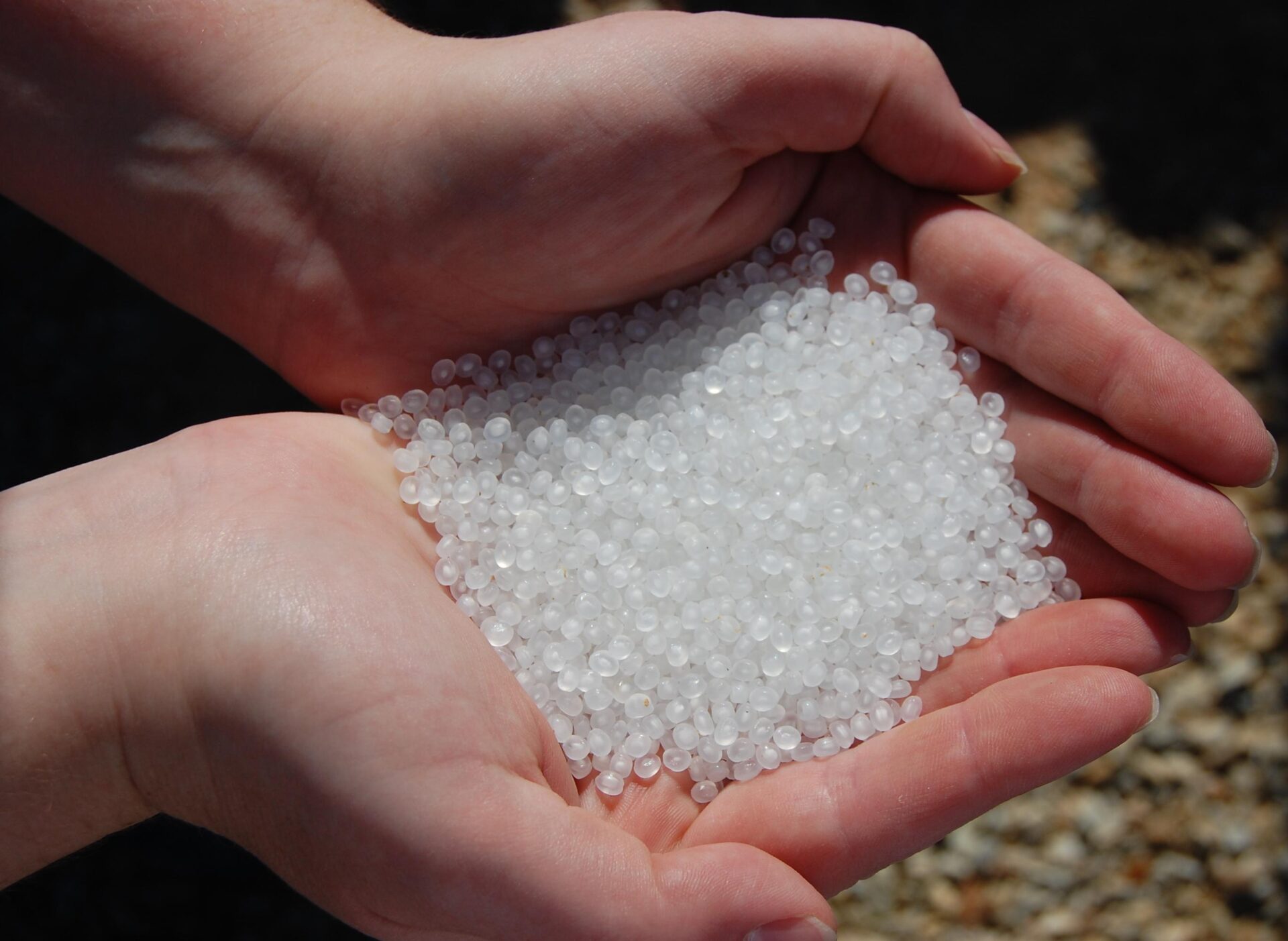
Public health authorities have warned the public not to touch the nurdles and urged dog owners to keep their pets strictly on leads while walking along the coast.
Yet, when the white pellets began blanketing the coastlines, thousands of local residents took matters into their own hands, launching independent clean-up efforts. Protests have also taken place, calling for a far greater response from the private companies and local authorities involved.
North East Mayor Kim McGuinness wrote directly to the two shipping companies involved, Cadeler and BG Freight Line. She demanded that they foot the bill for what will be a “long and expensive” clean-up operation, calling it “the worst incident of nurdle pollution in Europe.”
Reports suggest that a delayed reaction from the Port of Tyne fueled public anger, with the port’s first public acknowledgement published via press release a full four days after the initial collision occurred.
The local fishing community has also raised alarms, reporting evidence of the floating plastic pellets while working up to two miles out at sea.
Sunderland City Council stated it is actively monitoring the coastline as clean-ups get underway, urging the public to report any new sightings. Meanwhile, Northumberland County Council confirmed its staff are working to establish “the scale of any clear-up task”.
Rhiannon Studholme, Eco Mentor for the Northumberland Wildlife Trust, said: “It is heartbreaking to see this disaster unfold but, at the same time, truly inspiring to see the local community working together to try to help with the clean-up.
“Looking forward, we need to continue to advocate for our seas and coastline and ensure it is protected from any further harm,” she added.


"*" indicates required fields
Printed editions
Current issue
Back issues

Enjoy so much more from Oceanographic Magazine by becoming a subscriber.
A range of subscription options are available.
