As seas rise, Comoros’ deep reefs offer signs of refuge
Researchers on the Nekton First Descent: Comoros expedition have documented healthy reefs below 30 metres and functioning deep-water shark populations - a stark contrast to the ecological strain seen in the islands’ shallow coastal waters.

A pioneering deep-sea survey beneath the swells of the Mozambique Channel has revealed pockets of thriving marine life that scientists say could help safeguard the future of one of the world’s most vulnerable island nations – if global leaders can deliver on ocean-protection promises at COP30 this year.
Between 6 October and 14 November 2025, researchers on the Nekton First Descent: Comoros expedition documented healthy reefs below 30 metres and functioning deep-water shark populations – discoveries that stand in stark contrast to the ecological strain seen in the islands’ shallow coastal waters.
The findings point to rare resilience in deeper ecosystems and underscore what scientists describe as a narrowing window for action to preserve them.
For Comoros – perched between Madagascar and mainland East Africa – the climate crisis is not an abstract concept but a daily encroachment made evident by sea level rises and coastal reefs under severe and increasing strain.
“Our country is going through enormous difficulties, mainly due to climate change,” said H.E. Abubakar Ben Mahmoud, Minister of Environment. “Sea level rise floods our homes, our crops, and our land with salt water. Our coastline and reefs are dying little by little.”
Despite its negligible contribution to global emissions, the small island state (or Large Oceanic State) faces the twin challenge of climate-driven habitat loss and the race to protect marine biodiversity that supports local livelihoods and food security.
“Climate change is having a huge impact on us,” added Fouad Abdou Rabi, Director of the Comoros Parks Agency. “The Comoros must be stronger in protecting small islands and island states at the highest level of COP, while also showing how we can contribute globally to biodiversity management.”
In other news
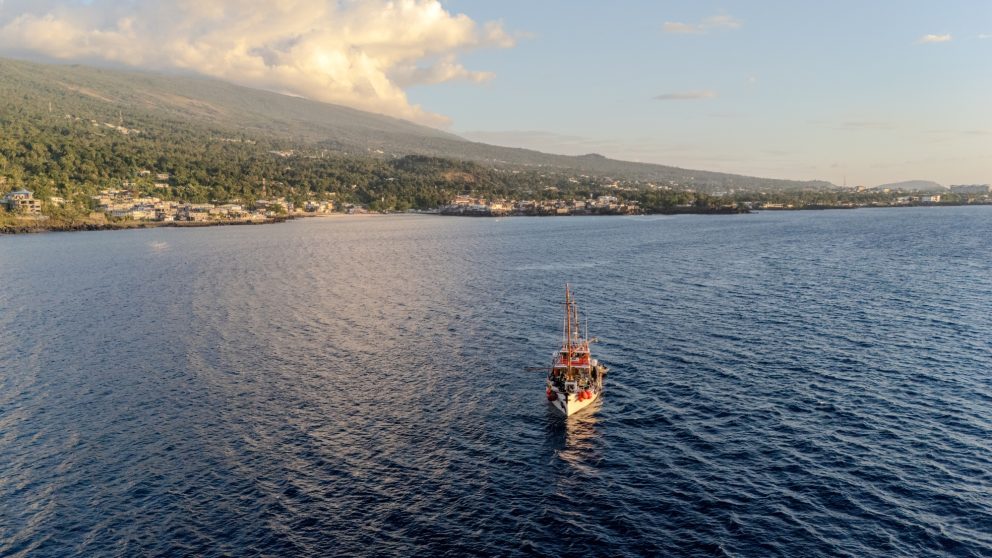
Scientists from WILDTRUST, the University of the Comoros, the national R-POC programme, CORDIO East Africa, and UK-based Nekton reported severe degradation in shallow reef habitats – where warming waters and overfishing have driven alarming declines in biodiversity.
Shark specialist Joshua Rambahiniarison described early findings as troubling: “This is very concerning because this is a sign that reef-associated shark species are very low in terms of the size of their population. This suggests some depletion, but also the risk of some sharks being functionally extinct.”
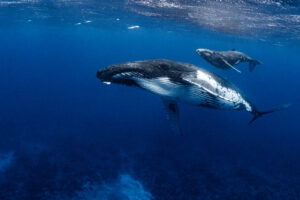
Yet the picture brightened as the team descended. At 300 to 900 metres, cameras captured evidence of healthy deep-water shark populations, signalling a functioning food web and suggesting that deeper ecosystems may still offer refuge from human pressures.
Below 30 metres, in the mesophotic twilight zone extending to 150 metres, researchers found vibrant coral and sponge communities – oases of life that appear more resistant to the stressors battering shallower reefs.
“The stunning coral communities give a lot of hope,” said Dr. Lucy Woodall, Nekton Principal Scientist and Expedition Co-Chief Scientist. “These corals provide homes for fish that are vital for local communities. There’s now a great opportunity to protect these critical ecosystems and enhance long-term sustainable management.”
But expedition leaders warn that Comoros cannot safeguard these ecosystems alone. The team is urging negotiators at COP30 in Brazil to cement the global commitment to protect 30% of the ocean by 2030 – a promise many scientists say is essential to maintaining planetary stability.
“Our planet’s stewards – national political, business and civil society leaders – must act now,” said Dr. Woodall. “The ocean is the key to survival, here in Comoros and for the entire planet. Every country should be thinking about actively protecting 30% of the ocean, because we really are ‘Planet Ocean’.”
As Comoros braces for escalating climate impacts, the expedition’s discoveries offer a rare countercurrent of optimism: proof that with decisive global leadership, vital marine ecosystems may yet endure.


"*" indicates required fields
Printed editions
Current issue
Back issues


Enjoy so much more from Oceanographic Magazine by becoming a subscriber.
A range of subscription options are available.
