Barrier Reef conservation questioned as UNESCO awaits report
Australia has submitted its latest report on the Great Barrier Reef to UNESCO, outlining conservation efforts. Critics warn current measures are insufficient to address climate change, water pollution, and fisheries pressures, leaving the Reef at ongoing risk.
The Australian Government has submitted its latest State Party Report on the conservation of the Great Barrier Reef to UNESCO, aiming to keep the World Heritage icon off the list of sites considered “in danger.” The report outlines new funding commitments and policy reforms intended to protect the Reef, but critics argue that current measures still fall short of the scale of threats facing the ecosystem.
“The question isn’t whether our governments are doing things. It’s whether what’s being done is enough to turn the Reef’s trajectory around,” said Dr. Lissa Schindler, Great Barrier Reef Campaign Manager at the Australian Marine Conservation Society (AMCS).
The organisation notes that despite the promises outlined in the report, the Reef continues to experience severe stress from warming oceans, water pollution, and unsustainable fisheries.
“The Great Barrier Reef is under severe stress from rising ocean temperatures and the government is not doing enough to mitigate climate change nor is it adequately addressing local pressures, such as water pollution and fisheries,” Schindler said.
She further warned that Australia’s climate ambitions remain insufficient to protect the Reef: “Despite what the report states, Australia’s overall climate ambition still falls short of addressing the climate risks to the Reef. Our 2035 emissions reduction target is not aligned with limiting warming as close to 1.5°C as possible, which is a critical threshold for coral reef survival. Australia also remains one of the world’s largest exporters of fossil fuels.”

In other news

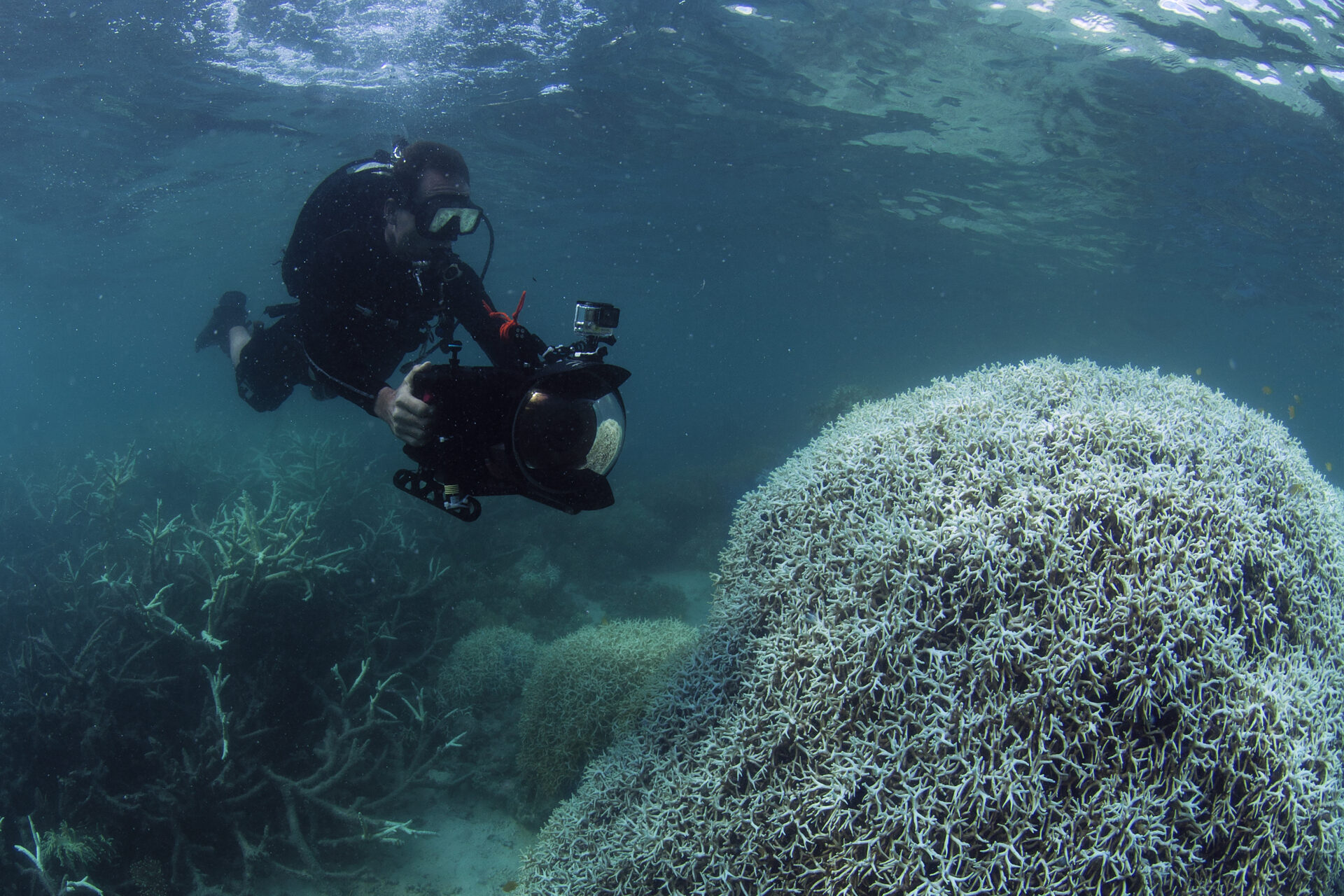
While renewable energy projects are underway, Schindler said Queensland’s energy policies are counterproductive: “While Australia may be pushing forward with renewable energy projects, Queensland, the joint manager of the Reef, is moving in the opposite direction, with renewable energy approvals slowing and coal-fired generation being extended.
“Every extra year of burning coal means more carbon pollution, hotter oceans and more coral bleaching. This is the opposite of what the Reef needs.”
Local threats, including declining water quality, continue to undermine the Reef’s resilience. “Alongside climate change, poor water quality continues to undermine the Reef’s ability to cope with mounting stress. Targets to cut pollution have been delayed repeatedly, and the last water quality plan expired years ago. We still do not have an updated plan that outlines how the government will cut pollution reaching the Reef or how much it will even cost,” Schindler said.
Fisheries also remain a concern. “While the Queensland and Australian Government’s progress on phasing out gillnets and independent monitoring of trawl vessels is welcome, Australia’s largest coral fishery continues to harvest corals from a World Heritage Area under significant pressure. The Australian Government must do more to support the Queensland Coral Fishery to rapidly transition from wild harvest to tank-grown coral aquaculture to help protect our unique and precious corals and increase reef resilience,” she added.
UNESCO has repeatedly flagged water pollution and climate change as key risks to the Reef, bringing Australia before the World Heritage Committee three times in a row. Schindler emphasised that the threats are far from resolved. “If those gaps aren’t closed, international scrutiny won’t go away and neither will the risk to the Reef’s future.”
As the Reef faces increasingly severe climate-driven impacts, conservationists argue that time is running short. While the new report outlines steps forward, many say Australia must act faster and more ambitiously to safeguard one of the planet’s most iconic marine ecosystems.


"*" indicates required fields
Printed editions
Current issue
Back issues
Enjoy so much more from Oceanographic Magazine by becoming a subscriber.
A range of subscription options are available.
