'Forever chemicals' alter fish biology before hatching, study finds
Experts warn that the pollutants can trigger severe health risks including liver and neural dysfunction and altered energy metabolism.
Fish are being fundamentally altered by “forever chemicals” before they have even hatched, according to new research.
Scientists at Florida International University found that exposure to perfluorooctane sulfonate or PFOS – a member of the notorious PFAS chemical family – fundamentally disrupts the development of yellowtail snapper embryos within days of spawning.
PFAS chemicals are widely used in industrial processes and consumer goods. They have earned the nickname “forever chemicals” since they do not break down naturally in the environment.
PFOS is well established as a significant pollutant in the world’s oceans, but researchers are only now uncovering how it impacts marine life. By exposing embryos to the chemical within 24 hours of spawning, the research team identified 18 key metabolites – chemical blueprints within the body – that shifted significantly.
These changes signalled three key, severe health risks: liver and neural dysfunction; altered energy metabolism; oxidative stress.
While PFOS typically targets fatty organs like the liver, the study indicated a body-wide effect, altering the activity of key enzymes essential for basic survival.

In other news
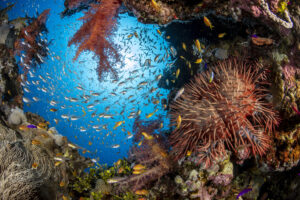
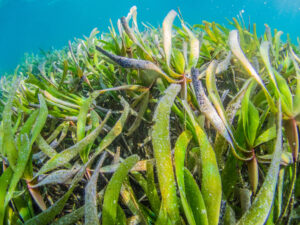
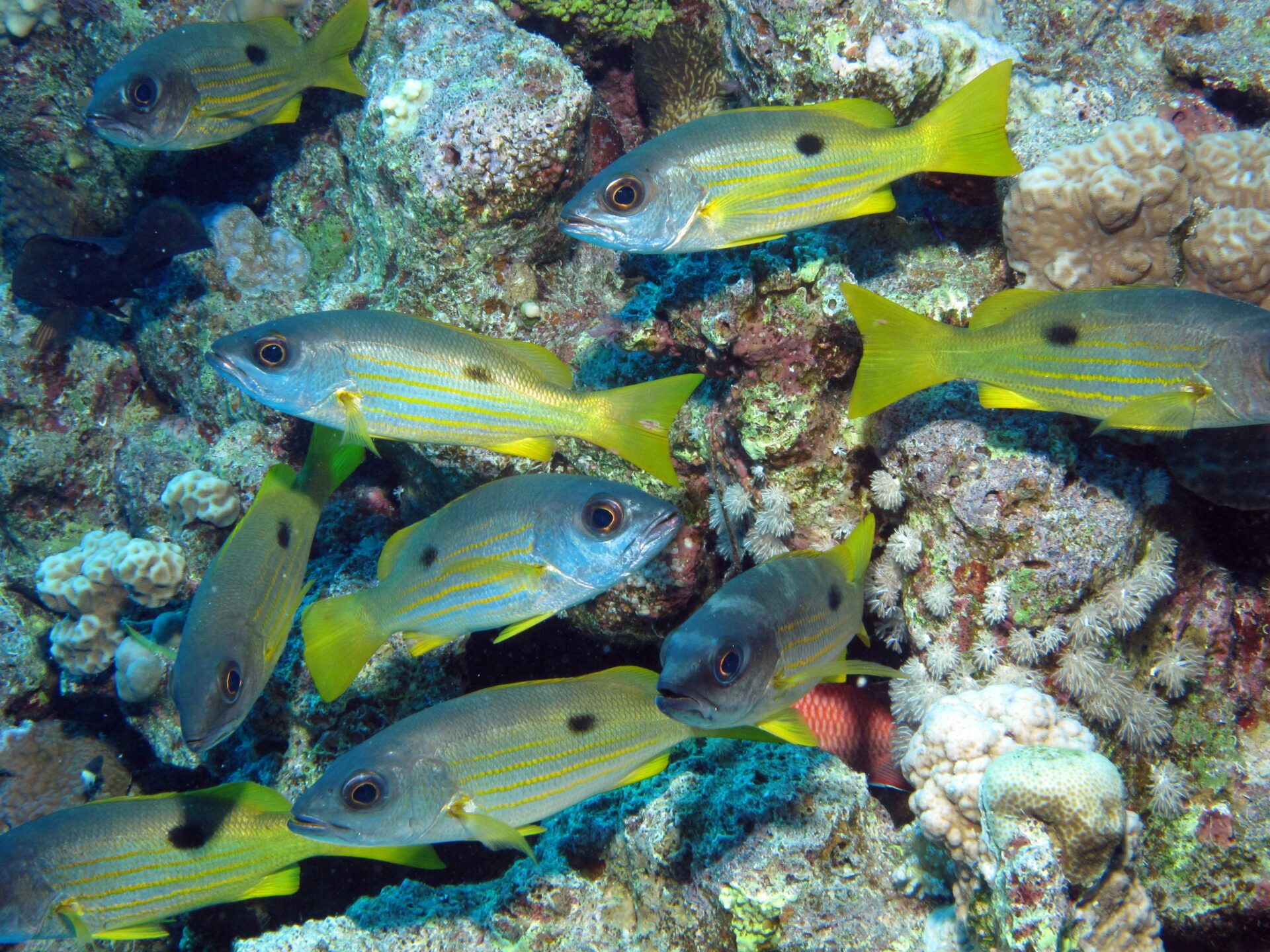
“You can use these metabolites as biomarkers for disease situations,” said Dr Ariel Lawson, who led the research. Even at the larval stage, the chemical’s impact was physically visible, affecting the fish’s size, shape and swimming speed.
Crucially, the damage may not stop with the exposed fish. Experts warn that these early biological shifts can trigger “epigenetic” effects, effectively altering how genes are expressed without changing the DNA sequence itself.
Dr John Berry, an associate professor at FIU’s Institute of Environment said that while offspring inherit a clean genome from their parents, how that genome unfolds depends largely on environmental stressors.
“In clean water, these metabolic changes may not manifest,” Dr Berry said.
However, in polluted waters, these disrupted genetic blueprints could potentially be passed down through generations.
While the high concentrations used in the laboratory were designed to mimic how the chemical builds up in wild fish over time, scientists say the results offer a stark warning. The research highlights an urgent need to understand the invisible, multi-generational toll being taken on global marine life.


"*" indicates required fields
Printed editions
Current issue
Back issues
Enjoy so much more from Oceanographic Magazine by becoming a subscriber.
A range of subscription options are available.