Faroe Islands’ parliament exempts Grindadráp from animal welfare laws
The vote to legally exempt its controversial dolphin and whale hunts from animal welfare laws has sparked international fury.
The Faroese parliament has voted unanimously to ensure local hunting regulations override the territory’s Animal Welfare Act. This legislative shift effectively shields whalers from prosecution for welfare violations, even as pressure from global conservation groups mounts.
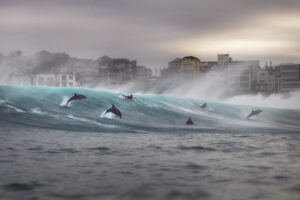
The proposal was passed with 28 votes in favour and no opposition, the move also coincides with one of the bloodiest weeks in the archipelago’s history, during which more than 700 Atlantic white-sided dolphins and 400 pilot whales were slaughtered across several bays.
The traditional drive hunts, known as the Grindadráp or “Grind”, involve herding entire family groups of marine mammals into shallow inlets using small boats before killing them on the beach.
Conservationists have reacted with horror to the legislative change, warning it gives whalers a “free pass” to ignore animal suffering.
“To omit the drive hunts from animal welfare laws is scandalous,” said Katrin Mattes, a campaigner with Whale and Dolphin Conservation. “When it comes to the welfare of whales and dolphins, you can’t really get much worse than driving entire family groups to shore, dragging them up the beach using blunt metal hooks sunk into their blowholes.”

In other news

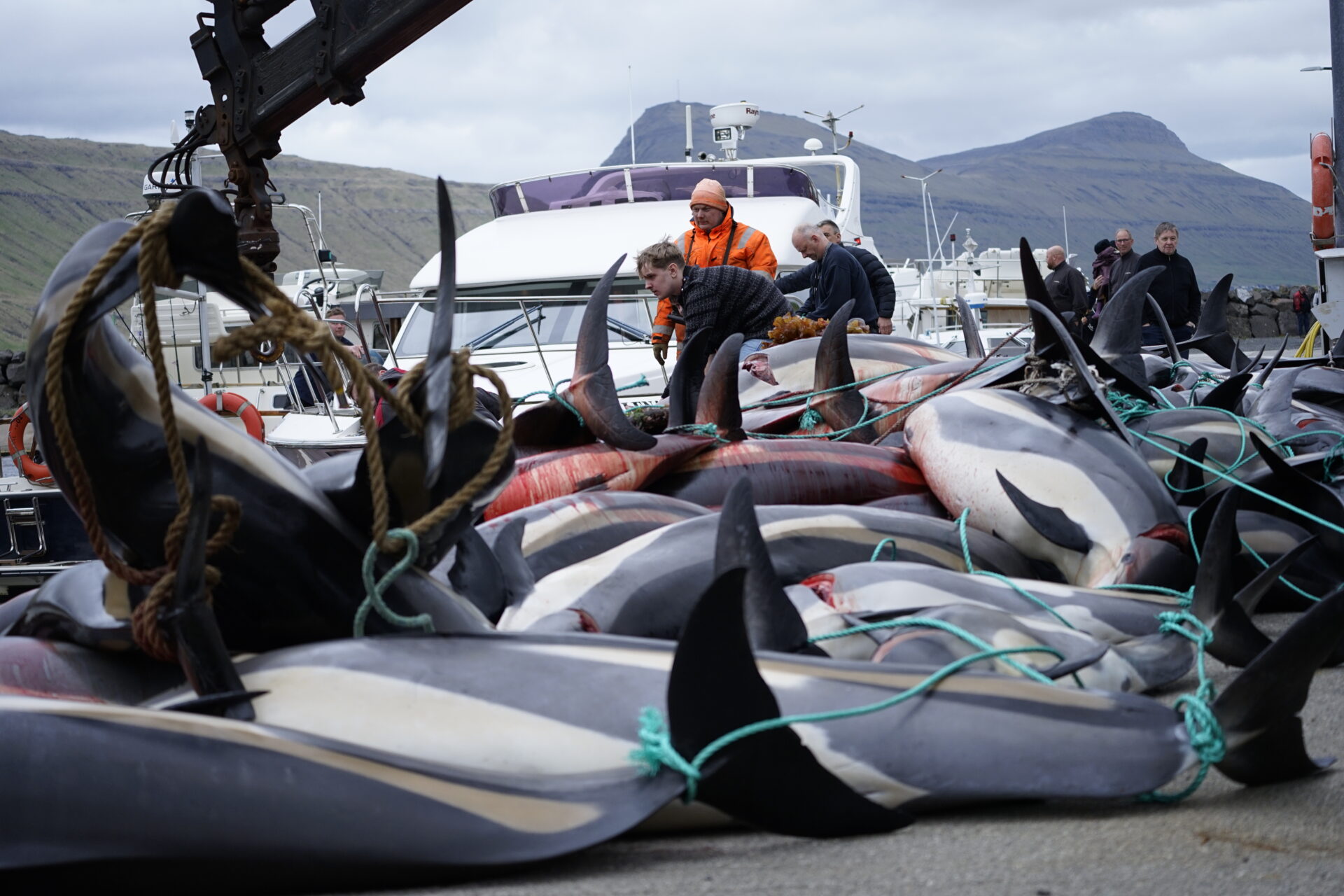
The recent hunts drew particular condemnation after participants ran out of legally mandated spinal lances, specialised tools designed to sever the spinal cord quickly. Instead, hundreds of dolphins were killed using ordinary knives, leading to what eyewitnesses described as “prolonged suffering” as animals were crushed against rocks and struck by boat propellers.
The global marine conservation organisation Sea Shepherd had observers present during this recent hunt. Two of its crew members were arrested after being reported to police by whalers who alleged they had interfered with the hunts.
While international onlookers view the law as a regression, the parliamentary vote has been celebrated by some in the Faroe islands as a monumental victory for cultural sovereignty against what they perceive as foreign interference.
Valentina Crast, campaign director of Stop The Grind, said: “The Faroese Government’s move this week to exempt dolphin hunts from its own animal welfare laws could not have come at a more appalling time.
“Soon after legislators unanimously voted to exclude dolphin hunts from animal welfare legislation, more than 700 dolphins were brutally killed in three separate hunts on the same day. These events exposed the fiction that these hunts are properly regulated. It is simply not credible that three separate local authorities can make a meaningful assessment of whether a hunt should go ahead when they do not have a full picture of other hunts already taking place at the same time.
“Many dolphins suffered prolonged and avoidable distress. They were driven into shallow water, crushed against rocks, run over by boats, and killed in chaotic conditions without the use of required tools.
“What makes this indefensible, even by the whalers’ own standards, is that they failed to follow their own existing rules. Spinal lances are mandatory under Faroese law, yet hunters openly admitted there were not enough to go around, and animals were killed with knives alone.
“The Government’s decision to explicitly exclude dolphin killings from animal welfare legislation was not about improving standards. It was about shielding whalers from accountability in the face of documented cruelty and suffering.
“We call on governments across Europe to respond without delay. If the Faroese authorities will not hold their own hunters to account, the international community must.”


"*" indicates required fields
Printed editions
Current issue
Back issues
Enjoy so much more from Oceanographic Magazine by becoming a subscriber.
A range of subscription options are available.
