Boat traffic disrupts behaviour and population of marine megafauna
More flexible management strategies like seasonal speed restrictions and targeted closures are needed in light of the findings, researchers say.
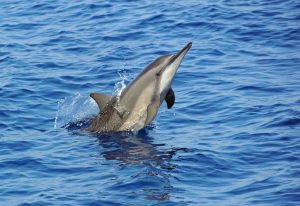
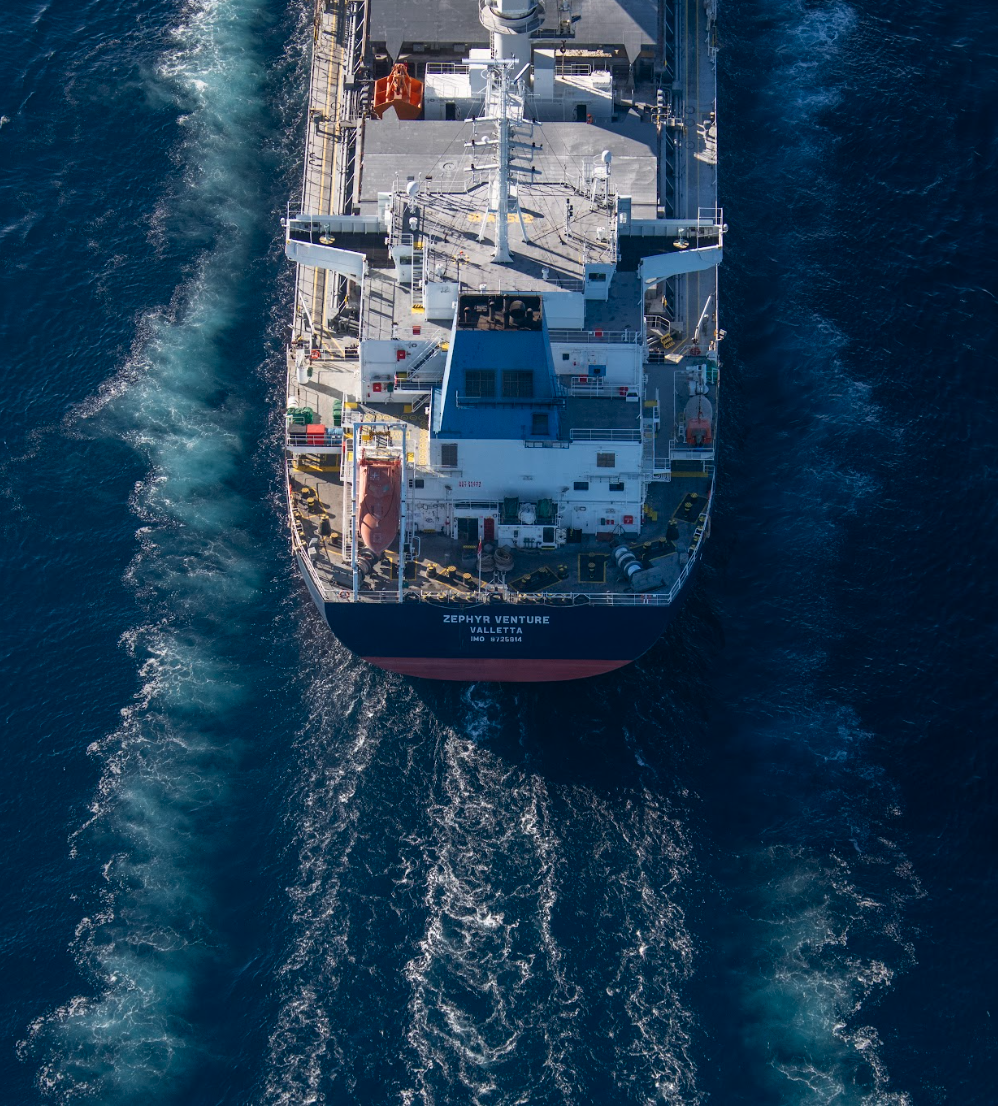
Boat traffic disrupts the behaviour, stress levels and long-term population of whales, dolphins, seals, manatees, sea turtles, sharks and rays, according to a new meta-analysis drawing on more than four decades of scientific research.
Researchers found that vessel activity impacts everything from how these large marine mammals feed, to their communication, movement and their overall stress levels.
Vessel traffic brings with it a host of environmental issues including noise which disrupts communication, ships striking wildlife, chemical pollution, and sediment disruption.
Megafauna are particularly vulnerable to vessel disturbance due to their long lifespans, slow reproductive cycles, and reliance on coastal areas and surface waters where boat traffic tends to be concentrated.
The long-term analysis combined the findings of over 200 peer-reviewed studies conducted globally, and 1,900 comparisons were compiled between scenarios with and without vessel presence.
Worryingly their analysis found that species like sea turtles, which are already listed as threatened or endangered, are more strongly affected by vessel disturbance. This suggests that vessel activity can intensify existing conservation threats.

In other news
They also observed that species like large fishes, sharks and rays remain relatively understudied despite frequently existing in the same places as vessel activity.
The study, “Charting the Course for Management: A Global Analysis of Effects of Vessels on Marine Megafauna,” was published this week in Npj Ocean Sustainability.
Researchers say the long-term patterns found in the meta-analysis should inform future conservation.
Catherine Macdonald, an associate professor in the Department of Environmental Science and Policy and director of the Shark Research and Conservation Program at the Rosenstiel School said, “Because vessel activity and wildlife distributions shift across space and time, static management approaches are not always sufficient to protect species from disturbance.”
“Dynamic management strategies, including seasonal speed restrictions, adaptive buffer distances and targeted closures of key habitats, can provide flexible, evidence-based tools to reduce vessel impacts while allowing continued human use of the ocean,” she added.


"*" indicates required fields
Printed editions
Current issue
Back issues
Back Issues
Issue 43 Sir David Attenborough’s ‘Ocean’
Enjoy so much more from Oceanographic Magazine by becoming a subscriber.
A range of subscription options are available.