Shrinking sea ice threatens emperor penguin moulting sites
Satellite images have uncovered previously unknown emperor penguin moulting colonies in Antarctica, but shrinking sea ice is forcing birds into crowded fast-ice refuges. Early ice break-up may have caused significant adult mortality, raising fresh concerns for the species’ long-term survival.
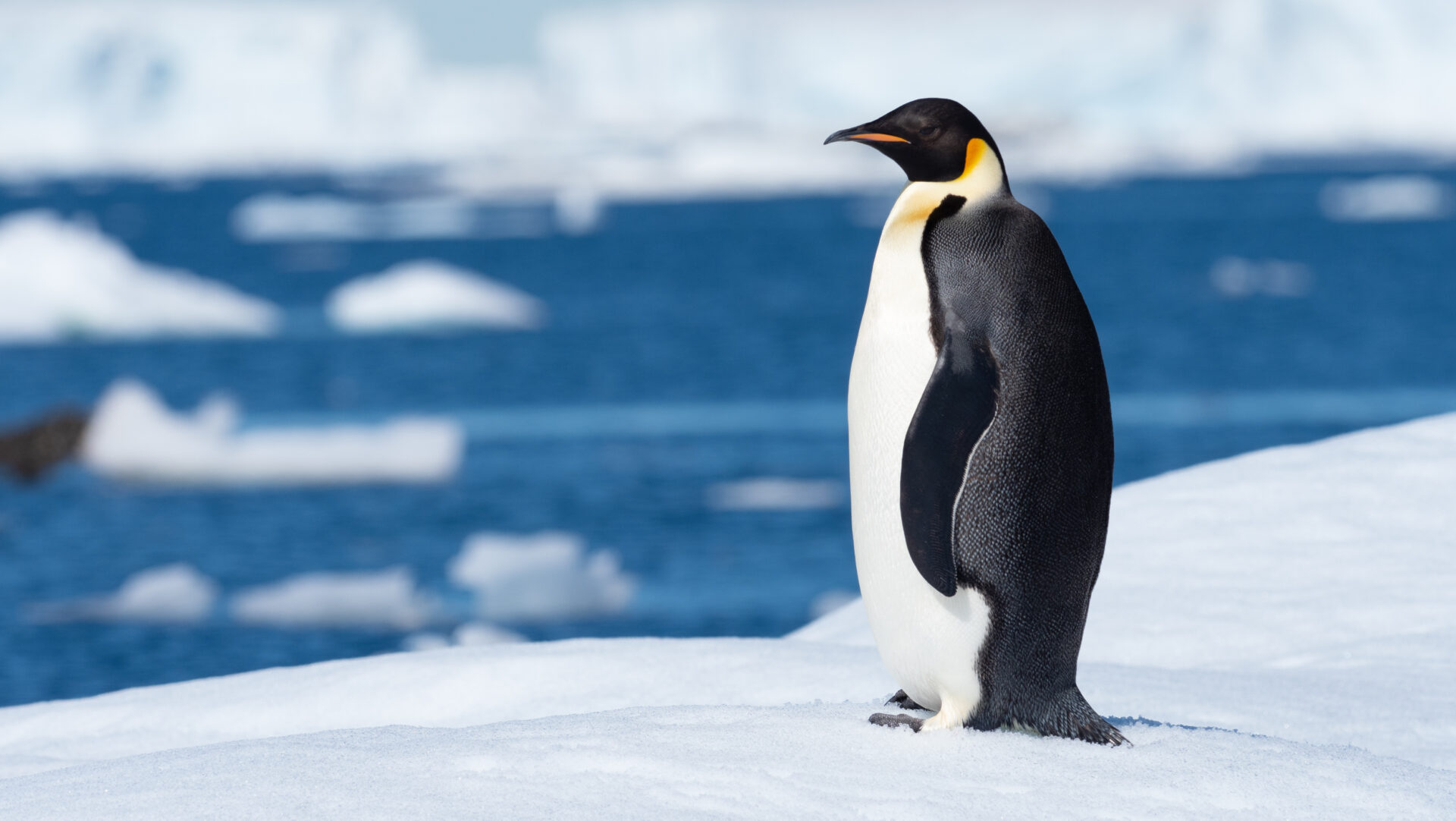
Scientists analysing satellite imagery over Antarctica have uncovered previously unknown moulting sites of Emperor penguin – a breakthrough that is simultaneously deepening scientific understanding and raising fresh alarm over the species’ future.
Researchers from the British Antarctic Survey made the discovery by chance after detecting unusual brown staining along the remote coastline of Marie Byrd Land. The timing coincided with the species’ annual moulting period, prompting closer investigation.
Until now, scientists have known remarkably little about where emperor penguins go to moult – the critical annual phase when they replace worn feathers with new waterproof plumage. The study marks the first time moulting colonies have been identified using satellite imagery, offering a rare window into one of the most vulnerable stages of the penguins’ life cycle.
But what the satellites revealed also exposed a growing threat.
Each austral summer, emperor penguins from the Ross Sea in West Antarctica travel up to 1,000km to reach Marie Byrd Land, seeking stable fast ice – sea ice anchored to the coastline – on which to complete their moult. The seven breeding colonies that migrate here represent as much as 40% of the global population.
Moulting is one of the most perilous periods in an emperor penguin’s life. Unable to enter the water to feed for several weeks, the birds must remain on stable ice while their new plumage grows in. If forced prematurely into the ocean, before their feathers regain full waterproofing, they face hypothermia, exhaustion from increased energy demands, and heightened predation risk.
Historically, Marie Byrd Land has been one of the few regions where fast ice persists year-round. Yet analysis of seven years of satellite data identified more than 100 moulting groups clustered along the coast – and showed a stark shift in behaviour during low-ice years.
As sea ice diminished, penguins were compressed onto ever-smaller patches of fast ice, forming increasingly dense and crowded aggregations.
Between 2022 and 2024, Antarctic sea ice extent fell to record lows, with fast ice declining dramatically. In the study area, coverage plummeted from a 50-year average of around 500,000km² – roughly the size of Spain – to just 100,000km² in 2023. Of that, only 2,000km² consisted of coastal fast ice.
In several of those years, the ice fractured before the birds had completed their moult.

In other news


By 2025, satellite images revealed just 25 small groups of moulting penguins in the region – a dramatic decline from the more than 100 groups identified before 2022. The reasons remain uncertain. The birds may have relocated to undiscovered moulting sites, or the population may have suffered significant losses.
For a long-lived species that can survive up to 20 years and does not begin breeding until between three and six years of age, adult mortality presents a far greater long-term risk than breeding failure alone.
Dr Peter Fretwell, lead author and mapping expert at British Antarctic Survey, said: “Emperor penguins already faced myriad threats, and the loss of moulting sites is yet another pressure. While we don’t know for sure what happened to those penguins, we know they can find new suitable breeding sites after ice loss, so it’s possible they have established new moulting sites elsewhere.
“But also it’s possible that huge numbers of penguins perished after entering the Southern Ocean before they had replaced their waterproof feathers. If this has happened, the situation for emperors as a species is even worse than we thought.”
Emperor penguins are widely regarded as a bellwether for the Antarctic marine ecosystem. The sea ice they depend upon also underpins a complex web of life – supporting seals, seabirds and the vast biological productivity beneath the ice, from krill to whales.
Unlike many Antarctic species, emperor penguins can be monitored annually via satellite remote sensing, making them a powerful indicator of environmental change.
The newly discovered moulting colonies therefore represent more than a scientific milestone. They offer a stark signal from a rapidly transforming cryosphere – one that may foreshadow broader, less visible disruptions unfolding across the Southern Ocean ecosystem.


"*" indicates required fields
Printed editions
Current issue
Back issues


Enjoy so much more from Oceanographic Magazine by becoming a subscriber.
A range of subscription options are available.
