Coral reefs, mangroves 'ecologically and functionally connected'
During a high-level roundtable held during New York Climate Week, leading voices called for a more unified approach to protecting and managing the two ecosystems that are "ecologically and functionally connected."

Those in New York to discuss the future of climate action last week would have heard how together, coral reefs and mangroves can serve as the “foundation of resilient seascapes” and support more than one billion people around the world through food supply, livelihoods, and coastal protection.
It was during a high-level roundtable held during New York Climate Week that leading voices and partners called for a more unified approach to protecting and managing the two ecosystems that are “ecologically and functionally connected.”
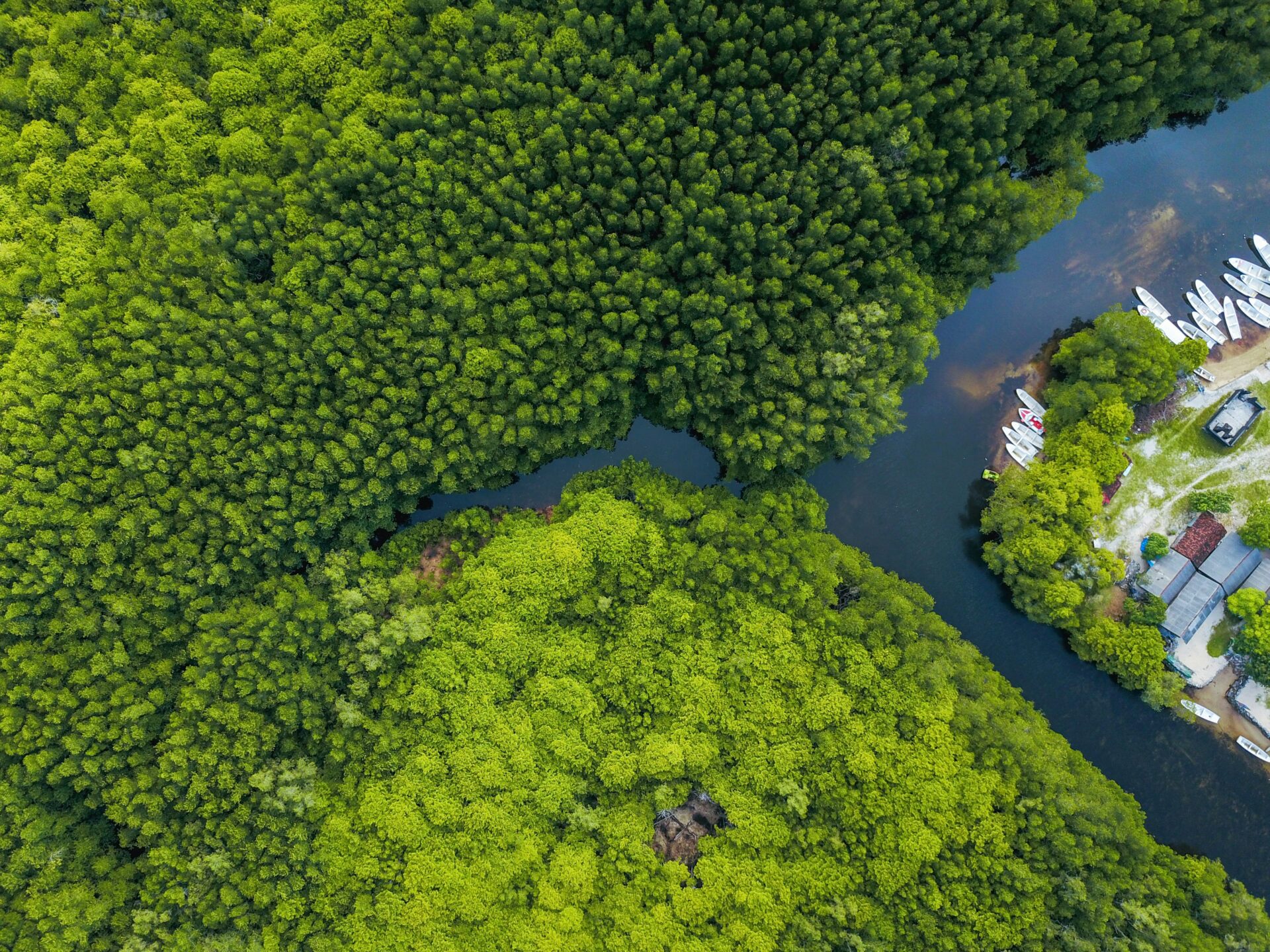
Rooted in the common understanding that both the coral reef and mangrove ecosystems are intrinsically connected, experts reminded attendees that coral reefs buffer wave energy and nurture biodiversity offshore, while mangroves stabilise coastlines, provide habitat for fish and birds, and capture and store carbon nearshore.
Convened ahead of the upcoming UNFCCC COP30, the roundtable focused on turning climate ambition into action by bringing together global leaders to highlight Nationally Determined Contributions (country-led climate action plans) with specific targets for mangrove and coral ecosystems and attract the kind of support that is vital for their implementation.
It was held to encourage leaders to use their Nationally Determined Contributions to include targets for protecting and restoring mangrove and coral reef ecosystems, a critical move that would benefit both people and nature together.
Several countries have already updated their Contributions to include both mangroves and coral reefs. Kenya, for example, aims to strengthen investments in vulnerable ecosystems, including its mangroves, while Belize has set out plans for both mangroves and coral reefs.
“Coral reefs buffer wave energy and nurture biodiversity offshore, while mangroves stabilise coastlines and capture and store carbon nearshore. Together they serve as the foundation of resilient seascapes and support more than a billion people through food supply, livelihoods, and coastal protection,” said Dan Ioschpe, High-Level Climate Champion of COP30.
In other news

Leaders are now calling for a “collaboration between existing initiatives” to blend finances that will ultimately “scale-up reef-positive solutions.”
“This type of collaboration is at the heart of the Action Agenda Brazil is setting up towards Belém,” said Ioschpe. “We need to take the solutions that already exist to scale them up, ensuring they can reach the impact the world urgently needs.”
At the centre of the call for a more unified approach to financing both coral reef and mangrove action are the Coral Reef and Mangrove Breakthrough, two separate coalitions driving positive actions across ecosystems worldwide. The Coral Reef Breakthrough aims to secure the future of at least 125,00-square kilometres of shallow-water tropical coral reefs with investments of at least $12bn to support more than half a billion people by 2030.
The coalition is focused on four central pillars: to stop all drivers of coral reef loss, including land-based sources of pollution and overfishing; double the area of coral reefs under effective protection; accelerate their restoration; and secure future investments in the coral reef ecosystem.
The Mangrove Breakthrough, meanwhile, is looking to secure the future of over 15 million hectares of mangroves by 2030 with $4bn in investment while reducing net mangrove losses to zero; ensure the long-term protection for 80% of all remaining mangroves; and restore mangroves to cover at least half of all recent losses.
“By harnessing the complementary expertise of UN partners and their networks, cross-sector collaboration can move us from fragmented projects to systemic, scaled impact for people and planet,” said Head of New York Office, UN Environment Programme, Ligia Noronha.


"*" indicates required fields
Printed editions
Current issue
Back issues


Enjoy so much more from Oceanographic Magazine by becoming a subscriber.
A range of subscription options are available.
