Record marine heatwaves set to hit British waters
The increased water temperatures could cause mass fish die-offs, jellyfish and algal blooms and lead to an influx of invasive species, scientists say.
British waters are set to face “extreme” marine heatwaves later this week, a phenomenon that scientists warn could mark one of the most severe thermal stress events on record, posing a serious threat to marine ecosystems.
Scientists warn that extreme water temperatures could lead to mass fish die-offs, jellyfish blooms and an influx of unusual fish.
Marine heatwaves are prolonged periods of abnormally high ocean temperatures compared with historical averages over at least five consecutive days. They are normally categorised on a four-point scale, from moderate to extreme.
A network of buoys have recorded extremely high temperatures around the coast in June.
The waters in Hastings are 5.3ºC warmer than. 4.6ºC hotter at Liverpool bay and 4.3C above average at South Knock, east of the Thames Estuary, according to the Marine Heatwave Tracker website.
The ocean plays an important role in regulating our climate. Warmer water temperatures at night mean on-land air temperatures stay warmer, particularly in coastal areas.

In other news
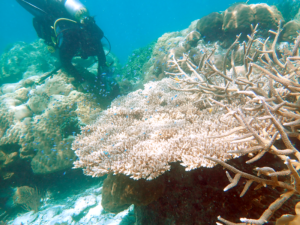
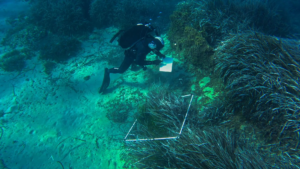
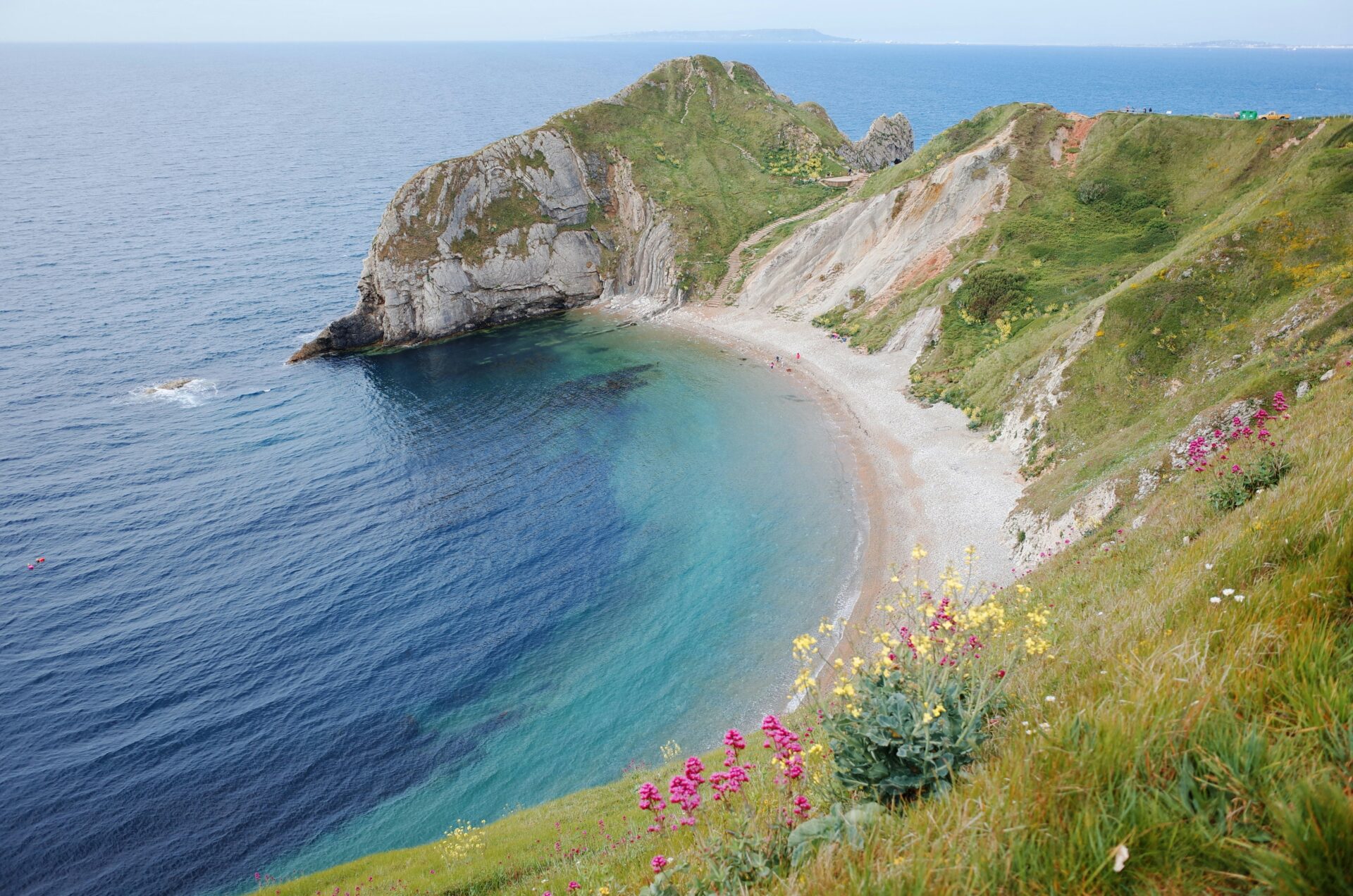
Keystone marine habitats like seagrasses and kelp forests fare better in cooler waters and can experience high levels of heat stress when temperatures surge. This reduces their growth, and can even lead to mass mortality events, which affects the species reliant on these habitats.
Hotter water temperatures also increase the likelihood of algal blooms, which can produce dangerous toxins, block vital sunlight and deplete oxygen, creating aquatic “dead zones”.
This is the third marine heatwave facing British waters this year, and previously marine heatwaves occurred in both 2025 and 2023. These heatwaves peaked in spring or early summer.
Scientists are concerned about the upcoming episode since it is expected to extend well into July, coinciding with a time of year when water temperatures are naturally higher, exacerbating the impact of the additional heat.
“With further sunny and calm weather likely next week, there will be little opportunity for the ocean to release this excess heat. This means the surface marine heatwave could intensify further, potentially reaching extreme levels in the south. Such conditions would be highly unusual for UK waters,” said Dr Ségolène Berthou, Air-Sea Interaction Specialist at the Met Office.
Professor John Pinnegar, the Principal Scientist and Lead Advisor (Climate Change) at CEFAS, said: “These changes can result in mass-mortality events for some marine species and alter the distribution of commercially-important fish and shellfish.”
In the last year, the UK has been experiencing a bloom of octopus. Octopus hunt and eat crabs and lobsters, which have had serious negative consequences for crab and lobster fisheries in southwest England.
The UK’s seas have been getting steadily warmer since the 1980s, driven by human-caused climate change and scientists expect marine heatwaves like these to become increasingly common if emissions continue to rise.


"*" indicates required fields
Printed editions
Current issue
Back issues


Enjoy so much more from Oceanographic Magazine by becoming a subscriber.
A range of subscription options are available.
