Scientists to track critically endangered tope sharks in the Solent
One of Britain's largest and most endangered sharks is to be tracked through the busy waters of the Solent, following a £230,000 research grant awarded to scientists at the University of Portsmouth.
One of Britain’s largest and most endangered sharks is to be tracked through the busy waters of the Solent, following a £230,000 research grant awarded to scientists at the University of Portsmouth – part of the largest ever government investment in recovering England’s threatened wildlife.
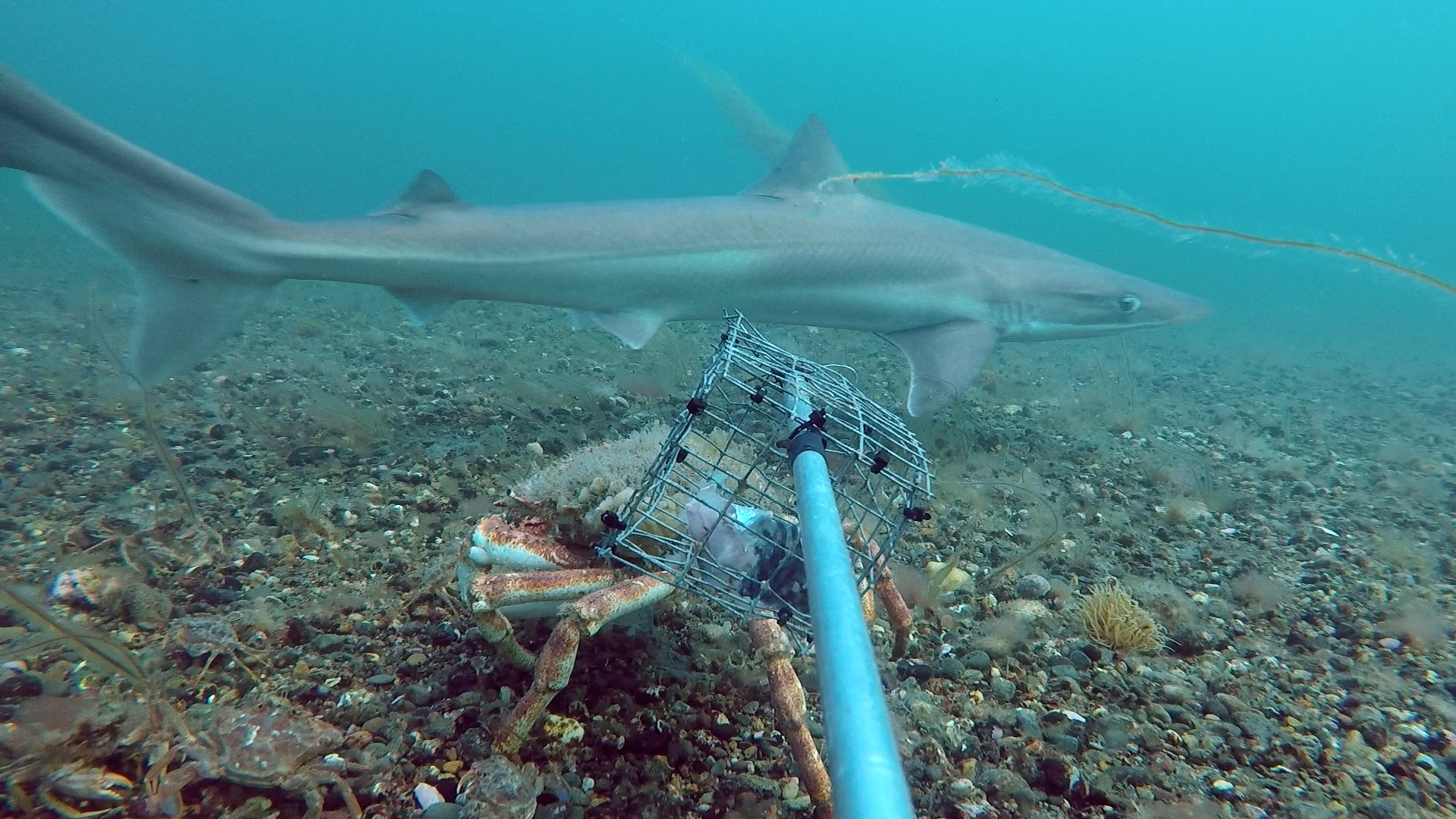
The tope shark, listed as critically endangered on the IUCN Red List, can grow to nearly two metres in length, yet remains largely invisible to the public despite living in some of the UK’s most heavily trafficked coastal waters.
Facing sustained pressure from overfishing, bycatch, habitat loss and wider environmental change, tope populations have declined significantly across their global range.
The new project, led by Professor of Marine Zoology Gordon Watson, will use acoustic tracking technology to follow the movements of tope sharks around the south coast, building a detailed picture of where the species feeds, breeds and spends its time – evidence that researchers hope will directly inform future conservation and management.
“Top predators such as sharks play a vital role in maintaining healthy marine ecosystems,” said Professor Watson. “If we lose these predators, the balance of the food web changes. This project will help us understand where tope sharks are spending their time, the habitats they rely on, and how we can better protect them in the future.”
The research will focus on the Solent and surrounding waters — an area more commonly associated with shipping and recreational boating than shark conservation, but one that provides important habitat for a range of marine wildlife that often goes unnoticed.
“The Solent is often thought of as one of the busiest stretches of water in the UK, but it is also home to remarkable wildlife,” said Professor Watson. “Many people don’t realise that these large sharks are found here and understanding how they use these waters will help ensure they remain part of our marine environment for generations to come. No need to worry if you see one though as despite their impressive size, tope sharks pose little threat to humans and are known to avoid people.”

In other news
The project will combine acoustic tracking with citizen science, building on the University’s existing CAST – Citizen Angler Science Together – initiative, which works with recreational anglers to collect scientific data through catch-and-release competitions. That combination, the researchers argue, will produce one of the most comprehensive accounts yet of how tope use UK coastal waters.
The tope grant is among 130 projects across England to receive funding through Natural England’s Species Recovery Programme, launched this week as part of the government’s Wild Again: Restoring England’s Wildlife initiative.
The programme targets 364 threatened species – from birds to beetles, moths to mammals, spiders to snails and sharks to seahorses – and represents a total government commitment of £90 million, comprising £60 million from Defra over the next three years and a further £30 million dedicated to species recovery on the national forest estate.
Over the past three decades, Natural England claims, the Species Recovery Programme has helped protect more than 1,000 species and prevented the national extinction of at least 35.
Environment Secretary Emma Reynolds framed the investment as a response to a crisis that has been building for decades. “Nearly one in six species in Britain are threatened with extinction and this Government is taking action to reverse that decline,” she said.
“Through the largest-ever investment in species recovery, we are backing projects across the country to protect threatened wildlife, restore habitats and secure the future of some of England’s most iconic species.”
Natural England Chair Tony Juniper pointed to what the programme’s track record shows is possible when science and partnership are properly resourced. “For decades Natural England’s vital species recovery work has revealed how even the rarest of the rare can be brought back from the brink.
“We know that good science and effective partnerships can help restore species to favourable status, and this funding will enable us to support many initiatives to help halt and reverse the decline of our wonderful wildlife.”
Professor Watson will work alongside co-principal investigators Dr Ian Hendy from the University of Portsmouth, Professor Kieran Hyder from Cefas, and Ross Honey from Angling Spirit. The tope research sits within a broader programme of marine species work at Portsmouth, which also covers stingrays, harbour porpoises and native oysters.


"*" indicates required fields
Printed editions
Current issue
Back issues


Enjoy so much more from Oceanographic Magazine by becoming a subscriber.
A range of subscription options are available.
