Critical estuarine species are plagued by car tyre microplastics
Tyre particles were first identified as a pollutant some 50 years ago, back in the 1970s yet it's only now - with an estimated 6 million tonnes entering the global environment each year - the scale of the problem is drawing renewed scientific scrutiny.

In a stark reminder that microplastic pollution comes in many forms, research from Plymouth Marine Laboratory and the University of Exeter has revealed that tiny particles shed from car tyres are not only sticking to, but also being eaten by, key estuarine species.
Formed through the constant abrasion of car tyres on roads, these minuscule pollutants are a complex mix of synthetic and natural rubber, laced with a cocktail of industrial chemicals, trace metals and volatile organics and antioxidants. While designed to increase car tyre durability and road performance, increasingly are car tyres being recognised for their insidious environmental footprint.
Tyre particles were first identified as a pollutant some 50 years ago, back in the 1970s yet it’s only now – with an estimated 6 million tonnes entering the global environment each year – the scale of the problem is drawing renewed scientific scrutiny.
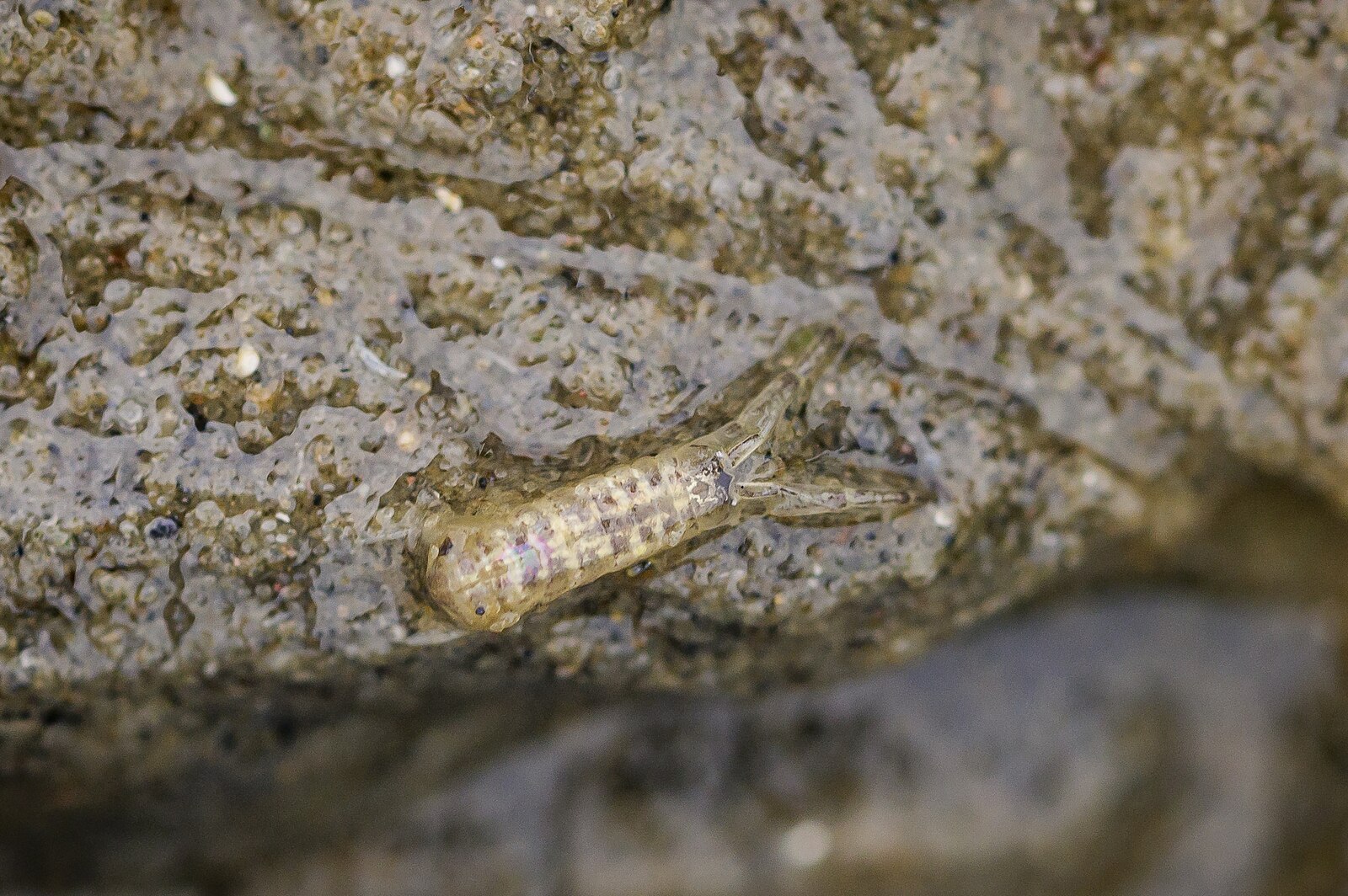
The new study, published this week, focused on Corophium volutator – a small, shrimp-like crustacean that plays a vital role in estuarine food webs. Researchers exposed these benthic animals to environmentally relevant concentrations of tyre particles to observe how they interact.
The findings were unsettling:
-
Sticking power: The particles adhered readily to the crustaceans’ bodies—particularly their antennae and feeding limbs—raising concerns about long-term interference with feeding and mobility.
-
Two ways to ingest: Whether filtering from the water or scavenging on the sediment, the animals ingested tyre particles through both feeding strategies. Notably, suspension feeders consumed 20 times more than deposit feeders.
-
Passing through: Particles were later found in the animals’ faeces, confirming they can pass through digestive systems – and potentially re-enter the ecosystem via sediment.
In other news




Most alarming, however, was the size of the particles consumed. The majority measured under 64 microns (roughly the width of a human hair) raising concerns around an even deeper biological intrusion. Such small particles may be capable of moving beyond the gut wall, entering tissues or causing internal blockages that impair feeding.
Charlotte Woodhouse, lead author and PhD researcher at Plymouth Marine Laboratory and the University of Exeter, emphasised the ecological implications: “Our study shows tyre particles are not only widespread in estuarine habitats but are readily ingested by ecologically important species. Because Corophium is a crucial food source for fish and birds, this raises wider concerns about how tyre pollution may move through estuarine food webs.”
Though the long-term impacts remain unclear, earlier studies have linked tyre particle exposure to reduced growth, reproduction and survival in marine organisms.
This research is among the first to directly examine how estuarine animals physically interact with tyre microplastics, adding urgent weight to calls for better regulation of non-traditional plastic pollutants.
As marine plastic awareness continues to grow, this study serves as a sobering reminder that some of the most harmful particles may come not from packaging or fishing gear – but from the roads we drive every day.
“This research provides important new evidence of how benthic (seafloor-dwelling) organisms are directly exposed to tyre pollution in estuarine and coastal ecosystems,” said Woodhouse.
The full study – ‘Comparison of the Uptake of Tyre Particles via Suspension and Surface Deposit Feeding in the Estuarine Amphipod Corophium volutator’ – has now been published in the scientific journal, Environmental Science & Technology.


"*" indicates required fields
Printed editions
Current issue
Back issues
Enjoy so much more from Oceanographic Magazine by becoming a subscriber.
A range of subscription options are available.
