5.3 million year old whale graveyard discovered in the deep sea
The site is the deepest and largest whale fall site to have ever been recorded, and may be teeming life entirely new to science.
An enormous whale graveyard which dates back 5.3 million years has been found on the seafloor of the southeastern Indian Ocean.
The site is record breaking in both its size and the depth it is at. Researchers found five active whale falls and 485 whale fossil sites at depths ranging from 4,616 to 7,001 meters. Previously, most recorded whale falls were found at depths of less than 4,000 meters, with the deepest active site at 4,204 meters in the southwest Atlantic.
The deep-sea site, referred to as a “whale necropolis”, was found by researchers from China, New Zealand and Italy while they were researching a 1,200-kilometres stretch of the Diamantina Zone in the Indian Ocean. Their findings were published in the journal Nature.
Using a submersible, the researcher made 32 trips to the site. There they collected samples and documented that there were nearly 760 whale carcasses per square kilometre. Applying that data to the whole Diamantina Zone suggests that the area may contain more than 10 million whale carcasses.
According to the journal Nature, the site is full of organisms and species that ‘may be new to science’
Researchers have already made some exciting new discoveries on these dives. They found a 5.3 million year old beaked Pterocetus benguelae fossilised skull in one of the graves. Their largest discovery was a five-metre long Antarctic minke whale’s carcass.
The team also discovered a new species which the team has called Pterocetus diamantinae – after the site.
Alongside the discovery of new species, the graveyard also constitutes a new, unknown large carbon sink; calculations suggest that it holds roughly 6.7 million tons of carbon.

In other news
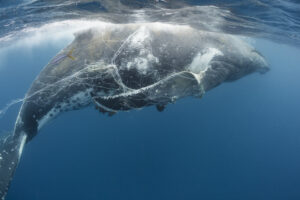

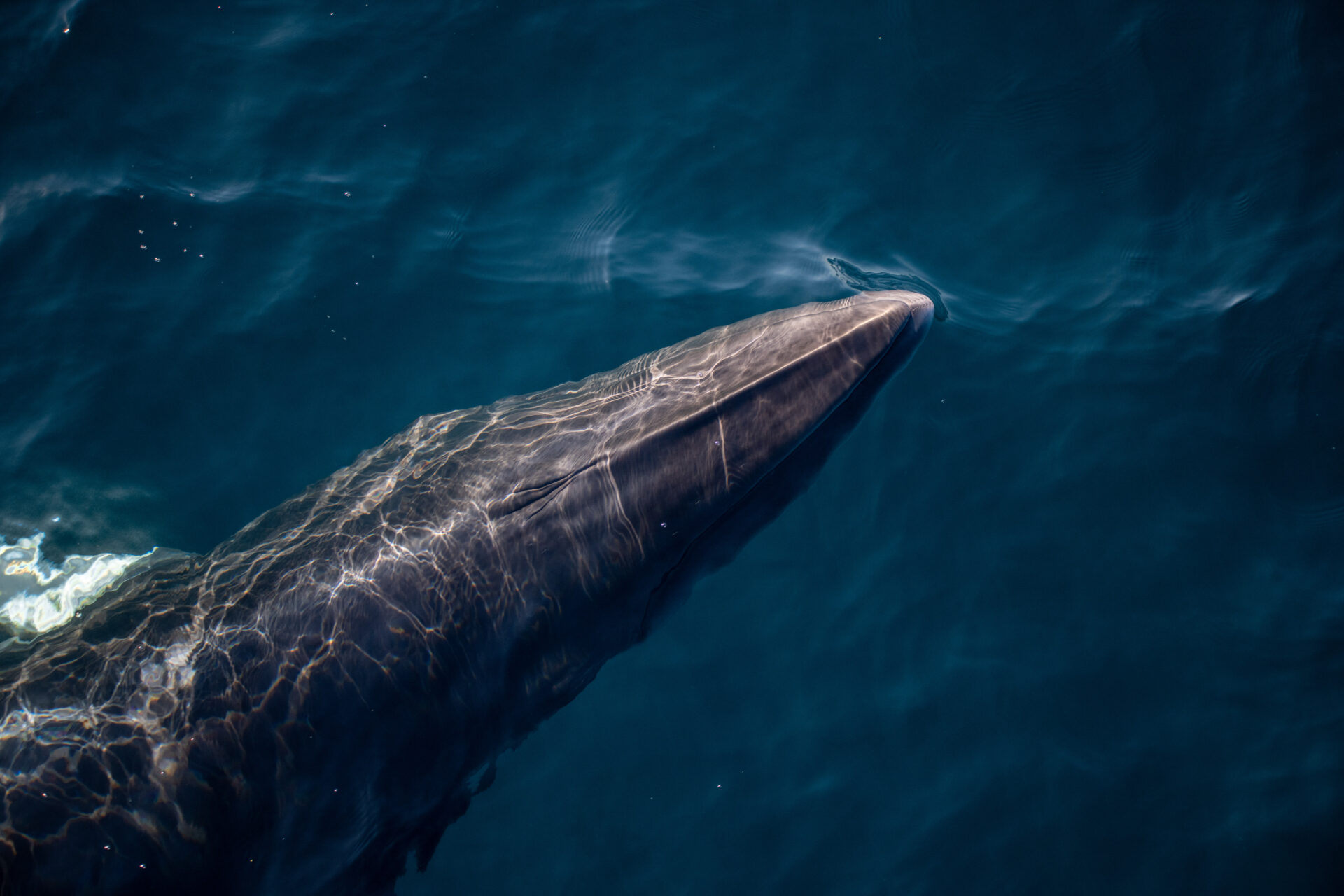
Researchers have attributed the high concentration of carcasses researchers to several reasons. Firstly, the area is a foraging spot for beaked whales, secondly the V-shape of the area’s underwater topography funnels carcasses onto the trench floor, and finally the environmental conditions allow whale bones to remain exposed – rather than being covered in sediment – which allows them to be preserved more easily.
Sea stars, jellyfish, bone-eating worms and crustaceans are among the community of creatures who have made themselves at home in this “necropolis”.
Stephen J Godfrey of the Calvert Marine Museum in the US described the graveyard as “a truly unique discovery”.
He wrote that it: “Seems likely to hold many other exciting finds, and it will no doubt inspire more submersible dives in similar environments.”
“Peng and colleagues’ paper reminded me of a trailer for the first in a series of epic movies. I hope that there will be many more of these blockbusters to come,” he added.


"*" indicates required fields
Printed editions
Current issue
Back issues
Enjoy so much more from Oceanographic Magazine by becoming a subscriber.
A range of subscription options are available.
