Trump tears up protections across three Pacific marine monuments
The Trump administration has revoked fishing protections across three Pacific marine national monuments, exposing some of the world's most biodiverse and culturally significant ocean habitats to commercial longlining and purse seining.
The Trump administration has signed a proclamation reopening nearly 500,000 square miles of previously protected federal waters to commercial fishing, rolling back conservation measures across three marine national monuments in the Pacific.
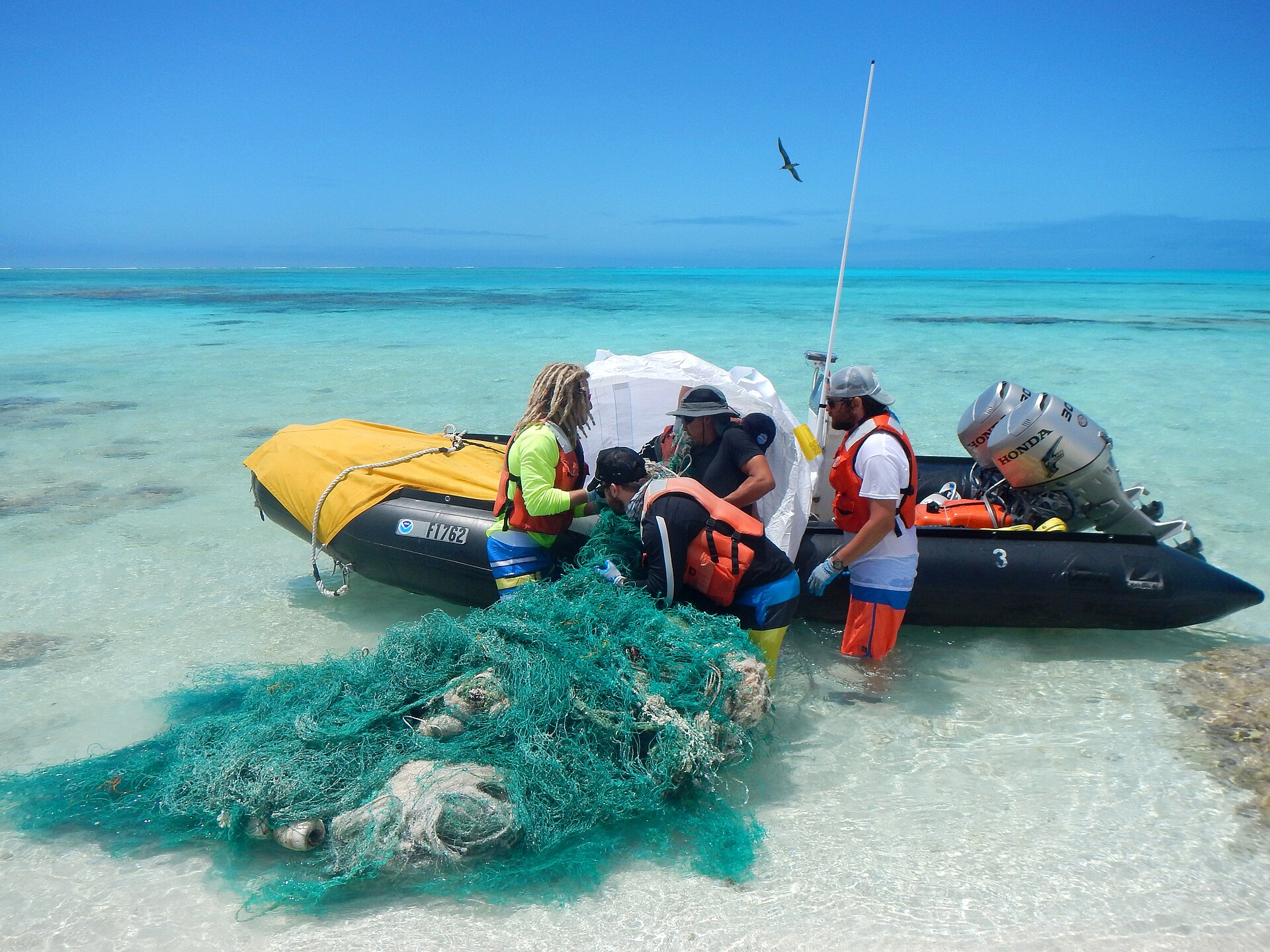
The move revokes protections in the Mau and Ho’omalu Zones of Papahānaumokuākea Marine National Monument, the Islands Unit of the Mariana Trench Marine National Monument, and the Rose Atoll Marine National Monument – areas established to safeguard some of the most ecologically sensitive and culturally significant ocean habitats under US jurisdiction.
It is the third such action by the Trump administration. Commercial fishing was previously reopened in the Northeast Canyons and Seamounts monument in February 2026 and the Pacific Islands Heritage Marine National Monument in April 2025.
A federal court has since ruled that commercial fishing cannot legally continue in the Pacific Islands Heritage monument, and a separate legal challenge – arguing that the president has no authority to abolish or diminish national monuments established by a prior president – is currently underway.
The monuments now targeted for reopening are among the most biodiverse marine environments in the US. Papahānaumokuākea is home to more than 7,000 marine species, over a quarter of which are endemic to Hawaiʻi and more than 31 of which are already listed as threatened or endangered. Rose Atoll, located in American Samoa and known locally as Nu’u O Manu’ – Village of Seabirds – hosts approximately 97% of American Samoa’s entire seabird population.
The Mariana Trench Marine National Monument encompasses nearly a quarter of a million square kilometres of federal waters, including the deepest undersea ecosystem on the planet.
The fishing methods likely to be permitted – longlining and purse seining – carry significant bycatch risks. In 2015, the last year commercial fishing was allowed in the Papahānaumokuākea expansion area, the Hawaiʻi longline fleet caught 7,800 sharks, discarding more than 99% of them.
Conservation groups have responded with alarm.

In other words

“The Trump administration is dismantling our marine national monuments without public debate,” said Dr Miriam Goldstein, Executive Director of the National Ocean Protection Coalition. “These marine monuments are the ocean’s equivalent of our national parks – places that benefit marine life and cultural heritage and are too important to risk for short-term gain. When we treat protected areas as just another place for industrial activity, we risk undermining those benefits for future generations.”
For Indigenous communities in the Pacific, the stakes extend beyond ecology. Angelo Villagomez, Ocean Lead at the America the Beautiful for All Coalition, said the decision amounted to an assault on cultural heritage.
“These rollbacks are another move by the Trump administration to sell out America’s natural resources for industry profit. In addition to opening up protected areas in the Pacific to industrial fishing fleets, the administration also wants to allow seabed mineral exploration across the waters of the US territories and Alaska, despite overwhelming opposition from local governments, scientists, and Indigenous communities,” said Villagomez.
“I’m a native of the Marianas, and this action feels like a direct attack on cultural heritage and the fragile ecosystems of a treasured resource that was previously reserved for the Chamorro and Refaluwasch people.”
Sheila Sarhangi, Executive Director of the Pacific Islands Heritage and Papahānaumokuākea Coalitions, said the decision exposed globally significant ecosystems to irreversible harm. “The Trump administration is green-lighting harmful commercial fishing on some of the planet’s most pristine, biodiverse ocean ecosystems. These wild areas are protected refuges for threatened and endangered species, creatures found nowhere else on Earth, and areas of cultural significance for Indigenous Pacific Islanders.”
Marine national monuments are designated under the Antiquities Act of 1906, a law that has been used by 18 presidents – nine Democrat, nine Republican – to protect more than 160 national monuments. Critics of the administration’s approach argue that opening these areas to industrial fishing undermines the legal and ecological foundation of the monument system, and that more effective support for US fishers would come through strengthening enforcement against illegal fishing, improving stock assessments and investing in climate-adaptive fisheries management – not by dismantling protections for the ocean’s most sensitive places.
In October 2025, 53 organisations, 234 scientists and more than 16,000 individuals submitted public comments urging the administration to maintain strong protections for marine national monuments.


"*" indicates required fields
Printed editions
Current issue
Back issues

Enjoy so much more from Oceanographic Magazine by becoming a subscriber.
A range of subscription options are available.
