Dolphins increasingly reliant on trawler bycatch in overfished Adriatic
A new study warns of risky behaviour as dolphins trail up to three-quarters of commercial fishing vessels, a dramatic surge from just 10% in the 1990s.
Dolphins in the fish-depleted waters of the Adriatic sea in the Mediterranean are scavenging for food by trailing bottom-trawlers, a new study suggests.
The study run by Dolphin Biology and Conservation monitored trawlers offshore near Veneto and Marche in Italy in 2018 – 2024. They found that dolphins trailed 76% of otter trawlers in the Marche area, compared to 26% of vessels in the Veneto region.
Intensive bottom trawling has taken place in the region for decades, meaning fish populations in these areas are severely over-exploited and many of the apex predators that used to live in this region are no longer present there.
“Long-term, consistent, and deliberate association with trawlers suggests a high degree of reliance on that fishery,” said Dr Giovanni Bearzi, the president of Dolphin Biology and Conservation, Italy, and the lead author of the article.
“While dolphins would still need to forage independently when trawling does not occur, on days of trawling they forage predominantly near trawl nets,” he added.
Between 2018 and 2024 the team surveyed in Veneto, and in 2025 they surveyed in Marche, carrying out a total of 859 inspections of trawlers over 148 days. During this process, they photographed the dolphins to identify individual animals. They then analysed this data, looking for differences in dolphin behavior between the two regions and across different types of trawler.
Dolphins have always followed fisher boats to forage for food, but the increasing proportion of trawlers trailed by dolphins suggests this behaviour flags a steep decline in natural prey available elsewhere in the region.
A previous study found in the Adriatic in the 1990s found that only 10% of trawlers were followed by dolphins.

In other news
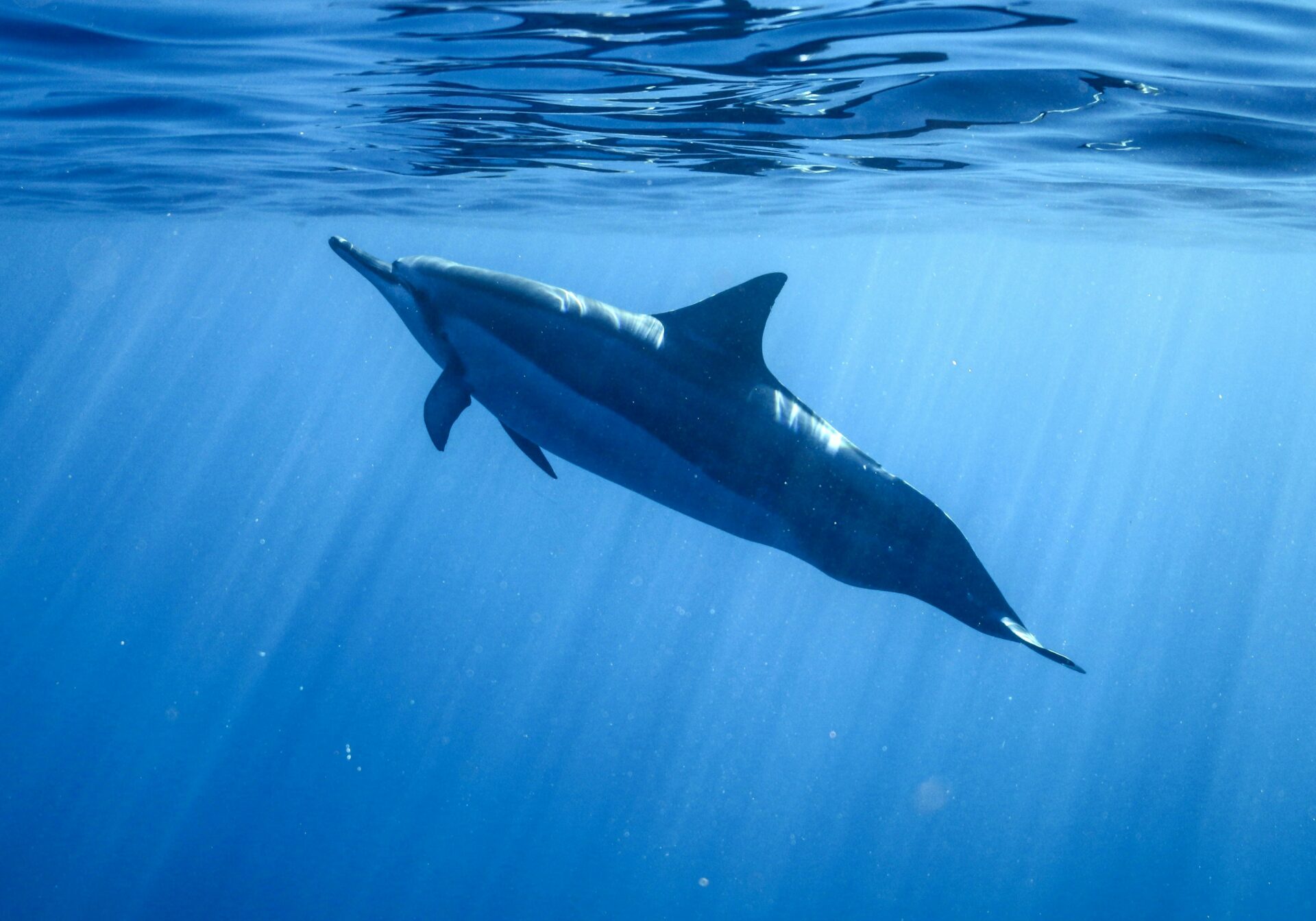
Following trawlers can also impact dolphins’ physical and social wellbeing. Bottlenose dolphins are occasionally injured or killed by trawl gear, and foraging from these ships can also disturb their diet, social organisation and communication – the noise from the boats can cause hearing damage.
“It is risky behaviour. However, finding sufficient prey away from trawlers in an overfished sea may be too difficult. It appears that for these animals, taking the risks is better than going hungry,” said Dr Randall Reeves, the senior author of the study and the Chairman of the Committee of Scientific Advisors at the US Marine Mammal Commission.
Looking forward researchers emphasised that bottlenose dolphins are resilient, and that a reduction in trawling or an outright ban would allow the broader ecosystem to recover, and dolphins would adapt and thrive as they used to before trawling.
“We advocate conservation action to protect a rich diversity of species,” said Bearzi. “As trawlers have been causing profound damage to Adriatic ecosystems, their continued use is inadvisable, not only to protect dolphins but also to conserve marine biodiversity more generally.”


"*" indicates required fields
Printed editions
Current issue
Back issues


Enjoy so much more from Oceanographic Magazine by becoming a subscriber.
A range of subscription options are available.
