“We don’t know how bad this is going to get”: seabirds starving due to marine heatwave
Scientists and volunteers reported a spike in dead seabirds on the Californian shore, which they suspect is due to an intense marine heatwave in the area.
A prolonged marine heatwave and a looming El Niño have created a starvation crisis for California’s seabirds, and scientists warn the worst may be yet to come.
For decades, networks of scientists and dedicated volunteers have combed California’s beaches, conducting monthly surveys of washed-up marine life. These long-term counts established a vital ecological baseline, allowing experts to quickly spot when something goes wrong in the Pacific ecosystem.
Along the coast, volunteers are increasingly finding the bodies of starved seabirds, including loons, grebes, and California brown pelicans.
In an interview with the Associated Press, Russell, a postdoctoral researcher at UC San Diego’s Scripps Institution of Oceanography, described witnessing cormorants walking onto the sand and dying within fifteen minutes.
Researchers have said the phenomenon is now stretching across the entire state coastline.
The cause is thought to be an intense marine heatwave. According to data from the National Oceanic and Atmospheric Administration (NOAA), this warm-water anomaly has lingered off the West Coast for over a year, marking only the third time in recorded history that such an event has persisted for this long.
When ocean surface temperatures spike, it disrupts the entire marine food chain. Cold-water species like krill, anchovies, and sardines, the primary food source for coastal birds, flee the surface to seek refuge in deeper, cooler currents. This leaves surface-feeding seabirds stranded without a food supply.

In other news
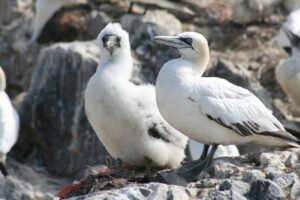

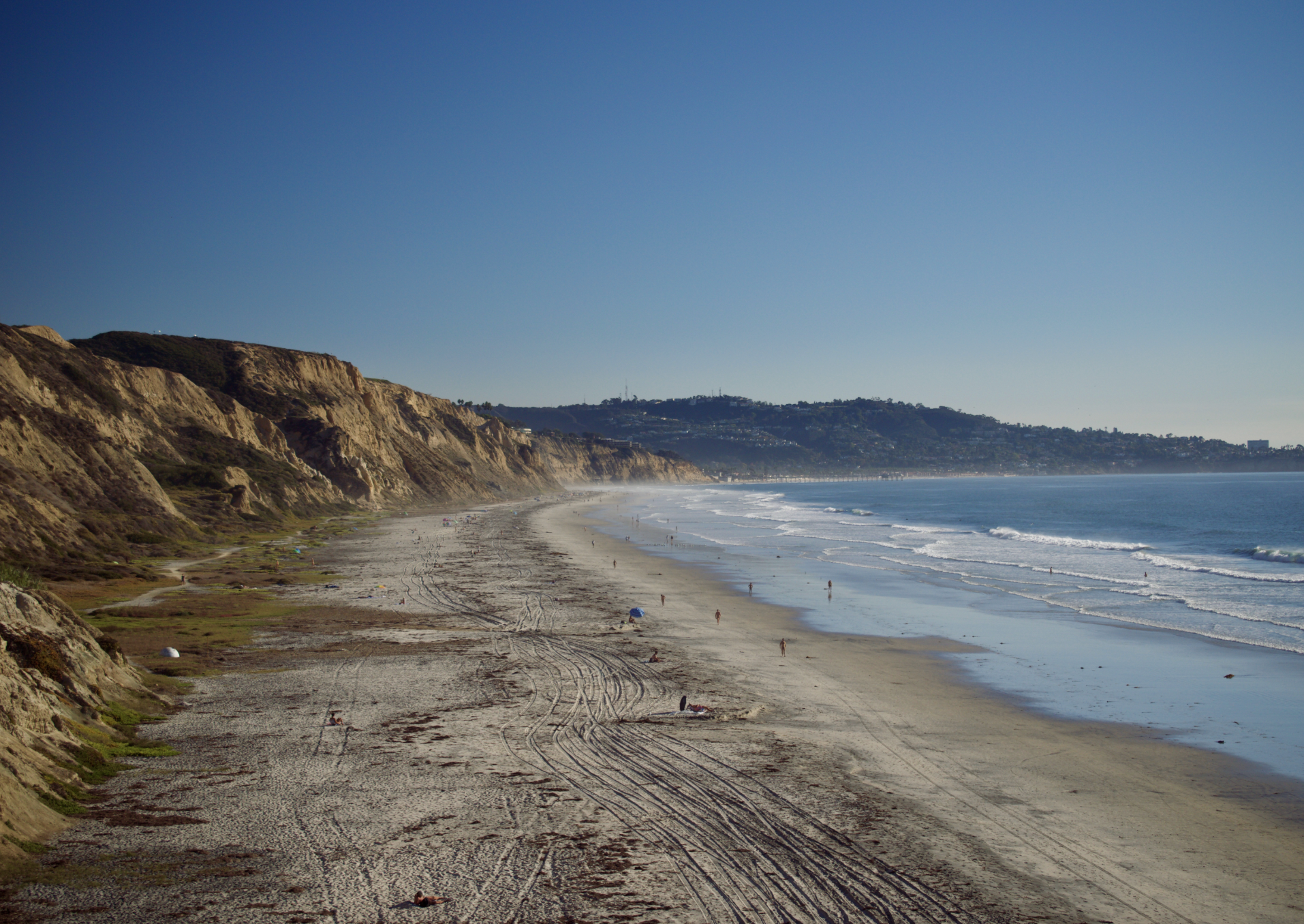
To cope with the famine, birds begin to exhibit desperate behaviours, like flying far inland to lakes, while others risk their lives trailing commercial fishing boats.
Russell noted that five different species of boobies, which typically thrive only in much warmer tropical waters, have moved north into California, signalling just how drastically ocean temperatures have shifted.
The California Department of Fish and Wildlife confirmed that the recovered carcasses have tested negative for avian influenza. Instead, necropsies primarily revealed diseases directly associated with severe malnutrition.
Krysta Rogers, a senior environmental scientist for the state, suggested to the AP that a highly successful 2025 breeding season naturally resulted in a high population of young birds, meaning a certain level of juvenile mortality is to be expected.
However, because the birds washing ashore include mature adults alongside juveniles, scientists agree that the marine heatwave is largely behind the mass starvation.
In 2013, an infamous marine heatwave known as “The Blob” collided with a powerful El Niño cycle. The result was the most devastating mass seabird die-off ever documented.
According to a 2024 study published in Science, that event claimed the lives of roughly 4 million common murres, more than half of the Alaskan population, a species that still has not fully recovered today.
More worryingly, the bodies found on the beaches represent only a tiny fraction of the actual death toll, as most birds die at sea and sink. The El Niño is also forecast to intensify, which would push ocean temperatures even higher, meaning these early recordings could be the start of a much larger problem.
Looking at the warming waters ahead, the sentiment among coastal researchers remains grim.
As Russell summarised to the AP: “We don’t know how bad this is going to get.”


"*" indicates required fields
Printed editions
Current issue
Back issues


Enjoy so much more from Oceanographic Magazine by becoming a subscriber.
A range of subscription options are available.
