EU ramps up ocean observation as US scales back
The EU Commission’s new “Ocean Eye” programme aims to be the leading global observation system by 2035, but it pales in comparison to the US’s soon-to-be-dismantled network.
Last week, the European Commission launched the “Ocean Eye” programme, pitching it as the new global repository for free, democratic climate data in the wake of sweeping US cuts to ocean research.
The new initiative aims to provide 35% of the global ocean observation system by 2035, positioning Europe as a global leader in ocean intelligence.
Its establishment stands in stark contrast to the Trump administration’s sweeping cuts to the National Oceanic and Atmospheric Administration (NOAA), the removal of the National Science Foundation’s (NSF) independent board, and the recent dismantling of a nearly $370 million ocean-floor observatory network. This recent push to expand deep-sea mining and loosen fishing regulations has heavily alarmed ocean scientists and climate experts.
The US-funded Ocean Observatories Initiative (OOI) was installed a decade ago to collect critical global climate data on coastal environments, marine ecosystems, and powerful ocean currents like the Atlantic Meridional Overturning Circulation (AMOC). Its closure closely follows policy laid out in the Heritage Foundation’s Project 2025 “Mandate for Leadership” document – a 900-page blueprint designed specifically for the Trump presidency.
In contrast, Europe’s new ocean observing system will collect data to help inform environmental policy, predict and mitigate the impacts of climate change, enhance the competitiveness of the EU’s economic activities at sea and to contribute to maritime security.
“With ‘OceanEye’, Europe will lead the race to understand our ocean, to protect it, and to sustainably harness its potential,” said Ursula von der Leyen, President of the European Commission. “This is about using science and good governance to understand our ocean and secure our future.”

In other news





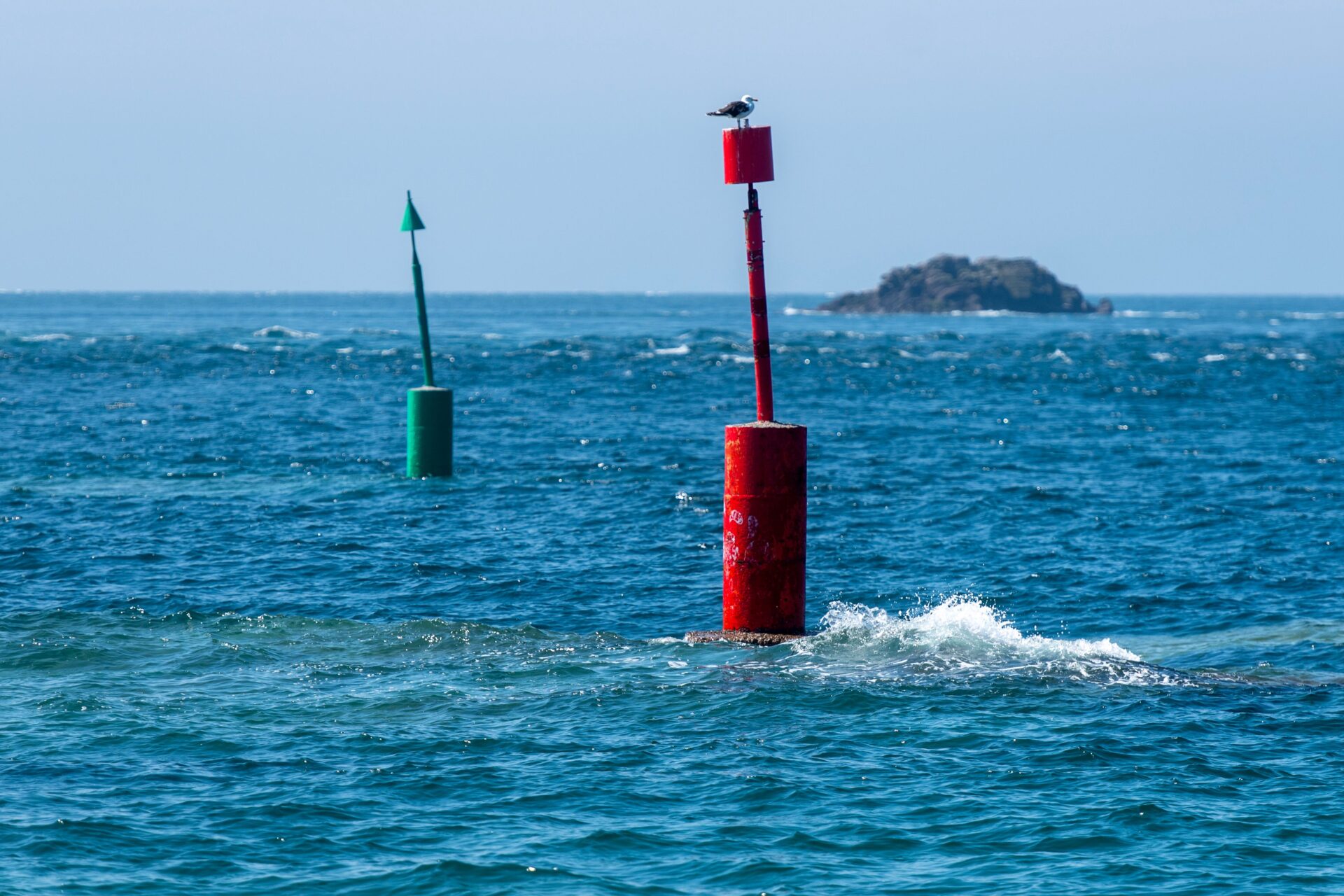
The Ocean Eye network will gather its data using a mix of deep-sea sensors, satellite imagery, and autonomous marine robots. However, with investment currently totalling just $92 million, Ocean Eye is set to be significantly smaller than its former American counterpart.
The US scaling back its ocean observation network is “deeply concerning for our ability to understand a system [the ocean] which is already under immense strain,” according to Professor Helen Findlay.
Researchers have noted that the $370 million US network was a uniquely equitable, open-source data resource. It allowed scientists at smaller universities without million-dollar research vessels to access world-class, continuous deep-sea telemetry for free.
The EU is calling on other countries to pitch into ocean monitoring, emphasising the global stakes of ocean data.
“Due to the complicated nature of ocean observation, no single country or region can observe the ocean alone. This must be a global effort with diplomacy at its forefront,” said Costas Kadis, the European Commissioner for Oceans, speaking at the Neptune Forum on ocean exploration and diplomacy in Paris on Monday.


"*" indicates required fields
Printed editions
Current issue
Back issues



Enjoy so much more from Oceanographic Magazine by becoming a subscriber.
A range of subscription options are available.
