Deep-sea mining talks end without a framework... again
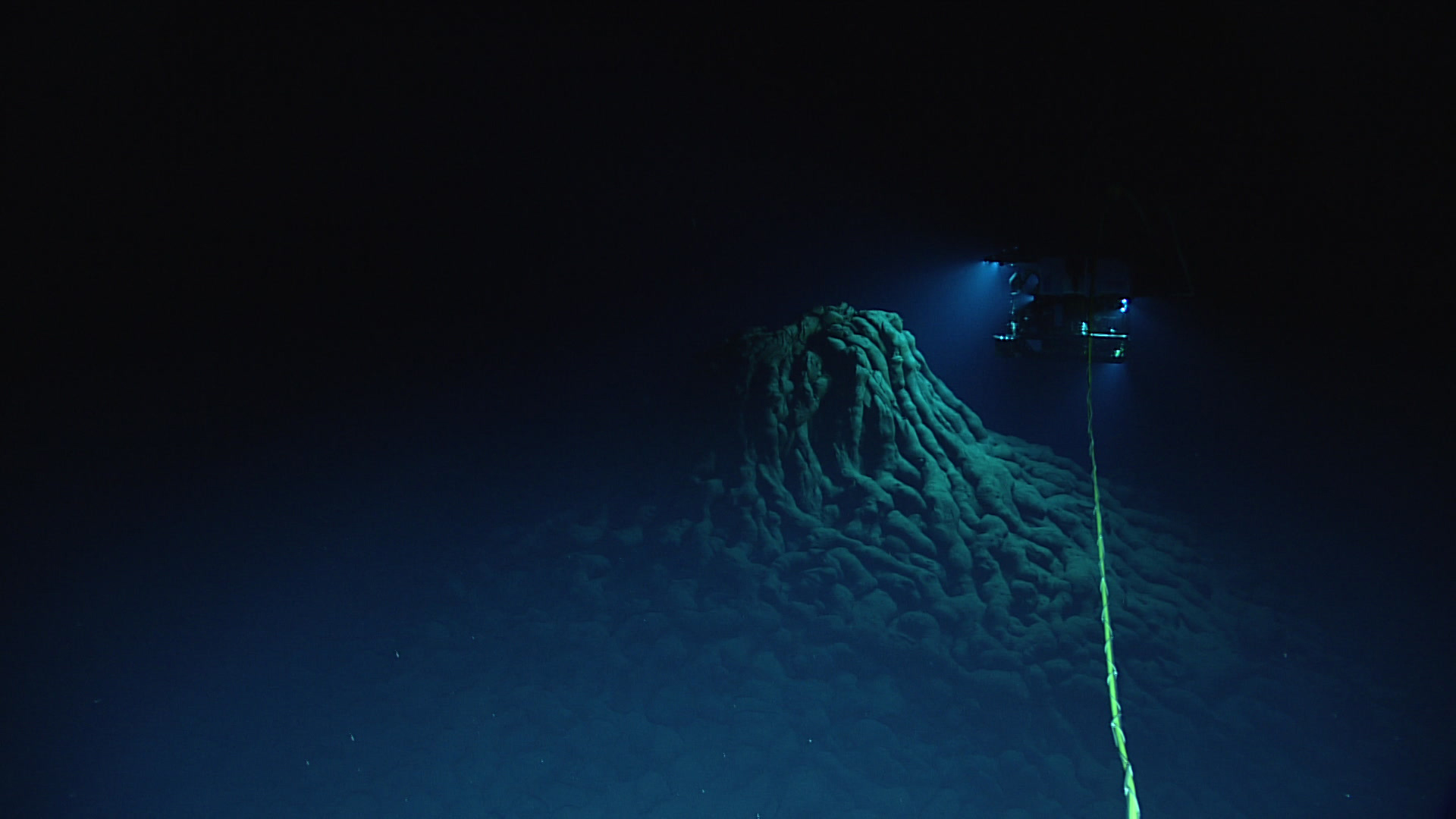
ISA Council negotiations have concluded with the deep-sea mining regulatory framework still incomplete and scientific gaps unresolved, as conservation groups call on 43 governments already supporting a moratorium to push for formal action at the ISA Assembly.
Two weeks of negotiations at the International Seabed Authority have concluded with the regulatory framework for deep-sea mining no closer to completion and the scientific, legal and governance arguments for a moratorium stronger than when talks began.
The ISA Council session – which ended this week – was marked by a series of developments that conservation groups and legal observers say collectively ‘point in one direction’. The ISA’s own Legal and Technical Commission highlighted significant gaps in the science and baseline data needed to establish reliable environmental thresholds for deep-sea mining.
Key components of the wider regulatory framework – including standards and guidelines, benefit-sharing regulations and other governance measures – remain either unfinished or yet to be substantially negotiated.
The Mining Code itself continues to be negotiated, with no resolution in sight.
The session took place against the backdrop of a significant legal development. An international tribunal had just ruled against a mining contractor that had tried to block the ISA’s own investigation into whether it had broken the rules – meaning that investigation can now proceed.
During the session, the Council voted to extend the exploration contract of Nauru Ocean Resources Inc, but governments were careful to stress that renewing the contract was ‘not a sign of approval’ for how the company had behaved, and that the outcome of the investigation remained entirely open.
Nauru Ocean Resources Inc is publicly linked to The Metals Company, a US firm that has been attempting to mine the international seabed without going through the ISA process – an act that is widely considered to be illegal under international law.
That attempt to sidestep the system was a recurring concern throughout the Council session, with governments warning that allowing companies to bypass the ISA framework would undermine one of the foundational principles of international ocean law: that the deep seabed, and its resources, belong to all of humanity.

In other news





“Over the past two weeks, governments have been presented with more evidence that it would be dangerous to allow deep-sea mining to start under the current conditions,” said Sofia Tsenikli, Global Campaign Director of the Deep Sea Conservation Coalition.
“The science is not there. The compliance inquiry is ongoing. The regulatory and governance framework remains absent. Unlawful mining attempts continue unchallenged by States and the International Seabed Authority. None of these points towards deep-sea mining. It points towards precaution. It points toward a moratorium. States’ inaction is in itself a threat to our common heritage; time to act now.”
The DSCC’s Policy Advisor, Emma Wilson, said the ITLOS ruling represented a step forward but that the ISA’s response to contractor non-compliance had exposed deeper institutional weaknesses.
“The ITLOS orders mean the inquiry can now move forward. However, the decisions of this week show the Authority once again hindered by its outdated processes to move swiftly on companies breaking international law,” she said. “By delaying action on unlawful mining, the ISA is undermining confidence in its ability to regulate the industry. If it cannot enforce the rules, it cannot manage exploitation. Meanwhile, governments must take action now to prevent their own companies and nationals from facilitating unilateral deep-sea mining in any way.”
Duncan Currie, DSCC Legal Advisor, said the moment now called for governments to move from statements to action. “Governments have spoken repeatedly about defending the common heritage of humankind, but words alone will not protect it. States now need to show that they are prepared to stand up to companies seeking to undermine the international system. The Law of the Sea Convention requires nothing less. Forty-three governments already support a moratorium or precautionary pause. The Assembly is an opportunity for others to join them.”
The ISA Assembly – the body’s plenary decision-making forum – now provides the next opportunity for governments to act. The DSCC is calling on states to back a moratorium as the multilateral response needed to protect the common heritage of humankind, defend international law and deter further attempts to mine the international seabed outside the frameworks designed to govern it.


"*" indicates required fields
Printed editions
Current issue
Back issues


Enjoy so much more from Oceanographic Magazine by becoming a subscriber.
A range of subscription options are available.
