Report uses Norway’s official data to expose ‘humane’ whaling claims
Whale and Dolphin Conservation analysis shows widespread welfare failures, including prolonged deaths and the slaughter of pregnant whales, as domestic demand stands at near-zero.
Norway kills more whales every year than Iceland or Japan combined, yet the practice has received limited international scrutiny.
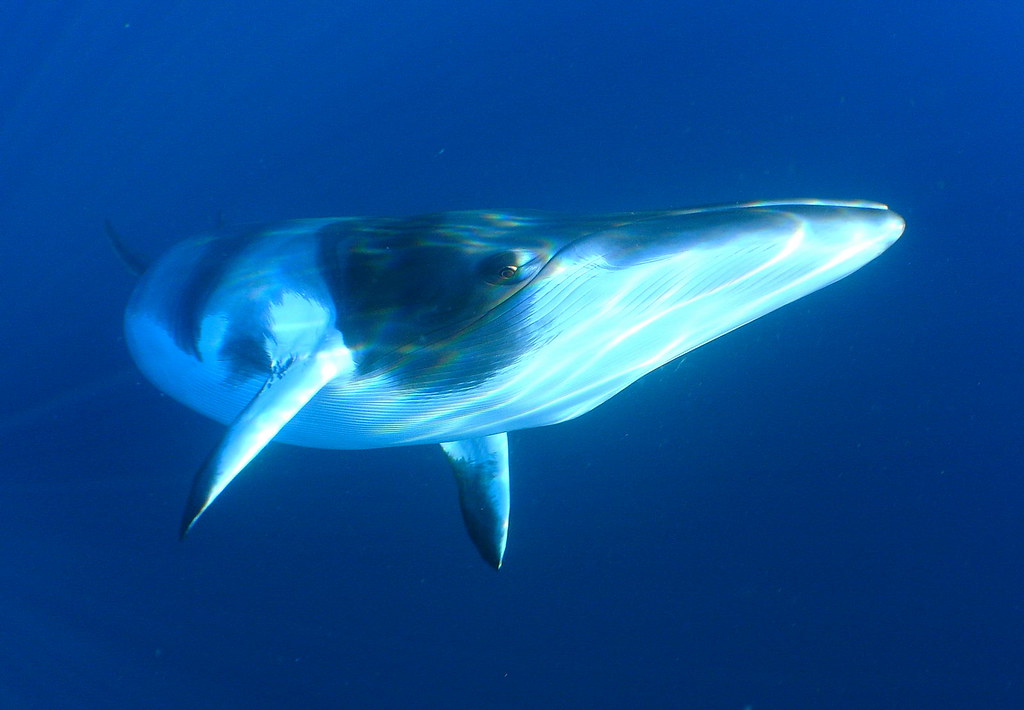
In 2026, the Minister of Fisheries, Marianne Sivertsen Næss, stated: “To achieve the UN Sustainable Development Goals, we must also eat more seafood, and whaling provides healthy, locally sourced food. Norwegian whaling is sustainable, strictly regulated, and the minke whale population is in very good health. Norway uses efficient and animal-welfare-friendly hunting methods.”
However, a new report from Whale and Dolphin Conservation (WDC) has used official Norwegian whaling data to challenge this claim, and draw attention to the ecological and animal harm caused by whaling.
WDC’s findings suggest that whaling is not humane according to animal welfare standards, that their quotas are not scientifically or socially justified according to consumer demand and ecological impact, and that independent observers are not present on vessels to help regulate the hunt.
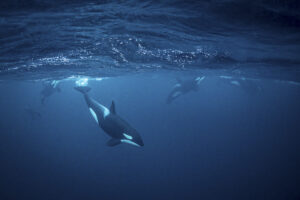
By looking at current whaling data, the report has found that whales killed – as a median – take six minutes to die while some whales take 20-25 minutes to die after the initial harpoon strike. It was found that 52% of the female whales killed were also pregnant.
In livestock slaughterhouses, regulations require animals to be rendered unconscious instantly – within milliseconds – before slaughter.
A median time of six minutes means 50% of the animals that survived the initial blast experienced a prolonged period of suffering, a metric that would be illegal in any terrestrial food industry.
Analysing the ‘shot-to-kill’ ratio, the report also shows that for every 1.23 shots, only one whale was killed, meaning at least 23% more shots were fired than whales killed – 491 extra shots in total. Crucially, official data shows that 28 whales were struck by harpoons and not recovered.
A whale struck by a harpoon but not captured will almost certainly die later from its injuries or drown, meaning the true death toll of the whaling operation is much higher than the official count.

In other news



Additionally these figures, the report points out, are also likely to be an underestimation since there is no routine independent monitoring in Norway as data is self-reported and only records events that are observed and reported by the whaling crew.
Luke McMillan, WDC’s head of hunting and captivity said this lack of monitoring obscures public and international understanding of the hunts.
“In Iceland the hunts are monitored, and welfare issues investigated. The whales also landed at the Hvalfjörður whaling station and winched up the slipway in the open air, so people can see the horrors of the hunt because there are photographs of whales with harpoon wounds, and pregnant mothers next to their extracted calf,” he told Oceanographic.
“Norway’s hunt happens out at sea, the hunts aren’t monitored, and the suffering of whales cannot be seen,” McMillan added.
The report goes on to suggest that whaling quotas – the number of whales authorised to be hunted and killed in Norway – are mismanaged. In fact, the number of whales allowed to be killed each year has risen, despite demand being near-zero in Norway and only 45% of this quota being fulfilled.
Whales are critical to ocean health; they increase vertical mixing, and their faeces helps fertilise plankton, which in turn captures vast amounts of CO2. Removing these animals from the ecosystem hinders this process.
Consumption of whale meat has declined to negligible levels in Norway, particularly among younger generations with only around 1% of Norwegians eating it regularly. A clear majority of Norwegians also now regard key welfare outcomes, including non-instantaneous death and the killing of pregnant animals, as unacceptable.
In light of the report, WDC is demanding greater transparency from the Norwegian government when it comes to whaling.
“We want to see independent observers or remote electronic monitoring on every whaling vessel and publish what they find. Everything Norway says about this hunt being humane rests on data supplied by the people doing the hunting. Until that changes, we only have their word for it,” said McMillan.


"*" indicates required fields
Printed editions
Current issue
Back issues
Enjoy so much more from Oceanographic Magazine by becoming a subscriber.
A range of subscription options are available.
