Fifty years of science still can't tell us the cost of deep-sea mining
A Natural History Museum-led review of 200+ scientific reports finds that deep-sea mining poses significant but poorly understood risks to abyssal and hydrothermal vent ecosystems - with recovery timescales spanning decades.
The race to mine the deep ocean is accelerating. Driven by demand for critical metals needed to power the global transition to green technology, numerous countries and companies have turned their attention to the seafloor – largely unexplored frontier holding reserves of cobalt, copper, gold and polymetallic nodules. What remains far less understood is what extracting those minerals would do to the ecosystems found in the depths.
A new review, led by Professor Adrian Glover of the Natural History Museum and published in Current Biology, combed through more than 200 published and unpublished reports spanning over five decades of research. The conclusions are sobering and not only for what the science reveals, but for what it still cannot tell us.
“It is surprising that such a major environmental issue has not yet been comprehensively reviewed in the scientific literature,” said Professor Glover. “Over the course of two years we reviewed more than 200 published and unpublished reports on the environmental impacts of deep-sea mining with a focus on studies of the baseline biodiversity in the regions targeted, and experimental work that measured the actual impacts of mining tests.”
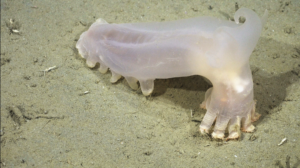
The deep sea covers more than half of Earth’s surface, making it the planet’s largest and least understood environment. The abyssal plains – regions of vast, silty expanses stretching for thousands of kilometres at depths exceeding 3,000 metres – support polychaete worms, crustaceans, echinoderms and sponges, many never formally described by science. Hydrothermal vents, scattered across the seafloor, sustain dense communities of tube worms, crabs, shrimps and snails in ecosystems that exist entirely without sunlight.
At the same time, abyssal plains are littered with polymetallic nodules, while hydrothermal vents are encrusted with cobalt, gold and copper – making the deep seafloor an increasingly attractive target for the mining industry.

In other news


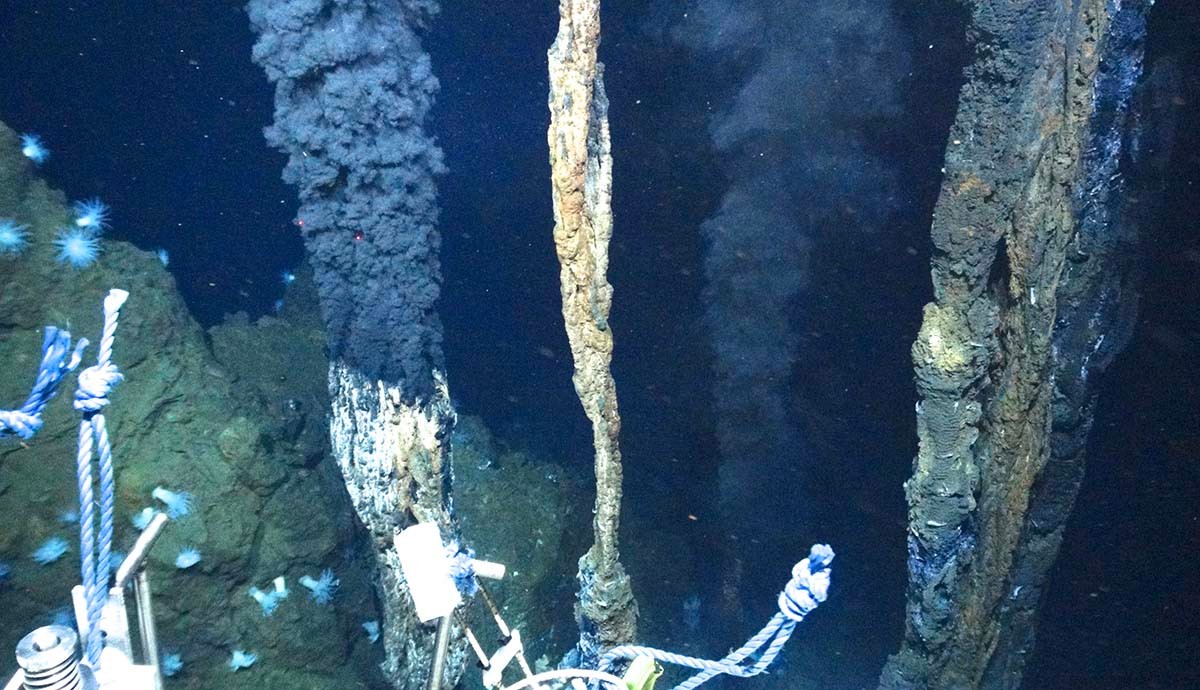
While mining will inevitably lead to a loss of biodiversity in the immediate region affected, the recovery of the two environments significantly differs. There’s evidence – for example – that the abyssal plains could recover to a certain extent, but the picture is less clear for the vents.
“An important distinction we highlight is the difference between mining polymetallic nodules, hydrothermal vents and seamounts,” said Professor Glover.
“These systems could not be more different. Active vents and seamounts host extraordinary ecosystems rich in unique species, and it is clear that major disturbance at these sites would not be scientifically compatible with policy on biodiversity that almost all nations have already agreed to.”
For the abyssal plains, evidence from experimental mining tests suggests that while disturbance causes immediate harm, some recovery may be possible – though across timescales measured in decades. A protected area system covering 30% of the primary nodule mining zone has already been established by the international regulator.
“For nodule mining, some simple scientific steps would help to resolve the risk of biodiversity loss, which is still mostly unknown. For example, supported by our scientific community, the regulator has already set up a protected area system that covers 30% of the main targeted region,” says Professor Glover.
For hydrothermal vents, the picture is far less clear. The review finds that almost nothing is known about the impacts of mining on vent ecosystems – a significant knowledge gap given the irreplaceable nature of these habitats.
The debate over whether deep-sea mining should be permitted – in regions that frequently fall outside national jurisdiction – continues at governmental and diplomatic levels.
What this review makes clear is that the scientific community is not yet equipped to resolve it. The data points to consequences that are real and long-lasting. Until the knowledge gaps are filled, the true cost of mining the deep ocean remains unknown.


"*" indicates required fields
Printed editions
Current issue
Back issues




Enjoy so much more from Oceanographic Magazine by becoming a subscriber.
A range of subscription options are available.
