Fishing 72% higher inside EU marine protected areas than outside
The European Court of Auditors finds only 1 per cent of EU marine waters are strictly protected and fishing is 72 per cent higher inside Natura 2000 sites, as COP17 debates 30x30.
A damning report from the European Court of Auditors has shown a raft of failures to protect the EU’s Marine Protected Areas, finding that just one per cent of EU marine waters are strictly protected and that fishing activity is higher inside of many of them that outside of them.
The ECA is the EU’s independent external auditor and financial watchdog and the authority charged with casting a discerning eye over the EU’s 30 x 30 ambition.
It found that as of 2023, only 13.7% of EU waters were designated with any level of protection. The EU’s 30×30 targets aim for 30 per cent protected and 10 per cent strictly protected. Auditors say ambitions are unlikely to be met.
Fishing – in particular bottom trawling – remains the main threat to protected areas. The report finds that fishing activity is on average 72% higher inside marine Natura 2000 sites than outside of them. It also finds that funding is fragmented and insufficient for long-term management, monitoring, and enforcement.
The report has landed in the middle of COP17, the UN ‘biodiversity COP’ in Yerevan, where EU leaders are stressing the urgency of delivering 30×30, the global ambition to protect 30% of the ocean by the year 2030.
The MPA Legal Coalition, an alliance of environmental groups that includes ClientEarth, Blue Marine Foundation, Environmental Justice Foundation, Oceana, and Seas at Risk, warns that Europe’s global credibility is at stake. In a statement, the coalition, said: “Our oceans are in a terrifying state of decline. We can have all the pledges in the world to protect and restore them, but they mean nothing if those protections exist only on paper.
“Despite the suite of commitments from EU leaders in recent years, the ECA’s report shows the ever-widening gulf between rhetoric, and the reality in the sea. In Europe, the solution is clear – we need to apply and enforce the laws we have already.”

In other news


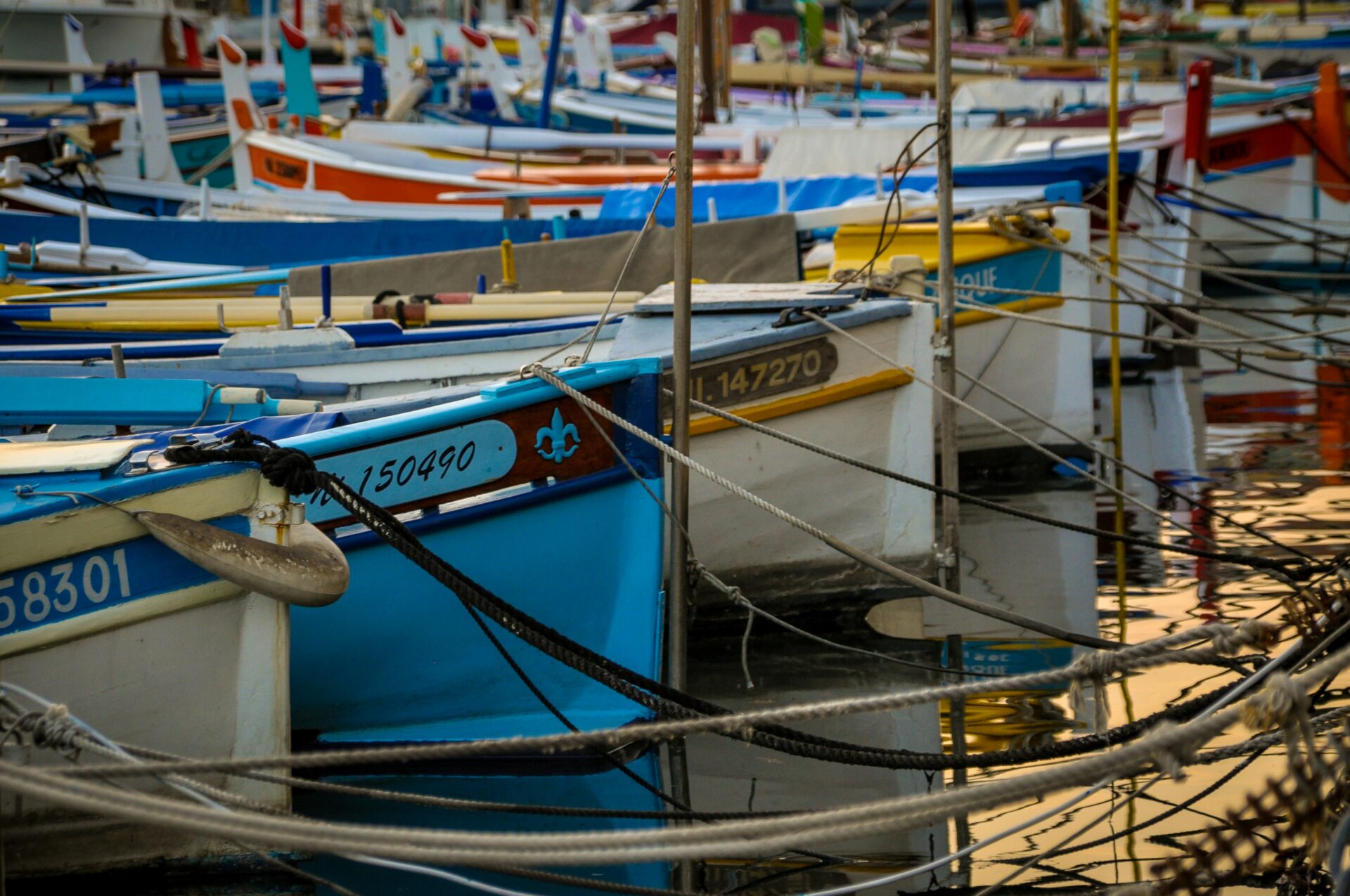
Many MPAs across Europe remain open to destructive fishing practices such as bottom trawling, and the coalition is pursuing strategic litigation to close what it calls the ocean “enforcement gap”.
Recent rulings include in the Netherlands when – in May this year – the District Court of The Hague ruled that Dutch bottom trawlers could not fish in the Dogger Bank Natura 2000 site without a permit and an environmental assessment.
In France, this June, the Administrative Court of Rouen ordered stronger protection for seabed habitats within the three-nautical-mile coastal zone of the Bancs des Flandres Natura 2000 site.
Finally, in Spain, coalition members are challenging the continued issuing of bottom-trawling licences in MPAs without prior environmental assessments.
The coalition is now calling on the Commission to launch infringement proceedings against EU countries that continue to allow destructive activities in Natura 2000 MPAs, and for the next EU budget to ringfence adequate funding for the marine Natura 2000 network.
It also wants the forthcoming European Ocean Act to set out clear responsibilities, enforceable obligations and robust monitoring and accountability for delivering the EU’s marine protection commitments. These include protecting 30 per cent of EU seas by 2030 and strengthening delivery of good environmental status under the Marine Strategy Framework Directive.
A key aim of COP17 is to assess global progress on the Global Biodiversity Framework (GBF), adopted at COP15 in 2022, of which 30×30 is part (Target 3). The latest UN progress report says the ambitions will not be achieved by the 2030 deadline unless action “accelerates rapidly”, with nations currently falling short on 22 of 23 nature targets, which cover restoring ecosystems, increasing nature finance and reducing harmful subsidies.


"*" indicates required fields
Printed editions
Current issue
Back issues
Enjoy so much more from Oceanographic Magazine by becoming a subscriber.
A range of subscription options are available.