Global leaders gather in Kenya for historic Our Ocean summit
As the global summit lands on African soil for the first time in Mombasa, leaders are set to tackle blue finance gaps, fisheries transparency, paper parks and High Seas Treaty enforcement.
The Our Ocean conference opens tomorrow in Kenya, bringing together governments, NGOs, businesses, and academics to address pressing ocean issues like climate change, biodiversity loss, food security and pollution.
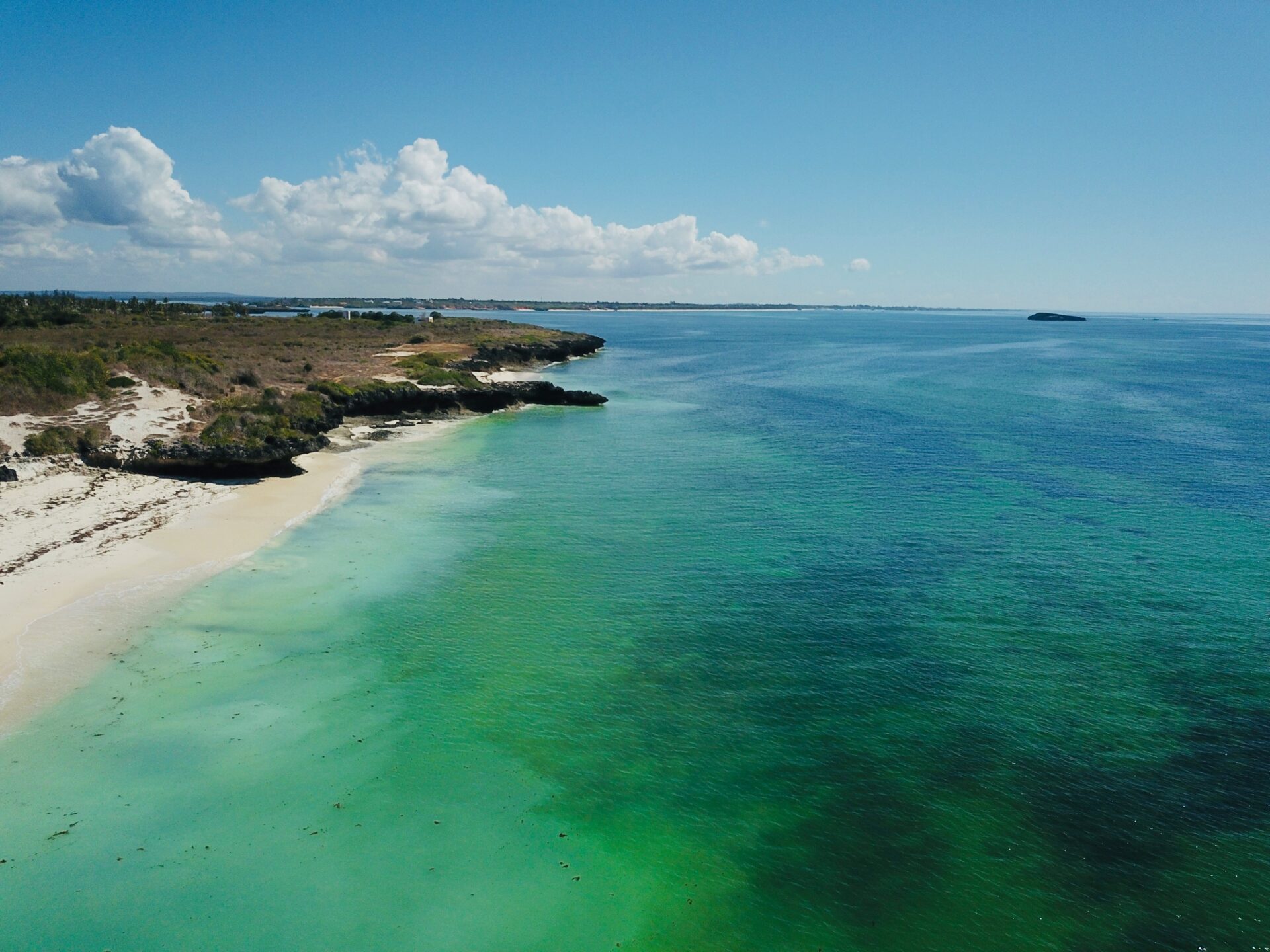
The conference is taking place in the north Kenyan city Mombasa, making it the first time the conference will be hosted on African soil. Guided by the theme “Our Ocean, Our Heritage, Our Future”. There is a definite focus on how to move conversation towards concrete solutions, accountability and delivery of targets.
Launched in 2014 by then US Secretary of State John Kerry to fill a critical gap in global ocean governance, the summit has evolved into a premier diplomatic arena. This week, over 100 delegates from Africa, US, the European Union, and climate-vulnerable island nations from the Caribbean and the Pacific landed on the Swahili Coast. For the first time, the numbers from African delegates will dominate with representatives from neighbouring countries flying in from Kenya, Tanzania, Senegal and South Africa.
The world has committed to protecting 30% of the ocean by 2030, as the 2026 Our Ocean conference convenes over the halfway mark of this “critical decade,” many existing Marine Protected Areas (MPAs) are still criticised as “paper parks” – protected on paper, but entirely unmanaged in reality. The conference is expected to tackle questions around how we create new parks, and improve governance in existing MPAs.
Frontline civil society organisations, like Center for International Environmental Law, have launched a major push calling out what they term the “Fossil Fuel Blind Spot” of ocean governance. They are actively demanding that the Mombasa plenaries address the root causes of ocean warming, oil and gas expansion, rather than just negotiating its financial symptoms.
The High Seas Treaty or BBNJ will also be taking centre stage at this Our Ocean conference.
Having entered into force in January 2026 following ratification by 60 countries, the treaty is expected to dominate discussions in Mombasa. The High Seas Alliance and major African nations like Senegal and South Africa are set to host sessions on how to pressure remaining UN states into ratifying the treaty ahead of the first Ocean COP later this year.
In other news

Delegates will be debating: which areas beyond national borders should be considered high priority in becoming a High Seas Marine Protected Area; the stringency of Environmental Impact Assessments – particularly in light of recent deep-sea mining developments; and African nations are demanding strict enforcement of the treaty’s benefit-sharing mechanism.
Since 2014, the Our Ocean Conference has driven global action to protect marine environments, with over $169 billion pledged and 2,900 commitments worldwide.
However, according to the World Resource Institute, only 54% of all pledged finance goes toward massive “ocean-climate action” projects (like large-scale offshore wind or international research initiatives), which are heavily centered in the Global North.
While the African Union (AU) projects the continent’s ocean economy is to exceed $400 billion by 2030, the continent still only receives a tiny fraction of global philanthropy. Illegal, unregulated, and unreported (IUU) fishing alone drains Africa of $11 billion to $13 billion every single year, according to data tracked by UNESCO’s Intergovernmental Oceanographic Commission (IOC).
Delegates in Mombasa will therefore be zeroing in on how to restructure “Blue Finance” to move past an over-reliance on traditional foreign aid.
Of particular interest is scaling up the market for blue bonds, introducing debt-for-nature swaps, and creating localised parametric insurance products – these trigger rapid payouts to small-scale fishers immediately following extreme weather events.
The goal of these new frameworks is to redirect private capital away from destructive practices and channel it directly into local, nature-positive coastal enterprises that support both biodiversity and African livelihoods.
In line with the theme, advocacy groups like Oceana and Blue Ventures are pushing for a major shift for a more localised approach to sustainable fishing. Delegates are looking to scale up participatory governance models. Rather than relying solely on underfunded naval patrols, new initiatives, like the Environmental Justice Foundation’s DASE mobile app, which are training local fishers to use smartphones to upload real-time, geotagged evidence of illegal vessels directly to authorities.
Oceanographic will be hosting daily Roundtable discussions, getting on-the-ground insights from ocean leaders, government officials and campaigners attending the conference. Sign up here to attend the interactive online session, and submit questions to our panelists.


"*" indicates required fields
Printed editions
Current issue
Back issues


Enjoy so much more from Oceanographic Magazine by becoming a subscriber.
A range of subscription options are available.
