Higher toxins in bowhead whale poo sign of warming Arctic ocean
Analysis of 20 years' of data on bowhead whale poo collected by hunters concludes that more toxins - typically derived from warm-water toxic algae species - are entering the Arctic food web as the ocean warms and sea ice depletes.

The one thing you probably learn faster than most in marine biology is that you can tell a lot from whale poo. In the latest example, an analytical study of bowhead whale poo has shown that more toxins now appear to be entering the Arctic food web.
These findings are based on nearly 20 years of bowhead whale poo samples collected by Alaska Native people living on the Beaufort Sea Coast, harvested for subsistence.
The study has concluded that these toxins – those which are typically derived from warm-water toxic algae species – are now entering the Arctic food web as the northern ocean warms and loses its sea ice. The findings from this study – led by a team at the National Oceanic and Atmospheric Administration alongside the University of Alaska Fairbanks – have now been published this week in the scientific journal Nature.
“The results of this long-term project underscore the level and quality of novel, impactful information that results when peoples, coastal Alaskans and urban-based scientists, work as a team to share their diverse backgrounds and expertise toward a common goal – in this case, harmful algae in the Arctic food web,” said Gay Sheffield, one of the study’s co-authors and a UAF Alaska Sea grant Marine Advisory Programme agent based in Nome.
“We had the biology and whale experts, algae and toxin experts, physical oceanographers, climate experts, and community level representatives,” added Rick Thoman, another co-author and a climate specialist at the UAF Alaska Centre for Climate Assessment and Preparedness.
“It enabled questions to be answered that were no one’s speciality.”
More than 200 samples of bowhead whale poo were analysed, all of them collected by hunters during the previous Autumn as part of a monitoring programme led by the North Slope Borough and the Alaska Eskimo Whaling Commission, in collaboration with 11 bowhead whaling communities. According to UAF researchers, the programme tracks baseline data on the whales’ life history and natural diseases, as well as other threats in Arctic waters.
Bowhead whales food mostly on tiny aquatic animals called zooplankton. Since zooplankton ingest algae, bowhead whales are an ideal species for tracking the presence of algal toxins.
In other news


Harmful algal blooms occur when certain species of algae are high in abundance and produce toxins that have harmful effects on wildlife and humans. Increasing algal toxin concentrations could threaten food safety for coastal communities in northern and western Alaska that rely on bowhead whales for their nutritional, cultural, and economic wellbeing.
The use of archived whale poo has allowed scientists to go back in time to better understand harmful algae concentrations over the past 19 years. The study showed that higher algal toxin concentrations in the whale poo were strongly correlated with larger areas of ice-free waters and the resulting warmer ocean temperatures. The study suggests that this is presumably because algae can germinate four to eight times more quickly in the increasingly warmer waters of the Beaufort Sea.
However, wind speed and atmospheric pressure also influenced toxin levels in the zooplankton eaten by bowhead whales. Stronger northeasterly winds were shown to decrease ocean heat in the Beaufort Sea, which lowered algal bloom densities and thus toxin levels. These winds also reduced the algae transported into the region from the more southern Chukchi and Bering seas.
The authors have since warned that as Arctic waters continue to warm and lose sea ice, more warm-water harmful algal species will enter the northern marine food web. They therefore recommend establishing the monitoring of marine wildlife for harmful algal toxic bloom exposure to protect Arctic communities that depend on these resources.
Such monitoring “would also enhance understanding of the conservation concerns associated with toxic bloom exposure in marine wildlife populations.”
Thoman said: “This study serves as a baseline for communities where bowhead whales are culturally and calorically important. The upshot of the paper is there are detectable [algal toxin] levels at this point which we attribute to more open water and sea surface temperatures that are contributing to growth of Alexandrium [algae].”
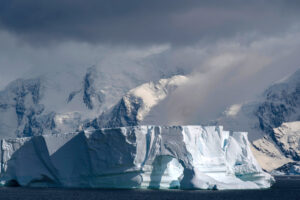
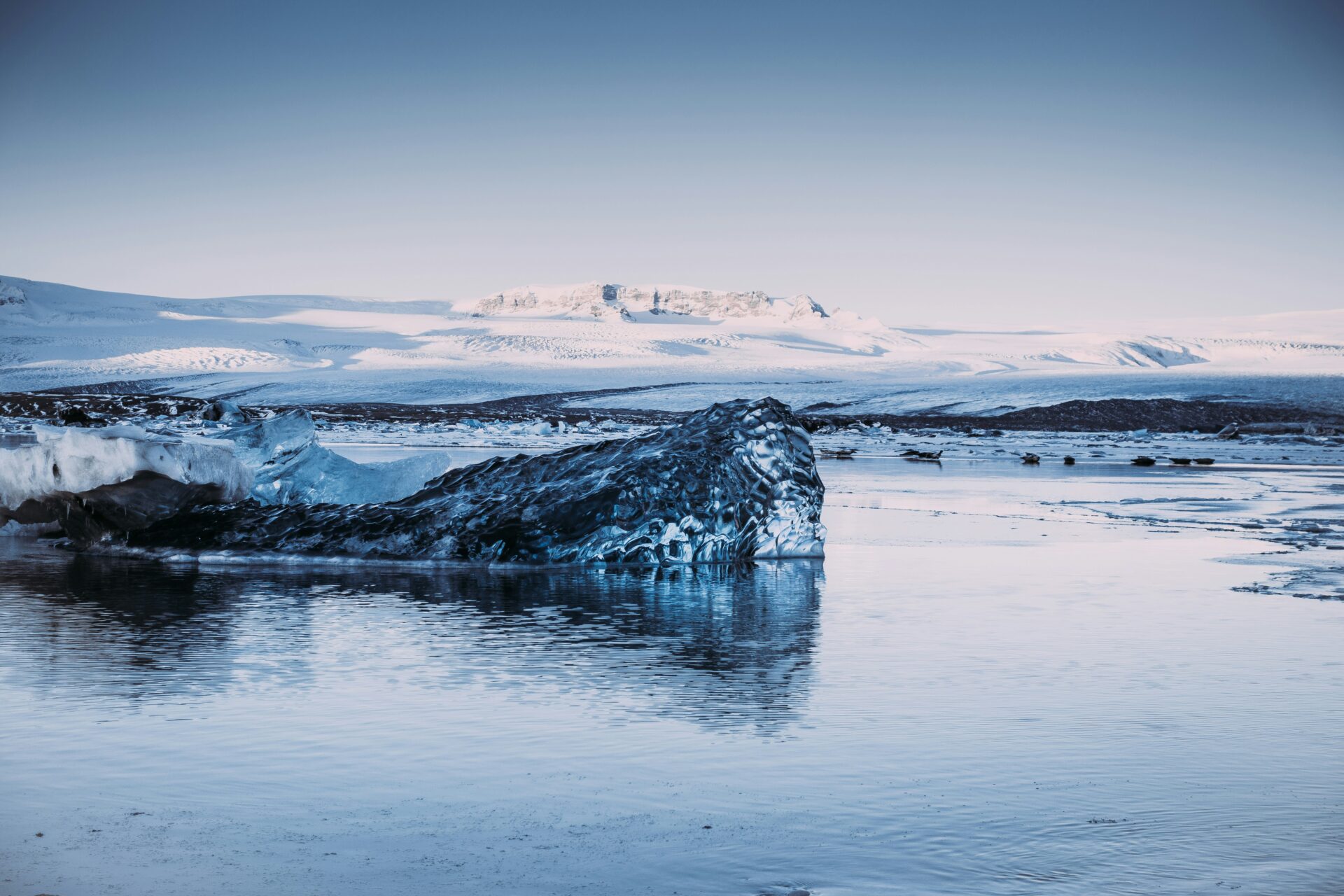
The increase in harmful algal blooms is one of many examples of how declining sea ice and the resulting warming ocean around Alaska are impacting climate, weather, and marine ecosystems.
“The continuing reduction in sea ice quality, quantity, and extent are having a profound effect on the marine ecosystems of the northern Bering, Chukchi, and Beaufort seas,” said Sheffield.
The paper – Bowhead whale faeces link increasing algal toxins in the Arctic to ocean warming – is now published in the scientific journal, Nature.


"*" indicates required fields
Printed editions
Current issue
Back issues
Back Issues
Issue 43 Sir David Attenborough’s ‘Ocean’
Enjoy so much more from Oceanographic Magazine by becoming a subscriber.
A range of subscription options are available.