Microplastics in British seas more than double previous records
New data from the 2000 mile GB Row Challenge reveals a "troubling" surge in plastic concentrations, as advanced sampling methods uncover high volumes of tiny particles previously missed by scientists.
Microplastic pollution in British seas has been found to be more than double what has been previously recorded, according to new data collected in a joint project between the University of Portsmouth and GB Row Challenge.
Data collected in 2024 found there to be an average concentration of 59 microplastics per cubic metre of seawater (59 MP/m³). The levels reported in comparable surveys in 2022 and 2023 were less than half of that number, at averages of 23 and 20 MP/m³ respectively.
In some locations concentrations were significantly higher; the Irish sea had the highest levels of microplastics, with a recording of 418 MP/m³ observed across three years of monitoring.
While the findings represent a substantial change compared to previous measurements, researchers say that other factors, like differences in weather, sea state and samplings potentially could have stirred up microplastics that would have otherwise remained below the surface, in turn affecting the results.
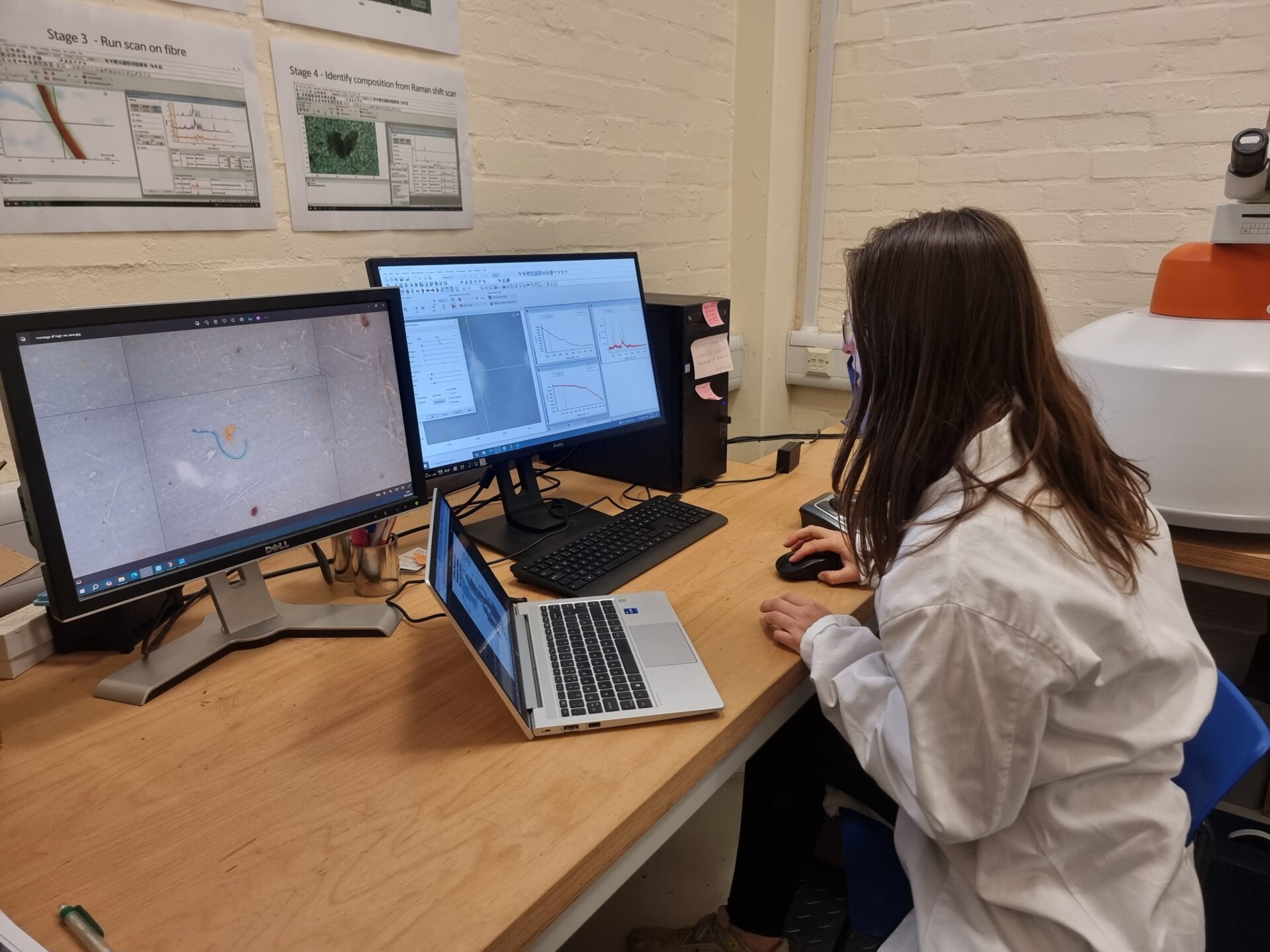
The data was collected during the GB Row Challenge, a 2,000-mile rowing event circumnavigating Great Britain. Two teams of rowers gathered samples while at sea, using specialist equipment to collect data on microplastics, temperature, noise pollution, and biodiversity. The samples were later analysed at the University of Portsmouth using microRaman spectroscopy.
This is the third national report to emerge from the GB Row Challenge, which aims to build a long-term picture of environmental pressures on British coastal waters.
The rowing challenge itself is a gruelling race, and the two participating teams, Coastal Odyssey and Sea Change, endured challenging weather conditions and strong winds along the way.
Team Coastal Odyssey completed the full circumnavigation in 49 days, one hour and 29 minutes, setting a new Guinness World Record for fastest mixed team. They rowed two hours on and two hours off for most of the journey, except for when they had to sit on anchor to wait out bad weather.
Unfortunately, Sea Change had to withdraw, but the environmental samples they collected along the South Coast remain a valuable contribution to the multi-parameter dataset.

In other news


Patrick Deacon, Skipper of Coastal Odyssey, said: “To come away with a Guinness World Record is something we’re incredibly proud of, but what matters just as much is knowing that every mile we rowed helped collect crucial data on the state of Britain’s coastal waters.”
The data from this race and previous races will be hosted on The Crown Estate’s Marine Data Exchange, one of the world’s largest collections of marine industry data, and will be accessible to scientists worldwide.
In the recent 2024 challenge, researchers used ultra-fine filters to analyse the microplastic samples – allowing scientists to capture particles far smaller than those typically detected in earlier national surveys.
Nearly all of the microplastics identified were smaller than 0.3 mm, helping to explain why concentrations appear much higher than figures published in earlier offshore monitoring.
“As our methods improve, we’re getting a clearer and often more troubling picture of what’s actually in the water,” said Laura Fantuzzi, a PhD student at the University of Portsmouth who analysed the data.
“Smaller particles are more abundant and potentially more harmful, because they’re more easily ingested by marine life,” she added.
With this in mind, samples of eDNA to monitor biodiversity are being taken alongside the microplastic samples to determine which species are being exposed to these higher concentrations.
“Ocean pollution remains one of the defining environmental challenges of our generation,” said Professor Couceiro. “Projects like the GB Row Challenge allow us to gather vital data from places that are otherwise difficult to sample, helping us understand not just how much plastic is out there, but how it moves and accumulates.”


"*" indicates required fields
Printed editions
Current issue
Back issues



Enjoy so much more from Oceanographic Magazine by becoming a subscriber.
A range of subscription options are available.
