Less than 1% of Canary Islands waters are fully protected
New analysis reveals that less than one percent of the Canary Islands' waters are fully protected, despite official figures suggesting otherwise - exposing a critical gap between marine conservation targets and real-world delivery.
One of Europe’s most significant marine ecosystems is far less protected than official figures suggest. New analysis by the MPAs Canary Islands project has found that while 21.7% of the waters surrounding the Canary Islands hold designated protected status, the reality on the ground tells a very different story.
Of that protected area, just 11% is actively managed and less than 1% of the archipelago’s waters are fully protected. The report suggests that the vast majority of what is counted as protected – around three quarters of all designated marine protected areas – exists largely on paper, either still only ‘proposed’ or lacking meaningful implementation.
In most cases, the same report has stated, the monitoring, enforcement and restrictions needed to translate designation into genuine protection are absent.
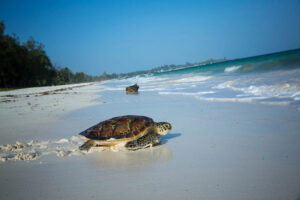
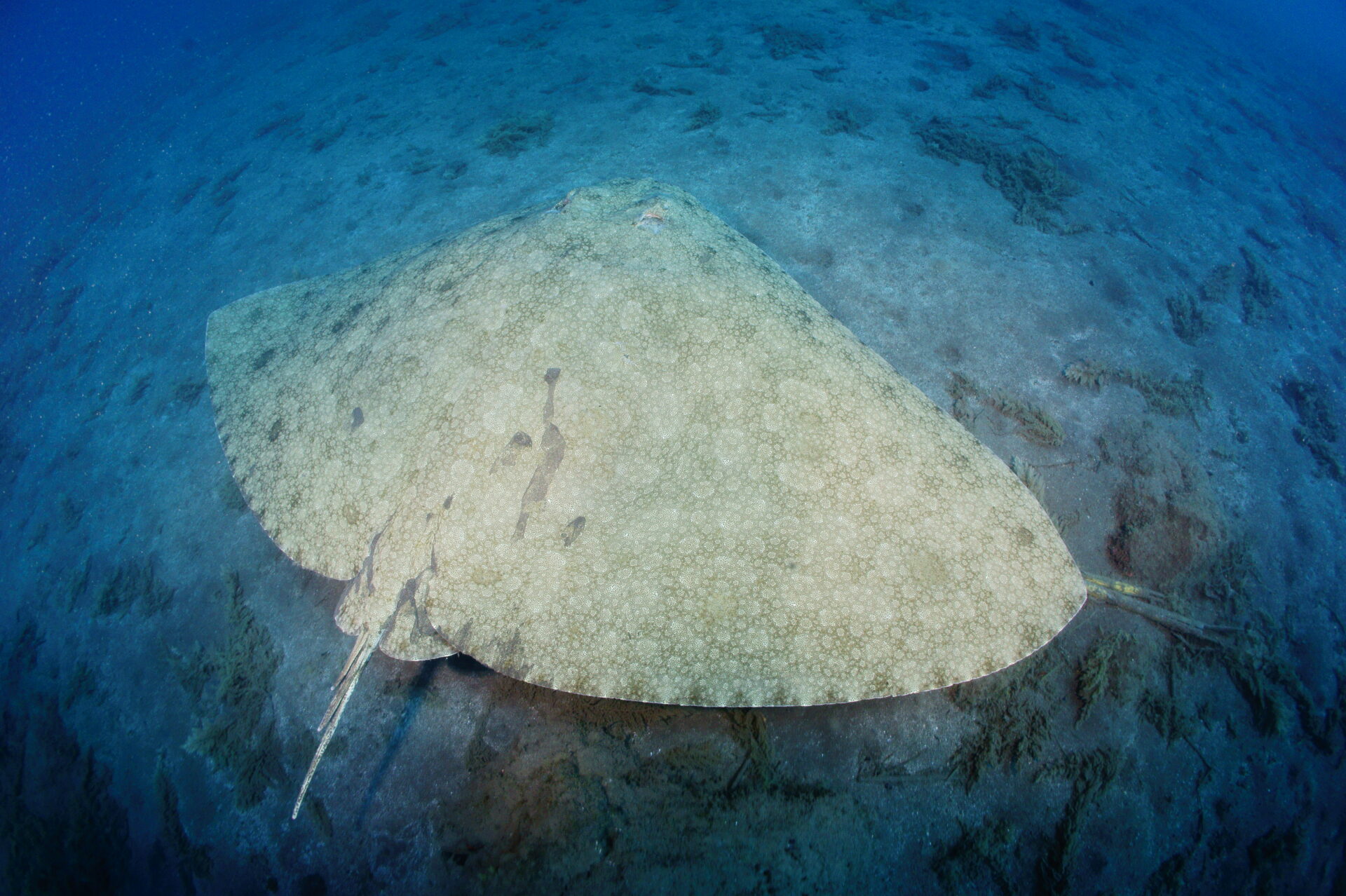
The Canary Islands represent one of the most ecologically significant marine environments in the northeast Atlantic, shaped by a rare convergence of volcanic geology, the Canary Current and Saharan upwellings that generate exceptional habitat diversity. At least 30 species of cetacean and five of the world’s eight sea turtle species have been recorded in these waters, while the archipelago acts as one of the last remaining refuges for the critically endangered angel shark.
Meanwhile, coastal development, pollution, overfishing, invasive species and mass tourism are all bearing down on ecosystems already made vulnerable by climate change. Without effective protection, those pressures continue largely unchecked.
What the report has ultimately identified is a structural problem at the heart of how marine protection is being measured and delivered. Over recent years, the designated area has expanded – largely through the Natura 2000 network and complementary conservation measures – but that expansion has not been matched by the governance, funding, or enforcement capacity needed to make it meaningful.

In other news
As a result, the report has accused management plans across much of the network of being ‘outdated, incomplete, or not implemented at all.’ It’s a network that some researchers have described as that of ‘paper parks’.
“Expanding the area of marine protected areas is not sufficient on its own,” said Eva Meyers, study lead and researcher at the Leibniz Institute for the Analysis of Biodiversity Change. “Their true value depends on effective management, continuous monitoring and evaluation.”
The findings arrive at a pivotal moment for global ocean conservation. Under the Kunming-Montreal Global Biodiversity Framework, Spain – along with more than 190 other countries – has committed to protecting 30% of the ocean by 2030. The Canary Islands are expected to contribute meaningfully to that target, with proposals already in circulation to expand the protected area network further, including potential new national park designations.
But the report makes clear that adding area to a system that cannot manage what it already holds will not deliver the conservation outcomes those commitments are intended to produce.
The researchers are calling for a fundamental shift in how progress is measured – away from the blunt metric of coverage and toward a more demanding standard of effectiveness. Their roadmap prioritises improving governance, updating and implementing management plans, securing sustainable financing and increasing the proportion of waters subject to strict protection.
They also highlight the need for stronger ecological connectivity across the broader region, with better coordination extending to Madeira, the Azores, Cape Verde, Morocco and Mauritania.
The risk, the report concludes, is not merely that the Canary Islands fall short of international targets but that its natural assets the targets are designed to protect, are lost in the process.


"*" indicates required fields
Printed editions
Current issue
Back issues


Enjoy so much more from Oceanographic Magazine by becoming a subscriber.
A range of subscription options are available.
