Bottom trawling costs Europe 90 times more than it makes, new study says
Bottom trawling in the UK, Iceland, Norway and European Union is responsible for injecting 112 million metric tons of carbon dioxide into the atmosphere every year, and costs society up to €16 billion annually, according to a new study published today.
Researchers pooled data from more than 4,900 European-flagged bottom trawlers. They found the vessels spent 5.5 million hours fishing on average each year in the waters of the European Union, the UK, Norway and Iceland.
The study, published today in Ocean & Coastal Management, concludes that the net costs of bottom trawling to society are 90 times greater than the €180 million in profits raked in by the fishing industry each year.
This cost is largely due to the massive volume of CO2 released during the process. The destructive practice sees heavy metal gear, some as large as 12 Boeing 747s dragged across the seafloor.
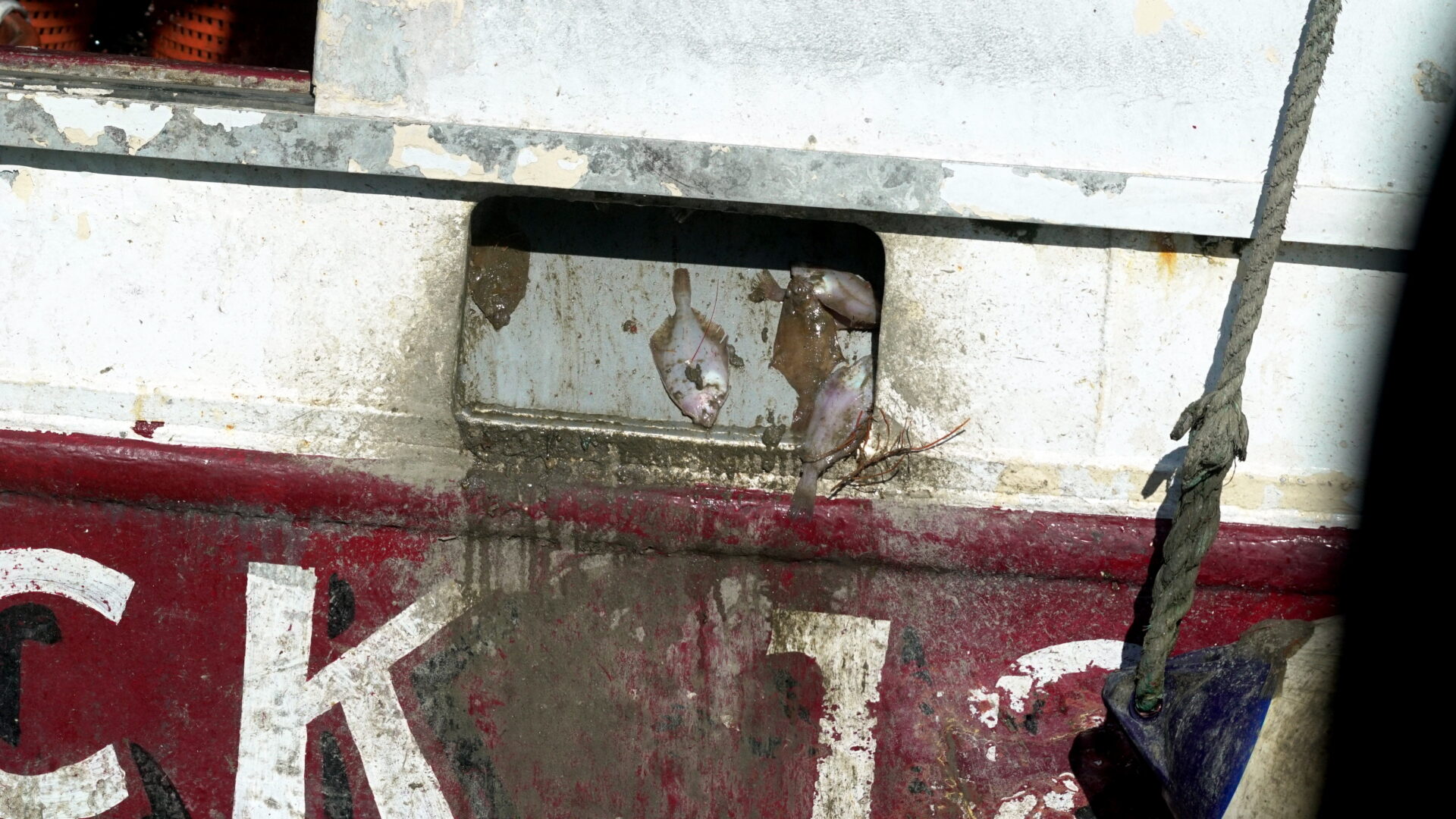
This gear tears up the seabed, leading to a huge amount of bycatch and a massive release of carbon. The emissions are caused both by the intense burning of fuel required to pull the heavy gear and the physical disturbance of the seafloor, which releases centuries of stored carbon back into the water and atmosphere.
Worryingly, the study also found that bottom trawling takes place in more than half of Europe’s Marine Protected Areas (MPAs). While MPAs are conservation protections designed to allow biodiversity to flourish, many operate as tiered systems, meaning industrial practices like bottom trawling are still permitted to operate within their boundaries.
The study highlights that the industry is heavily propped up by public money, with an estimated €1.17 billion spent by European governments annually on fuel subsidies. Bottom trawling activity would be unprofitable in Belgium, Spain, Great Britain, Portugal and Romania without these payments.
In other news
While governments justify these subsidies in the name of job and food security, the report finds that bottom trawling only provides 2% of the animal protein consumed in Europe.
A global study released last month, also found that the fishing method is undermining local food security, nutrition and livelihoods in coastal communities.
Furthermore, the practice directly employs less than 20,000 people. By contrast, small-scale fisheries in Europe generate approximately three times more jobs than industrial bottom trawlers.
Alisdair (Bally) Philp, Commercial Creel Fisherman and National Coordinator of the Scottish Creel Fishermen’s Federation, said: “Our concerns around bottom trawling have often focused on the way it can displace lower impact fishing methods… undermining fisheries that support more jobs and deliver greater long-term value to coastal communities.”
Research shows that populations of sharks, rays and skates are often more plentiful outside the boundaries of these “paper park” MPAs than within them.
One study found that across the 727 MPAs designated by the European Union, 59% of MPAs are commercially trawled, and average trawling intensity – the measure of how frequently and heavily the seabed is disturbed by bottom-trawling gear – across MPAs is at least 1.4-fold higher as compared with nonprotected areas.
However, when bottom trawling is banned, marine life recovery is marked. One study looking at the UK’s Lyme Bay found a 95% increase in reef species and a 400% increase in juvenile lobsters after a ban came into effect.
“Ending bottom trawling in Europe’s marine protected areas is essential for saving billions in public costs,” said co-author of the study, Professor Sala.
“If European governments were to direct just a fraction of the current fisheries’ subsidies to help the industry transition away from bottom trawling, society and marine life would win out.


"*" indicates required fields
Printed editions
Current issue
Back issues
Enjoy so much more from Oceanographic Magazine by becoming a subscriber.
A range of subscription options are available.
